
Desert Adventure Travel Guide and Safety Tips
Planning a desert adventure? Whether you’re trekking across the Sahara, exploring the Sonoran dunes, or driving through the Australian Outback, preparation is everything. This desert adventure travel guide and safety tips covers essential gear, navigation strategies, health precautions, and survival techniques to help you stay safe and make the most of your journey. From hydration plans to vehicle readiness, we’ll walk you through what you need to know before stepping into one of Earth’s most extreme environments.
Why Desert Travel Demands Special Preparation
Deserts are among the harshest environments on the planet. Extreme heat during the day, freezing temperatures at night, limited water sources, and vast stretches of featureless terrain make even short trips potentially dangerous. Unlike forested or mountainous regions, deserts offer little natural shelter or obvious landmarks, increasing the risk of disorientation. A single misstep—like running out of water or breaking down without a plan—can turn a thrilling adventure into a life-threatening situation.
That said, deserts also offer unparalleled beauty: star-filled skies, surreal rock formations, and a profound sense of solitude. With the right knowledge and preparation, your trip can be both safe and unforgettable. The key is respecting the environment and understanding how your body reacts to arid conditions.
Essential Gear for Desert Adventures
Packing smart means prioritizing survival over comfort. While it might be tempting to travel light, desert conditions demand redundancy and reliability. Below is a checklist of must-have items for any desert expedition, whether you’re hiking, camping, or driving.
Hydration and Nutrition
- Water: Carry at least one gallon (3.8 liters) per person per day for drinking, plus extra for emergencies. For multi-day trips, plan for 2–3 gallons daily in extreme heat.
- Electrolyte supplements: Prevent dehydration and cramping with oral rehydration salts or electrolyte tablets.
- High-calorie, non-perishable food: Energy bars, nuts, dried fruit, and jerky provide sustained fuel without spoiling.
Clothing and Sun Protection
- Lightweight, long-sleeved clothing: Loose-fitting, light-colored fabrics reflect sunlight and reduce sweat loss.
- Wide-brimmed hat and UV-blocking sunglasses: Protect your head, neck, and eyes from intense solar radiation.
- Sunscreen (SPF 50+): Reapply every two hours, especially after sweating.
- Insulating layers: Temperatures can drop below freezing at night—pack a fleece or down jacket.
Navigation and Communication
- GPS device with offline maps: Smartphones often lose signal; a dedicated GPS with preloaded desert routes is more reliable.
- Physical map and compass: Always carry backups in case electronics fail.
- Satellite messenger or PLB (Personal Locator Beacon): Devices like Garmin inReach or SPOT allow emergency signaling when cell service is unavailable.
Shelter and Sleeping Gear
- Pop-up tent or tarp: Provides shade during the day and insulation at night.
- Sleeping bag rated for cold weather: Nighttime desert temperatures can plunge unexpectedly.
- Insulated sleeping pad: Prevents heat loss to the ground.
Vehicle-Specific Gear (for Overlanding or 4WD Trips)
- Extra fuel: Carry at least 50% more than you think you’ll need.
- Recovery equipment: Tow straps, shovel, traction mats, and a high-lift jack.
- Spare tires and repair kits: Punctures and blowouts are common on rocky terrain.
- Air compressor: Useful for airing down tires for sand driving and reinflating afterward.
Staying Safe: Key Health and Survival Tips
Even with the best gear, your body’s response to desert conditions determines your safety. Heat exhaustion, dehydration, and sunstroke are real risks—even for experienced travelers. Understanding the signs and acting quickly can prevent serious harm.
Recognize the Signs of Heat-Related Illness
Early symptoms include dizziness, nausea, headache, and excessive sweating. If untreated, these can progress to heatstroke—a medical emergency marked by confusion, rapid pulse, and loss of consciousness. If someone shows signs of heatstroke, move them to shade immediately, cool their body with wet cloths, and seek emergency help.
Hydration Strategy
Don’t wait until you’re thirsty to drink. In dry air, you lose moisture rapidly through respiration and sweat, often without noticing. Sip water regularly throughout the day, even if you don’t feel dehydrated. Avoid alcohol and caffeine, which increase fluid loss.
Travel During Cooler Hours
The safest times to travel are early morning and late afternoon. Avoid being active between 10 a.m. and 4 p.m., when the sun is strongest. Use midday hours to rest in shade, conserve energy, and rehydrate.
Know Your Limits
Desert terrain can be deceptive. What looks like a short hike may take twice as long due to soft sand, elevation changes, or navigation challenges. Start with shorter excursions to build experience and assess your fitness level.
Navigation and Route Planning
Losing your way in the desert is easier than it seems. Sand dunes shift, trails vanish, and GPS signals can drop. A solid route plan reduces risk and ensures you can find your way back—or signal for help if needed.
Pre-Trip Planning
- Research your route: Study topographic maps, recent trip reports, and weather forecasts.
- Share your itinerary: Tell someone reliable where you’re going and when you plan to return.
- Check local regulations: Some desert areas require permits or have restricted access.
- Monitor weather: Sudden rain can cause flash floods in dry washes—even if it’s not raining where you are.
On-the-Ground Navigation
- Mark waypoints: Use your GPS to record key locations like water sources, trailheads, and campsites.
- Use natural landmarks: Note distinctive rock formations, mountain peaks, or dry riverbeds.
- Travel in groups: There’s safety in numbers. If someone is injured, others can assist or seek help.
Vehicle Safety for Desert Driving
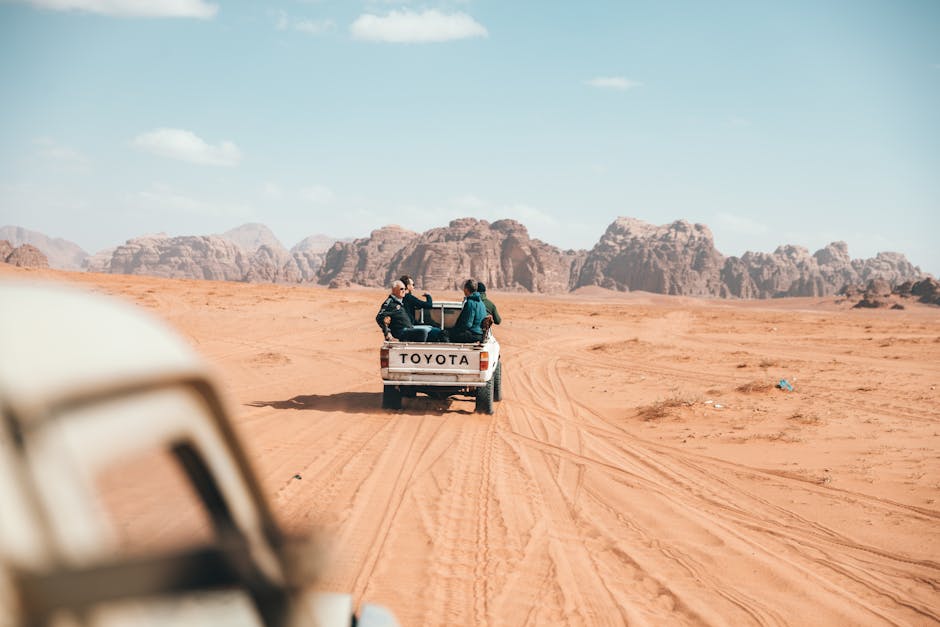
If your desert adventure involves a vehicle—whether a 4×4, motorcycle, or camper—preparation is critical. Mechanical failures in remote areas can leave you stranded for days.
Pre-Departure Vehicle Check
- Cooling system: Ensure radiator, hoses, and coolant are in good condition. Overheating is a leading cause of breakdowns.
- Tires: Check tread depth and pressure. Consider all-terrain or mud-terrain tires for better grip.
- Battery and electrical system: Heat accelerates battery wear—test before you go.
- Air filter: Replace if clogged; dusty conditions can quickly damage engines.
Driving Tips for Sand and Rocky Terrain
- Lower tire pressure: Reducing PSI increases traction in soft sand (typically to 15–20 PSI). Remember to reinflate afterward.
- Maintain momentum: In sand, steady speed prevents sinking. Avoid sudden braking or sharp turns.
- Use low-range 4WD: For steep climbs or loose gravel, engage 4L for better control.
- Avoid dry washes during rain: Flash floods can occur miles away from where it’s raining.
Wildlife and Environmental Hazards
Deserts host unique wildlife, some of which can be dangerous. While attacks are rare, awareness reduces risk.
Common Desert Hazards
- Snakes: Rattlesnakes are common in North American deserts. Watch where you step and avoid reaching into crevices.
- Scorpions and spiders: Shake out shoes and sleeping bags before use. Most are not lethal but can cause pain or allergic reactions.
- Plants: Cacti, thorny shrubs, and poisonous species like poison ivy (in some regions) can cause injury or irritation.
- Flash floods: Dry riverbeds (washes or arroyos) can fill with water in minutes during rain. Never camp in low-lying areas.
Leave No Trace: Respecting the Desert
Desert ecosystems are fragile. Rainfall is scarce, and recovery from disturbance takes decades. Follow Leave No Trace principles to protect these landscapes for future travelers.
- Pack out all trash: Even biodegradable items like fruit peels can take years to decompose.
- Stay on designated trails: Avoid creating new paths that damage vegetation.
- Use established campsites: Minimize impact by camping where others have before.
- Avoid disturbing wildlife: Observe from a distance and never feed animals.
Top Desert Destinations for Adventure Travelers
Not all deserts are the same. Some offer sweeping dunes, others dramatic canyons or ancient petroglyphs. Here are a few iconic destinations, each with unique features and challenges.
| Destination | Best For | Key Challenges | Recommended Season |
|---|---|---|---|
| Namib Desert, Namibia | Dune climbing, photography, wildlife | Extreme heat, remote access | May–September |
| Sonoran Desert, USA/Mexico | Hiking, birdwatching, cultural sites | Venomous snakes, summer heat | October–April |
| Rub’ al Khali (Empty Quarter), Arabian Peninsula | 4WD expeditions, solitude | Isolation, sandstorms | November–March |
| Atacama Desert, Chile | Stargazing, geysers, salt flats | High altitude, cold nights | Year-round (mild climate) |
Emergency Preparedness: What to Do If You’re Stranded
Even with careful planning, emergencies happen. Knowing how to respond can mean the difference between life and death.
Immediate Actions
- Stay with your vehicle or group: It’s easier for rescuers to find a vehicle than a person on foot.
- Conserve water: Ration supplies. Avoid drinking urine or saltwater—it worsens dehydration.
- Signal for help: Use mirrors, bright clothing, or a satellite device. Create large SOS signs in the sand.
- Stay in shade: Dig into sand or use a tarp to create shelter. Avoid exertion during peak heat.
Long-Term Survival Tips
- Collect dew: Place plastic sheets over vegetation at night to capture condensation.
- Eat sparingly: Digestion uses water. Only eat if you have sufficient fluids.
- Travel at night: If you must move, do so after sunset when temperatures drop.
Final Thoughts: Respect the Desert, Embrace the Adventure
A desert adventure can be one of the most rewarding experiences of your life—offering solitude, stunning landscapes, and a deep connection to nature. But it demands respect. The desert adventure travel guide and safety tips outlined here are not just suggestions; they are essential practices for anyone venturing into arid environments. By preparing thoroughly, traveling responsibly, and staying alert to changing conditions, you can enjoy the beauty of the desert while minimizing risk.
FAQ
How much water should I bring for a one-day desert hike?
Bring at least one gallon (3.8 liters) per person for a full day, plus an extra half-gallon for emergencies. In extreme heat or high exertion, increase to two gallons.
Can I rely on my smartphone for navigation in the desert?
No. Cell service is often unavailable, and batteries drain quickly in heat. Always carry a GPS device with offline maps and a physical map and compass as backups.
Is it safe to drive through the desert alone?
It’s not recommended. Traveling with at least one other person increases safety. If you must go alone, carry a satellite communicator and share your itinerary with someone who can alert authorities if you don’t return on time.

