

Couple Travel Checklist Complete Guide: Everything You Need Before You Go
Couple Travel Checklist Complete Guide: Everything You Need Before You Go
Planning a trip with your partner? A Couple Travel Checklist Complete Guide ensures you don’t forget the essentials—from travel documents to shared packing strategies. Whether you’re heading to a tropical beach, a European city, or a mountain cabin, this guide covers every step to help you travel smoothly, reduce stress, and enjoy more quality time together. We’ll walk you through pre-trip planning, packing tips, safety considerations, and how to coordinate your plans so both of you feel prepared and confident.
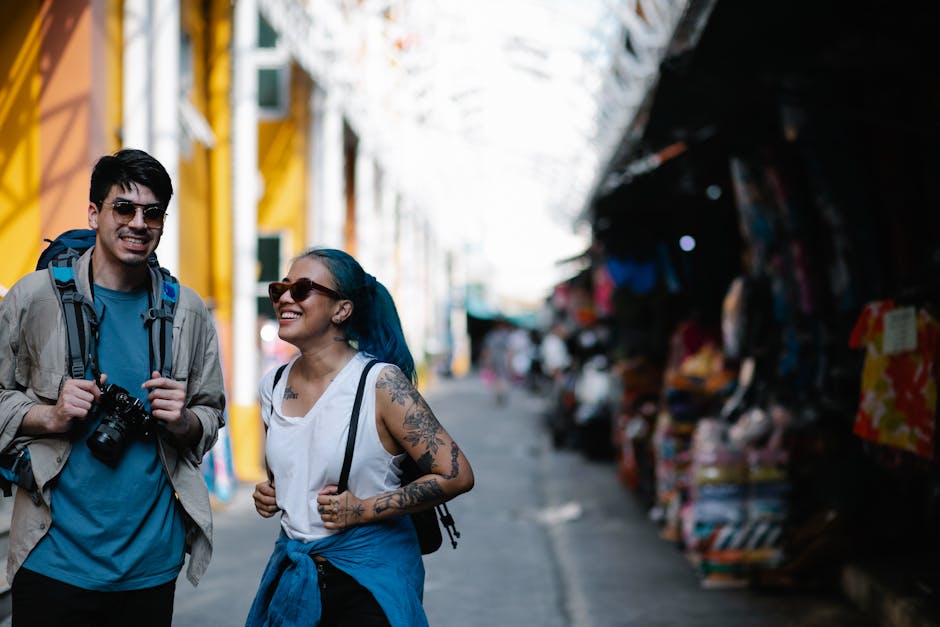
Why a Couple Travel Checklist Matters
Traveling as a couple comes with unique challenges. You’re sharing luggage space, coordinating schedules, and relying on each other for important items. A shared checklist prevents duplicate packing, reduces last-minute panic, and helps you stay organized. More importantly, it fosters communication and teamwork—key ingredients for a successful trip.
Without a plan, couples often overlook critical details: expired passports, missing adapters, or mismatched clothing for the weather. A structured approach ensures you both contribute, stay on the same page, and avoid common travel mishaps.

Step-by-Step: Building Your Couple Travel Checklist
Creating a personalized checklist starts with understanding your destination, travel style, and each person’s preferences. Follow these steps to build a comprehensive plan:
1. Define Your Trip Details
Before packing a single sock, agree on the basics:
- Destination: Research climate, local customs, and required vaccinations.
- Dates: Confirm departure and return times, including time zone differences.
- Accommodation: Book hotels, rentals, or campsites in advance.
- Transportation: Arrange flights, trains, car rentals, or local transit passes.
Example: If you’re visiting Japan in spring, you’ll need light layers for cherry blossom season and comfortable walking shoes for temple visits.

2. Divide Responsibilities
Split tasks to avoid burnout and ensure nothing slips through the cracks. One person might handle documents, while the other manages electronics. Use a shared digital document (like Google Docs or Notion) to track progress.
Suggested分工:
- Person A: Passports, visas, travel insurance, itinerary
- Person B: Chargers, adapters, medications, entertainment
3. Set a Packing Deadline
Aim to finish packing 24–48 hours before departure. This gives you time to double-check items, recharge devices, and handle unexpected issues like a missing suitcase or delayed flight.
Essential Documents and Legal Requirements
Missing or expired documents are among the top reasons trips get derailed. Ensure both partners have the following:
- Valid passports: Check expiration dates—many countries require at least six months validity beyond your return date.
- Visas: Research entry requirements for your destination. Some countries offer visa-on-arrival; others require advance applications.
- Travel insurance: Choose a plan that covers medical emergencies, trip cancellations, and lost luggage.
- Copies of important documents: Store digital backups in cloud storage and carry physical copies separately from originals.
- Vaccination records: Required for certain destinations (e.g., yellow fever for parts of Africa and South America).
Warning: Don’t assume your domestic ID will suffice. Even for nearby countries like Canada or Mexico, a passport is typically required for re-entry to the U.S.
Packing Smart: What to Bring and What to Leave Behind
Packing efficiently is crucial when sharing luggage. Overpacking leads to extra fees, while underpacking causes stress. Use this strategy:
Coordinate Outfits
Plan outfits together to avoid duplicate items. For a week-long trip, aim for 5–7 versatile outfits that mix and match. Choose a color palette (e.g., neutrals with one accent color) to maximize coordination.
Example: If one person packs three pairs of jeans, suggest swapping one for lightweight pants suitable for walking or dining out.
Share Toiletries Wisely
Instead of doubling up, divide toiletries:
- One person brings shampoo and body wash; the other handles toothpaste and deodorant.
- Use travel-sized containers to save space.
- Pack a shared first-aid kit with band-aids, pain relievers, and motion sickness tablets.
Electronics and Adapters
Bring only what you need:
- Smartphones and chargers (one per person)
- Laptop or tablet (if necessary for work or entertainment)
- Universal power adapter (essential for international travel)
- Portable power bank (for long days out)
Tip: Label chargers with tape or colored tags to avoid confusion.
Health and Safety Considerations
Your well-being is just as important as your itinerary. Prepare for health and safety issues before they arise.
Medications and Health Supplies
Pack prescription medications in original containers, with a copy of the prescription. Include over-the-counter remedies like antihistamines, antacids, and rehydration salts.
For international travel, check if your medications are legal in the destination country. Some common U.S. drugs (like ADHD medications) are restricted abroad.
Emergency Contacts and Local Info
Create a shared document with:
- Embassy or consulate contact information
- Local emergency numbers (e.g., 112 in Europe, 911 in the U.S.)
- Hotel address and phone number
- Travel insurance provider details
Stay Connected
Ensure you can communicate during the trip:
- Activate international roaming or purchase a local SIM card.
- Download offline maps and translation apps.
- Share your itinerary with a trusted friend or family member.
Money and Payment Planning
Handling finances as a couple requires clarity. Avoid awkward moments at checkout by planning ahead.
Cash vs. Cards
Carry a mix of payment methods:
- Local currency: Exchange a small amount before departure for immediate needs (taxis, tips).
- Credit cards: Use for larger purchases; notify your bank of travel dates to avoid fraud alerts.
- Debit cards: For ATM withdrawals; check foreign transaction fees.
Budget Together
Set a daily spending limit for meals, activities, and souvenirs. Use a shared budgeting app like Splitwise to track shared expenses and split costs fairly.
Example: If you spend $40 on dinner and $20 on tickets, the app calculates who owes what—no awkward math at the end of the trip.
Entertainment and Downtime
Travel isn’t all sightseeing. Plan for relaxation and shared experiences.
Shared Activities
Discuss interests beforehand. One might love museums; the other prefers hiking. Balance your itinerary with a mix of activities.
Suggestions:
- Book a couple’s spa day
- Take a cooking class together
- Watch a sunset from a scenic viewpoint
Entertainment for Downtime
Bring lightweight options for flights or rainy days:
- Download movies, podcasts, or e-books
- Pack a deck of cards or a travel board game
- Share a journal to document your trip
Transportation and Luggage Tips
How you travel affects your packing and planning.
Choosing the Right Luggage
For couples, two carry-ons and one checked bag is often ideal. Use this comparison:
| Luggage Type | Best For | Pros | Cons |
|---|---|---|---|
| Carry-on Suitcase | Short trips, city breaks | No wait at baggage claim, fits in overhead | Limited space, strict size limits |
| Checked Bag | Long trips, cold weather | More room for clothes and souvenirs | Risk of delay or loss, extra fees |
| Backpack (40–50L) | Backpacking, adventure travel | Hands-free, great for hiking | Less organization, harder to access items |
Packing Cubes and Organizers
Use packing cubes to separate clothes by type or person. Label them to avoid confusion. Roll clothes instead of folding to save space and reduce wrinkles.
Last-Minute Checks Before You Leave
Complete this final review 24 hours before departure:
- Confirm flight times and gate information
- Check in online and save boarding passes to your phone
- Set home security: lock doors, pause mail, adjust thermostat
- Charge all devices and pack chargers in carry-on
- Double-check that passports, tickets, and wallets are packed
- Take a photo of your luggage in case it gets lost
Post-Trip: Wrapping Up Smoothly
Your checklist doesn’t end when you land. Plan for re-entry:
- Unpack and wash clothes promptly
- Review expenses and settle any shared costs
- Back up travel photos and videos
- Leave reviews for hotels and experiences
- Reflect on what worked and what to improve next time
Final Thoughts: Traveling as a Team
A well-prepared couple travels with confidence and enjoys more meaningful experiences. The Couple Travel Checklist Complete Guide isn’t just about items—it’s about communication, compromise, and shared adventure. By planning together, you reduce stress, avoid conflicts, and create memories that last long after the trip ends.
FAQ
Q: How far in advance should we start our travel checklist?
A: Begin 2–3 weeks before departure. This allows time to book activities, apply for visas, and order specialty items like adapters or medications.
Q: What if our travel styles are very different?
A: Compromise is key. Alternate decision-making (e.g., one picks the restaurant, the other chooses the activity). Build in solo time if needed, but prioritize shared experiences.
Q: Should we pack separate suitcases or share one?
A: It depends on your trip length and preferences. For short trips, two carry-ons work well. For longer stays, one checked bag plus personal items can save money and simplify handling.

