
Complete Travel Guide and Tips for 2026
Complete Travel Guide and Tips for 2026
Planning a trip in 2026? Whether you’re dreaming of a tropical beach escape, a cultural city break, or an adventurous trek through remote landscapes, this complete travel guide and tips for 2026 will help you prepare smarter, pack lighter, and travel safer. From visa updates and sustainable travel trends to budgeting hacks and digital nomad essentials, we’ve compiled the most relevant advice for travelers of all kinds. With climate patterns shifting, new destinations gaining popularity, and technology reshaping the travel experience, staying informed is key to a smooth journey.

Top Travel Destinations for 2026
As travel demand rebounds and evolves post-pandemic, several destinations are emerging as must-visit spots in 2026. Japan remains a favorite, especially with the continued appeal of cherry blossom season and the growing interest in rural onsen towns. Portugal continues to attract digital nomads with its affordable living costs and reliable internet. Costa Rica is seeing a surge in eco-tourism, thanks to its commitment to conservation and adventure activities like zip-lining and wildlife safaris.
Newcomers on the radar include Slovenia, praised for its pristine lakes and efficient public transport, and Oman, which is investing heavily in luxury desert resorts and cultural tourism. Meanwhile, cities like Lisbon, Barcelona, and Kyoto are implementing visitor caps and timed entry systems to manage overtourism—so planning ahead is more important than ever.
Emerging Hotspots to Watch
- Georgia (the country): With visa-free access for many nationalities and stunning mountain scenery, Georgia is becoming a backpacker and wine-tourism favorite.
- Malta: Compact, English-speaking, and rich in history, Malta offers year-round mild weather and easy island-hopping.
- Rwanda: Known for gorilla trekking, Rwanda is expanding its luxury eco-lodges and improving infrastructure for international visitors.
Travel Trends Shaping 2026
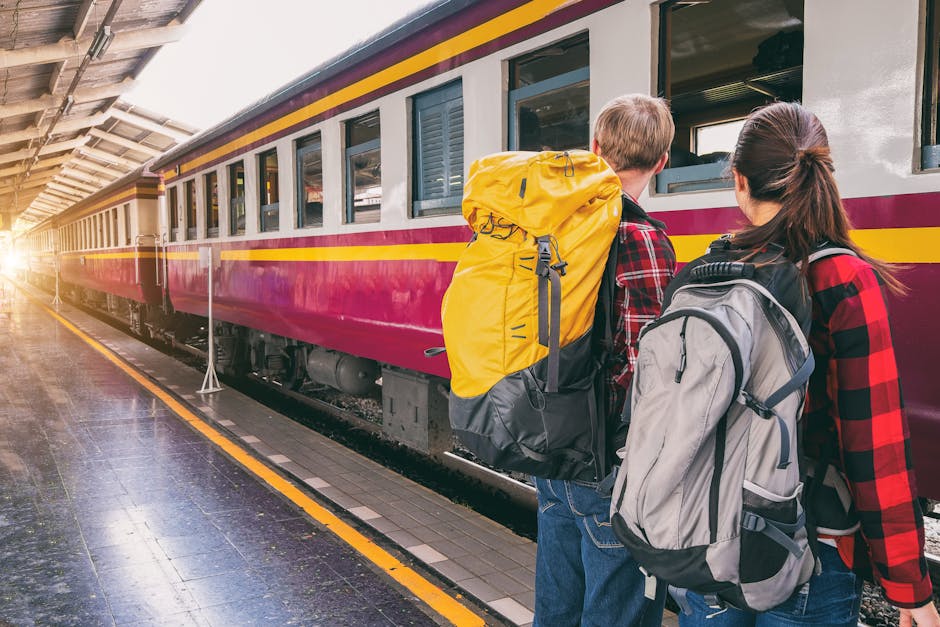
Travel in 2026 is being shaped by sustainability, technology, and shifting traveler priorities. One of the biggest trends is slow travel—staying longer in one place to reduce carbon emissions and deepen cultural immersion. Travelers are increasingly choosing trains over short-haul flights, especially in Europe, where high-speed rail networks are expanding.
Digital nomadism is also on the rise, with over 40 countries now offering special long-stay visas for remote workers. These include Thailand, Spain, and Mexico, each with varying requirements around income, health insurance, and tax obligations.
Another key trend is regenerative travel—going beyond sustainability to actively improve the places you visit. This might mean volunteering with local conservation projects, supporting community-run tours, or choosing accommodations that reinvest profits into local communities.

How to Plan Your 2026 Trip: Step-by-Step
Effective trip planning starts months in advance. Follow these steps to ensure a smooth experience:
- Define your travel goals: Are you looking for relaxation, adventure, culture, or work-life balance? Your purpose will shape your destination and itinerary.
- Set a realistic budget: Include flights, accommodation, food, activities, insurance, and a 10–15% buffer for unexpected expenses.
- Check visa and entry requirements: Some countries have updated their visa policies in 2025. For example, the European Union’s ETIAS authorization will be mandatory for visa-exempt travelers starting in 2026.
- Book flights and accommodation early: Prices tend to rise as departure dates approach, especially for popular destinations during peak seasons.
- Research local customs and laws: What’s acceptable in your home country might not be elsewhere. For instance, dress codes in religious sites or restrictions on photography can vary widely.
- Purchase travel insurance: Look for policies that cover trip cancellations, medical emergencies, and natural disasters. Some credit cards offer basic coverage, but it’s rarely comprehensive.
Packing Smart for 2026
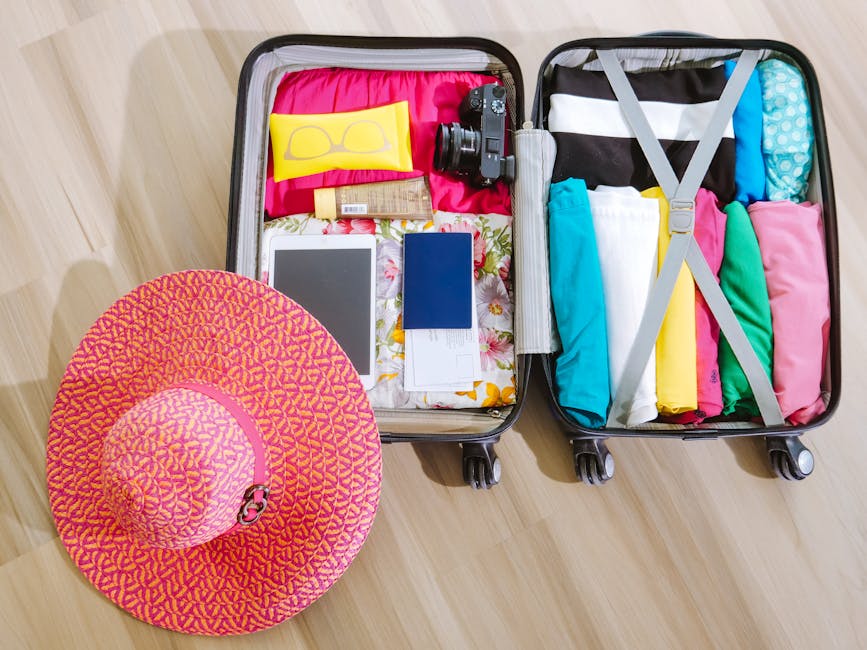
Packing efficiently saves time, money, and stress. In 2026, travelers are embracing minimalism and multi-functional gear. A well-organized carry-on with versatile clothing, a compact travel adapter, and a reusable water bottle with a built-in filter can cover most needs.
Consider the climate and activities of your destination. For tropical trips, pack lightweight, quick-dry fabrics and insect repellent. For mountain hikes, invest in moisture-wicking base layers and sturdy footwear. Always leave room for souvenirs—or use packing cubes to compress clothes and maximize space.
Don’t forget digital essentials: a portable charger, noise-canceling headphones, and offline maps. Many travelers now use eSIMs instead of physical SIM cards for seamless connectivity across borders.
Budgeting for Your Trip
Travel costs vary widely by region. Western Europe and North America tend to be the most expensive, while Southeast Asia and parts of Latin America offer excellent value. Use budgeting apps like Trail Wallet or Splitwise to track spending in real time.
Here’s a quick comparison of average daily costs for mid-range travelers in popular destinations:
| Destination | Daily Cost (USD) | Includes |
|---|---|---|
| Thailand | $45–$65 | Accommodation, meals, local transport, one paid activity |
| Portugal | $70–$90 | Mid-range hotel, dining out, public transit, museum entry |
| Japan | $100–$130 | Business hotel, meals, train pass, attractions |
| Costa Rica | $80–$110 | Eco-lodge, local food, guided tour, park fees |
To save money, consider traveling during shoulder seasons (spring or fall), when prices are lower and crowds thinner. Booking accommodations with kitchen access can also reduce food expenses significantly.
Health and Safety Tips for 2026
Health precautions remain a top priority for international travelers. Always check the latest advisories from your government’s travel department before departure. Some countries may require vaccinations (e.g., yellow fever for parts of Africa and South America) or proof of travel insurance.
Carry a basic medical kit with pain relievers, antihistamines, rehydration salts, and any prescription medications in their original packaging. It’s also wise to have digital and physical copies of your prescriptions.
Safety-wise, stay aware of your surroundings, especially in crowded tourist areas where pickpocketing is common. Use hotel safes for passports and extra cash. Avoid displaying expensive electronics or jewelry. Register your trip with your embassy if traveling to high-risk areas.
Sustainable Travel Practices
More travelers than ever are prioritizing sustainability. In 2026, simple choices can make a big difference. Choose airlines with carbon offset programs or those investing in sustainable aviation fuel. Opt for direct flights when possible—takeoffs and landings produce the most emissions.
Support local economies by eating at family-run restaurants, buying handmade goods, and hiring local guides. Avoid single-use plastics by carrying a reusable bag, utensils, and water bottle. Many destinations now offer refill stations in major cities.
When visiting natural sites, follow the “leave no trace” principles: stay on marked trails, don’t disturb wildlife, and carry out all trash. Some national parks now require advance permits to limit visitor numbers and protect ecosystems.
Technology and Travel in 2026
Technology continues to simplify travel. Mobile boarding passes, contactless payments, and AI-powered translation apps are now standard. Google Translate’s camera feature can read signs in real time, while apps like Duolingo help with basic language skills before departure.
Many airports now use biometric screening (facial recognition) to speed up security and boarding. Some hotels offer app-based check-in and digital room keys. For navigation, offline maps from Google Maps or Maps.me work without data.
Be cautious with public Wi-Fi. Use a reputable VPN to protect your data when connecting to unsecured networks. Avoid accessing banking or sensitive accounts on shared devices.
Visa and Documentation Updates for 2026
Travel documentation is evolving. The European Travel Information and Authorization System (ETIAS) launches in 2026, requiring U.S., Canadian, and Australian citizens to apply online before visiting Schengen Zone countries. The process is expected to take minutes and cost €7, with approvals valid for three years.
Other countries are introducing digital nomad visas with longer stays and tax benefits. Portugal’s D7 visa, for example, allows remote workers to live in the country for up to two years, with a path to residency.
Always ensure your passport is valid for at least six months beyond your return date. Some countries also require blank pages for stamps. Keep digital scans of your passport, visa, and travel insurance in a secure cloud storage account.
Final Tips for a Smooth 2026 Journey
Even with the best planning, travel can be unpredictable. Build flexibility into your itinerary—over-scheduling leads to burnout. Allow time for rest, spontaneous discoveries, and delays.
Stay connected with loved ones through messaging apps like WhatsApp or Telegram. Share your itinerary with someone at home and check in regularly if traveling solo.
Finally, embrace the unexpected. The best travel memories often come from missed trains, wrong turns, or conversations with locals. Approach your journey with curiosity and an open mind.
FAQ
Q: Do I need travel insurance for trips in 2026?
A: Yes, travel insurance is strongly recommended. It covers medical emergencies, trip cancellations, lost luggage, and more. Some countries, like those in the Schengen Zone, require it for entry.
Q: What’s the best time to book flights for 2026 travel?
A: For most destinations, booking 2–4 months in advance offers the best balance of price and availability. Use fare comparison tools and set price alerts to monitor fluctuations.
Q: Are there new visa requirements for popular destinations in 2026?
A: Yes. The EU’s ETIAS system will require pre-travel authorization for visa-exempt visitors. Other countries may update policies, so always check official government sources before booking.
Conclusion
This complete travel guide and tips for 2026 equips you with the knowledge to travel confidently and responsibly. From choosing the right destination and packing efficiently to understanding new visa rules and embracing sustainable practices, preparation is the key to a rewarding journey. As the world of travel continues to change, staying informed and adaptable will ensure your 2026 adventures are both memorable and meaningful.

