
Cheapest Cities to Visit in Europe Guide
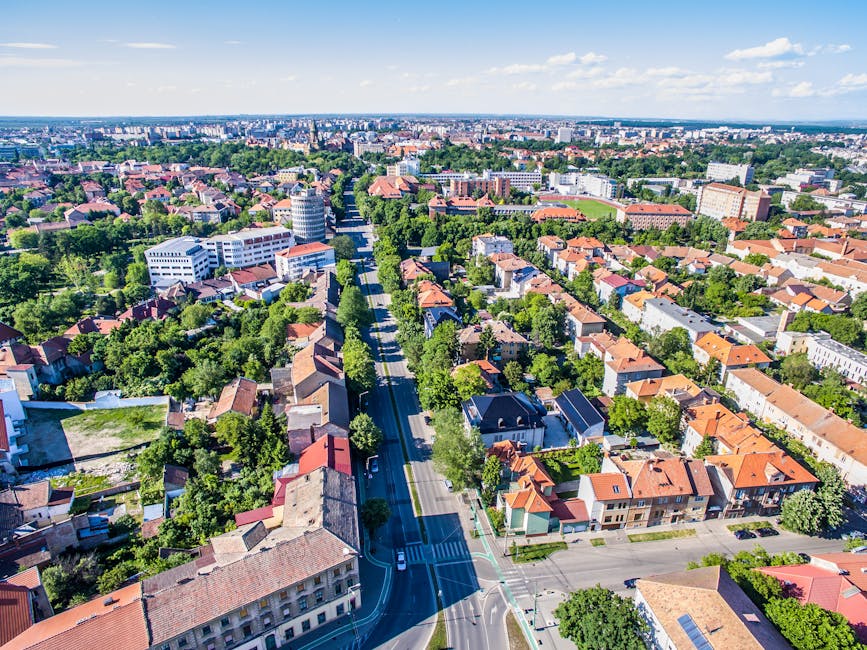
Traveling through Europe doesn’t have to drain your wallet. This guide highlights the cheapest cities to visit in Europe, where you can enjoy rich history, vibrant culture, and authentic local experiences without overspending. From Eastern Europe’s hidden gems to underrated destinations in Southern and Central Europe, these cities offer excellent value for budget-conscious travelers. Whether you’re planning a weekend getaway or an extended backpacking trip, knowing where to go for affordability—without sacrificing quality—can make all the difference. Below, you’ll find detailed insights into accommodations, food, attractions, and daily costs across ten standout destinations.
Why Choose Budget-Friendly European Destinations?
Many travelers assume Europe is inherently expensive. While cities like Paris, London, and Zurich come with high price tags, numerous European destinations remain surprisingly affordable. Choosing cheaper cities allows you to stretch your budget further, stay longer, and experience more. These locations often offer lower costs for lodging, meals, public transport, and even major attractions. Plus, they’re frequently less crowded than their pricier counterparts, giving you a more relaxed and authentic travel experience.
Top 10 Cheapest Cities to Visit in Europe
Based on average daily expenses for mid-range travelers—including accommodation, food, local transportation, and sightseeing—here are the most affordable European cities that still deliver on culture, charm, and convenience.
1. Sofia, Bulgaria
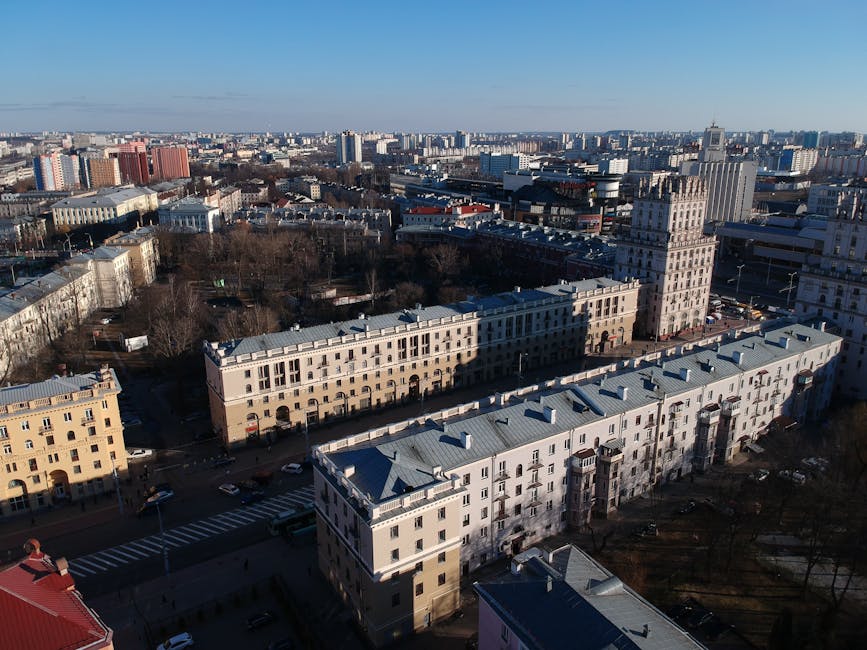
Sofia consistently ranks as one of Europe’s most budget-friendly capitals. A meal at a local restaurant costs around €8–€12, and a night in a centrally located guesthouse or mid-tier hotel averages €30–€45. Public transportation is efficient and costs less than €1 per ride. Must-see attractions like the Alexander Nevsky Cathedral and Vitosha Mountain are either free or very low-cost. The city blends Ottoman, Soviet, and modern influences, offering a unique cultural mix rarely found elsewhere in Europe.
2. Budapest, Hungary
Budapest is famous for its thermal baths, ruin bars, and stunning Danube views—all at a fraction of Western European prices. A three-course meal for two at a mid-range restaurant costs about €25, and a night in a well-located hotel ranges from €40 to €60. Entry to the Széchenyi Thermal Bath is around €20, and public transport day passes are under €5. The city’s walkable layout and extensive metro system make getting around easy and inexpensive.
3. Kraków, Poland
Kraków combines medieval charm with modern energy and remains one of the most affordable major cities in Central Europe. Accommodation averages €35–€50 per night, and a hearty Polish meal (think pierogi or bigos) costs €6–€10. The historic Old Town is largely pedestrianized and free to explore, while Wawel Castle and the nearby Auschwitz-Birkenau Memorial offer deeply meaningful visits at reasonable prices. Kraków is also a gateway to the Tatra Mountains for nature lovers.
4. Porto, Portugal
While Lisbon has seen rising prices, Porto remains a more affordable alternative in Portugal. A riverside meal with a glass of local port wine costs around €15–€20. Budget hotels and hostels in the Ribeira district start at €30 per night. Many churches, viewpoints, and walking tours are free, and a tram ride along the Douro River is both scenic and economical. Porto’s compact size means you can see much of the city on foot.
5. Bucharest, Romania
Romania’s capital offers excellent value, especially for food and lodging. A full meal at a traditional restaurant costs €7–€12, and a night in a central hotel averages €35–€50. The Palace of the Parliament, one of the world’s largest buildings, offers guided tours for under €10. While some areas are still undergoing revitalization, neighborhoods like Lipscani are lively, safe, and full of character.
6. Belgrade, Serbia
Belgrade delivers a dynamic nightlife, historic fortresses, and riverside cafes—all at low prices. A beer in a local bar costs around €2, and a full dinner for two is typically under €20. Hostels and budget hotels in the city center start at €25 per night. Kalemegdan Fortress offers panoramic views for free, and the city’s tram system is both cheap and convenient.
7. Ljubljana, Slovenia
Though Slovenia is part of the EU, Ljubljana remains more affordable than many Western European capitals. A meal costs €10–€15, and mid-range hotels average €50–€70 per night—still below the European average. The compact old town is perfect for walking, and entry to Ljubljana Castle is around €12. The city’s green spaces, bike-friendly streets, and proximity to Lake Bled add to its appeal without inflating costs.
8. Athens, Greece
Athens offers incredible historical value at accessible prices. A gyro sandwich from a street vendor costs €2–€3, and a full dinner with wine is around €15–€20. Budget accommodations in central neighborhoods like Monastiraki or Plaka start at €40 per night. While the Acropolis ticket is €20, many archaeological sites and museums offer free entry on certain days, and the city’s metro system is efficient and low-cost.
9. Valencia, Spain
Valencia provides a more affordable Spanish experience compared to Madrid or Barcelona. A paella meal costs €10–€15, and tapas with drinks are widely available for under €20. Hotels in the city center average €50–€70 per night. The City of Arts and Sciences complex is impressive, but many parks, beaches, and historic districts like El Carmen are free to explore. Public transport is reliable and inexpensive.
10. Tallinn, Estonia
Tallinn’s medieval Old Town is a UNESCO site that feels like stepping back in time—yet it’s one of the most affordable capitals in Northern Europe. A meal costs €12–€18, and mid-range hotels average €50–€70 per night. Many museums and churches have modest entry fees, and the city’s compact size makes walking the best way to get around. Tallinn also offers excellent digital infrastructure and free public Wi-Fi.
Daily Cost Breakdown: What to Expect
To help you plan, here’s a comparison of average daily costs for a mid-range traveler in these cities, covering accommodation, food, local transport, and one paid attraction:
| City | Accommodation (1 night) | Meals (3 per day) | Local Transport (day pass) | Attraction Entry | Total Daily Estimate |
|---|---|---|---|---|---|
| Sofia | €35 | €18 | €1 | €5 | €59 |
| Budapest | €50 | €22 | €4 | €15 | €91 |
| Kraków | €45 | €20 | €3 | €10 | €78 |
| Porto | €45 | €25 | €4 | €10 | €84 |
| Bucharest | €40 | €18 | €2 | €8 | €68 |
| Belgrade | €30 | €16 | €1 | €6 | €53 |
| Ljubljana | €60 | €22 | €3 | €10 | €95 |
| Athens | €50 | €20 | €3 | €15 | €88 |
| Valencia | €60 | €25 | €4 | €10 | €99 |
| Tallinn | €60 | €20 | €3 | €10 | €93 |
Tips for Saving Money While Traveling in Europe
Even in the cheapest cities, smart planning can further reduce your expenses. Here are practical strategies to maximize your budget:
- Travel off-season: Avoid summer and major holidays. Spring and autumn offer pleasant weather and lower prices.
- Use public transportation: Trams, buses, and metros are far cheaper than taxis or ride-sharing apps.
- Eat like a local: Skip tourist restaurants. Look for daily menus (menú del día in Spain, dnevno meni in Slovenia) or visit local markets.
- Stay in central but modest accommodations: Proximity reduces transport costs and time. Guesthouses and small hotels often offer better value than large chains.
- Take advantage of free walking tours: Many cities offer tip-based tours that cover major sights and local history.
- Check for city tourism cards: These often bundle public transport and museum entries at a discount.
Common Mistakes to Avoid
Budget travel can backfire if you’re not careful. Avoid these pitfalls:
- Overestimating walkability: Some cities appear compact on maps but involve steep hills or long distances. Check terrain and public transport options.
- Ignoring local customs: Tipping, dress codes, and meal times vary. Researching local norms prevents awkward or costly situations.
- Booking too late: Even in affordable cities, last-minute bookings can double accommodation prices, especially during festivals or events.
- Carrying too much cash: Use no-foreign-fee debit cards and notify your bank of travel plans to avoid fraud holds.
Is Eastern Europe Always Cheaper?
Generally, yes—Eastern European cities like Sofia, Bucharest, and Belgrade offer the lowest costs in Europe. However, “cheap” doesn’t mean low quality. These destinations often have excellent infrastructure, safety, and cultural depth. That said, prices are rising in some areas due to increased tourism and EU integration. Always check recent traveler reports and local price indexes before finalizing plans.
Final Thoughts on the Cheapest Cities to Visit in Europe
Europe’s most affordable cities prove that memorable travel doesn’t require a luxury budget. From Sofia’s historic streets to Porto’s riverside charm, these destinations offer rich experiences at accessible prices. By choosing wisely, planning ahead, and embracing local life, you can explore the continent without financial stress. Whether you’re a solo traveler, couple, or family, the cheapest cities to visit in Europe provide a gateway to culture, history, and adventure—without the premium price tag.
FAQ
What is the cheapest city in Europe for tourists?
Belgrade, Serbia, is often considered the cheapest city in Europe for tourists, with daily expenses averaging under €60 for mid-range travelers, including food, lodging, and attractions.
Are these cities safe for solo travelers?
Yes, all the cities listed are generally safe for solo travelers. As with any destination, practice common sense: avoid poorly lit areas at night, keep valuables secure, and stay aware of your surroundings.
Can I visit these cities without speaking the local language?
Absolutely. In most of these cities, English is widely spoken in tourist areas, hotels, and restaurants. Learning a few basic phrases in the local language is appreciated and can enhance your experience.
