
Cheap Food While Traveling Budget Guide
Finding cheap food while traveling doesn’t mean sacrificing taste or nutrition. With smart planning and local insight, you can eat well on a tight budget almost anywhere in the world. Whether you’re backpacking across Southeast Asia, exploring European cities, or road-tripping through the U.S., this guide delivers practical, field-tested strategies to keep your meals affordable without compromising quality. From street food gems to grocery store hacks, we’ll show you how to stretch your travel budget further with real-world examples and actionable tips.
Why Eating Cheap While Traveling Matters
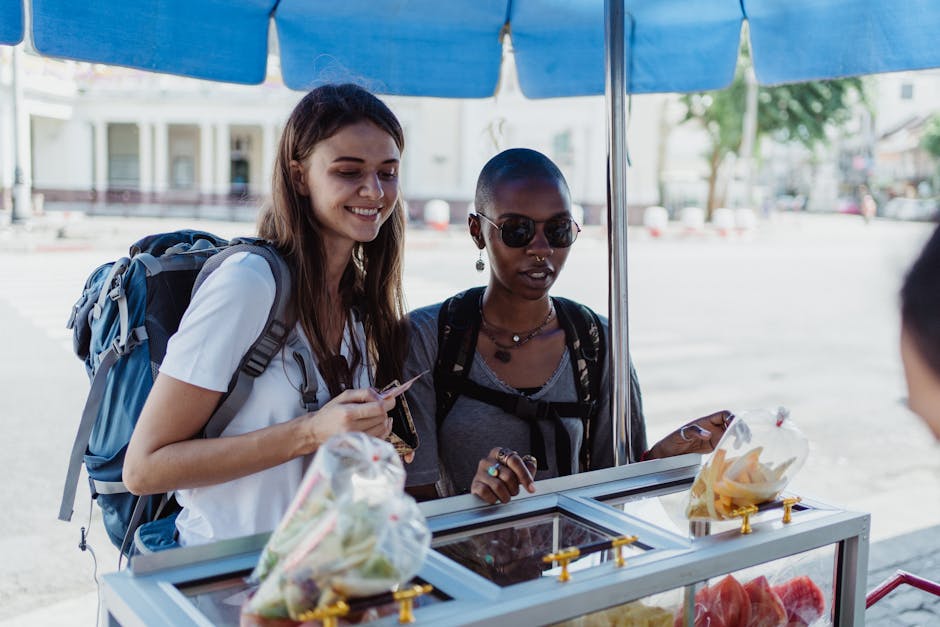
Food can be one of the largest expenses during travel—often second only to accommodation. In popular tourist destinations, restaurant markups can inflate meal costs by 300% or more, especially near major attractions. For budget travelers, overspending on food can quickly derail an otherwise well-planned trip. By prioritizing affordable eating options, you free up funds for experiences, transportation, or extending your stay.
Beyond cost, eating like a local often leads to more authentic and satisfying meals. Street vendors, neighborhood markets, and family-run eateries typically serve fresher, more culturally rich dishes than tourist-oriented restaurants. Choosing cheap food while traveling isn’t about deprivation—it’s about making intentional choices that enhance your journey.
How to Find Affordable Meals Anywhere
The key to eating cheaply on the road is knowing where and when to look. Start by researching local food customs before you arrive. In many countries, lunch is the main meal of the day and often comes with set menus at lower prices. In others, dinner is lighter and more affordable. Understanding these rhythms helps you time your meals for maximum value.
Use free resources like Google Maps to search for “cheap eats” or “local food” in your destination. Filter by price and read recent reviews that mention value. Apps like HappyCow (for vegetarians), Too Good To Go (for discounted surplus food), and local equivalents can also surface hidden bargains. Don’t overlook social media—travel forums, Facebook groups, and Reddit threads often have up-to-date recommendations from fellow travelers.
Eat Where Locals Eat
One of the most reliable indicators of a good, affordable meal is a full restaurant with mostly local patrons. If you see a line of residents waiting outside a modest eatery, chances are the food is both delicious and inexpensive. Avoid places with menus in multiple languages, photos of dishes, or staff aggressively inviting you inside—these are often tourist traps.
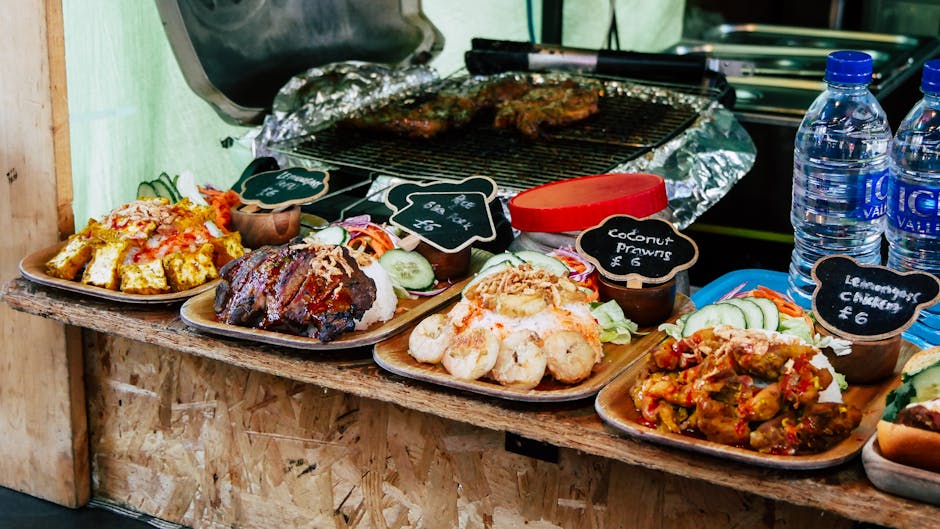
For example, in Bangkok, a bowl of pad thai from a street cart near a busy market might cost $1.50, while the same dish in a hotel restaurant could run $12. In Rome, a trattoria tucked away from the Trevi Fountain serves authentic carbonara for half the price of nearby tourist spots. These small choices add up quickly.
Embrace Street Food
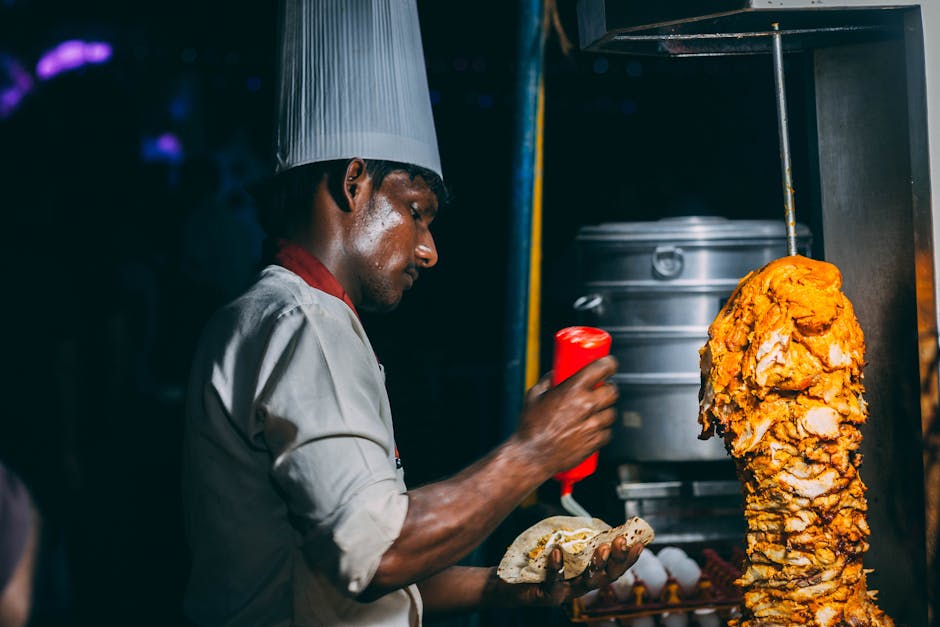
Street food is often the cheapest and most authentic way to eat while traveling. In cities like Mexico City, Istanbul, or Hanoi, vendors serve fresh, flavorful meals for the equivalent of a few dollars. Look for stalls with high turnover—this usually means fresher ingredients and safer preparation.
Safety is a common concern, but it’s manageable with a few precautions. Choose vendors who cook food to order, avoid raw vegetables unless you’re sure they’ve been washed in clean water, and observe basic hygiene practices like handwashing or using hand sanitizer before eating. When in doubt, stick to hot, cooked items.
Grocery Stores and Markets: Your Secret Weapon
One of the most effective ways to save on food is to shop like a local. Grocery stores, farmers’ markets, and convenience stores offer affordable, high-quality options that can replace multiple meals. Even if you’re staying in a hostel with limited kitchen access, many items require no cooking.
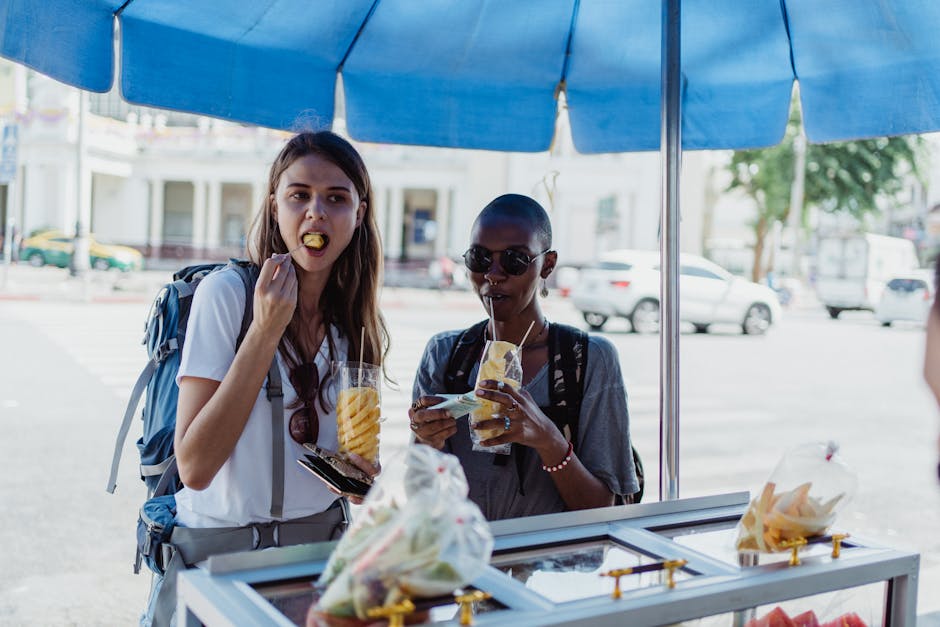
Stock up on bread, cheese, fruit, yogurt, nuts, and pre-made sandwiches or salads. In Europe, supermarkets like Lidl, Aldi, and Carrefour offer excellent value. In Japan, convenience stores (konbini) like 7-Eleven and Lawson sell surprisingly tasty and inexpensive onigiri, bento boxes, and drinks. In Southeast Asia, local markets provide fresh tropical fruit, rice dishes, and snacks for pocket change.
For longer stays, consider accommodations with kitchen facilities. Cooking even a few meals can significantly reduce your food budget. A simple pasta dish with sauce and vegetables costs a fraction of a restaurant meal and can feed multiple people.
Sample Grocery Store Meal Plans
Here’s how you can build a full day of meals using only grocery store items:
- Breakfast: Yogurt, granola, and banana ($2–$3)
- Lunch: Pre-made sandwich, apple, and bottled water ($4–$5)
- Dinner: Pasta with jarred sauce, frozen vegetables, and a side salad ($5–$6)
Total: $11–$14 per day—less than the cost of one restaurant dinner in many cities.
Timing Is Everything: When to Eat for Maximum Savings
Restaurant pricing often fluctuates based on time of day. Lunch menus are typically cheaper than dinner, and many restaurants offer set-price menus (menú del día in Spain, formule in France) that include multiple courses at a fixed rate. These can be 30–50% less expensive than ordering à la carte.
In some countries, happy hour extends beyond drinks to include discounted food. In Spain, many bars offer free tapas with a drink purchase during certain hours. In Greece, meze plates are often shared and priced lower in the early evening. Planning your meals around these windows can lead to significant savings.
Avoid eating at airports, train stations, and major tourist sites whenever possible. Prices in these areas are notoriously inflated. Instead, walk a few blocks away from the main drag to find better deals. A 10-minute walk can mean the difference between a $20 sandwich and a $6 one.
Budget-Friendly Food Options by Region
Affordable eating strategies vary by region due to differences in cuisine, cost of living, and local customs. Here’s a quick breakdown of what to expect and where to look:
| Region | Best Budget Options | Average Meal Cost (USD) |
|---|---|---|
| Southeast Asia | Street food, night markets, local noodle shops | $1–$4 |
| Europe | Supermarkets, lunch menus, bakeries | $8–$15 |
| Latin America | Comida corrida, mercados, street stalls | $3–$7 |
| North America | Food trucks, diners, grocery prepared foods | $10–$18 |
| East Asia | Convenience stores, ramen shops, local markets | $4–$10 |
These ranges reflect typical costs for a single meal and can vary based on city and season. Always carry small bills or coins, as many small vendors don’t accept cards.
Smart Snacking and Drinking on a Budget
Snacks and beverages can quietly inflate your food budget if not managed. Instead of buying bottled water, use a reusable bottle with a filter—especially in areas where tap water isn’t safe. In many European cities, public fountains provide free, high-quality drinking water.
For snacks, avoid airport and tourist-area convenience stores. Instead, buy in bulk from supermarkets or local markets. A bag of nuts, dried fruit, or local biscuits can last days and cost less than a single packaged snack at a gift shop.
Alcohol is another common budget drain. While it’s fine to enjoy a drink occasionally, limit bar visits and consider buying drinks from stores instead. In many countries, a bottle of wine from a supermarket costs less than a single cocktail at a tourist bar.
Avoiding Common Pitfalls
Even with the best intentions, travelers often fall into predictable traps. One is the “convenience tax”—paying more for the ease of eating near your hotel or a major attraction. Another is underestimating the cost of drinks, tips, and extras like bread baskets or cover charges, which can add 20–30% to your bill.
Be cautious with “all-inclusive” food deals that seem too good to be true. Some budget tours or hostels offer unlimited meals, but the quality may be poor or the portions small. Read the fine print and check reviews.
Lastly, don’t let fear of unfamiliar food stop you from trying local options. While it’s smart to be cautious, avoiding local cuisine entirely means missing out on the cultural heart of your destination. Start with milder dishes and gradually expand your palate.
Packing Tips to Save on Food
What you bring from home can also impact your food budget. Pack lightweight, non-perishable items that complement local food. Instant coffee, tea bags, protein bars, and spices can enhance cheap meals and reduce reliance on expensive cafes.
A compact travel mug or utensil set allows you to accept free coffee refills or eat on the go without disposable items. These small tools pay for themselves quickly and reduce waste.
If you have dietary restrictions, bring a few safe snacks to bridge gaps until you find reliable local options. This prevents emergency purchases at inflated prices.
Final Tips for Eating Cheap While Traveling
To summarize, eating affordably while traveling comes down to preparation, observation, and flexibility. Research before you go, eat where locals do, and take advantage of grocery stores and markets. Time your meals to catch lunch specials or happy hour deals, and avoid tourist hotspots for dining.
Remember, cheap food while traveling doesn’t mean boring or unsafe food. With a little effort, you can enjoy delicious, authentic meals that fit your budget and enrich your experience. The goal isn’t to spend as little as possible, but to spend wisely—so you can enjoy more of what your destination has to offer.
FAQ
Is street food safe to eat while traveling?
Street food can be safe if you choose vendors with high turnover, observe clean preparation practices, and avoid raw items in areas with questionable water quality. Stick to hot, cooked foods and use hand sanitizer before eating.
How can I eat cheaply in expensive cities like Paris or Tokyo?
Look for lunch menus, visit local markets, use convenience stores, and avoid dining in tourist-heavy areas. In Paris, try a baguette with cheese from a supermarket. In Tokyo, konbini meals are affordable and surprisingly good.
Should I cook my own meals while traveling?
Cooking can save money, especially on longer trips. Choose accommodations with kitchen access and prepare simple meals using local ingredients. Even basic cooking reduces reliance on restaurants and increases food flexibility.

