
Central Park Travel Guide New York: What to See, Do, and Avoid
”
Central Park Travel Guide New York: What to See, Do, and Avoid
Central Park is one of the most visited urban parks in the world, drawing over 42 million people annually. Exploring Central Park attractions and activities reveals important insights. Spanning 843 acres in the heart of Manhattan, this iconic green space offers a peaceful escape from the city’s hustle while delivering scenic landscapes, cultural landmarks, and recreational opportunities. Whether you’re visiting for a few hours or a full day, this Central Park travel guide New York provides everything you need to plan a smooth, enjoyable trip—from must-see attractions and hidden gems to practical tips on timing, transportation, and safety.
Why Visit Central Park?
Central Park isn’t just a patch of grass between skyscrapers—it’s a meticulously designed landscape that blends nature, art, and history. Created in 1858 by Frederick Law Olmsted and Calvert Vaux, the park was the first landscaped public park in the U.S. and remains a model for urban green spaces worldwide. It features rolling meadows, wooded areas, lakes, bridges, and over 58 miles of pedestrian paths.
Visitors come for many reasons: jogging, picnicking, photography, people-watching, or simply escaping the noise of the city. Families love the playgrounds and boating on the lake, while couples stroll through the Conservatory Garden. Artists and musicians often perform in open areas, and seasonal events like Shakespeare in the Park or winter ice skating add to the park’s dynamic atmosphere.
Top Attractions in Central Park
With so much to see, it’s easy to feel overwhelmed. Focus on these standout spots that offer the best mix of beauty, history, and activity.
Bethesda Terrace and Fountain
Located in the heart of the park at 72nd Street, Bethesda Terrace is a architectural highlight. The lower level opens to the Lake, while the upper level features a grand staircase and the famous Angel of the Waters fountain. It’s a popular meeting point and photo spot—especially at golden hour.
The Mall and Literary Walk
This tree-lined promenade stretches from 66th to 72nd Street and is one of the park’s most photographed areas. Lined with American elm trees, it’s a peaceful walkway often filled with street performers. Bronze statues of literary figures like William Shakespeare and Robert Burns line the path, giving it the nickname “Literary Walk.”
Strawberry Fields
A tribute to John Lennon, who lived nearby at the Dakota Building, Strawberry Fields is a serene mosaic memorial near 72nd Street. The “Imagine” mosaic, created by artist Julia Bassett, draws fans from around the world. It’s a quiet, reflective space ideal for a moment of pause.
Belvedere Castle
Perched on Vista Rock at 79th Street, this miniature castle offers panoramic views of the park and the city skyline. Inside, a small visitor center provides weather information and exhibits on the park’s ecology. Climb to the top for one of the best photo opportunities in the park.
The Great Lawn
Once damaged by overuse, the Great Lawn has been restored and now serves as a vast open space for sunbathing, frisbee, or attending concerts. It’s especially popular in summer, when free performances are held at the nearby Delacorte Theater.
Central Park Zoo
Located on the east side near 64th Street, the zoo is perfect for families. Though small, it features a tropical rainforest exhibit, penguins, sea lions, and a 4-D theater. Admission is separate from the park, but tickets can be purchased online in advance.
Bow Bridge
Spanning the Lake near 74th Street, Bow Bridge is one of the park’s most photographed structures. Its cast-iron design and arched silhouette make it a favorite for wedding photos and romantic walks. It’s also a great spot to watch rowboats glide across the water.
Best Times to Visit Central Park
Timing can make or break your experience. The park is open daily from 6:00 a.m. to 1:00 a.m., but crowd levels and atmosphere vary greatly by season and time of day.
Seasonal Considerations
- Spring (April–June): Cherry blossoms bloom in April, and the weather is mild. This is peak tourist season, so expect crowds, especially on weekends.
- Summer (July–August): Warm and lively, with outdoor concerts, food vendors, and long daylight hours. Mornings and evenings are cooler and less crowded.
- Fall (September–November): Foliage peaks in October, offering stunning colors. It’s a favorite time for photographers and joggers.
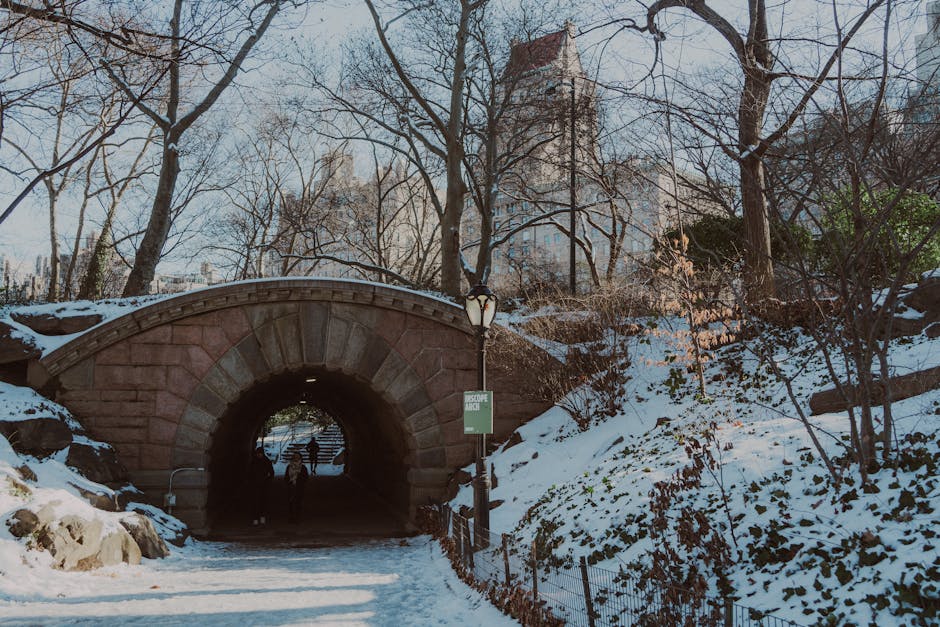
- Winter (December–March): The park transforms into a snowy wonderland. Ice skating at Wollman Rink is a classic activity, though it can get busy during holidays.
Daily Timing Tips
- Early morning (6:00–8:00 a.m.): Ideal for joggers, dog walkers, and photographers. The light is soft, and the park feels peaceful.
- Midday (11:00 a.m.–3:00 p.m.): Busiest time, especially near major attractions. Bring water and sunscreen.
- Late afternoon (4:00–6:00 p.m.): Golden hour lighting makes this a great time for photos. Crowds begin to thin.
- Evening (after 7:00 p.m.): Quieter, but some areas may feel less safe after dark. Stick to well-lit paths.
How to Get to Central Park
Central Park is bordered by 59th Street to the south, 110th Street to the north, Fifth Avenue to the east, and Central Park West (Eighth Avenue) to the west. It’s easily accessible by public transit, bike, or foot.
By Subway
Multiple subway lines serve the park’s perimeter. The most convenient stops include:
- 59th Street–Columbus Circle (A, B, C, D, 1 trains): Access to the southwest corner, near the Mall and Bethesda Terrace.
- 72nd Street (B, C trains): Close to Bethesda Terrace, Strawberry Fields, and the Lake.
- 81st Street (B, C trains): Near the American Museum of Natural History and the Great Lawn.
- 96th Street (1, 2, 3 trains): Northern access, useful for entering near Harlem Meer.
By Bus
The M10, M7, M11, M104, and M106 buses run along the park’s borders, dropping off at major cross streets. The M10 runs along Central Park West, while the M7 and M104 serve the east side.
By Bike or Foot
Citi Bike stations are located around the park, and the park has dedicated bike lanes on its outer paths. Exploring Central Park attractions and activities reveals important insights. Walking from Midtown Manhattan takes about 15–20 minutes, depending on your starting point.
Where to Eat and Drink in and Near Central Park
While you can bring your own food, several on-site and nearby options offer convenient dining.
Inside the Park
- Loeb Boathouse: Located on the Lake, this upscale spot offers indoor and outdoor dining with views of the water. Reservations recommended.
- Tavern on the Green: A historic restaurant near the southwest corner, reopened in 2014. Known for its garden setting and seasonal menu.
- Shake Shack (near 79th Street): A quick-service option for burgers, fries, and shakes. Popular with families.
- Le Pain Quotidien (multiple locations): Offers pastries, sandwiches, and coffee. Great for a light breakfast or snack.
Near the Park
- The Plaza Food Hall (off Fifth Avenue): Located beneath The Plaza Hotel, it features diverse food stalls, from ramen to gelato.
- Jacob’s Pickles (Upper West Side): Known for hearty Southern-style dishes and craft beer, just a short walk from the park.
- Café Sabarsky (Upper East Side): Austrian café with pastries and coffee, located in the Neue Galerie museum.
Activities and Experiences
Central Park offers more than sightseeing—it’s a hub for recreation and culture.
Boating and Rowing
Rowboats are available for rent at the Loeb Boathouse from April through November. Each boat holds up to four people and costs $20 for the first hour, $10 for each additional hour. Paddle around the Lake and pass under Bow Bridge for a unique perspective.
Ice Skating
During winter, Wollman Rink (near 81st Street) and Lasker Rink (near 110th Street) offer seasonal skating. Rentals are available, and lockers are provided. Sessions last about 90 minutes and cost around $15–$20, not including skate rental.
Horse-Drawn Carriage Rides
Available year-round near the south entrance, these romantic rides cost about $50 for 20 minutes. While charming, some animal welfare advocates discourage this activity due to concerns about horse treatment.
Guided Tours
Free walking tours are offered by the Central Park Conservancy on weekends. Themed tours cover topics like architecture, wildlife, and film locations. Private tours are also available for a more personalized experience.
Fitness and Sports
The park has running paths, tennis courts, baseball fields, and soccer pitches. The Reservoir track is a favorite among runners—3.3 miles around with great skyline views. Bring your own equipment or rent from nearby shops.
Hidden Gems and Lesser-Known Spots
Beyond the famous landmarks, Central Park has quiet corners worth exploring.
The Ramble
A 38-acre woodland area between 73rd and 79th Streets, the Ramble is a birdwatcher’s paradise. Narrow paths wind through dense foliage, and the area feels miles away from the city. Look for the rustic bridge and the Azalea Pond.
Conservatory Garden
Tucked away on the east side near 105th Street, this six-acre formal garden is divided into three sections: Italian, French, and English. It’s free, serene, and rarely crowded. Open daily from 8:00 a.m. to dusk.
Hallett Nature Sanctuary
Once closed to the public, this 4-acre fenced-off area reopened in 2016 with guided tours. It’s a protected habitat for native plants and birds. Access is limited to small group tours offered by the Central Park Conservancy.
Gapstow Bridge
Located in the southeast corner near 60th Street, this small stone bridge is often overlooked. It offers a charming view of the Pond and is a great spot for quiet reflection.
Safety and Etiquette Tips
Central Park is generally safe during daylight hours, but it’s wise to stay aware of your surroundings.
Safety Guidelines
- Avoid walking alone in isolated areas after dark.
- Stick to paved paths and well-lit areas in the evening.
- Keep valuables out of sight and use cross-body bags.
- Report suspicious activity to park rangers or call 911.
Park Etiquette
- Dispose of trash in designated bins or carry it out.
- Keep dogs on leashes and clean up after them.
- Respect quiet zones, especially near residential areas.
- Do not climb on statues or restricted structures.
Central Park by the Numbers
| Feature | Detail |
|---|---|
| Size | 843 acres (1.3 square miles) |
| Opened | 1858 |
| Annual Visitors | Over 42 million |
| Walking Paths | 58 miles |
| Playgrounds | 21 |
| Water Bodies | 7 (including the Lake, Pond, and Reservoir) |
| Trees | Over 20,000 |
Planning Your Visit: A Step-by-Step Checklist
To make the most of your trip, follow this simple plan:
- Choose your entry point: Decide which area you want to explore first based on your interests (e.g., south for attractions, north for nature).
- Check the weather: Dress in layers and bring rain gear if needed. Avoid visiting during extreme heat or storms.
- Download a map: Use the official Central Park Conservancy app or print a map to navigate easily.
- Pack essentials: Water, snacks, sunscreen, portable charger, and a small first-aid kit.
- Plan your route: Prioritize 3–5 key spots to avoid feeling rushed.
- Allow extra time: The park is large—walking from one end to the other takes over an hour.
- Respect the park: Follow rules, stay on paths, and leave no trace.
Final Thoughts
Central Park is more than a tourist destination—it’s a living, breathing part of

