
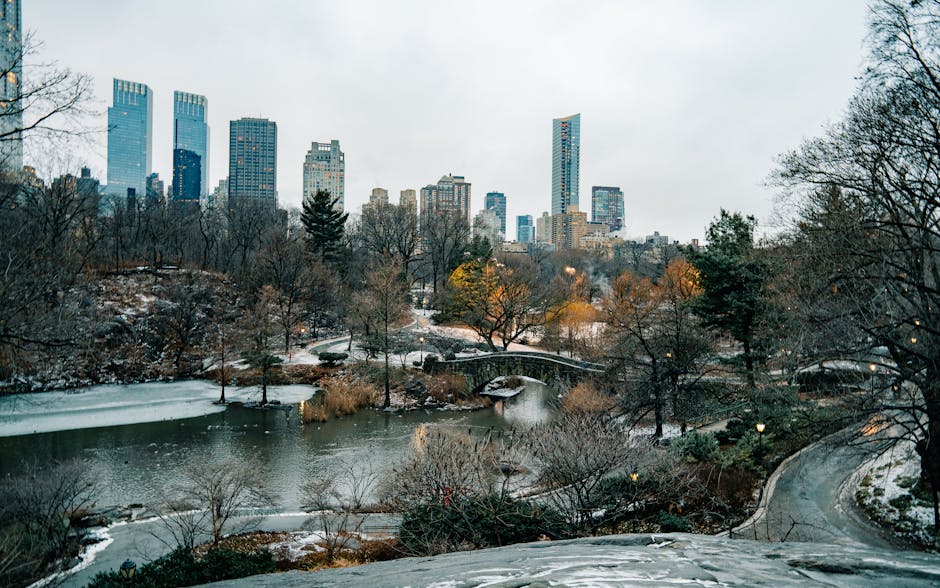
Central Park Travel Guide New York: Everything You Need to Know
Central Park is one of New York City’s most iconic destinations, drawing over 42 million visitors annually. Exploring Central Park New York visit reveals important insights. Spanning 843 acres in the heart of Manhattan, this urban oasis offers green spaces, lakes, playgrounds, cultural landmarks, and year-round activities. Whether you’re planning a morning jog, a family picnic, or a scenic stroll, this Central Park travel guide will help you navigate the park efficiently, avoid crowds, and make the most of your visit. From must-see attractions to hidden gems, we cover practical tips, transportation options, seasonal highlights, and safety advice to ensure a smooth and enjoyable experience.
Why Visit Central Park?
Central Park isn’t just a park—it’s a vital part of New York’s identity. Designed by Frederick Law Olmsted and Calvert Vaux in 1858, it was the first landscaped public park in the U.S. and remains a model for urban green spaces worldwide. Unlike typical city parks, Central Park features rolling meadows, wooded areas, water bodies, and architectural landmarks, all within a compact area easily accessible from multiple subway lines.
It serves as a retreat from the city’s fast pace, offering recreational opportunities for all ages. You can row a boat on the lake, attend a free Shakespeare performance at the Delacorte Theater, or simply relax on the Great Lawn. The park also hosts seasonal events like ice skating in winter and outdoor movie nights in summer, making it a year-round destination.
Top Attractions in Central Park
With so much to see, it’s helpful to prioritize based on your interests. Below are the most popular and worthwhile stops:
- Bethesda Terrace and Fountain: A central hub with stunning architecture, live music, and views of the lake. The Angel of the Waters fountain is a photo favorite.
- The Mall and Literary Walk: A tree-lined promenade featuring statues of famous authors like Shakespeare and Robert Burns. Ideal for a peaceful walk.
- Strawberry Fields: A memorial to John Lennon, located near the Dakota Building. The iconic “Imagine” mosaic draws fans from around the world.
- Central Park Zoo: Home to penguins, snow leopards, and a 4D theater. Great for families with young children.
- Belvedere Castle: Offers panoramic views from its tower and serves as a weather station. Free to enter, but tower access may be limited.
- The Great Lawn: A vast open space perfect for picnics, sunbathing, or watching concerts. Reopened in 1999 after extensive restoration.
- Bow Bridge: One of the most photographed bridges in the park, made of cast iron and spanning the Lake. Especially beautiful at sunrise or sunset.
How to Get to Central Park
Central Park is bordered by Fifth Avenue to the east and Central Park West (Eighth Avenue) to the west, stretching from 59th Street to 110th Street. Its central location makes it easily accessible by public transit, bike, or foot.
The subway is the most efficient way to reach the park. Key stations include:
- 59th Street–Columbus Circle (A, B, C, D, 1 trains): Near the southwest corner, close to the American Museum of Natural History.
- 72nd Street (B, C trains): Central location near the zoo and Bethesda Terrace.
- 81st Street (B, C trains): Access to the Museum of Natural History and the western edge of the park.
- 86th Street (4, 5, 6 trains): East side entrance, near the Conservatory Garden.
- 96th Street (1, 2, 3, 4, 5, 6 trains): Northern access, useful for entering near the Great Hill or North Woods.
Driving is not recommended due to limited parking and heavy traffic. If you must drive, use paid lots near the park’s perimeter or consider park-and-ride options outside Manhattan. Citi Bike stations are available around the park, and walking from nearby neighborhoods like the Upper West Side or Midtown is often faster than driving.
Best Times to Visit Central Park
Timing your visit can significantly impact your experience. Weekday mornings (7–10 a.m.) are generally the quietest, ideal for jogging, photography, or a peaceful walk. Late afternoons and weekends bring larger crowds, especially around major attractions.
Seasonally, spring (April–June) and fall (September–October) offer mild weather and vibrant foliage. Cherry blossoms bloom in April near the Conservatory Water, while autumn colors peak in late October. Summer is lively but hot and crowded; early mornings or evenings are best. Winter transforms the park into a snowy wonderland, with ice skating at Wollman Rink and the Rockefeller Center tree nearby.
Avoid major holidays like Independence Day or Labor Day if you prefer fewer people. The park also hosts events like the New York City Marathon (November), which closes parts of the loop road.
Central Park Walking Routes and Tours
Whether you have an hour or a full day, there’s a route for you. Here are three recommended itineraries:
1. Classic Highlights Tour (2–3 hours)
Start at the southeast corner (59th & 5th Ave), enter at Grand Army Plaza, and walk north along The Mall. Stop at Bethesda Terrace, cross Bow Bridge, visit the Loeb Boathouse, then head to Strawberry Fields. Continue to the Dakota Building, then loop back via the West Drive. This route covers the most famous spots with minimal backtracking.
2. Family-Friendly Loop (1.5–2 hours)
Begin at the Central Park Zoo (64th & 5th Ave). Explore the zoo, then walk to the Children’s District, which includes the Heckscher Playground and the Victorian-style carousel. From there, stroll to the Great Lawn for a snack or game, then exit near 79th Street. Ideal for families with strollers.
3. Nature and Solitude Path (2 hours)
Enter at 102nd Street and Central Park West. Walk through the North Woods, visit the Ravine and Hallett Nature Sanctuary (a fenced-off area preserving native wildlife), then climb to the Great Hill for quiet benches and skyline views. Exit near 96th Street. Best for those seeking peace away from crowds.
Guided tours are available through the Central Park Conservancy, offering historical insights and access to restricted areas. Exploring Central Park New York visit reveals important insights. Audio tours and mobile apps like “Central Park Official Guide” provide self-guided options with maps and commentary.
Dining and Refreshments in Central Park
While the park encourages picnics, there are several on-site dining options:
- Loeb Boathouse: Upscale restaurant with lakeside views. Offers brunch, dinner, and a seasonal outdoor café. Reservations recommended.
- Tavern on the Green: Iconic restaurant near the West 67th Street entrance. Recently reopened after renovation, serving American cuisine in a historic setting.
- Shake Shack (near Columbus Circle): Popular for burgers and shakes. Long lines during peak hours.
- Wollman Rink Café (winter): Serves hot drinks and light snacks during ice skating season.
For a more casual experience, bring your own food. Picnic areas include the Great Lawn, Sheep Meadow (south of 66th Street), and the North Meadow. Grills are available on a first-come, first-served basis—check the park’s website for availability and rules.
Water fountains are located throughout the park, but bring a reusable bottle. Vendors sell snacks and drinks near major entrances, but prices are higher than outside the park.
Activities and Recreation
Central Park supports a wide range of activities:
- Boating: Rent rowboats at the Loeb Boathouse ($20 for 30 minutes). Pedal boats are also available. No swimming allowed in the Lake or Reservoir.
- Cycling: The 6.1-mile loop road is open to bikes daily from 7 a.m. to 10 a.m. (except Sundays, when it’s car-free all day). Helmets recommended.
- Running and Jogging: The loop is popular with runners. The Reservoir track (1.58 miles) is paved and well-maintained.
- Fitness: Outdoor fitness stations are located near the Great Hill and elsewhere. Free yoga classes are often held in summer.
- Sports: Tennis courts, baseball fields, and soccer pitches are available by permit. Check the NYC Parks website for reservations.
- Horseback Riding: Available through the Claremont Riding Academy, located just outside the park’s west side.
Safety and Etiquette Tips
Central Park is generally safe during daylight hours, but standard urban precautions apply:
- Stay on marked paths, especially at night.
- Avoid isolated areas like the North Woods after dark.
- Keep valuables out of sight and use lockers at attractions when available.
- Do not feed wildlife, including squirrels and birds.
- Follow park rules: no alcohol, no drones, no amplified music without a permit.
- Leash your dog at all times; designated off-leash hours are 6–9 a.m. and 9 p.m.–1 a.m.
In emergencies, call 911 or use one of the park’s emergency call boxes, marked with blue lights. The Central Park Precinct (212-360-2584) patrols the area regularly.
Nearby Attractions and Extended Itineraries
Central Park is surrounded by world-class destinations. Consider combining your visit with:
- The Metropolitan Museum of Art: Located on the east side at 82nd Street. One of the world’s largest art museums.
- American Museum of Natural History: On the west side at 79th Street. Features dinosaur fossils, a planetarium, and the Hayden Sphere.
- Rockefeller Center and Top of the Rock: A 15-minute walk south. Offers panoramic city views.
- Times Square: 20 minutes by subway. Best visited at night for the full neon experience.
- The Museum of Modern Art (MoMA): 15-minute walk south of the park. Home to Van Gogh’s “Starry Night” and modern masterpieces.
For a full-day itinerary, start at the Met, walk through the park to the American Museum of Natural History, grab lunch at Tavern on the Green, and end with a sunset view from Bow Bridge.
Central Park Travel Guide: Seasonal Highlights
| Season | Highlights | Tips |
|---|---|---|
| Spring | Cherry blossoms, tulip displays, Shakespeare in the Park begins | Visit in April for peak blooms; book theater tickets early |
| Summer | Outdoor concerts, movie nights, boating, swimming at nearby beaches | Arrive early for free events; stay hydrated |
| Fall | Fall foliage, marathon, Halloween events | Mid-October is peak color; expect crowds |
| Winter | Ice skating, holiday markets, snow-covered landscapes | Dress warmly; check rink hours in advance |
Accessibility and Visitor Services
Central Park is largely accessible, with paved paths, wheelchair-friendly restrooms, and accessible entrances. The Central Park Conservancy provides free wheelchairs on a first-come basis at the Arsenal Visitor Center (5th Ave & 64th St). Audio guides and large-print maps are available for visitors with visual impairments.
Visitor centers offer maps, restrooms, and information:
- The Arsenal: Main visitor center with exhibits and services.
- Dairy Visitor Center: Near 65th Street and 5th Avenue. Family-friendly with restrooms and a gift shop.
- Charles A. Dana Discovery Center: Located in Harlem Meer (northeast corner). Features interactive exhibits and programs.
Final Tips for Your Visit
- Download the official Central Park app for real-time maps and event updates.
- Wear comfortable shoes—paths can be uneven.
- Check the park’s event calendar before visiting to avoid closures.
- Bring a portable charger; outlets are limited.
- Respect the park’s natural beauty—pack out what you pack in.
FAQ
Is Central Park safe to visit at night?
Central Park is generally safe during the day, but most of the park closes at 1 a.m. Some areas, like the Reservoir track, remain open 24/7 but should be used with caution after dark. Stick to well-lit, populated paths and avoid isolated sections.
Can you bring alcohol to Central Park?
No, alcohol is prohibited in Central Park without a permit. Violations can result in fines. Designated areas like Tavern on the Green serve alcohol with meals.
Are there free activities in Central Park?
Yes, many activities are free, including walking, picnicking, visiting Bethesda Terrace, and attending public performances. Some events like Shakespeare in the Park are free but require advance tickets.
Central Park is more than just a green space—it’s a dynamic, ever-changing part of New York City life. With this Central Park travel guide, you’re equipped to explore its beauty, history, and recreation opportunities with confidence. Plan ahead, stay aware, and enjoy one of the world’s greatest urban parks.

