
Blue Mosque Visit Guide Istanbul: Everything You Need to Know
Blue Mosque Visit Guide Istanbul: Everything You Need to Know
If you’re planning a trip to Istanbul, the Blue Mosque—officially known as the Sultan Ahmed Mosque—is a must-see. This iconic 17th-century mosque draws millions of visitors each year with its striking blue-tiled interior, six soaring minarets, and central dome that dominates the city’s skyline. Located in the heart of Sultanahmet, just steps from the Hagia Sophia and Topkapi Palace, it’s both a working place of worship and a major tourist attraction. This guide covers everything you need to know before visiting: opening hours, dress code, what to expect inside, photography tips, and how to avoid common mistakes. Whether you’re visiting for spiritual reflection, architectural admiration, or cultural exploration, this guide ensures you’ll have a respectful and rewarding experience.
Why Visit the Blue Mosque?
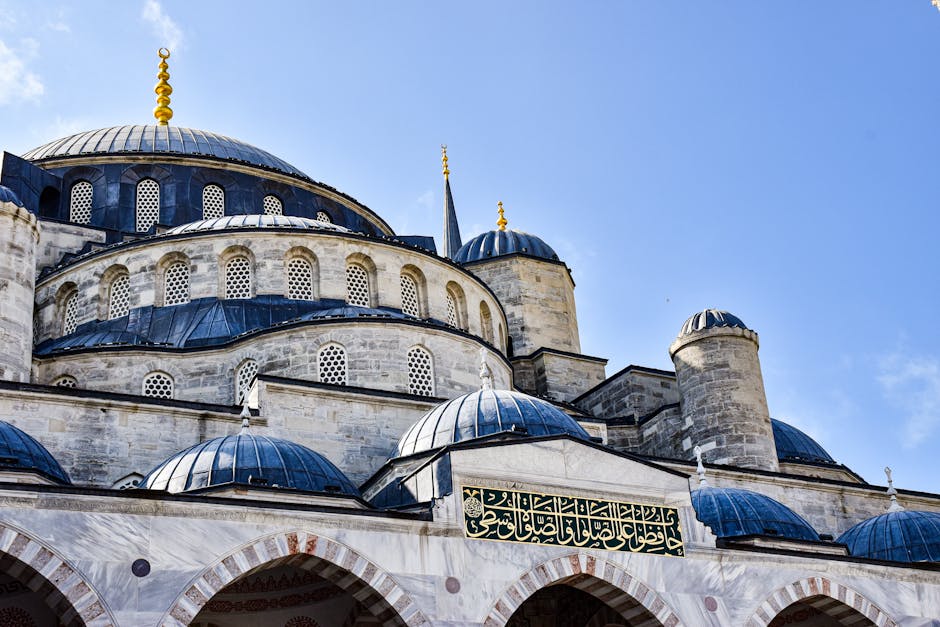
The Blue Mosque is more than just a religious site—it’s a masterpiece of Ottoman architecture and a symbol of Istanbul’s rich history. Built between 1609 and 1616 during the reign of Sultan Ahmed I, it was designed to rival the grandeur of the Hagia Sophia, which stands directly across the square. The mosque’s interior is famous for its hand-painted blue tiles, which give the space its nickname. Over 20,000 of these tiles, crafted in Iznik, line the walls and dome, creating a serene, sky-like atmosphere.
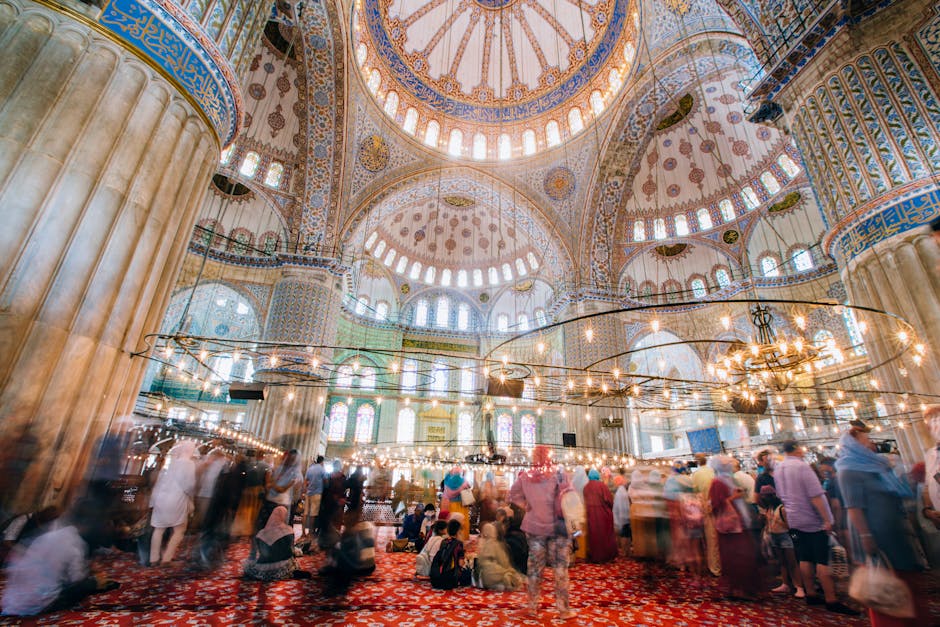
Visitors are struck not only by the artistry but also by the scale. The central dome rises 43 meters (141 feet) high, supported by four massive pillars. Natural light filters through 260 stained glass windows, illuminating the intricate calligraphy and floral patterns. Unlike many historical sites, the Blue Mosque remains an active mosque, meaning prayers are held five times a day and the space is used by the local Muslim community. This blend of living tradition and historical significance makes it unique among Istanbul’s landmarks.
Architectural Highlights
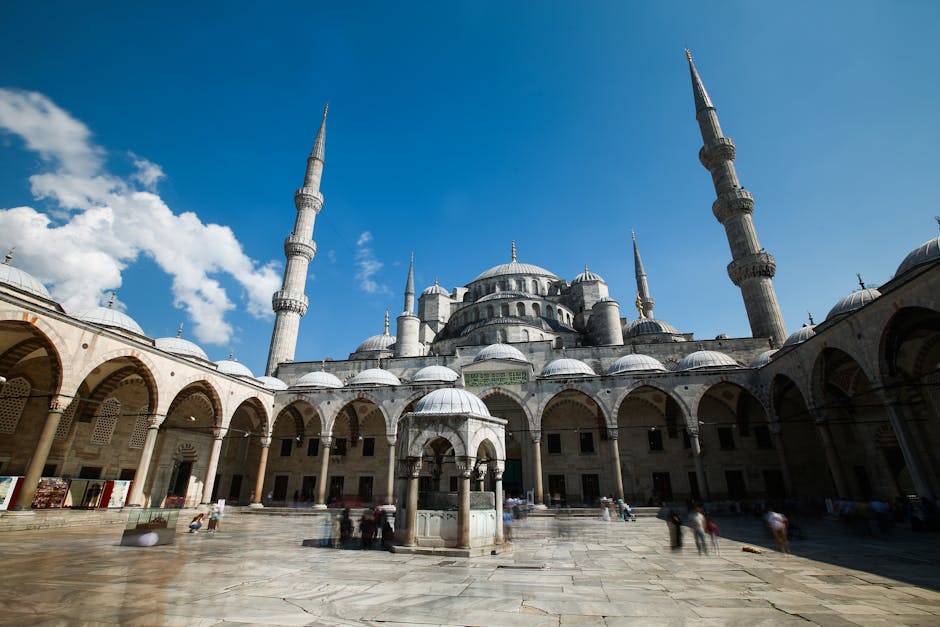
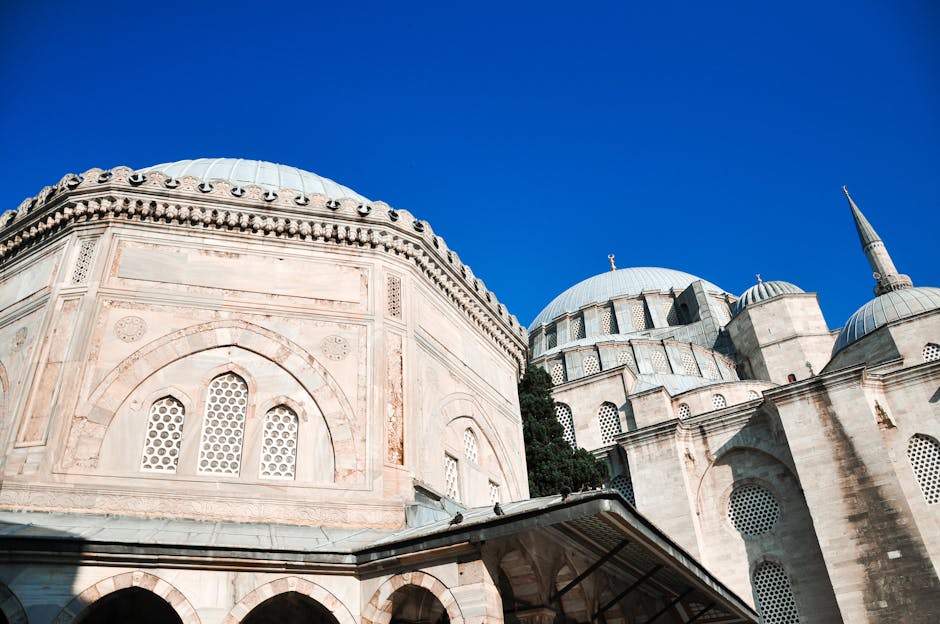
The mosque’s design reflects classical Ottoman architecture, with a large central dome surrounded by four semi-domes and eight smaller domes. The exterior features six minarets—a rare feature at the time of construction, which reportedly caused controversy because Mecca’s Grand Mosque also had six. To resolve this, a seventh minaret was added in Mecca, allowing the Blue Mosque to retain its original design.
Inside, the use of light and space creates a sense of calm. The mihrab (prayer niche) and minbar (pulpit) are made of finely carved marble, while the walls are adorned with verses from the Quran in Arabic calligraphy. The floor is covered in a vast red carpet, replaced regularly to maintain cleanliness and comfort for worshippers. Every detail, from the geometric tilework to the hanging lanterns, reflects the artisans’ skill and the sultan’s vision.
When to Visit the Blue Mosque
Timing your visit can make a big difference in your experience. The mosque is open to tourists every day, but access is limited during prayer times. The best time to visit is early in the morning, right after the first prayer, or in the late afternoon, before the final prayer. These windows offer fewer crowds and better lighting for photography.
Avoid visiting during Friday noon prayers (Jumu’ah), when the mosque is closed to tourists for about two hours. Also, note that the mosque may close temporarily during religious holidays like Ramadan or Eid. Check local prayer times before you go—these vary slightly each day and are available on mosque websites or mobile apps.
Opening Hours and Prayer Times
The Blue Mosque is generally open to visitors from 8:30 AM to 6:30 PM, with closures of about 90 minutes before each of the five daily prayers. Exact times depend on sunrise and sunset, so they shift throughout the year. For example, in summer, the first closure might be around 9:00 AM, while in winter it could be as late as 10:30 AM.
To avoid disappointment, arrive at least 30 minutes before the scheduled closure. Staff will begin guiding tourists out, and entry is not permitted once prayers begin. If you’re unsure, ask at the entrance or consult the mosque’s official website for real-time updates.
How to Get to the Blue Mosque
The Blue Mosque is located in the Sultanahmet district, Istanbul’s historic core. It’s easily accessible by public transportation. The nearest tram stop is Sultanahmet, served by the T1 line, which connects major attractions like the Grand Bazaar, Basilica Cistern, and Galata Bridge. From the airport, take the Havaist shuttle or metro to Aksaray, then transfer to the tram.
If you’re staying in the Old City, walking is often the best option. The mosque is just a 10-minute stroll from the Hagia Sophia and a 15-minute walk from the Topkapi Palace. Taxis and ride-sharing apps like BiTaksi are also convenient, but traffic in Sultanahmet can be heavy, especially during peak tourist season.
Parking and Accessibility
Parking near the mosque is limited and often expensive. Most visitors rely on public transit or walk. The area is pedestrian-friendly, with wide sidewalks and clear signage. However, the mosque itself has steps at the entrance and no elevators, so it may not be fully accessible for visitors with mobility challenges. Wheelchair users can enter through a side ramp, but assistance may be needed.
Audio guides and brochures are available in multiple languages at the entrance. Free Wi-Fi is provided, and there are restrooms and a small gift shop nearby. Note that bags may be subject to security checks, so travel light to speed up entry.
Dress Code and Visitor Etiquette
As a place of worship, the Blue Mosque requires all visitors to dress modestly. This applies to both men and women, regardless of religion. Shoulders and knees must be covered. Women must also cover their heads with a scarf, which is provided at the entrance if needed. Men should avoid sleeveless shirts and shorts.
Shoes must be removed before entering the prayer hall. Slippers are available for rent or purchase near the entrance, or you can bring your own. Socks are recommended, especially in winter when the marble floors can be cold. Leave your shoes in the designated racks—don’t carry them in your hands.
Behavior Inside the Mosque
Respectful behavior is essential. Speak quietly, avoid loud conversations, and refrain from using your phone except for photography. Do not touch religious items like the mihrab or prayer mats. Photography is allowed, but avoid using flash or tripods, and never photograph people praying.
Tourists should stay in the designated visitor areas, usually marked by ropes or signs. Do not walk in front of people praying. If you’re unsure where to go, follow the flow of other visitors or ask a staff member. Remember, this is not just a museum—it’s a sacred space for many.
What to See and Do Inside
Once inside, take time to absorb the atmosphere. Start by looking up at the central dome, where the largest of the blue tiles are displayed. The calligraphy panels feature names of Allah, the Prophet Muhammad, and the first four caliphs, written in elegant thuluth script. The mihrab is aligned with Mecca, guiding worshippers in prayer direction.
Walk around the perimeter to see the stained glass windows up close. Each window is unique, with geometric and floral designs that cast colorful patterns on the floor. The courtyard, open to the sky, features a central fountain used for ritual ablutions. It’s a peaceful spot to sit and reflect, away from the main hall.
Photography Tips
The Blue Mosque is a photographer’s dream, but capturing its beauty requires planning. Early morning light is ideal—soft and golden, it highlights the tiles without harsh shadows. Avoid midday, when the sun is directly overhead and creates glare.
Use a wide-angle lens to capture the full dome and interior space. For close-ups of tiles or calligraphy, a macro lens works well. Respect other visitors—don’t block walkways or use selfie sticks. Drones are strictly prohibited. If you’re using a smartphone, enable HDR mode for better color balance.
Nearby Attractions and Combined Visits
The Blue Mosque is part of a cluster of historic sites, making it easy to plan a full day in Sultanahmet. Just across the square is the Hagia Sophia, another architectural marvel with a rich history as a church, mosque, and now a museum. Visit both in the same morning, starting with the Hagia Sophia when it opens at 9:00 AM.
A short walk away is the Topkapi Palace, once home to Ottoman sultans. Allow 2–3 hours to explore its courtyards, harem, and treasury. The Basilica Cistern, an underground water reservoir with Medusa-head columns, is also nearby. For a break, stop at a traditional Turkish tea house or café with views of the mosque.
Recommended Itinerary
Start your day at 8:30 AM with the Blue Mosque. Spend 45–60 minutes inside, then walk to the Hagia Sophia (opens at 9:00 AM). After that, head to Topkapi Palace (opens at 9:00 AM) and finish with lunch at a rooftop restaurant. In the afternoon, visit the Basilica Cistern or explore the Grand Bazaar, a 15-minute walk away.
This route minimizes backtracking and maximizes your time. Wear comfortable shoes—you’ll be walking on cobblestones and uneven surfaces. Bring water, sunscreen, and a light jacket, especially in spring and fall when weather can change quickly.
Costs and What’s Included
The best part? Visiting the Blue Mosque is completely free. There’s no admission fee, and donations are not required. This makes it accessible to all visitors, regardless of budget. Audio guides are available for a small fee (around 10–15 TL), but many find the free information boards sufficient.
Optional extras include guided tours, which can provide deeper historical context. These typically cost 50–100 TL per person and last 60–90 minutes. Book in advance during peak season (June–August) to secure a spot. Self-guided tours using apps like Rick Steves or Google Arts & Culture are also excellent alternatives.
What’s Not Included
While entry is free, some services come at a cost. Shoe storage is free, but renting slippers costs around 5 TL. Photography permits are not required for personal use, but commercial shoots need prior approval. Guided tours and audio guides are paid add-ons. Also, note that the mosque does not offer storage for large bags or strollers.
Common Mistakes to Avoid
Many first-time visitors make avoidable errors. One of the most common is arriving during prayer times and being turned away. Always check the prayer schedule before you go. Another mistake is inappropriate dress—don’t assume casual clothes are fine. Even in summer, cover your shoulders and knees.
Avoid touching or leaning on the walls, as the tiles are delicate and centuries old. Don’t bring food or drinks inside—water bottles are allowed, but no eating. And never walk on the prayer mats, even if they appear empty. These are reserved for worshippers.
Tips for a Smooth Visit
Arrive early to beat the crowds. Bring a scarf and long pants or a skirt, even if it’s hot. Use the restrooms before entering—there are no facilities inside the prayer hall. Keep your voice low and your phone on silent. If you’re traveling with children, explain the rules beforehand to ensure they behave respectfully.
Finally, be patient. Security checks and crowd control can slow entry. Staff are usually helpful and multilingual. If you have questions, don’t hesitate to ask.
Comparison: Blue Mosque vs. Hagia Sophia
| Feature | Blue Mosque (Sultan Ahmed Mosque) | Hagia Sophia |
|---|---|---|
| Year Built | 1616 | 537 |
| Architectural Style | Ottoman | Byzantine |
| Primary Use | Active mosque | Museum (formerly church and mosque) |
| Admission Fee | Free | 750 TL (as of 2024) |
| Famous Feature | Blue Iznik tiles | Mosaics and massive dome |
| Photography | Allowed (no flash) | Allowed (no flash or tripods) |
Final Tips for a Memorable Visit
To make the most of your Blue Mosque visit, plan ahead and stay flexible. Check the weather—rain can make the courtyard slippery. Bring a small backpack with essentials: water, tissues, hand sanitizer, and a portable charger. Download offline maps, as GPS can be unreliable in narrow streets.
Respect is key. Whether you’re religious or not, approach the mosque with humility and curiosity. Take a moment to sit quietly, observe the light on the tiles, or watch locals at prayer. These quiet moments often become the most memorable parts of the visit.
After your visit, consider supporting local businesses. Buy a tile replica, drink Turkish coffee at a nearby café, or shop for spices at the Egyptian Bazaar. Your spending helps preserve Istanbul’s cultural heritage.
FAQ
Is the Blue Mosque free to enter?
Yes, entry to the Blue Mosque is completely free. There is no admission fee, though optional services like audio guides or slippers may have a small cost.
Can I take photos inside the Blue Mosque?
Yes, photography is allowed for personal use. However, flash, tripods, and commercial shoots are prohibited. Avoid photographing people while they are praying.
Do I need to cover my head to enter?
Yes, women must cover their heads with a scarf. Scarves are provided at the entrance if you don’t have one. Men do not need to cover their heads but must dress modestly.
