
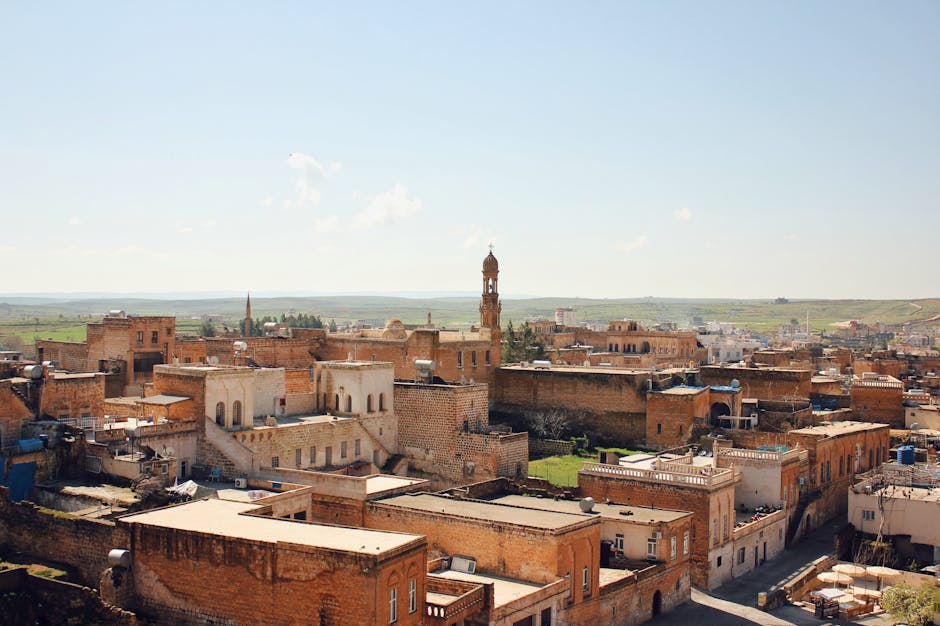
Best Travel Destinations in Middle East Guide
The Middle East offers a compelling mix of ancient history, modern luxury, desert landscapes, and coastal beauty—making it one of the world’s most diverse travel regions. Whether you’re drawn to the towering minarets of Istanbul, the futuristic skyline of Dubai, or the archaeological wonders of Jordan, this guide highlights the best travel destinations in Middle East for every type of traveler. From bustling cities to serene oases, these locations deliver authentic cultural experiences, world-class hospitality, and unforgettable adventures—all within a compact geographic area that allows for efficient multi-country trips.

Why Visit the Middle East?
The Middle East stands out as a region where tradition and innovation coexist seamlessly. Ancient ruins sit beside cutting-edge architecture, and centuries-old souks thrive just blocks from high-end shopping malls. Travelers can explore UNESCO World Heritage Sites, unwind on pristine beaches, or trek through dramatic deserts—all while enjoying some of the world’s most welcoming hospitality. With improving infrastructure, increased flight connectivity, and growing tourism initiatives across the region, now is an ideal time to visit.
Safety has improved significantly in many countries, and visa policies have become more traveler-friendly. The United Arab Emirates, Jordan, Oman, and Israel now offer visa-on-arrival or e-visa options for citizens of dozens of countries. While political tensions exist in parts of the region, popular tourist destinations remain stable and secure for visitors who stay informed and follow local guidelines.
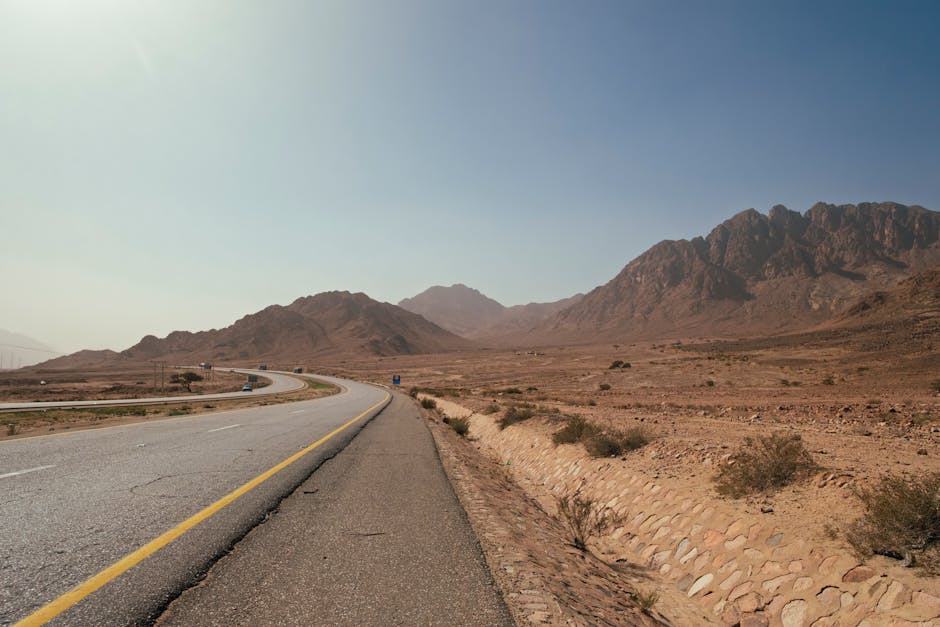
Top 7 Best Travel Destinations in Middle East
1. Dubai, United Arab Emirates
Dubai is synonymous with luxury, innovation, and spectacle. Home to the world’s tallest building, the Burj Khalifa, and the massive Dubai Mall, the city blends opulence with cultural depth. Beyond the glitz, you’ll find traditional neighborhoods like Al Fahidi Historical District, where wind-tower architecture and art galleries offer a glimpse into pre-oil life.
Adventure seekers can book a desert safari with dune bashing, camel rides, and Bedouin-style dinners under the stars. For families, attractions like IMG Worlds of Adventure and Aquaventure Waterpark provide full-day entertainment. Don’t miss the Dubai Frame, a striking architectural landmark that connects old and new Dubai with panoramic views.
Best time to visit: November to March, when temperatures are mild and outdoor activities are comfortable.
2. Petra, Jordan
Petra, the “Rose City” carved into red sandstone cliffs, is one of the New Seven Wonders of the World and a must-see for history and archaeology enthusiasts. The iconic Treasury (Al-Khazneh) appears dramatically at the end of a narrow canyon called the Siq. Beyond the Treasury, the site spans over 264 square kilometers and includes tombs, temples, and a Roman-style theater.
For a deeper experience, hike to the Monastery (Ad Deir), a less-crowded but equally impressive structure perched high on a mountain. Consider staying overnight in nearby Wadi Musa and joining a night tour to see the Treasury illuminated by candlelight—a magical and intimate experience.
Tip: Wear comfortable walking shoes and carry water—exploring Petra involves significant walking on uneven terrain.
3. Istanbul, Turkey
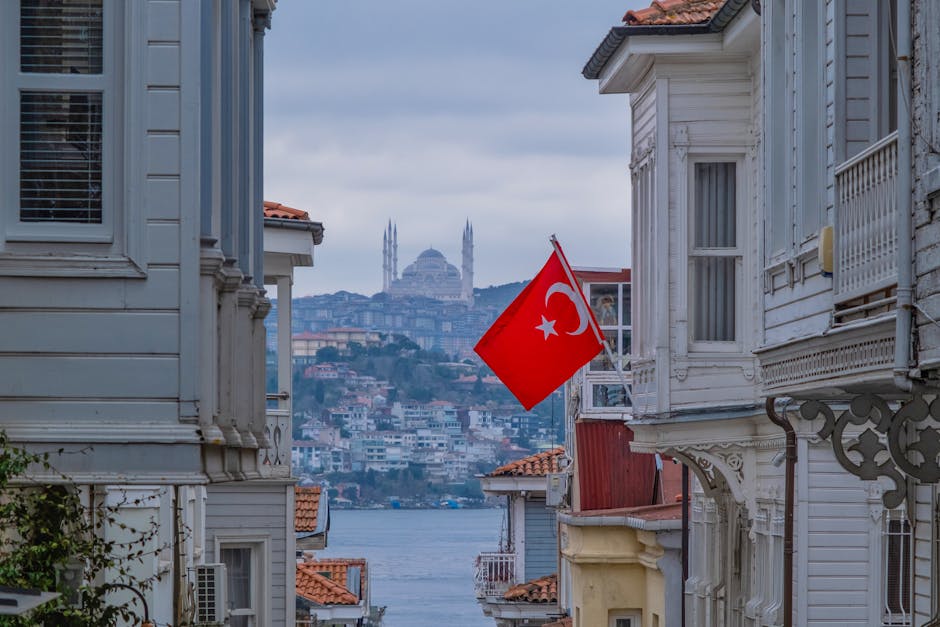
Straddling Europe and Asia, Istanbul is a city of contrasts where Byzantine, Ottoman, and modern influences converge. The Hagia Sophia, once a church, then a mosque, and now a museum, stands as a symbol of the city’s layered history. Nearby, the Blue Mosque and Topkapi Palace offer further insight into imperial grandeur.
Take a sunset cruise along the Bosphorus to see the city from the water, with views of palaces, fortresses, and waterfront mansions. Explore the Grand Bazaar, one of the world’s oldest covered markets, where you can shop for spices, textiles, and handmade ceramics. For a local experience, sip Turkish coffee in a traditional kahvehane or enjoy meze at a rooftop restaurant in Beyoğlu.
Note: Dress modestly when visiting religious sites, and remove shoes before entering mosques.
4. Muscat, Oman
Muscat, the capital of Oman, offers a more understated and authentic Middle Eastern experience compared to its flashier Gulf neighbors. The city is known for its clean streets, coral-colored Sultan Qaboos Grand Mosque, and the historic Muttrah Souq, where the scent of frankincense fills the air.
Nature lovers will appreciate the nearby Al Jalali and Al Mirani forts, the turquoise waters of Qurum Beach, and day trips to Wadi Shab, a lush canyon with freshwater pools and hidden caves. Oman’s commitment to preserving its culture and environment makes it a standout destination for sustainable travel.
Best for: Travelers seeking tranquility, cultural immersion, and natural beauty without the crowds.
5. Jerusalem, Israel
Jerusalem is one of the world’s most spiritually significant cities, sacred to Judaism, Christianity, and Islam. The Old City is divided into four quarters—Jewish, Christian, Muslim, and Armenian—each with its own distinct character and landmarks.
Visit the Western Wall, the Church of the Holy Sepulchre, and the Dome of the Rock, all within walking distance. The Tower of David Museum provides an excellent overview of the city’s 5,000-year history. Outside the Old City, modern Jerusalem offers vibrant cafes, art galleries, and the Israel Museum, home to the Dead Sea Scrolls.
Travel tip: Friday afternoons and Saturdays (Shabbat) may limit services in Jewish areas; plan accordingly.
6. Abu Dhabi, United Arab Emirates
While Dubai grabs the headlines, Abu Dhabi offers a more refined and culturally rich experience. The city is home to the stunning Sheikh Zayed Grand Mosque, one of the world’s largest mosques, with 82 domes and over 1,000 columns. The Louvre Abu Dhabi, located on Saadiyat Island, blends art and architecture in a striking dome structure that filters light like a sun canopy.
For adventure, visit Ferrari World or take a speedboat tour around the Corniche. The desert island of Sir Bani Yas offers wildlife safaris with giraffes, cheetahs, and Arabian oryx in a protected reserve. Abu Dhabi also hosts major events like the Formula 1 Grand Prix and the Abu Dhabi Festival, adding to its dynamic cultural calendar.
Ideal for: Culture, luxury, and family-friendly attractions with a focus on sustainability and heritage.
7. Shiraz and Persepolis, Iran
Shiraz, known as the city of poets, gardens, and wine, serves as the gateway to Persepolis, the ceremonial capital of the ancient Achaemenid Empire. The ruins of Persepolis, dating back to 518 BCE, feature intricate bas-reliefs and towering columns that reflect the grandeur of Persian civilization.
In Shiraz itself, visit the Nasir al-Mulk Mosque (“Pink Mosque”), where morning light filters through stained glass to create a kaleidoscope of color on the floor. The Eram Garden and the tombs of Hafez and Sa’di offer peaceful retreats. Iranian hospitality is legendary—locals often invite travelers for tea, offering a genuine glimpse into daily life.
Important: Check current travel advisories and visa requirements before planning a trip to Iran, as regulations can change.
Compact Comparison of Key Destinations
| Destination | Best For | Ideal Visit Duration | Visa Requirements |
|---|---|---|---|
| Dubai, UAE | Luxury, shopping, family fun | 4–5 days | Visa on arrival (many nationalities) |
| Petra, Jordan | History, archaeology, hiking | 2–3 days | Visa on arrival or e-visa |
| Istanbul, Turkey | Culture, food, architecture | 5–7 days | E-visa required |
| Muscat, Oman | Nature, tranquility, culture | 3–4 days | Visa on arrival or e-visa |
| Jerusalem, Israel | Religion, history, spirituality | 4–6 days | Visa-free for many nationalities |
| Abu Dhabi, UAE | Art, heritage, luxury | 3–4 days | Visa on arrival (many nationalities) |
| Shiraz, Iran | Ancient history, poetry, hospitality | 4–5 days | Visa required (pre-arranged) |
Practical Tips for Traveling in the Middle East
To make the most of your trip, keep these practical tips in mind:
- Dress modestly: In most countries, especially outside major tourist zones, cover shoulders and knees. Women may need to wear headscarves in religious sites.
- Respect local customs: Avoid public displays of affection, eating or drinking in public during Ramadan fasting hours, and photographing people without permission.
- Stay hydrated: Summers can be extremely hot, especially in desert areas. Carry water and avoid prolonged sun exposure.
- Use local transport wisely: Ride-hailing apps like Uber and Careem are widely available in cities like Dubai, Abu Dhabi, and Amman. Trains connect major cities in Turkey and Israel.
- Learn basic phrases: While English is widely spoken in tourist areas, learning a few words in Arabic, Hebrew, or Turkish shows respect and enhances interactions.
When to Travel: Seasonal Considerations
The best time to visit most Middle Eastern destinations is during the cooler months, from October to April. During this period, temperatures are pleasant for sightseeing, outdoor dining, and desert excursions. Summer (June to September) can be unbearably hot, with temperatures exceeding 40°C (104°F) in cities like Dubai and Amman.
Ramadan, the Islamic holy month of fasting, shifts annually based on the lunar calendar. Traveling during Ramadan can be a unique cultural experience, with vibrant night markets and iftar feasts, but some restaurants may be closed during daylight hours. Check the dates in advance and plan accordingly.
Combining Destinations: Multi-Country Itineraries
One of the advantages of traveling in the Middle East is the ease of visiting multiple countries in a single trip. Here are two sample itineraries:
Classic Middle East Circuit (10–12 days)
- Days 1–3: Istanbul – Explore historic sites, take a Bosphorus cruise, and enjoy Turkish cuisine.
- Days 4–6: Amman and Petra, Jordan – Visit the Roman ruins in Amman, then spend two days exploring Petra and Wadi Rum.
- Days 7–9: Dubai – Experience modern luxury, desert adventures, and shopping.
- Days 10–12: Optional extension to Abu Dhabi or Muscat for a more relaxed pace.
Cultural & Spiritual Journey (14 days)
- Days 1–4: Jerusalem and Tel Aviv – Explore religious sites, modern art, and Mediterranean beaches.
- Days 5–7: Amman and Petra – Dive into ancient history and Bedouin culture.
- Days 8–10: Shiraz and Persepolis – Discover Persian heritage and poetic traditions.
- Days 11–14: Istanbul – End with a blend of European and Asian influences.
Safety and Travel Insurance
While many Middle Eastern countries are safe for tourists, it’s essential to stay informed about regional developments. Register with your embassy, monitor government travel advisories, and avoid areas near conflict zones. Purchase comprehensive travel insurance that covers medical emergencies, trip cancellations, and evacuations.
Petty crime like pickpocketing can occur in crowded areas such as bazaars and public transport. Keep valuables secure, use hotel safes, and avoid displaying expensive items.
Final Thoughts
The Middle East is far more than a region of headlines—it’s a land of profound history, warm hospitality, and diverse landscapes. From the ancient stones of Petra to the glittering towers of Dubai, the best travel destinations in Middle East offer experiences that are both enriching and unforgettable. With thoughtful planning and cultural awareness, travelers can explore this dynamic region safely and respectfully.
FAQ
What is the safest country to visit in the Middle East?
The United Arab Emirates, Jordan, Oman, and Israel are consistently rated among the safest destinations for tourists, with low crime rates and strong tourism infrastructure.
Do I need a visa to travel to the Middle East?
Visa requirements vary by country and nationality. The UAE, Jordan, and Oman offer visa-on-arrival or e-visa for many travelers, while Iran and Turkey require advance applications. Always check the latest requirements before departure.
Is it safe to travel during Ramadan?
Yes, it is generally safe, but be respectful of local customs. Many restaurants are closed during daylight hours, and public behavior should be modest. Evening iftar meals offer a unique cultural experience.

