
Best Travel Destinations in Europe Guide
{
“content_html”: “nnn n
Best Travel Destinations in Europe Guide
n n
Planning a trip to Europe? This guide highlights the best travel destinations in Europe, offering a balanced mix of iconic cities, scenic landscapes, cultural heritage, and hidden gems. Whether you’re drawn to historic capitals, coastal retreats, or mountain escapes, Europe delivers unforgettable experiences across diverse countries and climates. From the romantic canals of Venice to the dramatic fjords of Norway, these destinations stand out for their accessibility, attractions, and traveler appeal. Read on for practical insights, seasonal tips, and essential details to help you choose your next European adventure.
nn
Why Europe Remains a Top Travel Destination
n
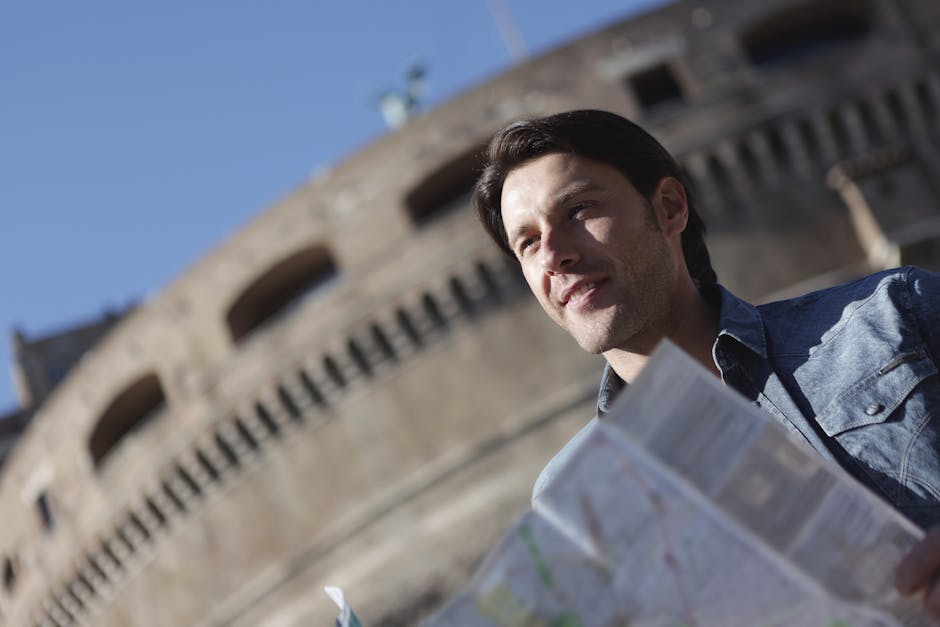
Europe’s compact geography, efficient transportation, and cultural richness make it one of the world’s most popular travel regions. With over 40 countries spanning a relatively small landmass, travelers can experience multiple cultures, languages, and landscapes within a short time. High-speed trains, budget airlines, and well-maintained road networks connect major cities and remote villages alike. The continent also boasts a wealth of UNESCO World Heritage sites, world-class museums, and culinary traditions that reflect centuries of history.
n
Safety, infrastructure, and tourism services are generally reliable, even in less-visited areas. Most countries use the euro or have strong currencies, and English is widely spoken in tourist zones. These factors combine to make Europe accessible for first-time and seasoned travelers alike.
nn
Top Cities for Culture and History
n
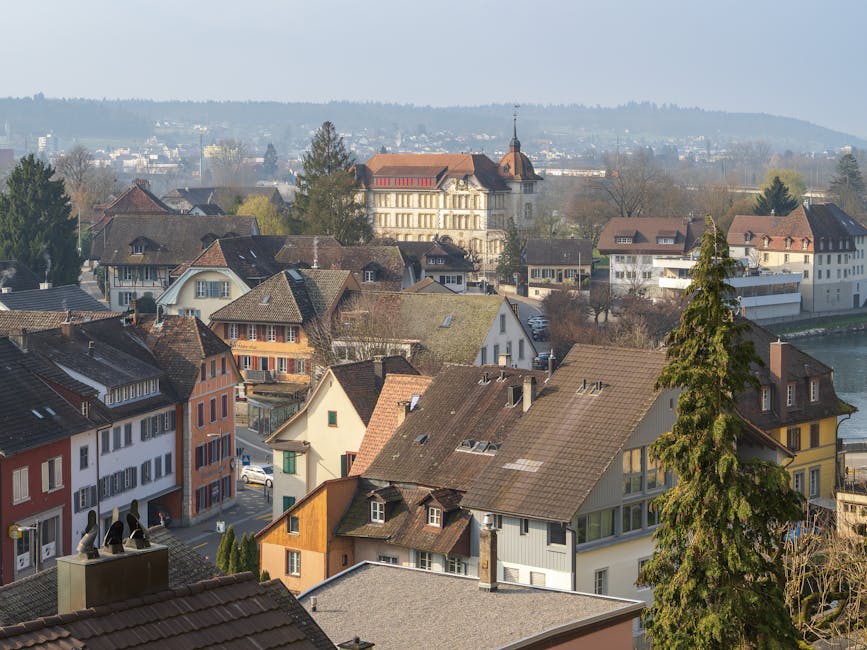
Europe’s cities are living museums, where ancient architecture meets modern life. These urban centers offer museums, historic districts, and vibrant local scenes that appeal to a wide range of interests.
nn
Paris, France
n
Paris consistently ranks among the best travel destinations in Europe for its art, fashion, and iconic landmarks. The Eiffel Tower, Louvre Museum, and Notre-Dame Cathedral draw millions each year, but the city’s charm extends beyond postcard sights. Stroll through Montmartre for bohemian cafes, explore the Marais for boutique shopping, or enjoy a Seine river cruise at sunset. Spring and early autumn offer mild weather and fewer crowds.
n
Tip: Book museum tickets online in advance to skip lines. Consider a Paris Museum Pass for access to over 50 attractions.
nn
Rome, Italy
n
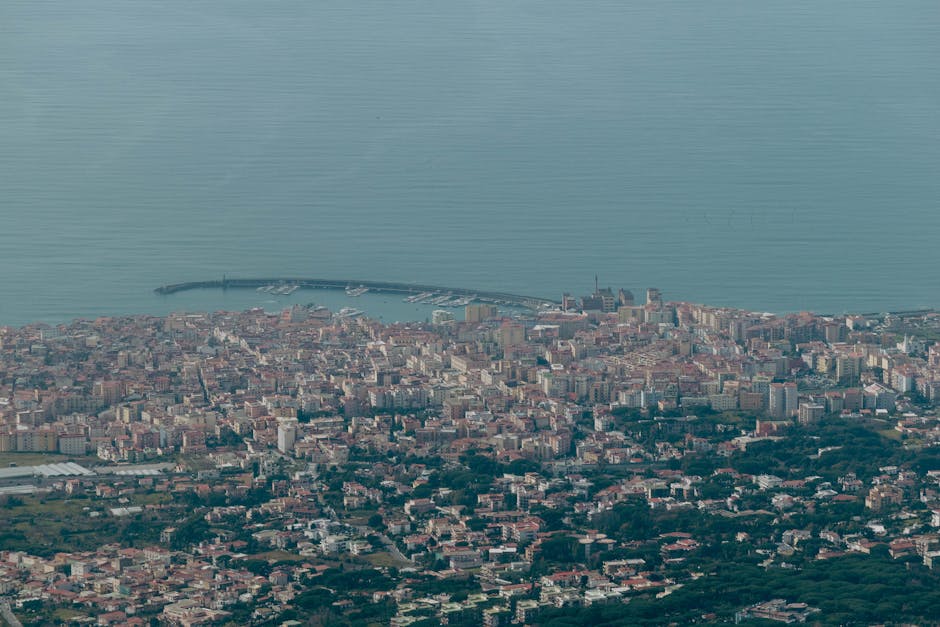
As the heart of the Roman Empire, Rome is a city where history is visible at every turn. The Colosseum, Roman Forum, and Vatican City are must-sees, but don’t overlook lesser-known sites like the Baths of Caracalla or the Appian Way. Roman cuisine—think cacio e pepe and supplì—is simple yet deeply satisfying.
n
Warning: Summer crowds and heat can be intense. Visit major sites early in the morning or late afternoon. Wear comfortable shoes—cobblestones are everywhere.
nn
Barcelona, Spain
n
Barcelona blends Gothic architecture with modernist flair, thanks to Antoni Gaudí’s masterpieces like Sagrada Família and Park Güell. The city’s beaches, tapas bars, and lively festivals add to its appeal. The Gothic Quarter offers narrow alleys and hidden plazas, while La Rambla provides a bustling pedestrian experience.
n
Takeaway: Avoid eating on La Rambla—restaurants there are often overpriced. Head to Gràcia or El Born for authentic local dining.
nn
Prague, Czech Republic
n
Often called the “City of a Hundred Spires,” Prague charms visitors with its fairy-tale skyline and preserved medieval core. Charles Bridge, Prague Castle, and the Astronomical Clock are central attractions. The city is also known for its affordable beer and hearty cuisine.
n
Note: Winter visits offer lower prices and festive Christmas markets, but some attractions may have reduced hours.
nn
Scenic Destinations for Nature Lovers
n
Beyond cities, Europe offers breathtaking natural landscapes—from alpine peaks to rugged coastlines. These destinations are ideal for hiking, photography, and outdoor adventures.
nn
Swiss Alps, Switzerland
n
The Swiss Alps are synonymous with snow-capped peaks, pristine lakes, and world-class skiing. Zermatt, home to the iconic Matterhorn, and Interlaken, nestled between two lakes, are popular bases. Summer offers hiking and mountain biking; winter transforms the region into a ski paradise.
n
Tip: Use the Swiss Travel Pass for unlimited train, bus, and boat travel, plus discounts on mountain railways.
nn
Norwegian Fjords, Norway
n
The fjords of western Norway—such as Geirangerfjord and Nærøyfjord—are UNESCO-listed wonders carved by glaciers. Cruises, kayaking, and hiking trails provide immersive ways to experience the dramatic scenery. The region is best visited from late spring to early autumn.
n
Warning: Norway is expensive. Plan your budget carefully, especially for accommodations and dining.
nn
Plitvice Lakes, Croatia
n
This national park features a series of terraced lakes connected by waterfalls, surrounded by dense forest. Wooden walkways allow visitors to navigate the park while protecting the delicate ecosystem. It’s a UNESCO site and one of Croatia’s most visited natural attractions.
n
Takeaway: Arrive early to avoid crowds and secure parking. Photography is permitted, but drones are banned.
nn
Scottish Highlands, United Kingdom
n
Remote, rugged, and steeped in folklore, the Scottish Highlands offer vast moors, ancient castles, and Loch Ness. The North Coast 500 route is a scenic driving loop that showcases the region’s beauty. Wildlife enthusiasts may spot red deer, golden eagles, or even dolphins along the coast.
n
Note: Weather can change quickly. Pack waterproof clothing and layers, even in summer.
nn
Coastal and Island Escapes
n
Europe’s coastline stretches from the Mediterranean to the Atlantic, offering beaches, seaside towns, and island retreats.
nn
Amalfi Coast, Italy
n
Perched on cliffs above the Tyrrhenian Sea, the Amalfi Coast is famed for its colorful villages, lemon groves, and panoramic views. Positano, Amalfi, and Ravello are standout towns. The SITA bus connects them, though driving is not recommended due to narrow, winding roads.
n
Tip: Visit in May or September for pleasant weather and fewer tourists. July and August are extremely busy.
nn
Santorini, Greece
n
Known for its whitewashed buildings, blue-domed churches, and sunset views over the caldera, Santorini is a dream destination. Oia and Fira are the most photographed villages, but lesser-known areas like Pyrgos offer a quieter experience. The island also has black sand beaches and a unique volcanic landscape.
n
Warning: Peak season (June–August) brings high prices and crowds. Book accommodations and ferries well in advance.
nn
Algarve, Portugal
n
Portugal’s southern coast features golden cliffs, hidden coves, and family-friendly beaches. Towns like Lagos, Albufeira, and Faro offer a mix of nightlife, history, and natural beauty. The region is also popular for golf and water sports.
n
Takeaway: Explore sea caves by kayak or boat tour. Don’t miss the Benagil Cave near Lagoa.
nn
Isle of Skye, Scotland
n
This rugged island in the Inner Hebrides offers dramatic landscapes, including the Quiraing, Old Man of Storr, and Fairy Pools. It’s a haven for hikers, photographers, and those seeking solitude. Gaelic culture and traditional music add to its authenticity.
n
Note: Public transport is limited. Renting a car is the best way to explore. Weather can be unpredictable—prepare for rain and wind.
nn
Budget-Friendly Destinations
n
Traveling in Europe doesn’t have to be expensive. Several countries offer high-quality experiences at lower costs, especially outside peak season.
nn
Porto, Portugal
n
Porto is more affordable than Lisbon and offers rich history, port wine cellars, and a picturesque riverside district. The Dom Luís I Bridge connects Porto with Vila Nova de Gaia, where many wine lodges are located. Public transport is efficient and inexpensive.
n
Tip: Sample port wine at a lodge—tastings often cost under €5. Try francesinha, a local sandwich dish.
nn
Kraków, Poland
n
Kraków combines medieval charm with modern energy. The Main Market Square, Wawel Castle, and nearby Auschwitz-Birkenau Memorial are key sites. The city is known for its affordable food, beer, and accommodations. English is widely spoken, especially among younger residents.
n
Takeaway: Visit the Wieliczka Salt Mine, a UNESCO site just outside the city. Wear comfortable shoes—underground tours involve stairs.
nn
Belgrade, Serbia
n
As one of Europe’s most vibrant nightlife capitals, Belgrade offers riverside clubs, historic fortresses, and a resilient spirit. Kalemegdan Fortress provides panoramic views of the confluence of the Sava and Danube rivers. The city is budget-friendly, with hearty meals often under €10.
n
Note: Serbia is not in the EU, so check visa requirements. The dinar is the local currency.
nn
Seasonal Considerations
n
The best time to visit Europe depends on your destination and travel goals. Here’s a quick overview:
n
- n
- Spring (March–May): Mild weather, blooming gardens, and fewer crowds. Ideal for cities like Paris, Amsterdam, and Rome.
- Summer (June–August): Peak season with long days and festivals. Great for coastal areas and northern Europe, but expect higher prices and crowds.
- Autumn (September–November): Cooler temperatures, fall foliage, and harvest festivals. Excellent for wine regions like Tuscany and Bordeaux.
- Winter (December–February): Christmas markets, skiing, and lower prices. Best for cities like Vienna, Salzburg, and the Alps.
n
n
n
n
nn
Travel Tips for a Smooth Experience
n
To make the most of your European trip, keep these practical tips in mind:
n
- n
- Book in advance: Flights, trains, and popular attractions sell out quickly, especially in summer.
- Use public transport: Trains and buses are efficient and often cheaper than taxis or rental cars.
- Pack light: Many European cities have cobblestone streets and limited elevator access. A carry-on suitcase or backpack is ideal.
- Carry a reusable water bottle: Tap water is safe to drink in most countries, and refill stations are common.
- Learn basic phrases: Even simple greetings in the local language go a long way.
- Check visa requirements: While many European countries are in the Schengen Area, rules vary. Ensure your passport is valid for at least six months.
n
n
n
n
n
n
nn
How to Choose the Right Destination
n
With so many options, selecting the best travel destination in Europe depends on your interests, budget, and travel style. Ask yourself:
n
- n
- Do you prefer cities, nature, or a mix of both?
- Are you traveling solo, as a couple, or with family?
- What’s your budget for accommodations, food, and activities?
- How much time do you have? A week may suit one or two cities; two weeks allow for a regional tour.
n
n
n
n
n
For first-time visitors, a multi-city itinerary covering Paris, Rome, and Barcelona offers a well-rounded introduction. Nature lovers might prioritize the Swiss Alps and Norwegian fjords. Budget travelers can stretch their euros further in Eastern Europe.
nn
Compact Destination Comparison
n
Use this table to compare key aspects of top European destinations:
nn
| Destination | Best For | Average Daily Cost (€) | Best Time to Visit |
|---|---|---|---|
| Paris, France | Art, history, romance | 120–180 | April–June, September–October |
| Rome, Italy | Ancient history, food | 100–150 | April–June, September–October |
| Barcelona, Spain | Architecture, beaches, nightlife | 90–140 | May–June, September |
| Prague, Czech Republic | Medieval charm, affordability | 60–100 | May–September |
| Swiss Alps, Switzerland | Mountains, hiking, skiing | 150–250 | June–September (hiking), December–March (skiing) |
| Amalfi Coast, Italy | Scenic views, coastal towns | 130–200 | May, September |
| Kraków, Poland | History, culture, budget travel | 50–80 | May–September |
nn
Final Thoughts
n
Europe’s diversity ensures there’s a destination for every traveler. Whether you’re exploring ancient ruins, relaxing on a sun-drenched beach, or hiking through alpine valleys, the continent offers experiences that are both enriching and accessible. The best travel destinations in Europe combine history, natural beauty, and modern convenience, making them ideal for short getaways or extended journeys. With careful planning and realistic expectations, your European adventure can be as seamless as it is memorable.
nn
FAQ
n
What is the cheapest time to travel to Europe?
n
The cheapest time to travel to Europe is during the shoulder seasons—spring (March–May) and autumn (September–November). Flights and accommodations are more affordable, and crowds are smaller than in summer. Winter, excluding holidays, also offers low prices, especially in cities with Christmas markets.
nn
Do I need a visa to travel to Europe?
n
Visa requirements depend on your nationality and the countries you plan to visit. Citizens of the EU, US, Canada, Australia, and many other countries can enter the Schengen Area for up to 90 days without a visa. Always check the specific entry requirements for each country on your itinerary.
nn
Is it safe to travel alone in Europe?
n
Yes, Europe is generally safe for solo travelers. Most countries have low crime rates and well-developed tourist infrastructure. Stick to well-lit, populated areas at night,

