
Best Things to Do in Vienna Austria Travel Guide
Best Things to Do in Vienna Austria Travel Guide
Vienna, Austria’s elegant capital, blends imperial grandeur with modern culture, offering travelers a rich mix of history, art, music, and culinary delights. Whether you’re exploring opulent palaces, savoring coffeehouse traditions, or strolling through cobblestone streets, this guide covers the best things to do in Vienna Austria travel guide essentials. From must-see landmarks like Schönbrunn Palace to hidden gems in the Naschmarkt, you’ll find practical tips, curated itineraries, and local insights to make your trip memorable. Ideal for first-time visitors and returning travelers alike, this guide ensures you experience Vienna’s timeless charm without missing a beat.
Explore Vienna’s Iconic Palaces and Historic Sites
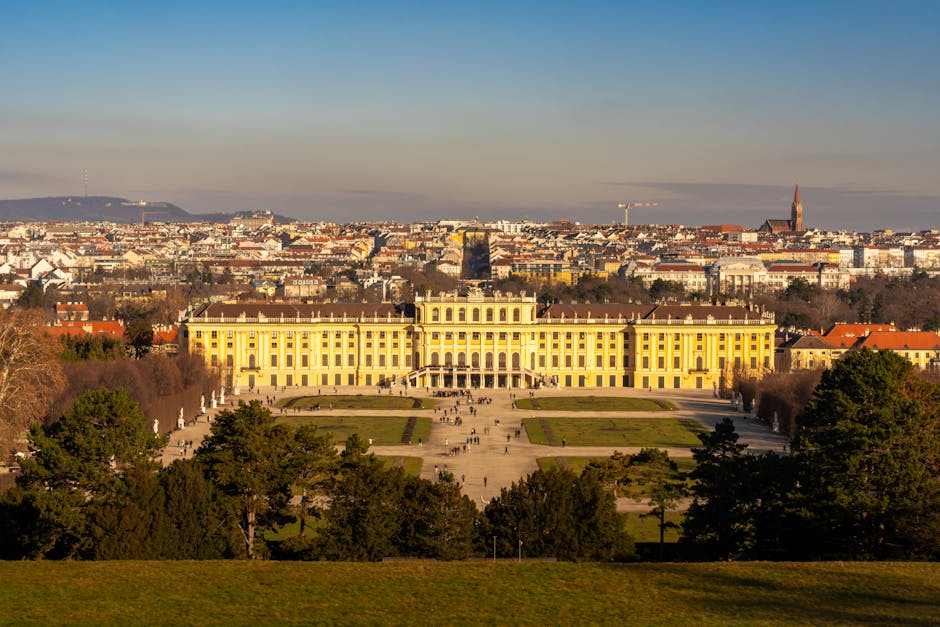
Vienna’s imperial past is on full display in its grand palaces and historic buildings. A visit to Schönbrunn Palace is non-negotiable. Once the summer residence of the Habsburgs, this UNESCO World Heritage site features 1,441 rooms, a stunning baroque garden, and the world’s oldest zoo. Allocate at least half a day to explore the palace interiors, the Gloriette, and the maze in the gardens. Book skip-the-line tickets in advance, especially in summer, to avoid long queues.
Another architectural marvel is the Hofburg Palace, the former imperial palace and current official residence of the Austrian president. The complex includes the Imperial Apartments, the Sisi Museum, and the Silver Collection. History buffs will appreciate the personal artifacts of Empress Elisabeth (“Sisi”), while art lovers should not miss the Imperial Treasury, which houses the Austrian Crown Jewels.
For a quieter but equally impressive experience, visit Belvedere Palace. This baroque masterpiece houses an extensive collection of Austrian art, including Gustav Klimt’s famous painting The Kiss. The upper and lower palaces are connected by beautifully landscaped gardens, perfect for a peaceful afternoon walk.
Tips for Visiting Vienna’s Palaces
- Buy combo tickets when available—many sites offer discounts for multiple attractions.
- Wear comfortable shoes; palace tours involve a lot of walking and standing.
- Visit early in the morning or late afternoon to avoid crowds.
- Check for guided tour options in English for deeper historical context.
Immerse Yourself in Vienna’s Musical Heritage
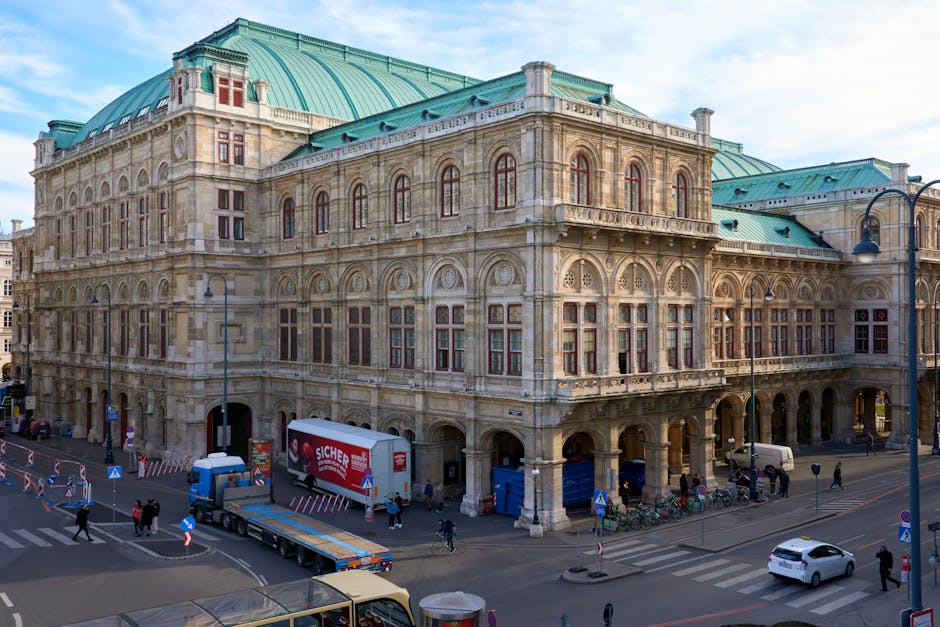
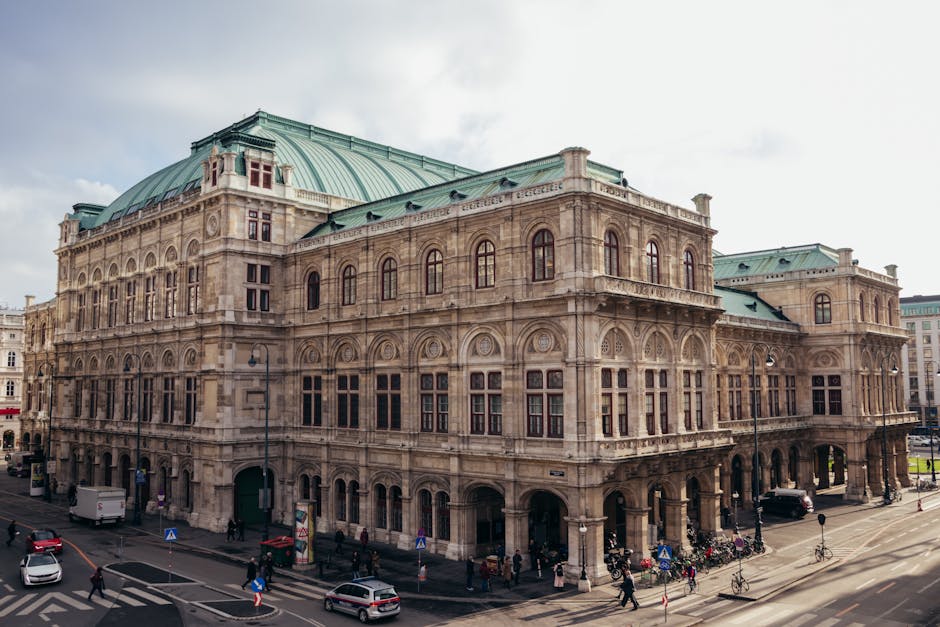
Known as the “City of Music,” Vienna has been home to legendary composers like Mozart, Beethoven, Haydn, and Strauss. One of the best ways to experience this legacy is by attending a classical concert. The Vienna State Opera offers world-class performances, but tickets can be expensive and sell out quickly. For a more affordable option, consider the Vienna Mozart Orchestra or the Schönbrunn Palace Orchestra, which perform in historic venues with period costumes and authentic instrumentation.
If you prefer a behind-the-scenes look, visit the Mozarthaus Vienna, the only preserved residence of Mozart in the city. The museum features original manuscripts, personal letters, and interactive exhibits that bring his life and work to life.
Don’t miss the House of Music (Haus der Musik), an interactive sound museum near Karlsplatz. It combines science, music history, and hands-on exhibits, making it engaging for both adults and children. You can even conduct a virtual orchestra or experiment with sound effects.
Stroll Through Vienna’s Charming Neighborhoods
Beyond the grand palaces, Vienna’s neighborhoods offer a glimpse into local life and culture. Start in the Innere Stadt, the historic city center and a UNESCO World Heritage site. Wander through narrow alleys like Graben and Kärntner Straße, lined with high-end boutiques, historic churches, and street performers. Stop by St. Stephen’s Cathedral, a Gothic masterpiece with a striking tiled roof and panoramic views from the South Tower.
For a more bohemian vibe, head to Neubau, home to indie galleries, vintage shops, and the famous Naschmarkt. This open-air market is Vienna’s largest and offers everything from fresh produce and international street food to antiques and spices. Visit on a Saturday morning for the flea market extension.
Leopoldstadt, located across the Danube Canal, is known for its vibrant arts scene and multicultural eateries. It’s also where you’ll find the Prater, Vienna’s iconic amusement park. While the Riesenrad (giant Ferris wheel) is a symbol of the city, the surrounding green spaces are perfect for cycling, picnics, or simply relaxing.
Savor Vienna’s Culinary Delights
Viennese cuisine is hearty, comforting, and deeply rooted in tradition. A meal here often starts with a visit to a Kaffeehaus (coffeehouse), a cultural institution where locals linger over coffee and pastries for hours. Try a Melange (similar to a cappuccino) or Einspänner (black coffee with whipped cream) at historic spots like Café Sacher, Café Central, or Demel. Pair it with an Apfelstrudel or Sachertorte for the full experience.
For lunch or dinner, indulge in classic dishes like Wiener Schnitzel (breaded veal cutlet), Tafelspitz (boiled beef with root vegetables), or Gulasch (goulash). Many traditional restaurants, known as Beisl, offer these dishes in a cozy, unpretentious setting. Recommended spots include Figlmüller for oversized schnitzels and Plachutta for authentic Tafelspitz.
Vegetarians and vegans are well catered to in Vienna, with an increasing number of plant-based restaurants. Tian and Hiltl (the world’s oldest vegetarian restaurant) offer refined and diverse menus that even meat-lovers enjoy.
Food Markets to Visit
- Naschmarkt: Best for fresh produce, international cuisine, and weekend flea markets.
- Karmelitermarkt: A local favorite in the Leopoldstadt district, with organic vendors and ethnic food stalls.
- Brunnenmarkt: Located in the trendy district of Ottakring, known for its multicultural offerings.
Experience Vienna’s Museums and Art Galleries
Vienna is a cultural powerhouse with over 100 museums. The Kunsthistorisches Museum (Museum of Art History) and the Naturhistorisches Museum (Natural History Museum), facing each other across Maria-Theresien-Platz, are twin institutions with world-class collections. The Kunsthistorisches Museum houses works by Rembrandt, Vermeer, and Caravaggio, while the Naturhistorisches Museum boasts an impressive dinosaur skeleton and meteorite collection.
Art enthusiasts should not miss the Albertina, which holds one of the largest print rooms in the world and rotating exhibitions of modern and contemporary art. Nearby, the Leopold Museum in the MuseumsQuartier focuses on Austrian modern art, particularly the Vienna Secession movement and Egon Schiele’s provocative works.
The MUMOK (Museum of Modern Art Ludwig Foundation) is another highlight, featuring avant-garde works from the 20th and 21st centuries. The building itself, a striking cube of red basalt, is a piece of modern architecture worth seeing.
Enjoy Vienna’s Green Spaces and Outdoor Activities
Despite its urban density, Vienna is one of Europe’s greenest cities. The Schönbrunn Palace Gardens and Burggarten offer manicured lawns, fountains, and shaded pathways. For a more natural setting, visit the Donauinsel (Danube Island), a 21-kilometer-long recreational area with beaches, bike paths, and picnic spots.
The Vienna Woods (Wienerwald) on the city’s outskirts provide hiking and cycling trails with scenic views. The Cobenzl and Kahlenberg hills offer panoramic vistas of the city and are accessible by foot, bike, or the historic Cobenzlbahn funicular.
In winter, the city transforms with Christmas markets. The Vienna Christmas World at Rathausplatz is the most famous, featuring over 150 stalls, an ice-skating rink, and festive lights. Other notable markets include those at Schönbrunn Palace and Spittelberg.
Day Trips from Vienna
If you have extra time, consider a day trip to nearby destinations. Bratislava, the capital of Slovakia, is just an hour away by train or boat and offers a charming old town and riverfront views. Melk Abbey, a baroque monastery overlooking the Danube, is a popular stop on a Wachau Valley cruise.
For wine lovers, the Wiener Gemischter Satz wine region surrounds the city. Visit a Heuriger (wine tavern) in neighborhoods like Grinzing or Nussdorf to sample local white wines paired with simple fare like cold cuts and bread.
Practical Tips for Travelers
Vienna is safe, clean, and highly walkable, with an efficient public transportation system. Purchase a Vienna City Card for unlimited travel on buses, trams, and subways, plus discounts at museums and attractions. The card is available for 24, 48, or 72 hours and can save both time and money.
Most locals speak English, especially in tourist areas, but learning a few German phrases like “Danke” (thank you) and “Entschuldigung” (excuse me) is appreciated. Tipping is customary—round up the bill or add 5–10% in restaurants and cafes.
Avoid visiting major attractions on Mondays, as many museums are closed. Also, be aware that Vienna’s city center is a low-emission zone; if driving, ensure your vehicle meets environmental standards.
Comparison of Top Vienna Attractions
| Attraction | Best For | Recommended Visit Duration | Entry Fee (Approx.) |
|---|---|---|---|
| Schönbrunn Palace | History, architecture, gardens | 3–4 hours | €22 (palace only) |
| Belvedere Palace | Art, Klimt’s “The Kiss” | 2–3 hours | €18 |
| St. Stephen’s Cathedral | Architecture, city views | 1–2 hours | Free (tower €6) |
| Hofburg Palace | Imperial history, Sisi Museum | 2–3 hours | €16 (Imperial Silver Collection) |
| Naschmarkt | Food, local culture | 1–2 hours | Free entry |
Final Thoughts on the Best Things to Do in Vienna
Vienna effortlessly blends the old and the new, offering a travel experience that is both enriching and relaxing. Whether you’re drawn to its imperial palaces, musical legacy, or café culture, the city rewards curiosity and leisurely exploration. By prioritizing key attractions, using public transport, and embracing local customs, you’ll get the most out of your visit. The best things to do in Vienna Austria travel guide aren’t just about checking off landmarks—they’re about soaking in the atmosphere, tasting the flavors, and connecting with a city that has shaped European culture for centuries.
FAQ
What is the best time to visit Vienna?
The ideal times are spring (April to June) and fall (September to October), when the weather is mild and crowds are smaller. Summer is peak tourist season, while winter offers festive markets and lower prices.
Is Vienna expensive for tourists?
Vienna is moderately priced compared to other Western European capitals. While dining and attractions can add up, public transport is affordable, and many parks and churches are free to enter.
How many days are needed to see Vienna?
Three to four days allow you to cover major sights comfortably. With more time, you can explore neighborhoods, take day trips, or enjoy cultural events at a relaxed pace.

