

Best Things to Do in Toronto Canada Travel Guide
{
“content_html”: “nnn n
Best Things to Do in Toronto Canada Travel Guide
nn
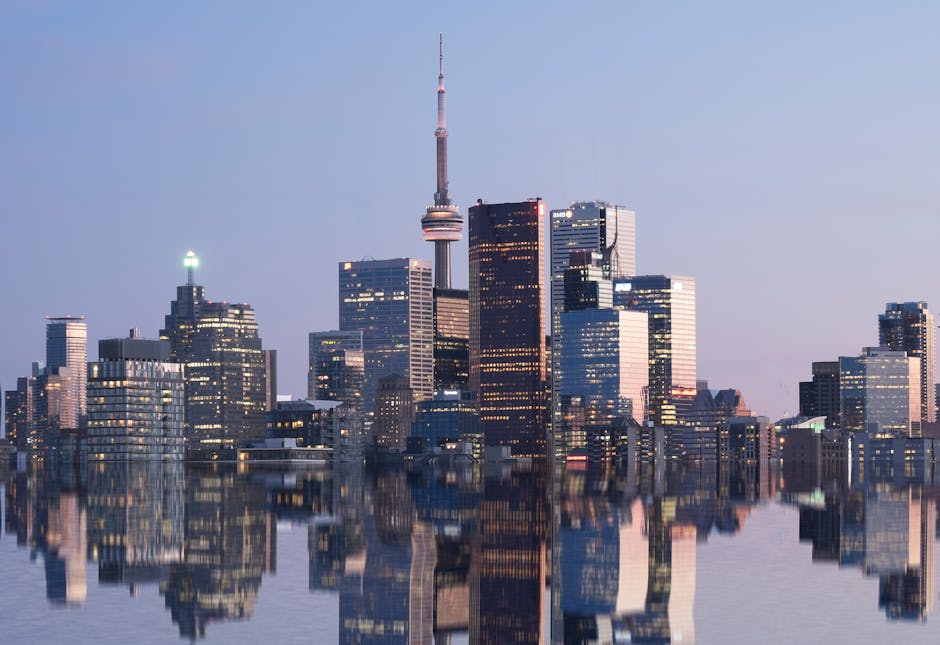
Toronto, Canada’s largest city and cultural hub, offers a dynamic mix of world-class attractions, diverse neighborhoods, and natural escapes—all within easy reach. Whether you’re visiting for a weekend or planning an extended stay, this guide covers the best things to do in Toronto Canada travel guide essentials: from iconic landmarks like the CN Tower and Ripley’s Aquarium to hidden gems in Kensington Market and along the waterfront. With efficient public transit, walkable districts, and year-round events, Toronto delivers a rich urban experience for every type of traveler.
nn
Top Attractions You Can’t Miss
nn
Toronto’s skyline and cultural institutions make it one of North America’s most recognizable cities. Start your trip with these standout experiences that define the city’s identity.
nn
CN Tower
n
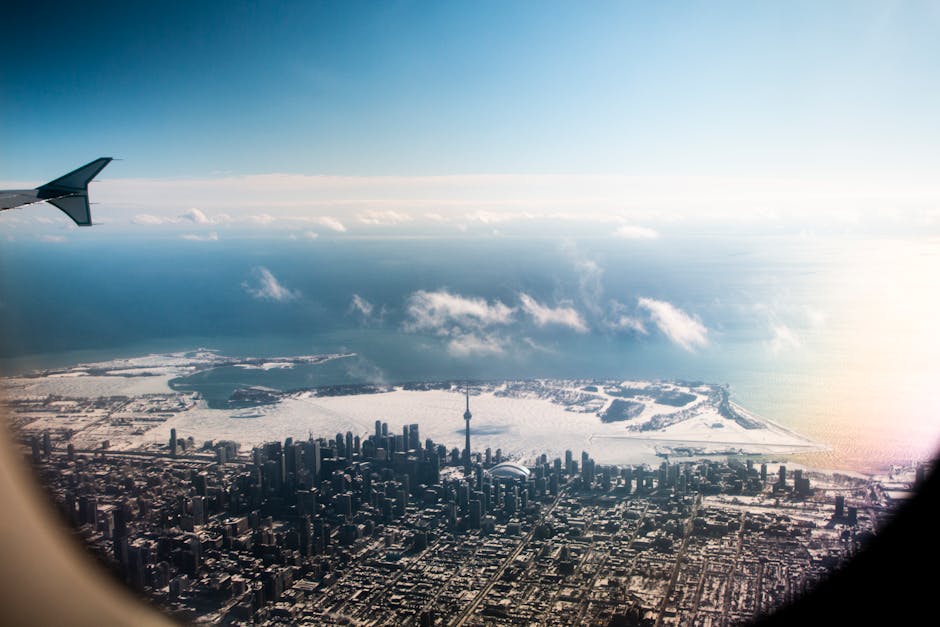
The CN Tower remains Toronto’s most iconic structure and a must-visit for first-time travelers. Standing at 553 meters, it was once the world’s tallest freestanding tower and still offers breathtaking views from its Glass Floor and EdgeWalk experiences. Visit during sunset for golden-hour cityscapes, or go at night to see the illuminated skyline. Book tickets in advance—especially for EdgeWalk, which requires reservations and has strict weather policies.
nn
Royal Ontario Museum (ROM)
n
One of Canada’s largest museums, the ROM blends natural history, world cultures, and contemporary art under one roof. Highlights include the dinosaur galleries, the Bat Cave replica, and the stunning Michael Lee-Chin Crystal addition. The museum hosts rotating exhibitions, so check their calendar before visiting. Allow at least three hours to explore, and consider the ROM Pass for discounted entry to other local attractions.
nn
Ripley’s Aquarium of Canada
n
Located next to the CN Tower, this aquarium features North America’s longest underwater tunnel, a touch pool with stingrays, and daily dive shows. It’s ideal for families and marine life enthusiasts. Arrive early to avoid crowds, and use the timed-entry tickets to streamline your visit. The Dangerous Lagoon walkthrough is the main draw—don’t miss the green sea turtle and sand tiger sharks.
nn
St. Lawrence Market
n
Consistently ranked among the world’s best food markets, St. Lawrence Market is a local institution. The south building houses over 120 vendors selling fresh produce, artisanal cheeses, baked goods, and prepared foods. Try the famous Peameal Bacon Sandwich at Carousel Bakery—it’s a Toronto staple. Visit on a Saturday morning for the full experience, but be prepared for lines. The north building, open weekends only, features antiques and collectibles.
nn
Explore Toronto’s Vibrant Neighborhoods
nn
Toronto’s charm lies in its distinct neighborhoods, each with its own character, food scene, and cultural offerings. Spend time wandering these areas to get a true sense of the city.
nn
Kensington Market
n
A bohemian enclave just west of downtown, Kensington Market is a maze of vintage shops, global eateries, and street art. It’s one of the few places in Toronto where you can find authentic Jamaican patties, Vietnamese pho, and vegan doughnuts all within a few blocks. The area is pedestrian-friendly on Sundays during the summer, when cars are banned and live music fills the streets. Watch for uneven sidewalks and crowded aisles—wear comfortable shoes.
nn
Distillery District
n
This pedestrian-only village of restored 19th-century buildings was once a thriving whiskey distillery. Today, it’s a hub for art galleries, craft breweries, and seasonal events like the Christmas Market. The cobblestone streets and gas lamps create a European vibe, making it a popular spot for photos. Visit during the day for shopping and cafes, or return at night for cocktails at El Catrin or dinner at Cluny Bistro.
nn
Queen Street West
n
Known for its indie boutiques, street murals, and live music venues, Queen Street West runs from downtown to Parkdale. It’s a great place to shop for local fashion, browse record stores like Rotate This, or catch a show at The Horseshoe Tavern—a legendary venue that launched bands like The Tragically Hip. The stretch between Spadina and Bathurst is especially lively on weekend evenings.
nn
Yorkville
n
Toronto’s upscale shopping and dining district, Yorkville blends luxury brands with fine dining and art galleries. It’s home to the Royal Ontario Museum and the Gardiner Museum, and features tree-lined streets perfect for a leisurely stroll. Visit during the Yorkville Festival in June for outdoor performances and pop-up installations. Parking can be expensive, so consider taking the subway to Bay Station.
nn
Outdoor Adventures and Green Spaces
nn
Despite its urban density, Toronto offers abundant green space and waterfront access. These parks and trails provide a refreshing escape from the city bustle.
nn
High Park
n
Toronto’s largest park spans 400 acres and includes a zoo, playgrounds, sports fields, and a cherry blossom grove that blooms in late April to early May. The park is especially popular during sakura season, when visitors picnic under the pink trees. The Grenadier Pond is great for walking or birdwatching, and the park’s trails connect to the larger Toronto ravine system. Note: swimming is not permitted in the pond.
nn
Toronto Islands
n
A short ferry ride from downtown, the Toronto Islands offer beaches, bike paths, and skyline views without the city noise. Centre Island is the most visited, with a small amusement park, picnic areas, and a beach. Ward’s Island and Algonquin Island are quieter and residential. Rent a bike or bring a picnic—there are no cars on the islands. Ferries run frequently in summer but check the schedule in winter, as service is reduced.
nn
Harbourfront Centre
n
This cultural and recreational hub along Lake Ontario hosts free outdoor concerts, art installations, and winter skating. In summer, you can rent kayaks or take a sailing lesson. The nearby HTO Park and Sugar Beach (a pink sand beach with lounge chairs) are perfect for sunbathing or people-watching. The area is easily accessible by streetcar and connects to the Martin Goodman Trail, a scenic path along the lake.
nn
Ravine and Trail System
n
Toronto is crisscrossed by over 1,500 kilometers of trails through forested ravines, many of which are hidden beneath the city streets. The Don Valley Trail and the Beltline Trail are popular for walking and cycling. These green corridors offer a peaceful retreat and are home to wildlife like raccoons, foxes, and migratory birds. Always stay on marked paths and carry water—some trails are not well-lit or patrolled.
nn
Cultural Experiences and Entertainment
nn
Toronto’s arts and entertainment scene reflects its multicultural population. From theater to film festivals, there’s always something happening.
nn
TIFF Bell Lightbox
n
The headquarters of the Toronto International Film Festival, TIFF Bell Lightbox screens independent, international, and classic films year-round. Even if you’re not attending the festival in September, the building offers exhibitions, filmmaker talks, and a restaurant with skyline views. Check their schedule for special events or retrospectives.
nn
Harbourfront Centre and Summer Music
n
Throughout the summer, Harbourfront Centre hosts free concerts featuring jazz, world music, and Canadian artists. The stage overlooks the lake, creating a relaxed atmosphere. Bring a blanket and arrive early for good spots. The programming often highlights Indigenous and immigrant artists, reflecting Toronto’s diversity.
nn
Live Theater in the Entertainment District
n
Toronto’s theater scene rivals New York and London, especially during the Mirvish season. Venues like the Royal Alexandra Theatre and the Ed Mirvish Theatre host Broadway-style productions, while smaller companies like Canadian Stage offer contemporary works. Book tickets early for popular shows, and consider a backstage tour for behind-the-scenes access.
nn
Graffiti Alley
n
Running parallel to Queen Street West, Graffiti Alley is a legal mural zone where artists create ever-changing street art. It’s a favorite for photographers and Instagrammers. The art rotates frequently, so no two visits are the same. Respect the space—don’t climb on walls or touch wet paint.
nn
Family-Friendly Activities
nn
Toronto is a welcoming destination for families, with attractions that engage both kids and adults.
nn
Ontario Science Centre
n
This interactive museum features hands-on exhibits on space, technology, and the human body. The planetarium and IMAX theater are crowd-pleasers, and the outdoor science park is great for active kids. Allow a full day to explore. The centre is located in the Don Mills area, accessible by subway and bus.
nn
Toronto Zoo
n
One of the world’s largest zoos, the Toronto Zoo spans 287 hectares and houses over 5,000 animals. The zoo is divided into continental zones, including the Tundra Trek and the African Savannah. It’s a full-day outing—wear comfortable shoes and bring snacks. The zoo participates in conservation programs, including breeding endangered species like the black-footed ferret.
nn
Black Creek Pioneer Village
n
Step back in time at this living history museum, where costumed interpreters demonstrate 19th-century life in Ontario. Visitors can tour historic buildings, watch blacksmithing, and ride a heritage railway. It’s educational and engaging for children. The village is located in north Toronto and is best reached by car or shuttle from Finch Station.
nn
Day Trips and Nearby Escapes
nn
Toronto’s location makes it a great base for exploring southern Ontario. These nearby destinations are perfect for a day trip.
nn
Niagara Falls
n
About 90 minutes by car or train, Niagara Falls is one of the most visited natural wonders in North America. Take a Hornblower Cruise to get close to the Horseshoe Falls, or walk along the scenic promenade. Visit the Niagara Parks Butterfly Conservatory or the wine region for a more relaxed experience. Book train tickets in advance for better rates.
nn
Niagara-on-the-Lake
n
This charming town combines history, wine, and lake views. Tour award-winning wineries like Peller Estates or Inniskillin, stroll through the historic district, or enjoy a meal at a farm-to-table restaurant. The Shaw Festival runs from April to October, offering theater performances in a beautiful setting.
nn
Hamilton and the Waterfalls
n
Known as the “Waterfall Capital of the World,” Hamilton is home to over 100 waterfalls within a short drive. Popular spots include Webster’s Falls and Tew’s Falls in Spencer Gorge Conservation Area. The city also has a growing arts scene and the Canadian Warplane Heritage Museum. It’s about an hour from Toronto by car.
nn
Algonquin Provincial Park
n
For a true wilderness experience, head to Algonquin Park, a three-hour drive north. It’s ideal for camping, canoeing, and wildlife viewing. Moose, black bears, and loons are common sightings. Permits are required for entry and camping, so plan ahead. The park is busiest in fall during foliage season.
nn
Seasonal Highlights and Events
nn
Toronto’s calendar is packed with festivals and seasonal activities that reflect its multicultural fabric.
nn
Winter: Cavalcade of Lights and Skating
n
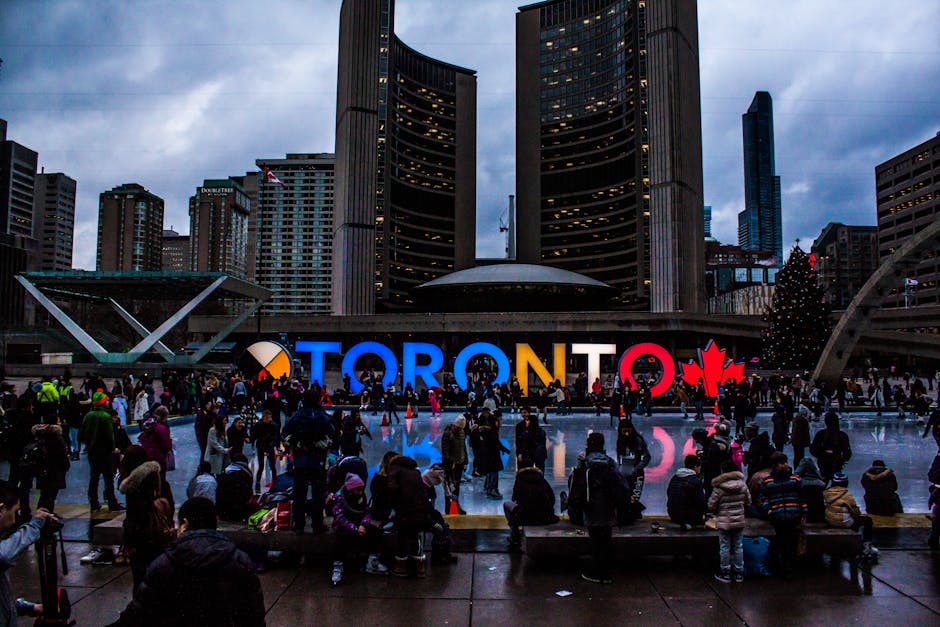
From November to February, Toronto sparkles with holiday lights. Nathan Phillips Square features a large outdoor rink with the iconic “Toronto” sign backdrop. The Distillery District’s Christmas Market is a must-visit, with vendors, mulled wine, and live carolers. Don’t miss the Winterlicious restaurant week in January, offering prix-fixe menus at top eateries.
nn
Spring: Cherry Blossoms and TIFF
n
High Park’s cherry blossoms typically bloom in late April. The park hosts a Sakura Festival with food stalls and cultural performances. In September, the Toronto International Film Festival transforms the city into a global cinema hub, with red carpets and celebrity sightings.
nn
Summer: Caribana and Outdoor Festivals
n
Caribana, now called the Toronto Caribbean Carnival, is one of North America’s largest parades, held in July. The city also hosts Luminato (arts festival), NXNE (music and tech), and outdoor movies at parks like Trinity Bellwoods. The waterfront comes alive with concerts and food trucks.
nn
Fall: Nuit Blanche and Foliage
n
Nuit Blanche is an all-night art event where galleries and public spaces host installations and performances. It’s free and runs from dusk to dawn. For natural beauty, take a day trip to Algonquin or the Niagara Escarpment to see autumn colors.
nn
Getting Around Toronto
nn
Toronto has a reliable and affordable public transit system, making it easy to explore without a car.
nn
Public Transit: TTC
n
The Toronto Transit Commission (TTC) operates subways, streetcars, and buses. A single fare covers all modes, and day passes are available for unlimited travel. Use the TTC website or app to plan routes. Subway lines run frequently, but streetcars can be slower due to traffic. Avoid rush hours (7–9 AM and 4–6 PM) if possible.
nn
Walking and Cycling
n
Downtown Toronto is highly walkable, with wide sidewalks and pedestrian zones. Bike lanes are expanding, and Bike Share Toronto offers affordable rentals at docking stations across the city. Helmets are not required by law but are recommended. Always lock your bike securely.
nn
Rideshares and Taxis
n
Uber and Lyft operate widely, and traditional taxis are available at stands or via app. Rideshares are often cheaper than taxis for longer trips. Avoid driving downtown—parking is expensive and traffic can be heavy.
nn
Where to Eat: A Taste of Toronto
nn
Toronto’s food scene is as diverse as its population. These are some standout experiences.
nn
Ethnic Enclaves
n
Explore Little Italy on College Street for authentic Italian cuisine, or head to Chinatown and Spadina for dim sum and bubble tea. Greektown on the Danforth offers souvlaki and live music. For South Asian flavors, visit Gerrard India Bazaar.
nn
Fine Dining
n
Toronto has over 50 restaurants with Michelin recognition. Try Alo for French-inspired tasting menus, or Canoe for Canadian cuisine with lake views. Reservations are essential.
nn
Casual Eats and Food Halls
n
For a quick bite, visit food halls like The Food District in the Eaton Centre or Assembly Chef’s Hall. These spaces feature multiple vendors under one roof, offering everything from ramen to tacos. Food trucks are also common at festivals and parks.
nn
Practical Tips for Visitors
nn
- n
- Currency: Canadian dollars (CAD). Credit cards are widely accepted, but carry cash for small vendors and tips.
- Language: English is the primary language, but over 180 languages are spoken in the city.
- tipping: 15–20% is standard in restaurants and for services like taxis and haircuts.
- Safety: Toronto is generally safe, but stay aware in crowded areas and avoid poorly lit alleys at night.
- Weather: Summers are warm and humid; winters are cold with snow. Dress in layers and check forecasts.
- Connectivity: Free Wi-Fi is available in many public spaces, including TTC stations and libraries.
n
n
n
n
n
n
nn
Compact Comparison: Top Toronto Attractions at a Glance
nn
| Attraction | Best For | Time Needed | Tip |
|---|---|---|---|
| CN Tower | Views, Thrills | 1–2 hours | Book EdgeWalk in advance |

