
Best Things to Do in Singapore City Travel Guide
Best Things to Do in Singapore City Travel Guide
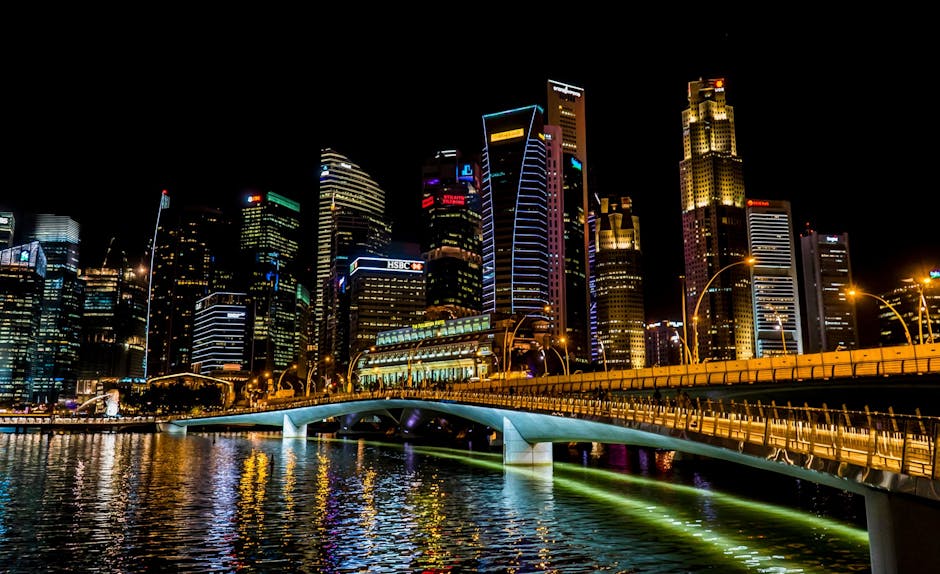
Singapore is a vibrant city-state where modern skyscrapers meet lush green spaces, and diverse cultures blend seamlessly. Whether you’re visiting for a weekend or a week, this guide covers the best things to do in Singapore city, from iconic landmarks like Marina Bay Sands and Gardens by the Bay to hidden local gems in neighborhoods like Tiong Bahru and Kampong Glam. You’ll find practical tips, must-see attractions, food experiences, and day trip ideas—all designed to help you make the most of your trip without feeling overwhelmed.
Top Attractions You Can’t Miss
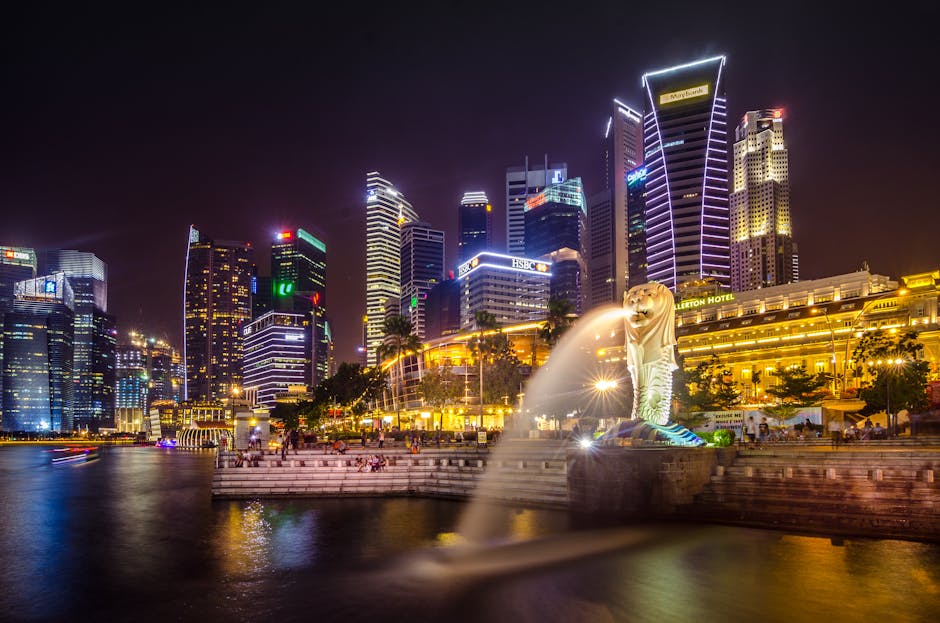
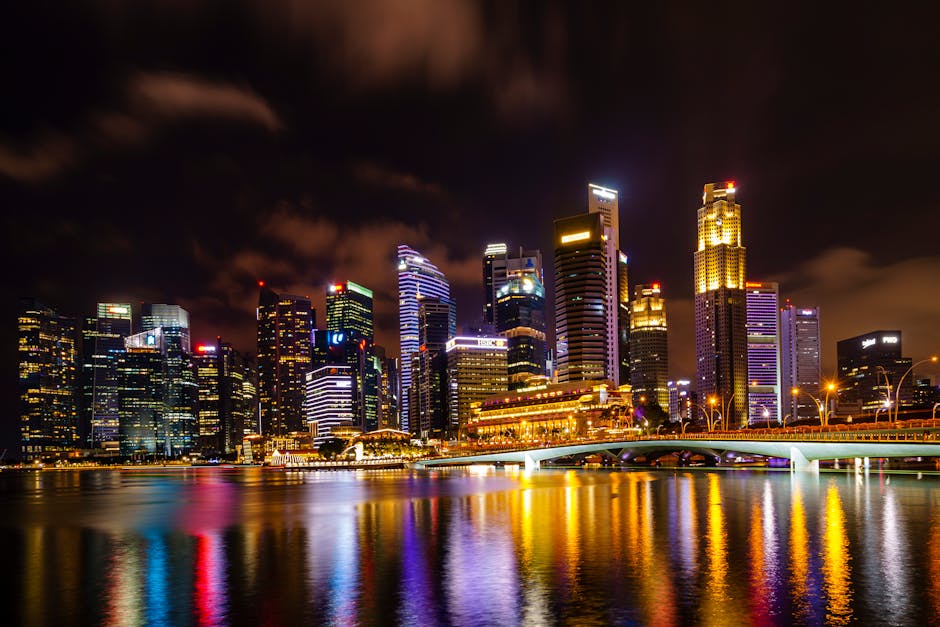
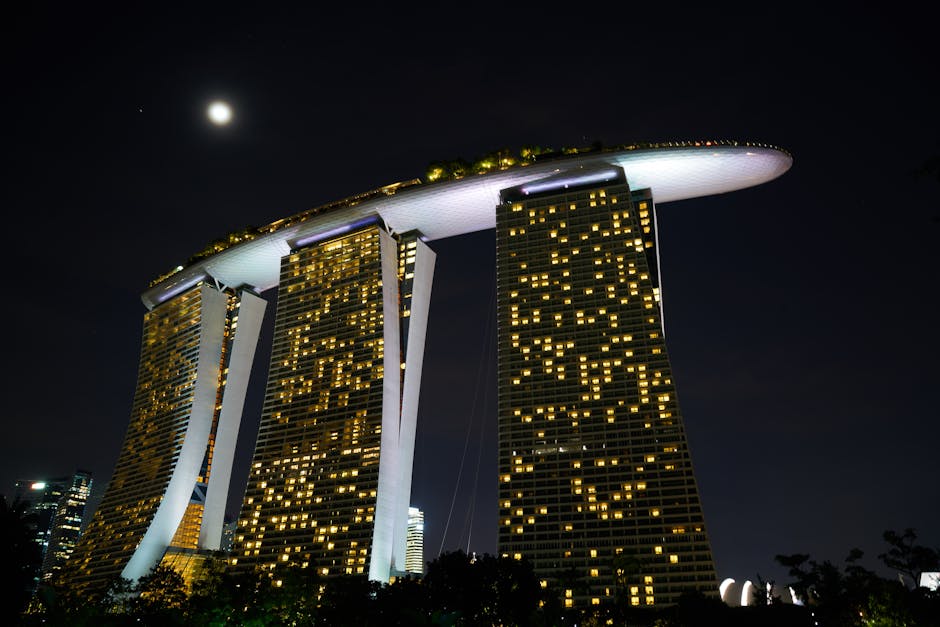
Singapore’s skyline is instantly recognizable, thanks to architectural marvels and meticulously planned urban spaces. Start your journey at Marina Bay, the city’s most photographed district. Here, you’ll find the famous Marina Bay Sands hotel with its infinity pool, the ArtScience Museum shaped like a lotus flower, and the Supertree Grove at Gardens by the Bay. Visit in the evening for the Garden Rhapsody light show—free and open to the public.
Just a short walk away, the Merlion Park offers the classic half-lion, half-fish statue with a view of the city skyline. While the statue itself is small, the surrounding area is perfect for photos and people-watching. For a quieter experience, head to the Southern Ridges, a 10-kilometer trail connecting parks like Mount Faber and Henderson Waves. The elevated walkways and suspension bridges offer panoramic views of the city and harbor.
Another must-visit is Sentosa Island, accessible by cable car, monorail, or walking via the Sentosa Boardwalk. The island offers beaches, Universal Studios Singapore, the S.E.A. Aquarium, and adventure activities like zip-lining and indoor skydiving. If you prefer nature over thrills, spend time at the Southern Islands—Pulau Ubin and Kusu Island are ideal for day trips with hiking, kayaking, and temple visits.
Explore Singapore’s Cultural Neighborhoods
Singapore’s neighborhoods reflect its multicultural heritage. Chinatown is a bustling district with traditional shophouses, temples like the Buddha Tooth Relic Temple, and street food at the Chinatown Complex. Visit early in the morning to avoid crowds and try local breakfast items like kaya toast and soft-boiled eggs.
Little India bursts with color and energy. Walk along Serangoon Road to see vibrant murals, visit the Sri Veeramakaliamman Temple, and shop for spices, textiles, and gold jewelry. The Mustafa Centre is a 24-hour shopping hub popular with locals and tourists alike. For a more authentic experience, join a guided heritage walk through the area’s history and cuisine.
Kampong Glam, once the royal district, is now a trendy enclave with boutique shops, art galleries, and halal cafes. The Sultan Mosque, with its golden dome, is a landmark not to be missed. The nearby Haji Lane is perfect for vintage shopping and Instagram-worthy murals. Don’t leave without trying a plate of nasi padang or a cup of teh tarik at a local warung.
Tiong Bahru, one of Singapore’s oldest housing estates, blends old-world charm with modern cafes and indie bookstores. The Tiong Bahru Market is a foodie’s paradise, offering everything from char kway teow to handmade dumplings. It’s less touristy than other hawker centers, making it a favorite among locals.
Food Experiences You Shouldn’t Skip
Singapore is a food lover’s dream. The city’s hawker centers are UNESCO-recognized and offer affordable, high-quality meals. Maxwell Food Centre, Lau Pa Sat, and Old Airport Road Food Centre are among the best. Try signature dishes like chicken rice, laksa, chili crab, and roti prata. Each stall often specializes in one dish, so look for long queues—they’re usually a good sign.
For a more refined dining experience, book a table at a Michelin-starred restaurant. Odette, a French fine-dining spot in the National Gallery, consistently ranks among Asia’s best. Alternatively, try local favorites like Candlenut, the world’s first Michelin-starred Peranakan restaurant, or Labyrinth, which reinvents Singaporean dishes with modern techniques.
If you enjoy cooking, consider joining a food tour or a cooking class. Many tours take you through markets, explaining ingredients and techniques, followed by a hands-on session where you prepare dishes like Hainanese chicken rice or otak-otak. These experiences offer deeper insight into Singapore’s culinary culture.
Nature and Outdoor Activities
Despite its urban density, Singapore is one of the greenest cities in the world. The Singapore Botanic Gardens, a UNESCO World Heritage Site, spans 74 hectares and features the National Orchid Garden, rainforest trails, and Swan Lake. It’s free to enter except for the orchid garden, which has a small fee.
MacRitchie Reservoir offers hiking and kayaking opportunities. The TreeTop Walk, a 250-meter suspension bridge, provides a bird’s-eye view of the forest canopy. It’s a moderate hike, so wear comfortable shoes and bring water. For a more relaxed option, visit the Sungei Buloh Wetland Reserve, a haven for migratory birds and monitor lizards.
Pulau Ubin, a short bumboat ride from Changi Point, offers a glimpse of rural Singapore. Rent a bike and explore the island’s mangroves, quarries, and kampong (village) homes. The Chek Jawa Wetlands are best visited during low tide to see marine life like sea stars and sea anemones.
Shopping and Nightlife
Singapore offers everything from luxury malls to street markets. Orchard Road is the main shopping belt, lined with malls like ION Orchard, Ngee Ann City, and Paragon. For local brands and souvenirs, head to Haji Lane, Bugis Street Market, or Mustafa Centre.
For a unique shopping experience, visit the Design Orchard, a government-supported space showcasing homegrown designers. The building itself is a modern take on traditional shophouses, with a rooftop garden and event spaces.
Nightlife in Singapore ranges from rooftop bars to underground clubs. Clarke Quay is known for its riverside bars and live music, while Robertson Quay offers a more laid-back vibe with wine bars and riverside dining. For panoramic city views, visit 1-Altitude at One Raffles Place or Ce La Vi at Marina Bay Sands.
If you’re into live music, check out venues like Blu Jaz Café or The Madhouse. Singapore also hosts regular festivals like the Singapore Night Festival and i Light Marina Bay, which transform the city with light installations and performances.
Day Trips and Nearby Destinations
While Singapore itself is compact, there are several nearby destinations worth exploring. Johor Bahru in Malaysia is just a 30-minute drive or train ride away. Visit Legoland Malaysia, the Johor Premium Outlets, or the Sultan Abu Bakar Mosque. Be sure to check visa requirements and allow extra time for border crossings.
Bintan and Batam in Indonesia are popular island getaways accessible by ferry from Tanah Merah Ferry Terminal. These islands offer beaches, golf resorts, and spa retreats. A day trip is possible, but an overnight stay allows more time to relax.
For a nature escape, consider a trip to the Southern Islands. St. John’s Island and Lazarus Island are car-free and ideal for picnics, swimming, and snorkeling. Facilities are limited, so bring your own food, water, and sunscreen.
Practical Tips for Travelers
Singapore is safe, clean, and easy to navigate. The public transport system—MRT (subway) and buses—is efficient and covers most attractions. Get an EZ-Link or NETS FlashPay card for seamless travel. Taxis and ride-hailing apps like Grab are also widely available.
English is widely spoken, so communication is rarely an issue. Tipping is not expected, as a 10% service charge is usually included in bills. However, rounding up the fare for taxis is common.
Dress modestly when visiting places of worship, and avoid chewing gum in public—it’s banned except for therapeutic purposes. Also, be mindful of littering and jaywalking, as fines are strictly enforced.
The best time to visit is during the dry season from February to April. The monsoon season runs from November to January, with frequent afternoon showers. Pack light, breathable clothing and a compact umbrella.
Compact Comparison: Top Singapore Attractions
| Attraction | Best For | Entry Fee | Recommended Time to Visit |
|---|---|---|---|
| Gardens by the Bay | Nature, photography, light shows | Free (Flower Dome & Cloud Forest extra) | Evening for light show |
| Marina Bay Sands SkyPark | City views, infinity pool (guests only) | ~S$23–S$38 | Sunset |
| Singapore Botanic Gardens | Nature, relaxation, orchids | Free (Orchid Garden: S$5) | Morning |
| Sentosa Island | Beaches, theme parks, adventure | Free entry (attractions extra) | Full day |
| Chinatown Complex | Street food, local culture | Free | Lunch or dinner |
Final Thoughts
Singapore offers a rich mix of culture, food, nature, and modernity. The best things to do in Singapore city cater to all interests, whether you’re a foodie, nature lover, or culture enthusiast. With efficient public transport and clear signage, getting around is easy. Plan your itinerary around your interests, but leave room for spontaneity—some of the best experiences come from wandering through a quiet alley or discovering a hidden cafe. Whether it’s your first visit or your fifth, Singapore continues to surprise and delight.
FAQ
What is the best time of year to visit Singapore?
The best time to visit Singapore is during the dry season from February to April, when rainfall is lower and temperatures are slightly cooler. Avoid the monsoon months from November to January if you dislike frequent rain.
Do I need a visa to visit Singapore?
Citizens of many countries, including the US, UK, EU, Australia, and Canada, do not need a visa for short stays (usually up to 30 days). Check Singapore’s Immigration & Checkpoints Authority website for the latest entry requirements based on your nationality.
Is Singapore expensive for tourists?
Singapore can be expensive, especially for accommodation and fine dining. However, budget options are available—hawker centers offer meals from S$3–S$8, and public transport is affordable. With smart planning, you can enjoy the city without overspending.

