
Best Things to Do in Prague Travel Guide
Best Things to Do in Prague Travel Guide
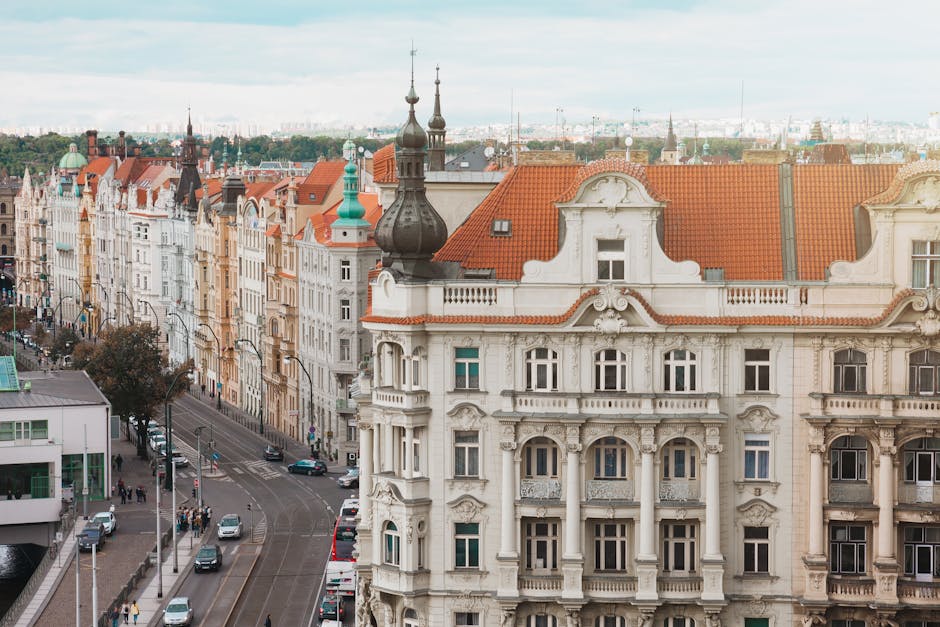
Prague, the capital of the Czech Republic, is one of Europe’s most enchanting cities, blending centuries of history with a vibrant modern culture. Known for its fairy-tale architecture, cobblestone streets, and lively atmosphere, Prague offers a rich array of experiences for every traveler. Whether you’re drawn to Gothic cathedrals, riverside strolls, or craft beer in historic pubs, this guide covers the best things to do in Prague to help you make the most of your visit. From iconic landmarks to local secrets, we’ve curated a practical, up-to-date list of must-see attractions, cultural experiences, and day trips that reflect what today’s travelers are actually searching for.
Top Attractions in Prague
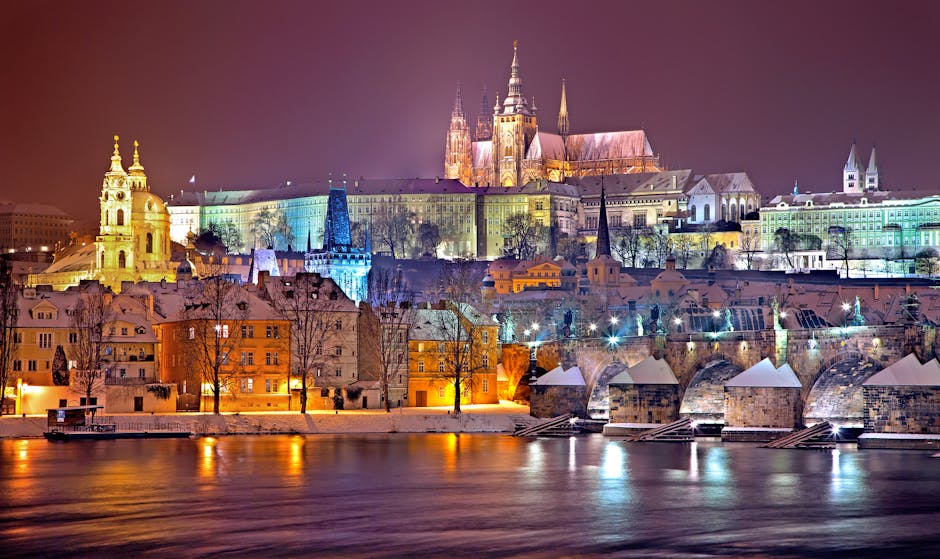
Prague’s skyline is instantly recognizable, dominated by spires, towers, and domes that span multiple architectural eras. The city center is compact and walkable, making it easy to explore major sights on foot. Below are the most essential attractions that define the Prague experience.
Prague Castle
Rising above the Vltava River, Prague Castle is the largest ancient castle complex in the world, covering nearly 70,000 square meters. It has served as the seat of Czech kings, presidents, and religious leaders for over 1,000 years. The complex includes St. Vitus Cathedral, the Old Royal Palace, Golden Lane, and St. George’s Basilica.
Visitors should allow at least half a day to explore the castle grounds. Entry to the exterior is free, but access to key sites like St. Vitus Cathedral and the cathedral treasury requires a ticket. The B-circuit ticket covers most highlights and is recommended for first-time visitors. Arrive early to avoid crowds, especially during peak season from May to September.
Charles Bridge
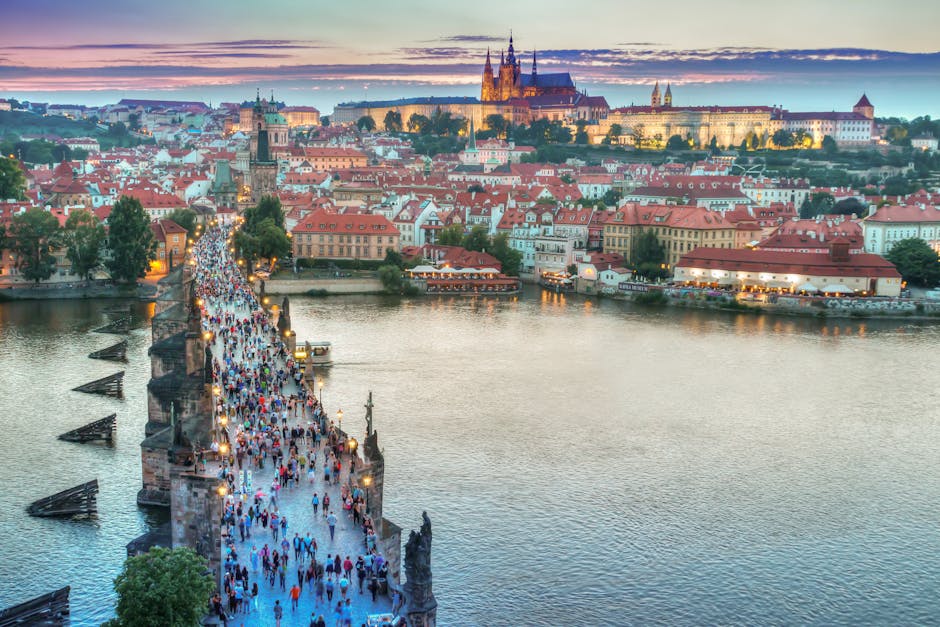
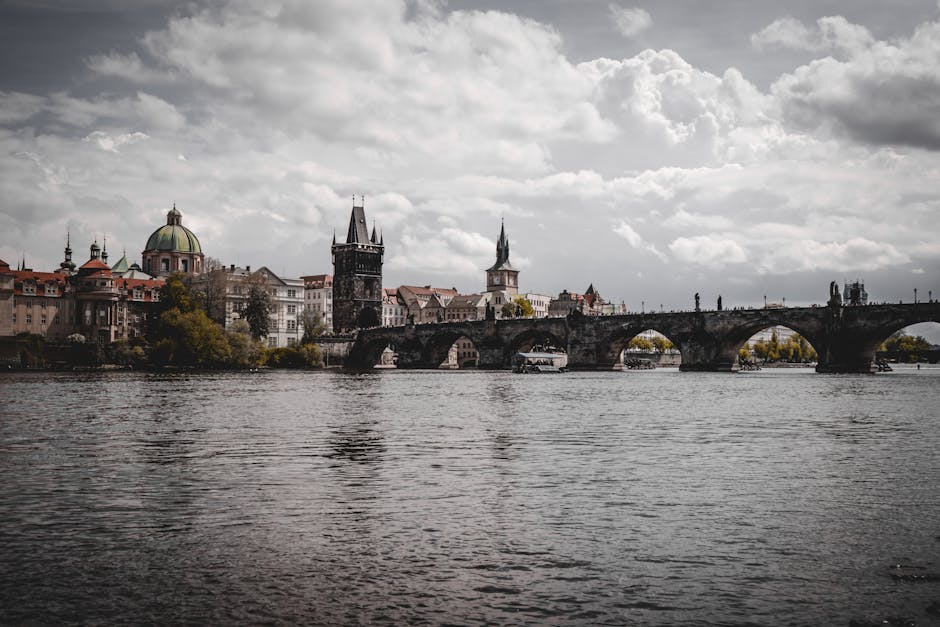
Spanning the Vltava River, Charles Bridge is one of Prague’s most photographed landmarks. Built in the 14th century under King Charles IV, the bridge is lined with 30 Baroque-style statues of saints, added between the 17th and 18th centuries. The most famous is the statue of St. John of Nepomuk, whose bronze plaque is rubbed for good luck.
The bridge is most peaceful at sunrise or late evening when tourist crowds thin. During the day, it’s often packed with street performers, artists, and vendors. For a quieter experience, walk the nearby Legion Bridge or take a river cruise that passes beneath it.
Old Town Square and the Astronomical Clock
At the heart of Prague’s historic center, Old Town Square is a vibrant plaza surrounded by colorful Baroque and Gothic buildings. The centerpiece is the Prague Astronomical Clock, installed in 1410, making it the oldest working clock of its kind. Every hour, on the hour, the clock comes to life with the “Walk of the Apostles,” a mechanical show featuring figures of the Twelve Apostles.
The square hosts open-air markets, festivals, and seasonal events. The Christmas and Easter markets are especially popular, offering traditional food, crafts, and mulled wine. Climb the Old Town Hall Tower for panoramic views of the square and surrounding rooftops.
Jewish Quarter (Josefov)
The Jewish Quarter is a poignant and historically significant area that preserves the legacy of Prague’s Jewish community. It includes six synagogues, the Jewish Ceremonial Hall, and the Old Jewish Cemetery, one of the oldest in Europe. The cemetery contains over 12,000 gravestones layered in 12 rows due to limited space.
Entry to the Jewish Museum sites requires a combined ticket, available at the information center. Guided tours provide deeper context on the community’s history, including the impact of the Holocaust. The Pinkas Synagogue serves as a memorial to Czech Jews killed during World War II, with thousands of children’s drawings from the Terezín camp displayed on its walls.
Unique Experiences Beyond the Main Sights
While Prague’s iconic landmarks are essential, the city offers many lesser-known experiences that reveal its authentic character. These activities provide a deeper connection to local life and culture.
Explore the Lennon Wall
Originally a plain wall, the Lennon Wall became a symbol of peace and resistance during the communist era. After John Lennon’s death in 1980, fans began covering the wall with graffiti, lyrics, and messages of love and freedom. Though periodically painted over by authorities, it was always restored by locals.
Today, the wall is a colorful, ever-changing canvas located near the Charles Bridge. It’s a popular spot for photos and reflection. Visit early morning or late afternoon for better lighting and fewer crowds.
Take a Vltava River Cruise
A river cruise offers a unique perspective of Prague’s skyline, especially at sunset or after dark when the city lights reflect on the water. Several companies operate daytime and evening cruises, ranging from 45-minute sightseeing tours to dinner cruises with live music.
For a budget-friendly option, take the public ferry from docks near the National Theatre or Charles Bridge. It’s slower than a cruise but offers great views at a fraction of the cost. Sunset timing varies by season—check local sunset times to plan accordingly.
Visit the Dancing House
Also known as “Fred and Ginger,” the Dancing House is a modern architectural landmark designed by Frank Gehry and Vlado Milunić. Its deconstructivist style contrasts sharply with Prague’s historic buildings, sparking both admiration and controversy when it was completed in 1996.
The building houses a restaurant, gallery, and observation deck on the top floor with views of the city. While the exterior is free to view, access to the rooftop requires a ticket. It’s located in the New Town, near the river, and pairs well with a walk along the waterfront.
Enjoy a Traditional Czech Meal
Czech cuisine is hearty and comforting, centered around pork, beef, dumplings, and cabbage. Must-try dishes include svíčková (marinated beef with creamy sauce and cranberries), guláš (goulash), and kněžna (sweet braided bread with poppy seed or jam).
For an authentic experience, dine at a traditional restaurant like U Modré Kachničky or Lokál. Avoid tourist-heavy spots near major squares—look for places filled with locals. Many restaurants offer lunch menus at lower prices, typically served between 11:30 AM and 3:00 PM.
Day Trips from Prague
Prague’s central location makes it an excellent base for exploring nearby destinations. These day trips offer a change of pace and deeper insight into Czech history and nature.
Kutná Hora
A UNESCO World Heritage Site, Kutná Hora is a medieval silver-mining town located about 70 kilometers east of Prague. The town’s wealth in the 13th and 14th centuries funded grand Gothic architecture, including the stunning St. Barbara’s Church.
The church features intricate vaulted ceilings and stained glass depicting miners and craftsmen. Also visit the Sedlec Ossuary, a chapel decorated with the bones of over 40,000 people. The macabre art includes chandeliers, coats of arms, and pyramids made entirely of human skeletons.
Trains run frequently from Prague’s main station, taking about an hour. Purchase a combined ticket for St. Barbara’s Church and the ossuary to save time and money.
Český Krumlov
Nestled in the South Bohemian Region, Český Krumlov is a picturesque town dominated by a 13th-century castle and winding through the Vltava River. The old town is a maze of cobbled streets, Renaissance and Baroque buildings, and artisan shops.
The castle includes a theater, gardens, and a bear moat—yes, bears still live there. Take a guided tour to learn about the Rožmberk family, who ruled the region for centuries. The town is about 2.5 hours from Prague by bus or car.
Český Krumlov can get crowded in summer, so arrive early or consider an overnight stay to enjoy the town at a quieter pace.
Karlštejn Castle
Built in the 14th century by Charles IV to safeguard royal jewels and holy relics, Karlštejn Castle sits on a hilltop about 30 kilometers southwest of Prague. The castle’s Gothic design and hilltop location make it one of the most dramatic in the Czech Republic.
Guided tours are required and cover the Chapel of the Holy Cross, decorated with semi-precious stones and 129 paintings. The castle is accessible by train from Prague’s main station, followed by a 20-minute uphill walk or shuttle bus.
Book tickets in advance during peak season, as entry is limited to preserve the interior.
Travel Tips for Visiting Prague
To make your trip smooth and enjoyable, keep these practical tips in mind.
Best Time to Visit
Prague is a year-round destination, but the best weather is from late spring to early autumn (May to September). This period offers long days, mild temperatures, and outdoor festivals. However, it’s also the busiest and most expensive time to visit.
Winter (November to February) is quieter and more affordable, with fewer tourists and festive markets. Be prepared for cold weather and possible snow. Spring (March to April) and autumn (October) offer a balance of good weather and smaller crowds.
Getting Around
Prague has an efficient public transportation system including metro, trams, and buses. The city center is walkable, but public transit is useful for reaching outlying areas like Prague Castle or the airport.
Purchase a 24-hour, 72-hour, or weekly pass for unlimited travel. Validate tickets upon boarding—fines for unvalidated tickets are strictly enforced. Trams are especially scenic and run frequently, even late at night.
Ride-hailing apps like Bolt and Uber operate in Prague, but taxis can be overpriced. Use official taxi stands or book through apps to avoid scams.
Safety and Etiquette
Prague is generally safe for tourists, but pickpocketing is common in crowded areas like Charles Bridge, Old Town Square, and public transport. Keep valuables secure and be cautious in tourist hotspots.
When visiting churches and religious sites, dress modestly—cover shoulders and knees. Photography may be restricted in certain areas, especially in synagogues and museums.
Tip 10–15% in restaurants if service is good. Rounding up the bill is common for taxis and small purchases.
Budget-Friendly Options
Prague is more affordable than many Western European capitals, but costs can add up. Here’s how to save without sacrificing experience.
- Free Walking Tours: Several companies offer pay-what-you-wish walking tours covering major sights. These are great for orientation and local insights.
- Museum Discounts: Many museums offer reduced rates for students, seniors, and children. Some have free entry on specific days—check official websites.
- Public Parks: Relax in Letná Park or Petřín Hill for free views of the city. Both are popular with locals and offer green space away from crowds.
- Street Food: Try trdelník (chimney cake) or párek v rohlíku (hot dog in a roll) from street vendors for a quick, inexpensive snack.
Comparison of Popular Prague Attractions
| Attraction | Best For | Average Visit Time | Entry Cost (Adult) | Tips |
|---|---|---|---|---|
| Prague Castle | History, architecture, views | 3–4 hours | 350 CZK (~$15) | Buy combo ticket; arrive early |
| Charles Bridge | Photography, atmosphere | 30–60 minutes | Free | Visit at sunrise for fewer crowds |
| Old Town Square | Markets, clock show, people-watching | 1–2 hours | Free (clock show included) | Climb the tower for views |
| Jewish Quarter | History, culture, reflection | 2–3 hours | 500 CZK (~$22) | Guided tours recommended |
| Dancing House | Modern architecture, views | 1 hour | 250 CZK (~$11) | Rooftop access included |
Final Thoughts
Prague is a city that rewards curiosity and slow exploration. While it’s easy to fill your itinerary with famous sights, the best experiences often come from wandering side streets, chatting with locals, and savoring a pint of Czech beer in a centuries-old pub. The best things to do in Prague blend history, culture, and everyday life into a travel experience that feels both grand and intimate. Whether you’re visiting for a weekend or a week, this guide provides a solid foundation for discovering what makes Prague one of Europe’s most beloved destinations.
FAQ
What is the best time of day to visit Charles Bridge?
The best time to visit Charles Bridge is early morning (around sunrise) or late evening. These times offer fewer crowds, better lighting for photography, and a more peaceful atmosphere.
Do I need to book tickets in advance for Prague Castle?
While not always required, booking tickets in advance is recommended during peak season (May to September) to avoid long lines. Tickets can be purchased online through the official Prague Castle website.
Is Prague safe for solo travelers?
Yes, Prague is generally safe for solo travelers. Like any major city, be aware of your surroundings, especially in crowded tourist areas. Avoid unlicensed taxis and keep your belongings secure to prevent pickpocketing.

