
Best Things to Do in Istanbul Turkey Travel Guide
Best Things to Do in Istanbul Turkey Travel Guide
Istanbul, a city straddling two continents, offers a rich blend of history, culture, and modern energy that few destinations can match. Whether you’re drawn to ancient architecture, vibrant bazaars, or scenic waterfront views, this guide covers the best things to do in Istanbul Turkey travel guide essentials. From iconic landmarks like the Hagia Sophia to hidden neighborhoods like Balat, we’ll walk you through must-see sights, local experiences, dining tips, and practical advice to help you make the most of your trip. This guide is designed for first-time and returning visitors who want a balanced, authentic experience without the tourist traps.
Top Attractions You Can’t Miss
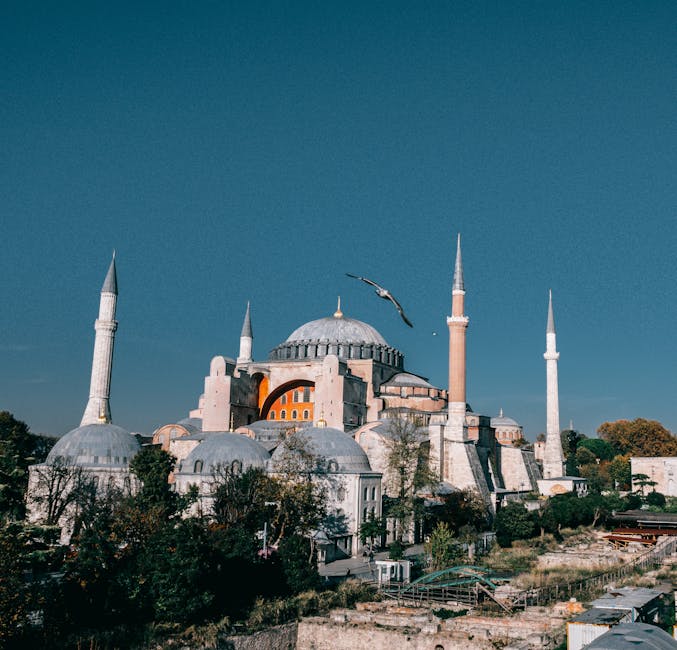
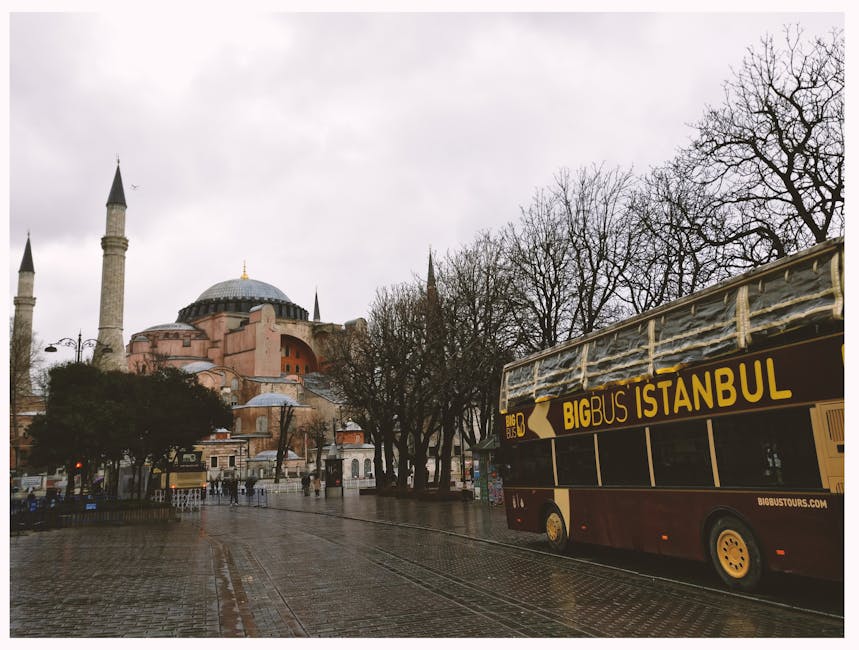
Istanbul’s skyline is instantly recognizable, with domes and minarets rising above the Bosphorus Strait. Start your journey at the Hagia Sophia, a marvel of Byzantine engineering that has served as a church, mosque, and now a museum. Just steps away, the Blue Mosque (Sultanahmet Camii) impresses with its six minarets and hand-painted blue tiles. Across the square, the Basilica Cistern offers an eerie, atmospheric underground experience with its forest of ancient columns and Medusa head bases.
No visit is complete without exploring Topkapı Palace, the former residence of Ottoman sultans. Wander through the Harem, Treasury, and Imperial Council chambers to glimpse royal life centuries ago. Nearby, the Istanbul Archaeological Museums house one of the world’s most important collections of ancient artifacts, including the Alexander Sarcophagus.
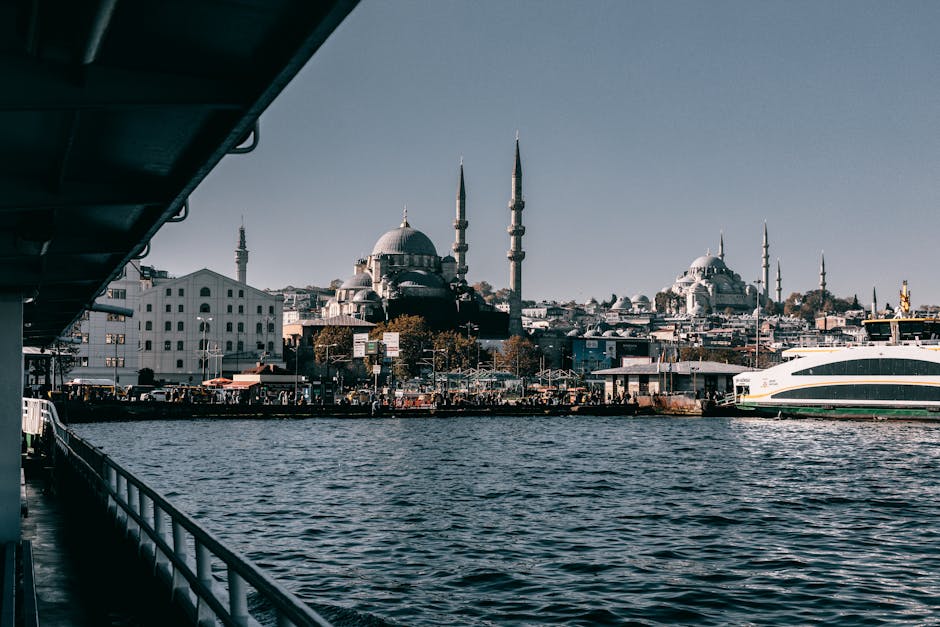
For a different pace, head to the Süleymaniye Mosque, perched on a hill with panoramic views of the Golden Horn. Its peaceful courtyard and elegant design reflect the height of Ottoman architecture. Meanwhile, the Chora Church (Kariye Museum) features some of the finest Byzantine mosaics and frescoes in the city—less crowded than Hagia Sophia but equally stunning.
Must-Visit Neighborhoods
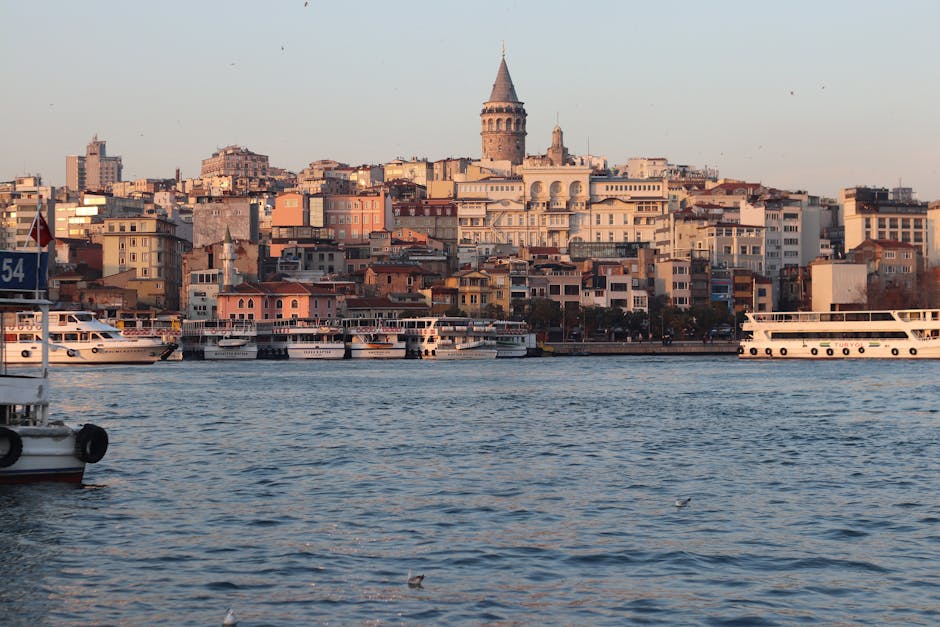
Istanbul’s neighborhoods each tell a unique story. Sultanahmet is the historic heart, ideal for first-time visitors wanting to be near major sights. But don’t limit yourself there. Explore Beyoğlu and the famous İstiklal Avenue, a bustling pedestrian street lined with shops, cafes, and historic tram cars. At the top, the Galata Tower offers 360-degree views and a glimpse into the city’s Genoese past.
Cross the Galata Bridge to Karaköy, a trendy district blending old and new. Once a industrial port, it’s now home to art galleries, design shops, and some of the city’s best brunch spots. Nearby, the Tophane district features the Istanbul Modern Art Museum and waterfront parks perfect for a sunset stroll.
For a more local vibe, wander through Balat and Fener. These colorful, historic neighborhoods along the Golden Horn are filled with pastel-colored houses, antique shops, and family-run eateries. The Bulgarian St. Stephen Church, known as the “Metal Church,” is a standout here—its iron structure is rare and striking.
Cultural Experiences and Local Life
To truly understand Istanbul, step beyond the monuments and into daily life. Start with a traditional Turkish breakfast—think fresh bread, olives, honey, clotted cream, and çay (tea)—at a neighborhood café like Van Kahvaltı Evi in Cihangir. Then, join a guided walking tour focused on street art, food, or history to gain deeper insight from a local perspective.
Visit a local hamam (Turkish bath) for a rejuvenating experience. Çemberlitaş Hamamı and Ayasofya Hürrem Sultan Hamamı are historic options with authentic rituals. Book in advance, especially for women-only sessions, and expect a process involving steam, exfoliation, and a foam massage.
Don’t miss a Bosphorus cruise. Whether you take a public ferry from Eminönü to Üsküdar or book a private sunset tour, the views of palaces, mosques, and waterfront mansions are unforgettable. For something more intimate, try a small-group boat tour that stops at lesser-known spots like the Maiden’s Tower.
Shopping and Markets
Istanbul’s markets are legendary. The Grand Bazaar is one of the world’s oldest covered markets, with over 4,000 shops selling everything from spices to jewelry. While it can be crowded, it’s worth visiting early in the morning to avoid the worst of the crowds. Haggle politely—vendors expect it, but don’t overdo it.
For a more local experience, visit the Spice Bazaar (Mısır Çarşısı) near the Galata Bridge. Sample Turkish delight, dried apricots, and aromatic teas. Nearby, the Kadıköy Market on the Asian side offers fresh produce, seafood, and street food—less touristy and more authentic.
If you’re into antiques or vintage finds, explore Çukurcuma in Beyoğlu. This quiet neighborhood is dotted with small shops selling mid-century furniture, old books, and retro accessories. It’s a favorite among design lovers and collectors.
Food and Dining: A Culinary Journey
Istanbul is a food lover’s paradise. Start with meze—small plates like hummus, eggplant salad, and stuffed grape leaves—shared among friends. Try a traditional kebab at a reputable spot like Hamdi Restaurant near the Grand Bazaar, or opt for a modern twist at Neolokal in Galata.
Street food is equally essential. Grab a simit (sesame-crusted bread ring) from a street vendor, or try balık ekmek—grilled fish sandwiches served from boats along the Eminönü waterfront. For dessert, seek out baklava from Karaköy Güllüoğlu, a family-run shop known for its flaky, syrup-soaked layers.
Vegetarians will find plenty of options, from lentil soups to stuffed vegetables (dolma). Many restaurants offer vegetarian meze platters. Just be aware that “vegetarian” may not always mean meat-free broths—ask if unsure.
For a fine dining experience, consider Mikla, located on the 17th floor of The Marmara Pera. It blends Nordic and Turkish flavors with stunning city views. Reservations are essential.
Coffee and Tea Culture
Turks take their tea seriously—çay is served in small tulip-shaped glasses throughout the day. You’ll find tea gardens in parks, on ferries, and in neighborhood cafes. Try a glass at a traditional çay bahçesi in Emirgan Park.
Coffee culture is also thriving. While Turkish coffee—slow-brewed and unfiltered—is a classic, third-wave coffee shops are popping up in neighborhoods like Cihangir and Moda. Places like Kronotrop and The Coffee Collective serve expertly roasted beans and pour-overs.
Day Trips and Nearby Escapes
If you have extra time, consider a day trip. The Princes’ Islands, a short ferry ride from Kabataş, offer car-free tranquility, Victorian-era houses, and pine forests. Büyükada is the largest and most popular, with bike rentals and a scenic climb to the monastery hill.
Another option is the historic city of Bursa, known for its silk markets, thermal baths, and Mount Uludağ. It’s accessible by a scenic ferry and bus ride. Bursa’s Cumalıkızık village, a UNESCO site, preserves traditional Ottoman architecture.
For a coastal escape, head to the Black Sea town of Şile. It’s about two hours by bus from Istanbul and offers quiet beaches, a historic lighthouse, and fresh seafood. Ideal for a weekend getaway.
Practical Tips for Travelers
Istanbul is generally safe for tourists, but stay aware of your surroundings, especially in crowded areas. Pickpocketing can occur in busy markets and on public transport. Keep your belongings secure and avoid flashing valuables.
Public transportation is efficient and affordable. Get an Istanbulkart for discounted fares on buses, trams, ferries, and the metro. The M2 metro line connects the airport to the city center, while the T1 tram line runs through Sultanahmet, Eminönü, and Karaköy—perfect for sightseeing.
Dress modestly when visiting mosques—cover shoulders and knees, and women should bring a headscarf. Shoes must be removed before entering.
Most museums and major attractions are closed one day a week. Check opening hours in advance. For example, Topkapı Palace is closed on Tuesdays, while the Hagia Sophia has variable hours depending on prayer times.
Best Time to Visit
Spring (April to June) and fall (September to November) offer mild weather and fewer crowds. Summer can be hot and busy, especially in July and August. Winter is cooler and wetter, but you’ll find lower prices and a more local atmosphere.
Ramadan affects opening hours and dining options, as many locals fast during the day. However, it’s also a beautiful time to experience iftar (the evening meal) and nighttime festivities.
Budget-Friendly Options
Istanbul can be affordable with smart planning. Many museums offer free entry on certain days—check the Turkish Ministry of Culture website for updates. Public parks like Gülhane and Yıldız are free and ideal for picnics.
Eat where locals eat. Street food and neighborhood restaurants offer high-quality meals at a fraction of tourist-area prices. A full meal can cost as little as 100–150 TL (about $3–$5 USD).
Walking is often the best way to explore. Most historic sites are within a 30-minute walk of each other in Sultanahmet. Combine walking with tram or ferry rides to cover more ground.
Compact Comparison: Top Istanbul Attractions
| Attraction | Best For | Average Visit Time | Entry Fee (Approx.) |
|---|---|---|---|
| Hagia Sophia | History, Architecture | 1.5 hours | Free (mosque); paid audio guide |
| Topkapı Palace | Ottoman History, Treasures | 3 hours | 150 TL |
| Blue Mosque | Architecture, Prayer | 45 minutes | Free (donations welcome) |
| Grand Bazaar | Shopping, Culture | 2 hours | Free entry |
| Bosphorus Cruise | Scenic Views, Relaxation | 1–2 hours | Public ferry: 20 TL; Private tour: 300+ TL |
Final Thoughts
Istanbul rewards curious travelers with layers of history, vibrant culture, and unforgettable flavors. The best things to do in Istanbul Turkey travel guide aren’t just about ticking off landmarks—they’re about wandering narrow alleys, sipping tea with locals, and feeling the city’s pulse across two continents. With thoughtful planning, you can experience both the iconic and the authentic, creating memories that last long after you’ve crossed the Bosphorus back home.
FAQ
What is the best way to get around Istanbul?
The Istanbulkart is your best bet. It works on all public transport—buses, trams, metro, and ferries—and offers discounted transfers. Buy one at major stations or kiosks.
Is Istanbul safe for solo travelers?
Yes, Istanbul is generally safe for solo travelers, including women. Stick to well-lit, populated areas at night, and avoid isolated spots. Trust your instincts and keep copies of important documents.
Do I need to tip in restaurants?
Tipping is appreciated but not mandatory. A 5–10% tip is common in sit-down restaurants if service charge isn’t included. For cafes and street food, rounding up is sufficient.

