
Best Things to Do in Bangkok Thailand Travel Guide
Bangkok, Thailand’s vibrant capital, blends ancient temples, bustling markets, and modern energy into one unforgettable destination. Whether you’re drawn to ornate palaces, street food alleys, or riverfront sunsets, this guide covers the best things to do in Bangkok—from must-see landmarks to hidden local favorites. With practical tips, neighborhood insights, and a balanced mix of culture, food, and relaxation, you’ll experience the city like a savvy traveler, not a lost tourist.
Top Attractions You Can’t Miss
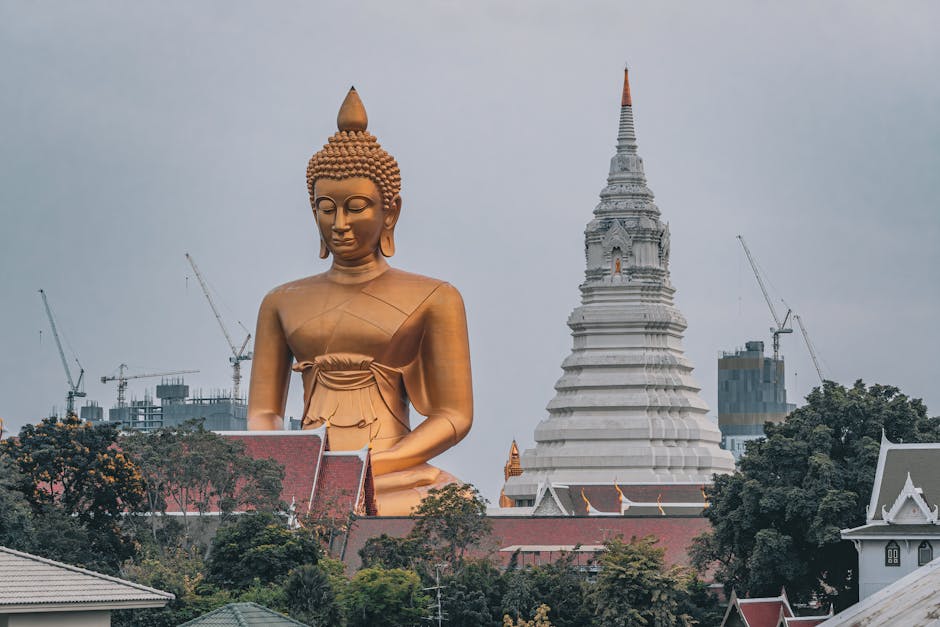
Bangkok’s iconic sights offer a window into Thai history, spirituality, and daily life. Start with the Grand Palace and Wat Phra Kaew, home to the revered Emerald Buddha. The complex dazzles with gold spires, intricate murals, and centuries-old architecture. Dress modestly—shoulders and knees covered—and arrive early to beat the heat and crowds.
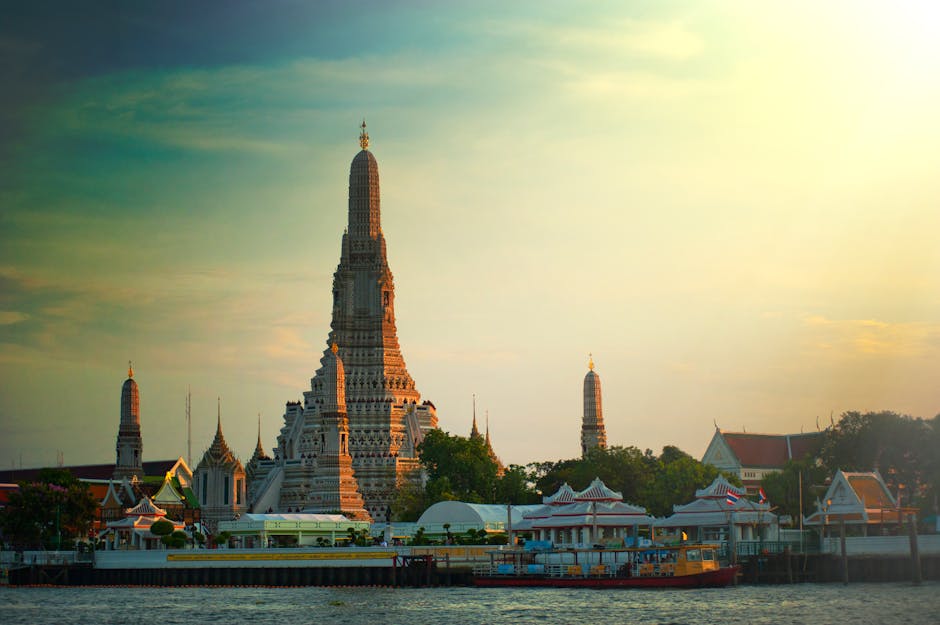
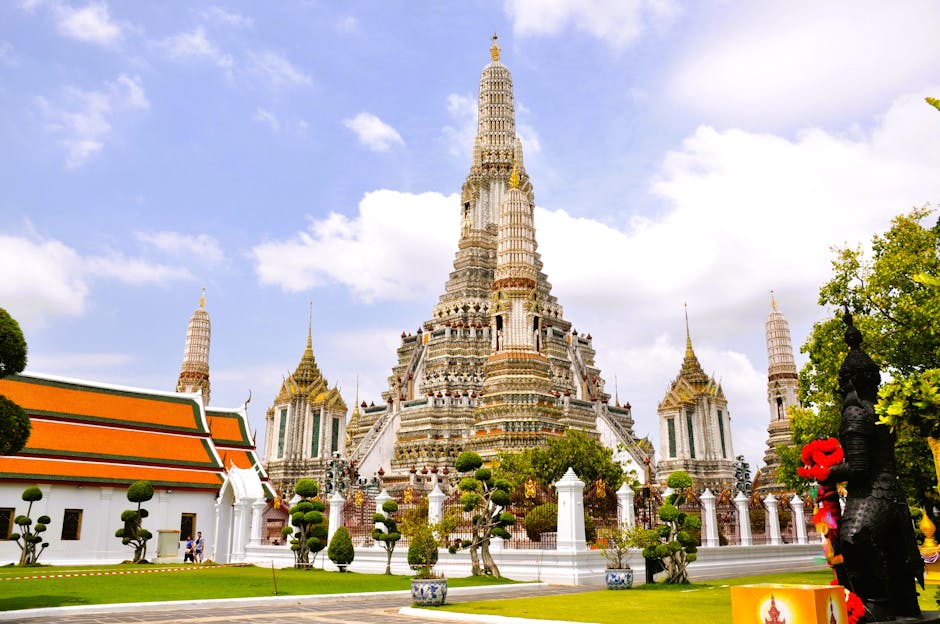
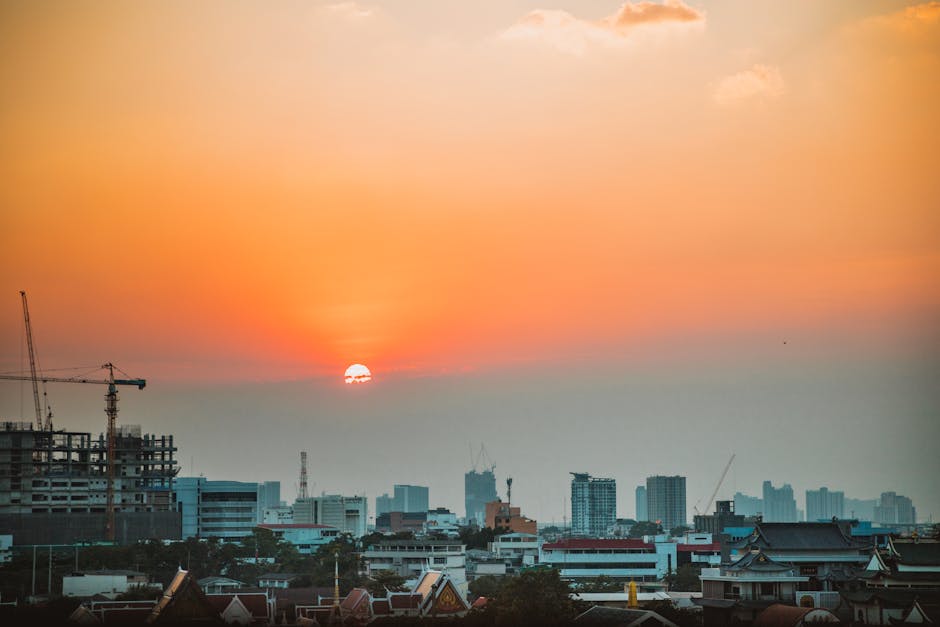
Just a short walk away, Wat Pho houses the massive Reclining Buddha and is considered Thailand’s first public university. It’s also the birthplace of traditional Thai massage—don’t leave without booking a session at the on-site school. Across the Chao Phraya River, Wat Arun (Temple of Dawn) rises dramatically above the water. Climb its steep steps at sunset for panoramic views of the city skyline.
For a different kind of grandeur, visit the Jim Thompson House, a restored teak mansion showcasing Thai art and architecture. It tells the story of an American who revived the Thai silk industry in the mid-20th century. Nearby, the Bangkok Art and Culture Centre offers contemporary exhibitions in a modern setting—ideal for a quiet afternoon after temple-hopping.
How to Visit Temples Respectfully
- Wear clothing that covers shoulders and knees.
- Remove shoes before entering temple buildings.
- Avoid touching monks if you’re a woman—offer items via a male intermediary or place them on a cloth.
- Keep voices low and avoid public displays of affection.
These simple gestures show respect and enhance your experience. Many temples also charge a small entry fee (50–100 THB), so carry cash.
Explore Bangkok’s Neighborhoods Like a Local
Bangkok’s districts each have a distinct personality. Rattanakosin, the historic heart, is where you’ll find the Grand Palace and National Museum. It’s best explored on foot or by tuk-tuk, though traffic can be intense.
Chinatown (Yaowarat) comes alive at night with sizzling woks, neon signs, and open-air seafood stalls. Try crispy pork belly, fresh oysters, and mango sticky rice from street vendors. Arrive hungry and ready to walk—this area rewards curiosity.
Khao San Road, once a backpacker hub, still buzzes with budget travelers, bars, and late-night shopping. It’s fun for a night out but can feel chaotic. For a more authentic vibe, head to Banglamphu’s side streets, where local cafes and artisan shops are replacing the old guesthouses.
Silom and Sukhumvit offer modern comforts: air-conditioned malls, rooftop bars, and international dining. These areas are convenient for first-time visitors, with easy BTS Skytrain access. But don’t miss the quieter corners—like the tucked-away Soi 21 night market or the peaceful Lumphini Park, where locals jog, practice tai chi, or feed monitor lizards.
Where to Stay in Bangkok
Your neighborhood choice depends on travel style. Tourists prioritizing temples and culture should base themselves near Rattanakosin or Banglamphu. Business travelers and those wanting nightlife often prefer Sukhumvit. Families might appreciate the space and amenities in Sathorn or Riverside areas.
Public transport makes getting around easy. The BTS Skytrain and MRT subway connect major districts, while river ferries offer a scenic—and often faster—alternative during rush hour. Avoid taxis in heavy traffic; apps like Grab are more reliable.
Street Food and Dining Experiences
Bangkok’s street food scene is legendary. Vendors serve everything from pad thai and som tam (papaya salad) to grilled satay and coconut ice cream. For a safe and delicious meal, look for stalls with high turnover—fresh ingredients and hot woks are good signs.
Some standout spots include:
- Thip Samai – Famous for pad thai in banana leaves. Open late, cash only.
- Jay Fai – A Michelin-starred street vendor known for crab omelets and drunken noodles. Expect long waits and higher prices.
- Or Tor Kor Market – A clean, high-quality market near Chatuchak. Try mango with sticky rice or fresh coconut juice.
For sit-down meals, try Supanniga Eating Room for elevated Thai comfort food or Err for modern takes on regional dishes. Vegetarians will find plenty of options—look for “jay” (vegan) signs or ask for no fish sauce.
Drink plenty of water, but avoid ice from unknown sources. Bottled water is widely available and affordable.
Day Trips and Nearby Escapes
Bangkok’s energy is exhilarating, but a day trip offers a change of pace. Ayutthaya, a UNESCO World Heritage Site, lies about an hour north by train. Explore the ruins of the ancient capital among moss-covered chedis and Buddha heads entwined in tree roots. Rent a bike to cover more ground.
For a floating market experience, Damnoen Saduak is the most famous—but also the most touristy. Amphawa is a better choice for a local feel, with evening boat tours to see fireflies. Both are accessible by minivan or guided tour.
If you prefer nature, visit the Erawan National Park in Kanchanaburi. The seven-tiered Erawan Falls is perfect for swimming, though weekends get crowded. The Death Railway, built during WWII, adds historical depth to the region.
How to Plan a Day Trip
- Book transportation in advance—trains and minivans sell out.
- Start early to maximize daylight and avoid midday heat.
- Bring sunscreen, insect repellent, and a reusable water bottle.
- Hire a local guide for historical context, especially in Ayutthaya.
Most day trips cost between 800–1,500 THB including transport and entry fees. Group tours offer convenience, while independent travel gives more flexibility.
Shopping in Bangkok: Markets, Malls, and Bargains
Bangkok is a shopper’s paradise. Chatuchak Weekend Market is the largest in Thailand, with over 15,000 stalls selling clothing, antiques, plants, and street food. Go on Friday evening or Saturday/Sunday morning. Bring cash, wear comfortable shoes, and stay hydrated.
For air-conditioned comfort, Siam Paragon, CentralWorld, and EmQuartier offer international brands and upscale dining. MBK Center and Platinum Fashion Mall cater to budget shoppers—great for electronics, souvenirs, and knockoff goods (buyer beware).
Local markets like Talad Rot Fai (Train Market) in Srinakarin combine vintage finds, food trucks, and live music. It’s open weekends only and popular with young Thais.
Always bargain at open-air markets. Start at 30–50% of the asking price and negotiate politely. Fixed-price stores and malls don’t allow haggling.
Nightlife and Entertainment
Bangkok’s nightlife ranges from rooftop cocktails to underground music. Vertigo and Moon Bar at Banyan Tree offers 360-degree city views with craft cocktails. For something more local, head to the bars along Soi Nana or the craft beer scene in Thong Lor.
Traditional performances include Khon masked dance at the National Theatre or a dinner cruise with Thai classical music on the Chao Phraya River. These are tourist-friendly but authentic experiences.
Be cautious with unlicensed taxis and overly persistent touts. Stick to well-lit areas and avoid flashing valuables. The city is generally safe, but petty theft can happen in crowded areas.
Transportation Tips for Getting Around
Bangkok’s traffic is notorious, but its transit system is efficient. The BTS Skytrain (light green and dark green lines) and MRT subway (blue and purple lines) are clean, safe, and air-conditioned. Use the Rabbit Card for BTS or buy single-journey tickets.
River ferries are cheap (10–20 THB) and scenic. The Chao Phraya Express Boat has multiple routes—look for colored flags indicating stops. The orange flag is the most frequent and stops at major piers like Sathorn and Phra Athit.
Tuk-tuks are fun for short rides but often overcharge tourists. Agree on a price before boarding. Motorbike taxis are faster in traffic but riskier—wear a helmet if available.
Walking is pleasant in shaded areas like Lumphini Park or along the river, but sidewalks can be uneven or blocked. Stay alert.
Best Time to Visit Bangkok
Bangkok has three seasons: hot (March–June), rainy (July–October), and cool (November–February). The cool season is the most comfortable for sightseeing, with temperatures around 25–30°C (77–86°F). It’s also peak tourist season, so book accommodations early.
The rainy season brings short, heavy downpours—usually in the afternoon. Umbrellas are cheap and widely sold. Some outdoor markets may close temporarily, but humidity drops afterward.
Avoid major holidays like Songkran (Thai New Year, mid-April) if you dislike crowds and water fights. The city transforms into a massive splash zone—fun for some, overwhelming for others.
Cultural Etiquette and Travel Tips
Thai culture values respect and harmony. The wai—a slight bow with palms together—is a common greeting. Use it when entering temples or greeting elders.
Never touch someone’s head or point your feet at people or Buddha images. Feet are considered the lowest and least clean part of the body.
Tipping isn’t mandatory but appreciated. Round up taxi fares, leave 50–100 THB in sit-down restaurants, or tip massage therapists 10–15%. Avoid handing money directly to monks.
Learn a few Thai phrases: “Sawasdee” (hello), “Khob khun” (thank you), and “Mai pen rai” (no problem). Locals appreciate the effort.
Practical Information for Travelers
Bangkok’s Suvarnabhumi (BKK) and Don Mueang (DMK) airports serve international and domestic flights. The Airport Rail Link connects BKK to the city center in under an hour. Taxis are metered, but confirm the driver uses it.
SIM cards are available at airports and mobile shops. AIS, DTAC, and TrueMove offer affordable data plans—100–200 THB for 7–30 days of high-speed data.
Emergency numbers: Tourist Police (1155), Ambulance (1669), Fire (199). Most signs and announcements are in Thai and English.
Carry a photocopy of your passport and keep the original in a hotel safe. Register with your embassy if staying long-term.
Final Thoughts: Making the Most of Your Bangkok Trip
Bangkok rewards curiosity and patience. The best things to do in Bangkok aren’t just about ticking off attractions—they’re about savoring a mango sticky rice at a night market, watching monks in saffron robes at dawn, or chatting with a vendor who teaches you the Thai word for “delicious.”
Plan your days with balance: one temple, one meal, one local interaction. Use public transport, stay hydrated, and embrace the chaos. With the right mindset, Bangkok will surprise you—not just with its sights, but with its spirit.
FAQ
What is the best time of day to visit the Grand Palace?
The Grand Palace opens at 8:30 AM. Arrive by 8:00 AM to join the first entry group and avoid peak heat and crowds. Mornings are cooler and less congested than midday.
Is Bangkok safe for solo travelers?
Yes, Bangkok is generally safe for solo travelers. Petty theft and scams exist, so stay alert in crowded areas, avoid unlicensed guides, and use trusted transportation. Women traveling alone should take extra precautions at night.
Do I need to speak Thai to get around Bangkok?
No. English is widely spoken in tourist areas, hotels, and transit hubs. Learning basic Thai phrases enhances interactions, but most signs and menus have English translations.
Comparison of Bangkok’s Top Temples
| Temple | Highlight | Entry Fee (THB) | Best Time to Visit |
|---|---|---|---|
| Wat Phra Kaew (Grand Palace) | Emerald Buddha, royal architecture | 500 | 8:30 AM–11:30 AM |
| Wat Pho | Reclining Buddha, Thai massage school | 200 | 8:00 AM–6:00 PM |
| Wat Arun | Riverside views, steep climb | 100 | Sunset (5:30 PM–7:00 PM) |

