
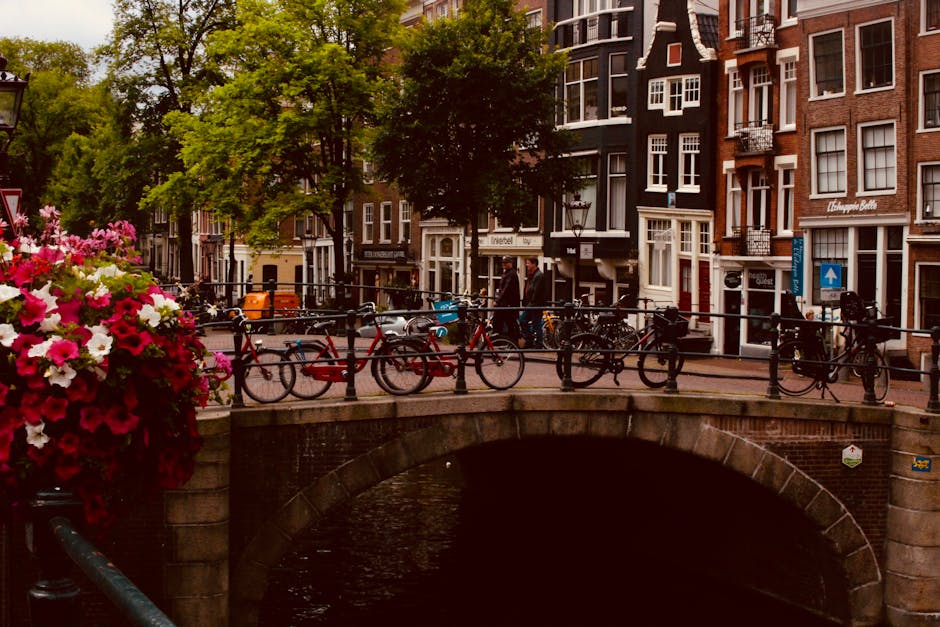
Best Things to Do in Amsterdam Travel Guide
Best Things to Do in Amsterdam Travel Guide
Amsterdam, the vibrant capital of the Netherlands, blends historic charm with modern energy, making it one of Europe’s most popular travel destinations. Whether you’re drawn to world-class museums, picturesque canals, or lively neighborhoods, this guide covers the best things to do in Amsterdam for first-time visitors and repeat travelers alike. From iconic landmarks like the Anne Frank House and Rijksmuseum to hidden gems in the Jordaan district, you’ll find a mix of culture, history, and local flavor. This travel guide offers practical insights, must-see attractions, seasonal tips, and essential planning advice to help you make the most of your Amsterdam trip—without the overwhelm.
Top Attractions You Can’t Miss
Amsterdam’s reputation as a cultural hub is well-earned. The city is home to some of the world’s most renowned museums, architectural marvels, and scenic waterways. Start your journey with the essentials—these attractions consistently rank among the best things to do in Amsterdam for good reason.
Visit the Rijksmuseum
The Rijksmuseum is the Netherlands’ premier art and history museum, housing masterpieces by Dutch Golden Age painters like Rembrandt, Vermeer, and Frans Hals. The museum’s centerpiece is Rembrandt’s The Night Watch, displayed in a dedicated gallery with dramatic lighting. Plan at least two to three hours to explore the collection, which spans 800 years of Dutch art and innovation. Book tickets online in advance to skip the line, especially during peak seasons.
Explore the Anne Frank House
A visit to the Anne Frank House is both moving and essential. This museum preserves the secret annex where Anne Frank and her family hid during World War II. The original diary is on display, along with personal artifacts and historical context. Due to high demand, tickets must be reserved online weeks ahead—same-day entry is rarely available. Arrive early or consider a guided tour for deeper insight. The emotional weight of the site makes it one of the most meaningful stops on any Amsterdam itinerary.
Stroll Through the Van Gogh Museum
Dedicated entirely to the life and work of Vincent van Gogh, this museum holds the largest collection of his paintings and drawings in the world. Highlights include The Potato Eaters, Sunflowers, and Almond Blossom. The museum also explores his personal letters and artistic evolution. Like other major museums, timed-entry tickets are required and should be booked in advance. The museum is located in Museumplein, making it easy to combine with visits to the Rijksmuseum and Stedelijk Museum.
Walk or Bike Along the Canals
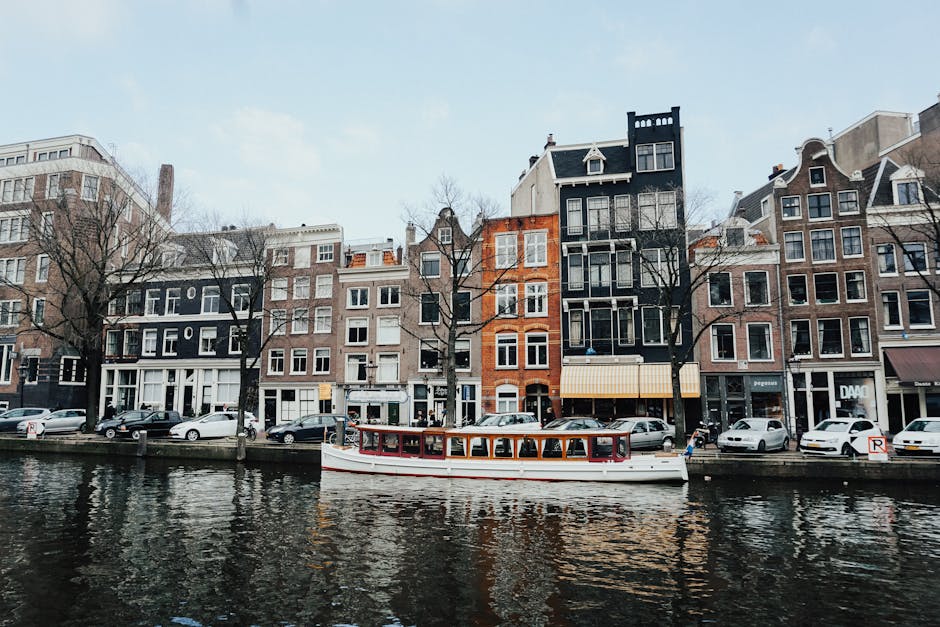
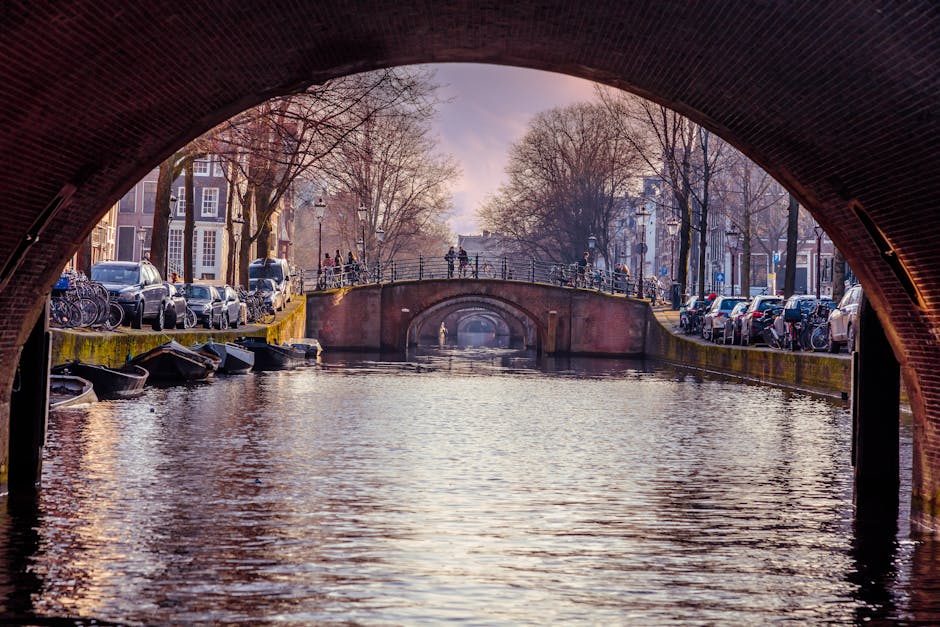
Amsterdam’s canal ring, a UNESCO World Heritage site, is best experienced on foot or by bicycle. The three main canals—Herengracht, Keizersgracht, and Prinsengracht—form concentric rings around the city center. Rent a bike from a reputable shop like Yellow Bike or MacBike, and follow designated paths to explore at your own pace. Popular routes include a ride from Leidseplein to Vondelpark or a loop through the quieter streets of the Jordaan. Always follow traffic rules: bikes have right of way over pedestrians, and sidewalk cycling is illegal.
Take a Canal Cruise
A canal cruise offers a unique perspective of Amsterdam’s architecture and history. Daytime tours are ideal for sightseeing, while evening cruises often include dinner or drinks. Opt for smaller, electric boats to avoid crowds and reduce environmental impact. Many companies offer hop-on-hop-off options, allowing you to disembark at key points like the Hermitage Amsterdam or the Nine Streets shopping area. Avoid overly touristy dinner cruises with pre-recorded commentary—live guides provide richer context.
Neighborhoods to Explore
Amsterdam’s character shines through its diverse neighborhoods. Each district offers a distinct atmosphere, from historic charm to contemporary flair. Spend time wandering these areas to experience the city like a local.
Jordaan: Historic and Quaint
Once a working-class district, the Jordaan is now one of Amsterdam’s most desirable neighborhoods. Its narrow streets, hidden courtyards (hofjes), and boutique shops create a peaceful retreat from the busier tourist zones. Stop by the Noordermarkt on Saturdays for the organic farmers’ market, or enjoy a coffee at Winkel 43, famous for its apple pie. The area is also home to art galleries and independent designers, making it perfect for a relaxed afternoon stroll.
De Pijp: Vibrant and Multicultural
De Pijp pulses with energy, thanks to its diverse population and lively food scene. The Albert Cuyp Market, Amsterdam’s largest street market, runs daily and offers everything from fresh stroopwafels to Indonesian snacks. Nearby, the Heineken Experience provides a fun look at the city’s most famous brewery. For a quieter moment, visit Sarphatipark or enjoy craft beer at Brouwerij ’t IJ, a windmill-powered brewery just outside the neighborhood.
Oud-West: Trendy and Local
Oud-West blends residential comfort with creative energy. This area is popular with young professionals and families, offering excellent cafes, vintage stores, and green spaces like the Posthoornpark. Check out the Foodhallen, an indoor street food market with international cuisine, or catch live music at Bimhuis, a renowned jazz venue. Oud-West is also home to the FOAM photography museum, ideal for art lovers seeking something different.
Centrum: The Heart of the City
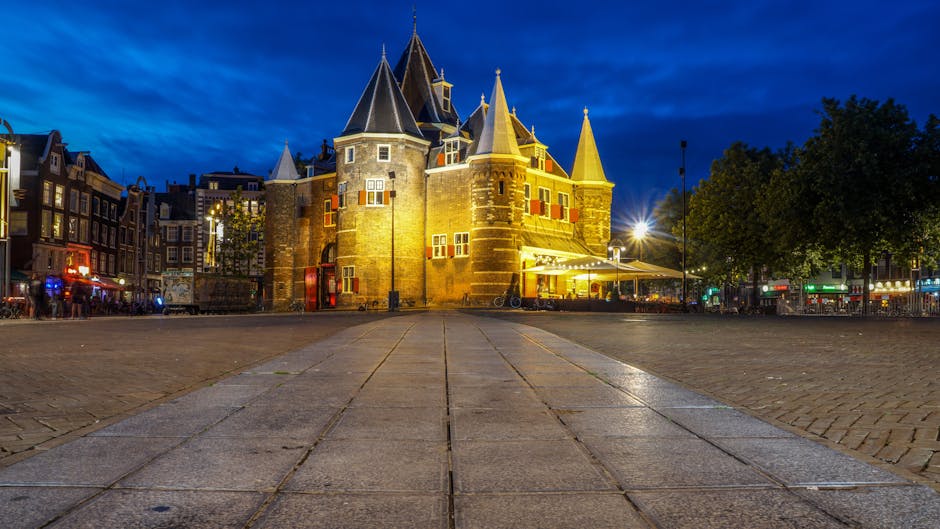
The Centrum district includes Dam Square, the Red Light District, and the bustling shopping streets around Kalverstraat. While the Red Light District attracts attention, it’s important to be respectful—photography of workers is prohibited, and loud behavior is frowned upon. Instead, explore the area’s historic churches, like the Nieuwe Kerk, or visit the Amsterdam Museum to learn about the city’s evolution. Centrum is also the starting point for many walking tours, including those focused on architecture or local legends.
Cultural Experiences and Local Flavors
To truly appreciate Amsterdam, go beyond the postcard sights and engage with its culture. Food, art, and daily life offer rich experiences that reveal the city’s soul.
Try Dutch Cuisine
Amsterdam’s food scene reflects its global influences, but traditional Dutch dishes remain a highlight. Sample bitterballen (deep-fried meatballs) with mustard at a brown café like Café de Prins, or try haring (raw herring) from a street vendor—best eaten with onions and pickles. For a sit-down meal, visit Moeders, known for its home-style Dutch cooking and personalized plates. Vegetarians will find plenty of options, including kaas (cheese) platters and erwtensoep (pea soup).
Visit a Local Market
Markets are central to Amsterdam’s daily life. The Albert Cuyp Market in De Pijp is the most famous, but smaller markets like the Dappermarkt in Oost offer a more local vibe. For flowers, the Bloemenmarkt—floating on the Singel canal—is iconic, though it’s more tourist-oriented. The best time to visit is early morning when vendors are setting up and the selection is freshest.
Experience Amsterdam’s Coffee Culture
Amsterdam’s café culture is distinct from its coffee shops (which primarily serve cannabis). For quality coffee, head to spots like Lot Sixty One or Screaming Beans, both known for expertly roasted beans and skilled baristas. Many cafes also serve light meals and pastries, making them ideal for a midday break. Avoid chain cafes in tourist-heavy areas—local spots offer better value and atmosphere.
Day Trips and Nearby Excursions
While Amsterdam has plenty to offer, its central location makes it a great base for exploring the Netherlands. These day trips are easily accessible by train or bike.
Zaanse Schans: Windmills and Tradition
Just 20 minutes by train from Amsterdam Central Station, Zaanse Schans offers a glimpse into traditional Dutch life. This open-air museum features historic windmills, wooden houses, and artisan workshops where you can watch clog-making or cheese production. Visit the Zaans Museum for context, and try freshly made stroopwafels at one of the on-site bakeries. Go mid-week to avoid crowds.
Haarlem: Historic Charm
Haarlem, a 15-minute train ride away, feels like a smaller, more relaxed version of Amsterdam. Its Grote Markt is surrounded by colorful buildings and cafes, and the Frans Hals Museum showcases Dutch Golden Age art. The city is also known for its tulip fields in spring—rent a bike and cycle through the surrounding countryside for stunning views.
Keukenhof: The Garden of Europe
If you’re visiting in spring (mid-March to mid-May), Keukenhof is a must. Located near Lisse, this 32-hectare garden features over seven million bulbs, including tulips, daffodils, and hyacinths. Book tickets online in advance, as the site can get extremely busy. Combine your visit with a stop in Haarlem or Leiden for a full day of floral beauty and historic charm.
Practical Tips for Travelers
Amsterdam is generally safe and easy to navigate, but a few practical tips will help you avoid common pitfalls.
Transportation: Bikes, Trains, and Trams
Amsterdam’s public transit system is efficient and well-connected. Use the GVB app to plan routes and buy tickets for trams, buses, and metro lines. An OV-chipkaart or contactless payment is required. For short stays, consider a 1- to 7-day public transport pass. Biking is the fastest way to get around—just remember to lock your bike securely and follow traffic signals. Avoid riding on sidewalks or through red lights, as fines are strictly enforced.
Weather and Packing
Amsterdam’s weather is unpredictable, with rain possible any time of year. Pack layers, a waterproof jacket, and comfortable walking shoes. In summer, temperatures rarely exceed 25°C (77°F), while winter can be cold and damp. Umbrellas are useful, but a compact raincoat is more practical for biking. Don’t forget a power adapter—the Netherlands uses Type F outlets (230V).
Safety and Etiquette
Amsterdam is one of Europe’s safest cities, but petty crime like pickpocketing occurs in crowded areas. Keep your belongings secure, especially on trams and in markets. Be respectful in residential neighborhoods—loud behavior late at night can disturb locals. In the Red Light District, avoid photography and maintain a respectful distance. Tipping is not mandatory but appreciated—rounding up the bill or leaving 5–10% in restaurants is common.
Money and Budgeting
The euro (€) is the official currency. Credit and debit cards are widely accepted, even at small vendors. Inform your bank of your travel plans to avoid card issues. ATMs are plentiful, but avoid those in tourist areas with high fees. Budget travelers can save by eating at markets, using public transit, and visiting free attractions like Vondelpark or the Begijnhof courtyard.
Seasonal Highlights
The best time to visit depends on your interests. Each season offers unique experiences.
Spring (March–May)
Spring brings blooming tulips, mild weather, and outdoor festivals. King’s Day (April 27) turns the city into a sea of orange, with street parties and flea markets. Book accommodations early, as this is peak tourist season.
Summer (June–August)
Long days and warm weather make summer ideal for canal cruises, park picnics, and outdoor dining. However, crowds are at their peak, and prices rise. Visit early in the morning or late in the evening to avoid the busiest times.
Autumn (September–November)
Fall offers fewer tourists, lower prices, and golden foliage along the canals. It’s a great time for museum visits and cozy café stops. Rain is more frequent, so pack accordingly.
Winter (December–February)
Winter in Amsterdam is cold and dark, but the city sparkles with holiday lights and ice-skating rinks. The Amsterdam Light Festival in December features stunning light installations across the canals. Indoor attractions like museums and theaters are ideal during this season.
Comparison of Popular Amsterdam Attractions
| Attraction | Best For | Entry Fee (Approx.) | Recommended Visit Time | Booking Required? |
|---|---|---|---|---|
| Rijksmuseum | Art & History | €22.50 | 2–3 hours | Yes (online) |
| Anne Frank House | History & Reflection | €16 | 1–2 hours | Yes (weeks ahead) |
| Van Gogh Museum | Art Enthusiasts | €20 | 1.5–2 hours | Yes (online) |
| Canal Cruise | Sightseeing | €18–€35 | 1 hour | Optional |
| Keukenhof (Spring Only) | Nature & Photography | €20 | 3–4 hours | Yes (online) |
Final Thoughts
Amsterdam offers a rich blend of history, culture, and modern life, making it a destination that rewards both short visits and extended stays. From world-famous museums to quiet canal-side walks, the best things to do in Amsterdam cater to a wide range of interests. Plan ahead for major attractions, embrace the local rhythm, and allow time to wander—some of the city’s greatest discoveries happen off the beaten path. Whether you’re exploring on foot, by bike, or by boat, Amsterdam invites you to slow down, look closely, and enjoy every moment.
FAQ
What is the best time of year to visit Amsterdam?
The best time depends on your preferences. Spring (April–May) offers tulips and festivals, while summer provides long days and outdoor activities. Autumn is quieter and more affordable, and winter features holiday charm and indoor cultural experiences.
Do I need to speak Dutch to get around Amsterdam?
No. Most Amsterdammers speak excellent English, especially in tourist areas. Signs are often in Dutch and English, and staff at hotels, museums, and restaurants are accustomed to international visitors.
Is Amsterdam safe for solo travelers?
Yes, Amsterdam is generally safe for solo travelers. As with any major city, stay aware of your surroundings, avoid poorly lit areas at night, and keep valuables secure. Public transportation is reliable and safe, even late at night.

