
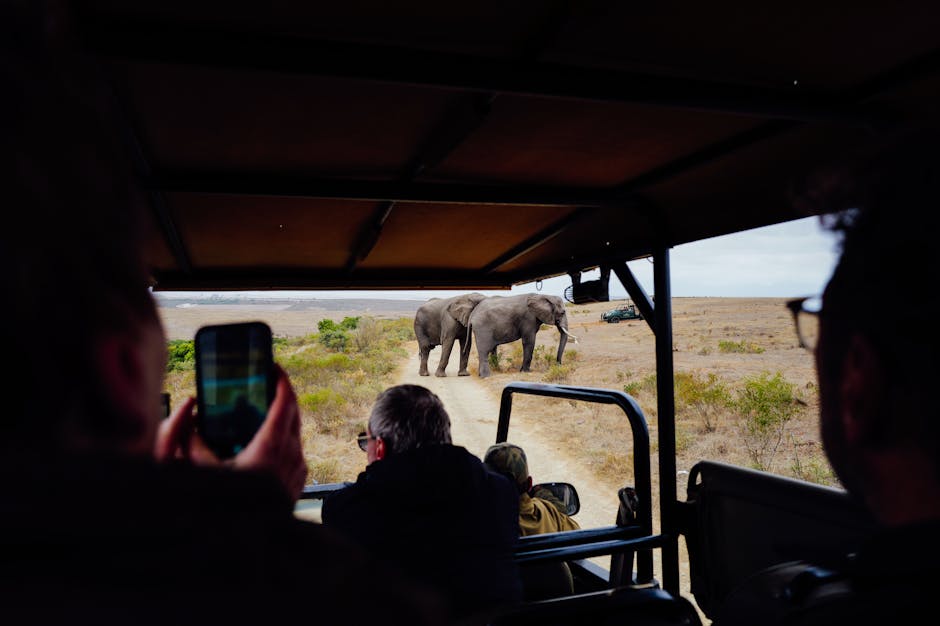
Best Safari Destinations in Africa Guide
{
“content_html”: “
Best Safari Destinations in Africa Guide
n
Choosing the best safari destinations in Africa depends on what you want to see and experience. From the vast plains of the Serengeti to the wetlands of the Okavango Delta, Africa offers some of the world’s most iconic wildlife encounters. This guide highlights top safari locations across the continent, helping you compare landscapes, wildlife, seasons, and travel logistics. Whether you’re after the Big Five, birdwatching, or a luxury tented camp, these destinations deliver unforgettable adventures. We’ll cover where to go, when to visit, what to expect, and practical tips to help you plan a safari that fits your interests and budget.
nn
Why Africa Remains the Ultimate Safari Continent
n
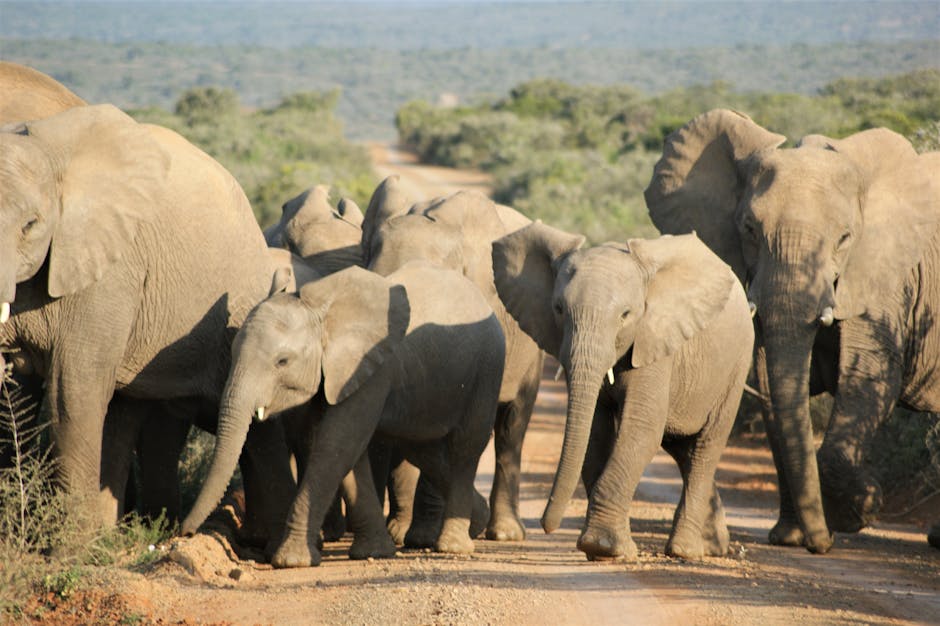
Africa’s reputation as the premier safari destination is well-earned. The continent hosts the largest diversity of large mammals on Earth, including lions, elephants, leopards, rhinos, and buffaloes—collectively known as the Big Five. Beyond these, you’ll find cheetahs, giraffes, zebras, hippos, crocodiles, and hundreds of bird species. National parks and private conservancies offer varying levels of accessibility, comfort, and exclusivity. Unlike zoos or wildlife reserves elsewhere, African safaris provide opportunities to observe animals in their natural habitats, often during dramatic migrations or predator-prey interactions. Conservation efforts in countries like Kenya, Tanzania, Botswana, and South Africa have helped stabilize populations of endangered species, making ethical wildlife tourism both possible and impactful.
nn
Top Safari Destinations in Africa
n
Not all safari experiences are the same. Some parks are known for high-density wildlife sightings, while others offer solitude and unique ecosystems. Below are six of the most respected and rewarding safari destinations, each with distinct advantages.

nn
1. Serengeti National Park, Tanzania
n
The Serengeti is synonymous with the great wildebeest migration, one of nature’s most spectacular events. Each year, over 1.5 million wildebeest, along with hundreds of thousands of zebras and gazelles, traverse the plains in search of fresh grazing. Predators like lions, hyenas, and crocodiles follow closely behind. The park spans 14,750 square kilometers and includes grasslands, woodlands, and riverine forests. The migration typically moves in a clockwise pattern, with river crossings at the Grumeti and Mara Rivers being particularly dramatic. The best time to witness the migration depends on the location: December to July in the southern and central Serengeti, August to October in the northern sector.
n
Accommodations range from basic camps to luxury lodges. Many visitors combine the Serengeti with a trip to the Ngorongoro Crater, just a few hours away. The crater is a UNESCO World Heritage Site and offers one of the highest concentrations of wildlife in Africa, including a rare population of black rhinos.
nn
2. Maasai Mara National Reserve, Kenya
n
The Maasai Mara is often considered the northern extension of the Serengeti ecosystem. It’s famous for its abundant lion prides and the dramatic Mara River crossings during the migration (July to October). Unlike the Serengeti, the Mara allows off-road driving and night game drives in private conservancies, increasing the chances of spotting elusive animals like leopards and nocturnal species. The reserve is named after the Maasai people, who have lived in harmony with wildlife for centuries and still play a vital role in conservation.
n
Staying in a private conservancy adjacent to the national reserve offers a more exclusive experience with fewer vehicles and greater flexibility. Conservancies also contribute directly to community development and wildlife protection. The Mara is accessible year-round, but the dry season (June to October) offers the best visibility and predator activity.
nn
3. Okavango Delta, Botswana
n
The Okavango Delta is a UNESCO World Heritage Site and one of Africa’s most unique ecosystems. Fed by the Okavango River, it floods annually, creating a labyrinth of lagoons, channels, and islands in the middle of the Kalahari Desert. This seasonal flooding supports an extraordinary diversity of wildlife, including elephants, hippos, lions, leopards, and rare species like sitatunga antelope and African wild dogs.
n
Safaris here often include mokoro (dugout canoe) excursions, walking safaris, and boat rides—offering a different perspective from traditional game drives. The delta is best visited during the dry season (May to October), when water levels are high and wildlife congregates around permanent water sources. Due to strict conservation policies, visitor numbers are limited, and accommodations are typically high-end, small camps that emphasize sustainability and minimal environmental impact.
nn
4. Kruger National Park, South Africa
n
Kruger is one of Africa’s largest and most accessible national parks, covering nearly 20,000 square kilometers. It’s home to all the Big Five and over 140 mammal species, 500 bird species, and diverse vegetation types—from savanna to riverine forest. The park is divided into multiple regions, each with its own character. The southern section near Skukuza tends to have higher wildlife density, while the northern areas are more remote and less crowded.
n
One of Kruger’s biggest advantages is self-drive safaris. Visitors can rent a vehicle and explore designated routes with clear signage and rest camps. Guided game drives and walking safaris are also available. The park is malaria-free in the southern parts, making it a good option for families. The best time to visit is during the dry winter months (May to September), when animals gather around waterholes and visibility is excellent.
nn
5. South Luangwa National Park, Zambia
n
South Luangwa is often credited as the birthplace of walking safaris. The park’s dense riverine forest and the Luangwa River support high concentrations of leopards, elephants, and hippos. It’s particularly renowned for its leopard sightings, especially during the dry season (May to October), when trees are bare and animals are easier to spot.
n
The park is less developed than others on this list, offering a more rugged and authentic experience. Most camps are small and owner-operated, with a strong focus on conservation and community involvement. Night drives are permitted, allowing visitors to observe nocturnal species like bush babies, civets, and genets. South Luangwa is ideal for travelers seeking a quieter, more intimate safari away from large crowds.
nn
6. Etosha National Park, Namibia
n
Etosha is defined by its vast salt pan, visible from space, and surrounded by grasslands and waterholes. The pan itself is mostly dry, but the surrounding areas attract large numbers of animals, especially during the dry season (May to October). Etosha’s waterholes are legendary—many are floodlit at night, allowing for exceptional wildlife viewing without leaving your vehicle.
n
The park is home to endangered species like the black rhino and cheetah, as well as unique desert-adapted elephants. Self-drive safaris are popular, and the park’s infrastructure includes well-maintained roads and comfortable rest camps. Etosha is also malaria-free, making it a safe choice for families. The dry season offers the best wildlife sightings, while the wet season (November to April) transforms the landscape into a lush haven for migratory birds.
nn
When to Go: Safari Seasons Across Africa
n
Timing your safari is crucial. Wildlife behavior, weather, and crowd levels vary significantly by season and region. In general, the dry season is preferred across most destinations because animals congregate around water sources, vegetation is thinner, and insects are fewer. However, the wet season has its advantages: landscapes are greener, newborn animals are common, and birdlife is abundant.
n
In East Africa (Kenya and Tanzania), the long dry season runs from June to October, coinciding with the wildebeest migration in the Mara. The short dry season is January to February. The wet seasons (March to May and November) can make roads impassable but offer lower prices and fewer tourists.
n
In Southern Africa (Botswana, Zambia, South Africa, Namibia), the dry winter months (May to October) are ideal. The wet summer (November to April) brings thunderstorms and lush scenery but can limit access to remote areas. Always check regional conditions before booking.
nn
Choosing the Right Safari Type
n
Safaris come in many forms, each suited to different preferences and budgets. Understanding your options helps you select the best experience.
nn
Game Drives
n
The most common safari activity, game drives involve traveling in open-sided vehicles with a guide and tracker. They allow you to cover large distances and spot a wide range of animals. Most parks offer morning and evening drives, when animals are most active. Some lodges include night drives, which can reveal nocturnal species not seen during the day.
nn
Walking Safaris
n
Walking safaris offer a more immersive and intimate experience. Led by armed guides, these slow-paced excursions teach you about tracks, plants, insects, and animal behavior. They’re available in many parks, including South Luangwa, Kruger, and private conservancies in Kenya and Tanzania. Walking is not permitted in all national parks due to safety concerns, so check regulations in advance.
nn
Boat and Mokoro Safaris
n
In wetland areas like the Okavango Delta and Chobe National Park (Botswana), water-based safaris are a highlight. Mokoro rides in the delta glide silently through channels, offering close encounters with birds, hippos, and crocodiles. In Chobe, boat cruises along the Chobe River provide excellent elephant and buffalo sightings, especially at sunset.
nn
Hot Air Balloon Safaris
n
For a bird’s-eye view, hot air balloon rides are available in the Serengeti, Maasai Mara, and Victoria Falls. These early morning flights offer panoramic views of the landscape and wildlife below, often followed by a champagne breakfast. They’re weather-dependent and typically more expensive than ground activities.
nn
Accommodation Options: From Budget to Luxury
n
Safari lodges and camps vary widely in style, comfort, and price. Choosing the right one depends on your budget, travel style, and desired level of immersion.
nn
Tented Camps
n
Tented camps range from basic mobile units to luxury setups with en-suite bathrooms, hot water, and gourmet meals. Mobile camps follow the migration in the Serengeti and Mara, offering front-row seats to wildlife action. Permanent tented camps provide more stability and amenities. They’re ideal for travelers who want an authentic bush experience without sacrificing comfort.
nn
Lodges
n
Lodges are typically permanent structures with multiple rooms, restaurants, pools, and guided activities. They’re common in Kruger, Etosha, and the Okavango Delta. Lodges vary from mid-range to ultra-luxury, with some offering spa services, Wi-Fi, and family-friendly facilities. They’re a good choice for first-time safari-goers or those seeking more amenities.
nn
Self-Catering and Rest Camps
n
For budget travelers, national parks like Kruger and Etosha offer self-catering rest camps with basic cabins, kitchens, and communal facilities. These allow you to save money and enjoy the flexibility of self-driving. However, you’ll need to bring your own food and supplies, and wildlife can wander through campsites, so caution is essential.
nn
Planning Your Safari: Key Considerations
n
A successful safari requires careful planning. Here are essential factors to consider before you book.
nn
1. Budget
n
Safaris can range from $150 to $1,500 per person per day, depending on location, accommodation, and inclusions. East Africa tends to be more expensive than Southern Africa due to higher park fees and limited infrastructure. Botswana is among the most costly, with a focus on low-volume, high-cost tourism. South Africa and Namibia offer more budget-friendly options, especially with self-drive safaris.
nn
2. Travel Insurance
n
Comprehensive travel insurance is essential. It should cover medical emergencies, evacuation, trip cancellations, and gear loss. Some policies exclude high-risk activities like walking safaris or balloon rides, so read the fine print.
nn
3. Vaccinations and Health
n
Yellow fever vaccination is required for entry into some countries. Malaria prophylaxis is recommended for most safari destinations, especially in East and Southern Africa. Consult a travel clinic at least 4–6 weeks before departure. Pack insect repellent, sunscreen, and a basic first-aid kit.
nn
4. Packing Essentials
n
Pack neutral-colored clothing (khaki, olive, beige), a wide-brimmed hat, binoculars, a good camera with extra batteries, and a reusable water bottle. Avoid bright colors and perfumes, which can attract insects. A headlamp is useful for nighttime walks to the bathroom at remote camps.
nn
5. Ethical Tourism
n
Choose operators and lodges that support conservation and local communities. Look for certifications like Fair Trade Tourism or membership in organizations like the African Travel and Tourism Association. Avoid activities that exploit animals, such as riding elephants or visiting orphanages that separate young animals from their mothers.
nn
Compact Safari Destination Comparison
n
| Destination | Best For | Best Time to Visit | Key Highlights | Estimated Cost (per day) |
|---|---|---|---|---|
| Serengeti, Tanzania | Great Migration | Dec–Jul (south), Aug–Oct (north) | Wildebeest river crossings, Big Five | $400–$800 |
| Maasai Mara, Kenya | Lions & Migration | Jul–Oct | Mara River crossings, night drives | $350–$700 |
| Okavango Delta, Botswana | Water Safaris | May–Oct | Mokoro rides, wild dogs, luxury camps | $600–$1,200 |
| Kruger, South Africa | Self-Drive & Families | May–Sep | Big Five, rest camps, accessibility | $150–$400 |
| South Luangwa, Zambia | Walking Safaris | May–Oct | Leopards, night drives, authenticity | $300–$600 |
| Etosha, Namibia | Waterhole Viewing | May–Oct | Salt pan, rhinos, floodlit waterholes | $200–$500 |
nn
Common Safari Mistakes to Avoid
n
Even experienced travelers can make errors that diminish their safari experience. Here are common pitfalls and how to avoid them.
nn
1. Overpacking Your Itinerary
n
Trying to visit too many parks in one trip can lead to exhaustion and less time for actual game viewing. Limit yourself to two or three destinations per trip, especially if traveling long distances. Allow time for rest and unexpected delays.
nn
2. Ignoring the Weather
n
Traveling during the wrong season can result in poor wildlife sightings or impassable roads. Research seasonal patterns and pack accordingly. For example, don’t expect lush scenery in the Serengeti during the dry season, or easy driving in Kruger during the rains.
nn
3. Choosing Based on Price Alone
n
The cheapest option isn’t always the best. Low-cost tours may use inexperienced guides, overcrowded vehicles, or substandard accommodations. Read reviews, ask about guide qualifications, and verify park entry fees are included.
nn
4. Forgetting Binoculars or a Camera
n
Animals can be far away, especially in open plains. A good pair of binoculars (8

