

Best Road Trips in USA Travel Guide
Best Road Trips in USA Travel Guide
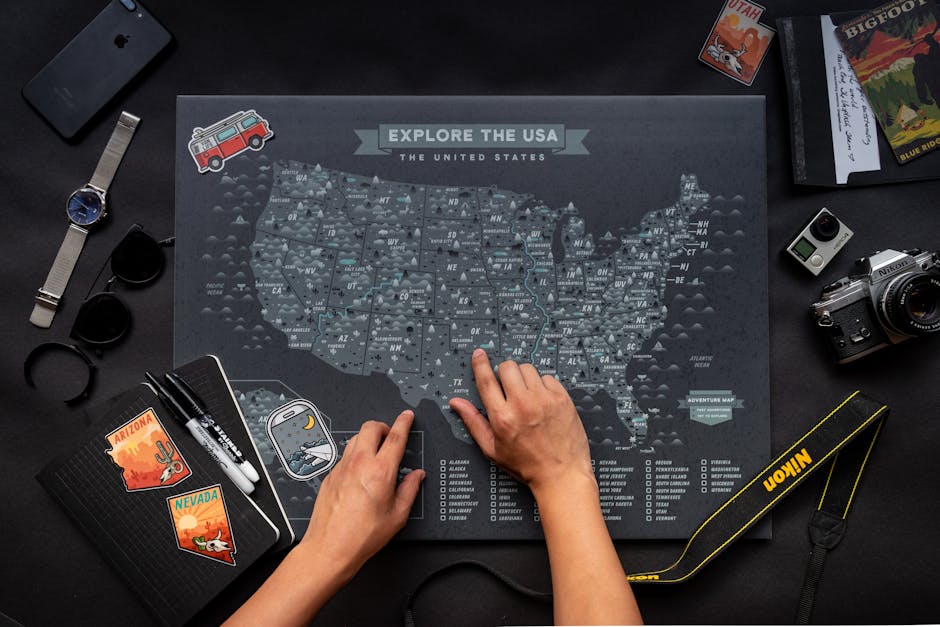
Planning your next adventure? This guide covers the best road trips in USA, from iconic coastal drives to rugged mountain routes. Whether you’re after scenic views, historic towns, or national parks, these journeys offer unforgettable experiences across America’s diverse landscapes. We’ve selected top routes based on scenery, accessibility, and cultural value—each with practical tips to help you prepare, pack, and travel safely.

Why Road Trips Are a Classic American Experience
Road tripping has long been a beloved way to explore the United States. Unlike flying, driving allows you to stop at hidden gems, change course on a whim, and truly absorb the rhythm of the land. With over 4 million miles of public roads, the U.S. offers unparalleled freedom for travelers seeking connection with nature, history, and local culture. The best road trips in USA balance must-see destinations with lesser-known stops, giving you a fuller picture of the country than any guidebook can.
Top 5 Best Road Trips in USA
Below are five of the most rewarding road trips in the U.S., each offering unique landscapes, attractions, and driving conditions. These routes span different regions and seasons, so you can choose one that fits your schedule and interests.
1. Pacific Coast Highway (California)
Stretching over 650 miles from San Francisco to San Diego, the Pacific Coast Highway (PCH), or Highway 1, is arguably the most scenic drive in the country. Winding along dramatic cliffs, through redwood forests, and past pristine beaches, this route rewards travelers with ocean vistas at every turn.
Key stops include Monterey’s Cannery Row, Big Sur’s Bixby Creek Bridge, Hearst Castle in San Simeon, and Santa Barbara’s Spanish-style architecture. For the full experience, allow 7–10 days. Be aware that landslides occasionally close sections of Highway 1, especially after winter storms—check Caltrans for road conditions before departing.
2. Route 66 (Chicago to Santa Monica)
Known as the “Mother Road,” Route 66 spans over 2,400 miles across eight states, from Chicago, Illinois, to Santa Monica, California. Though much of the original route has been replaced by interstates, preserved segments still offer a nostalgic journey through small towns, vintage motels, and classic Americana.
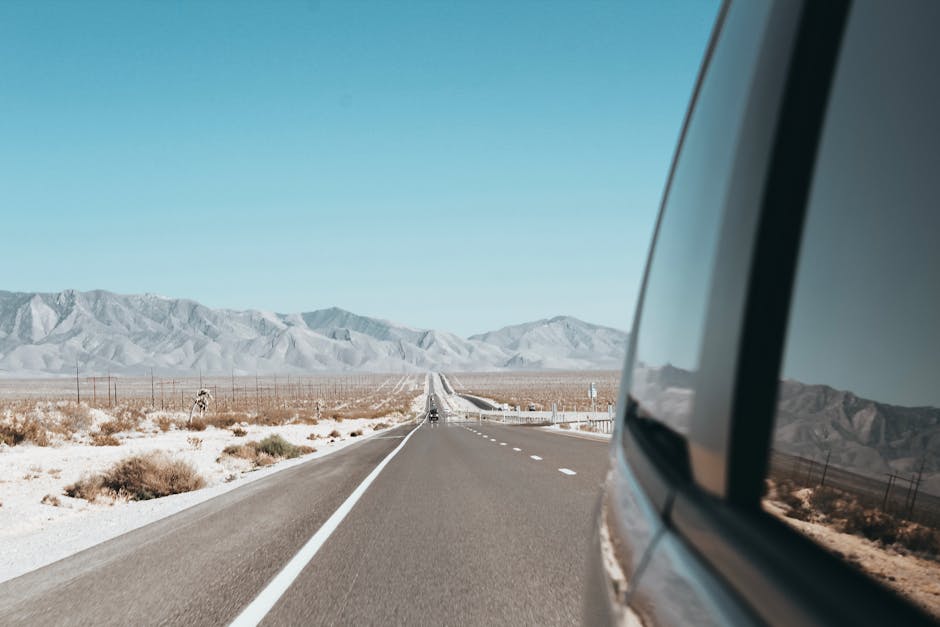
Must-see spots include the Cadillac Ranch in Texas, the Grand Canyon’s South Rim in Arizona, and the neon-lit streets of Albuquerque. Allow at least two weeks to do it justice. Keep in mind that services can be sparse in rural stretches—fill up on gas and pack snacks when you can.
3. Blue Ridge Parkway (Virginia to North Carolina)
This 469-mile scenic drive connects Shenandoah National Park in Virginia to Great Smoky Mountains National Park in North Carolina. Known for its rolling hills, fall foliage, and quiet mountain towns, the Blue Ridge Parkway is ideal for travelers who prefer slower-paced exploration.
Speed limits are low (typically 45 mph), and there are no commercial vehicles allowed—making it perfect for cyclists and hikers. Stop at Mabry Mill, Linville Falls, and Asheville’s arts district. Fall is peak season, so book accommodations early. In winter, some sections may close due to snow.
4. Great River Road (Minnesota to Louisiana)
Following the Mississippi River through 10 states, the Great River Road covers nearly 3,000 miles—the longest river road in the U.S. This route blends natural beauty with rich cultural history, passing through river towns, floodplains, and historic battlefields.
Highlights include the Gateway Arch in St. Louis, the blues music scene in Memphis, and the bayous of Louisiana. Allow three weeks or more for a full traverse. Be mindful of flooding seasons, especially in spring, which can affect road access in low-lying areas.
5. Going-to-the-Sun Road (Montana)
Located entirely within Glacier National Park, this 50-mile route is one of the most spectacular alpine drives in North America. Traversing the Continental Divide at Logan Pass, it offers views of glaciers, alpine meadows, and mountain goats.
The road is narrow, steep, and closed in winter (typically November to late May or June). Vehicle length restrictions apply—check park regulations before arrival. A timed entry ticket is required during peak season, so reserve online in advance.
How to Plan Your Road Trip
Even the best road trips in USA require planning. Follow these steps to ensure a smooth journey:
1. Choose Your Route and Season
Match your destination to the time of year. Desert routes like Route 66 are best in spring or fall to avoid extreme heat. Mountain passes, such as Going-to-the-Sun Road, are only accessible in summer. Coastal drives like the PCH are pleasant year-round but busiest in summer.
2. Check Vehicle Readiness
Before departure, have your car inspected. Focus on tires, brakes, fluids, and air conditioning. Consider a roadside assistance plan, especially for remote routes. Renting a fuel-efficient or hybrid vehicle can save money on long trips.
3. Pack Smart
Bring a physical map or offline GPS (cell service is unreliable in many areas), a first-aid kit, jumper cables, water, non-perishable food, and weather-appropriate clothing. Don’t forget chargers, a cooler, and reusable containers to reduce waste.
4. Book Accommodations in Advance
Popular routes fill up quickly, especially near national parks or during holidays. Reserve campsites, lodges, or motels ahead of time. Apps like Recreation.gov help with park bookings.
5. Respect Local Communities and Nature
Follow Leave No Trace principles: pack out trash, stay on trails, and avoid disturbing wildlife. In small towns, support local businesses by eating at family-owned restaurants and shopping at regional markets.
Road Trip Safety Tips
Safety should always come first. Here are key precautions:
- Never drive drowsy: Take breaks every two hours or 100 miles. Switch drivers if possible.
- Stay visible: Use headlights in rain, fog, or tunnels. Pull over safely if visibility drops.
- Prepare for emergencies: Keep a charged power bank, flashlight, and emergency contact list in your glove compartment.
- Know local laws: Speed limits, cell phone use, and seat belt rules vary by state.
- Avoid night driving in rural areas: Wildlife crossings and poorly lit roads increase risk.
Compact Route Comparison
The table below compares key features of the top five routes to help you choose the best fit.
| Route Name | Distance | Best Season | Driving Difficulty | Key Feature |
|---|---|---|---|---|
| Pacific Coast Highway | 650 miles | Year-round (best Apr–Oct) | Moderate | Ocean cliffs & beaches |
| Route 66 | 2,400 miles | Spring & Fall | Easy to Moderate | Historic Americana |
| Blue Ridge Parkway | 469 miles | Fall (Sep–Oct) | Easy | Mountain scenery & foliage |
| Great River Road | ~3,000 miles | Spring & Fall | Easy | River towns & culture |
| Going-to-the-Sun Road | 50 miles | Summer (Jun–Sep) | Challenging | Alpine glaciers & peaks |
Budgeting for Your Trip
Road trips can be affordable or expensive, depending on your choices. Here’s a rough breakdown for a two-week trip for two people:
- Fuel: $300–$600 (varies by vehicle and distance)
- Accommodations: $800–$1,500 (camping vs. hotels)
- Food: $400–$800 (cooking vs. dining out)
- Attractions & Fees: $100–$300 (national park passes, tours)
- Miscellaneous: $200 (souvenirs, car maintenance, emergencies)
To save money, consider camping, using apps like GasBuddy to find cheap fuel, and preparing meals. A National Parks Pass ($80/year) pays for itself after two or three park visits.
Final Thoughts on the Best Road Trips in USA
The best road trips in USA are more than just drives—they’re journeys of discovery. Whether you’re chasing ocean sunsets, mountain solitude, or historic landmarks, these routes offer something for every traveler. With proper planning, respect for the environment, and a spirit of adventure, your road trip can become a lasting memory.
FAQ
What is the best time of year to take a road trip in the U.S.?
Spring and fall generally offer mild weather and fewer crowds. Summer is ideal for mountain and northern routes but can be busy. Winter is best avoided in snowy regions unless you’re prepared for icy roads.
Do I need an international driver’s license to road trip in the USA?
If you’re visiting from abroad, your valid foreign license is usually sufficient for up to 90 days, depending on the state. However, an International Driving Permit (IDP) is recommended as a translation aid and may be required in some areas.
Are road trips safe in the U.S.?
Yes, road trips are generally safe, but risks increase in remote areas with poor cell service. Always inform someone of your route, carry emergency supplies, and avoid driving at night in unfamiliar or isolated regions.

