
Best Nightlife Cities in the World Guide
Best Nightlife Cities in the World Guide
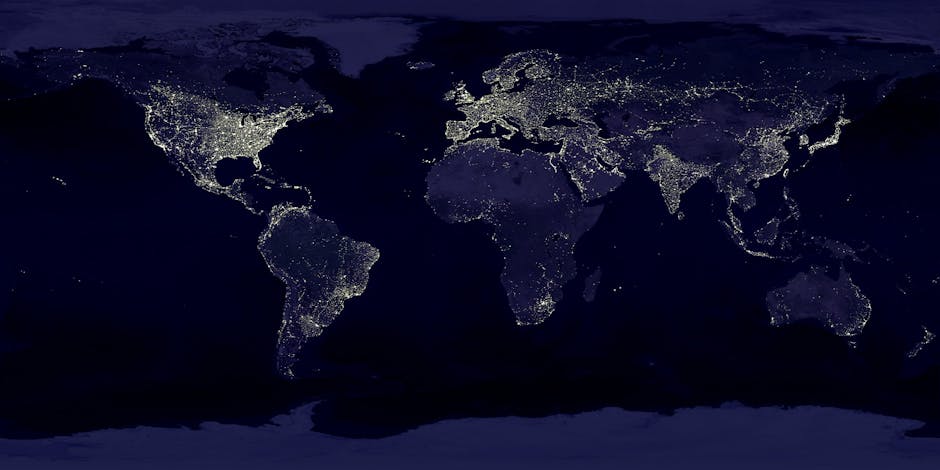
Looking for the best nightlife cities in the world? You’re not alone. Travelers and night owls alike seek vibrant destinations where bars, clubs, live music, and late-night culture thrive. From rooftop lounges in Tokyo to underground clubs in Berlin, the global nightlife scene offers something for every taste. This guide highlights the top cities known for their electric after-dark energy, diverse entertainment options, and safe, welcoming atmospheres. Whether you’re into craft cocktails, electronic music, or late-night street food, these cities deliver unforgettable experiences once the sun goes down.
What Makes a City Great for Nightlife?
Not all cities are created equal when it comes to nightlife. The best ones combine accessibility, variety, safety, and local culture into a seamless evening experience. Key factors include a high density of bars and clubs, extended operating hours, reliable public transportation, and a mix of venues catering to different tastes. Cities with strong music scenes—whether jazz, techno, or reggaeton—often lead the pack. Additionally, walkability and late-night dining options play a major role in keeping the energy alive past midnight.
Key Elements of World-Class Nightlife
- Diverse Venue Selection: From speakeasies to dance clubs, the best cities offer a wide range of atmospheres and genres.
- Late-Night Transit: Safe and affordable public transportation ensures you can get home without hassle.
- Local Culture Integration: Nightlife that reflects regional traditions, music, and cuisine stands out.
- Safety and Inclusivity: Well-lit streets, visible security, and welcoming environments make a big difference.
- 24-Hour Vibe: Cities that truly come alive after dark often have businesses open well past midnight.
Top 10 Best Nightlife Cities in the World
Based on reputation, variety, safety, and traveler reviews, here are the ten cities that consistently rank among the best for nightlife. Each offers a unique flavor of after-dark entertainment, shaped by local culture, music trends, and urban planning.
1. Berlin, Germany
Berlin is legendary for its non-stop nightlife, particularly its techno scene. Clubs like Berghain and Watergate are world-renowned, drawing international DJs and crowds who party until Monday morning. The city’s relaxed attitude toward nightlife, combined with affordable drinks and minimal restrictions on club hours, makes it a haven for night owls. Most clubs don’t even get busy until 2 a.m., and some stay open for days during major festivals.
2. Tokyo, Japan
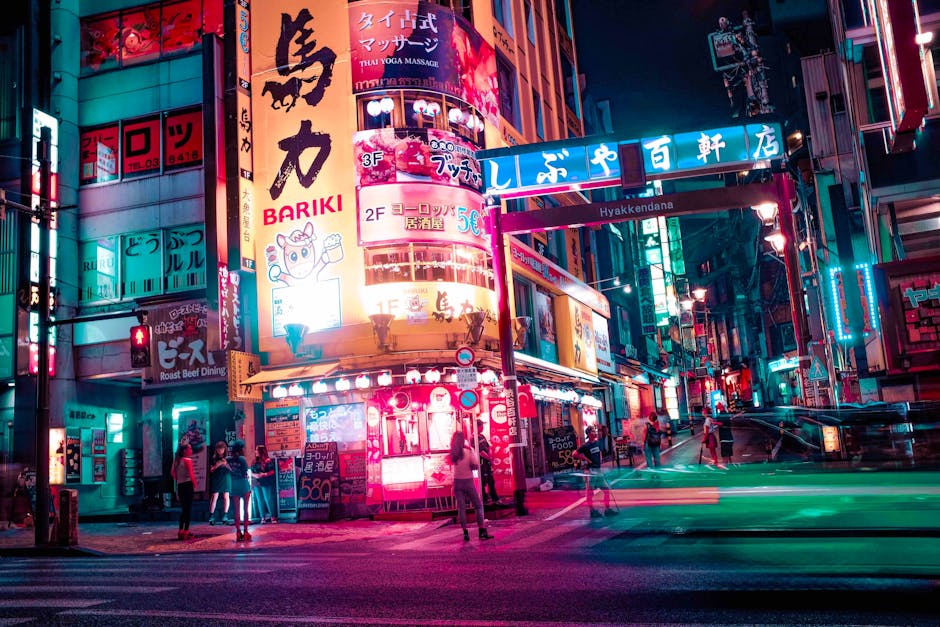
Tokyo’s nightlife is a study in contrasts—ultra-modern and deeply traditional. Shibuya and Shinjuku buzz with neon-lit bars, karaoke lounges, and tiny izakayas that serve sake until the early hours. The city’s efficient subway system runs until midnight, with night buses and taxis available afterward. Tokyo stands out for its cleanliness, safety, and the sheer variety of experiences, from robot restaurants to hidden jazz bars.
3. New York City, USA
As one of the few truly 24-hour cities, New York never sleeps—and neither do its nightlife options. From rooftop bars in Manhattan to underground punk shows in Brooklyn, the city offers endless choices. Areas like Williamsburg, the Lower East Side, and Meatpacking District are nightlife hubs. While cover charges and drink prices can be steep, the energy and diversity are unmatched.
4. Barcelona, Spain
Barcelona’s nightlife is deeply tied to Spanish culture—late dinners, siestas, and parties that start after midnight. The city is famous for its beach clubs, flamenco shows, and tapas bars that stay open until 3 a.m. or later. Neighborhoods like El Raval and Gràcia offer a mix of bohemian cafes and high-energy clubs. The warm Mediterranean climate encourages outdoor drinking and street festivals well into the night.
5. Bangkok, Thailand
Bangkok delivers high-energy nightlife with a tropical twist. Rooftop bars like Vertigo offer stunning city views, while Khao San Road attracts backpackers with cheap beer and live music. The city’s red-light districts are well-known, but there’s also a growing scene of craft cocktail bars and jazz clubs. Night markets and street food stalls keep the energy going until dawn.
6. Rio de Janeiro, Brazil
Rio’s nightlife is as vibrant as its Carnival celebrations. Samba clubs in Lapa pulse with rhythm until sunrise, and beachfront bars serve caipirinhas late into the night. The city’s outdoor culture means many venues spill onto the streets, especially during summer. While safety can be a concern in certain areas, tourist-friendly zones like Ipanema and Leblon are well-patrolled and lively.
7. London, UK
London’s nightlife is diverse and deeply rooted in music history. From punk in Camden to electronic music in Shoreditch, the city has shaped global trends for decades. Pubs close around 11 p.m., but clubs and late-night venues stay open until 5 a.m. or later. The Night Tube (overnight subway service) on weekends makes getting around easy. London also leads in LGBTQ+ nightlife, with Soho being a central hub.
8. Amsterdam, Netherlands
Amsterdam combines laid-back charm with a lively night scene. The city’s canal-side bars, cozy brown cafes, and electronic music venues like De School offer something for everyone. The compact size makes it easy to bar-hop on foot or by bike. Late-night trams and night buses ensure safe travel. Amsterdam also hosts world-class music festivals like Amsterdam Dance Event.
9. Seoul, South Korea
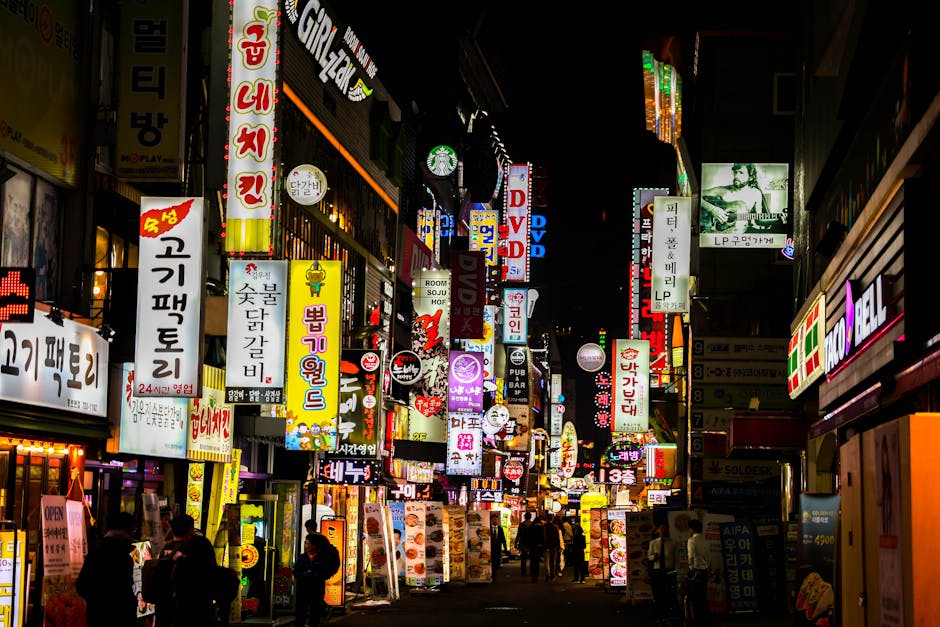
Seoul’s nightlife is fast-paced and tech-savvy. Hongdae and Itaewon are known for their clubs, PC bangs (internet cafes), and 24-hour karaoke rooms. The city’s drinking culture revolves around soju and craft beer, often paired with Korean BBQ. Many venues stay open until 6 a.m., and the subway runs until just after midnight, with taxis widely available.
10. Melbourne, Australia
Melbourne shines with its hidden bars, live music venues, and strong café culture that transitions smoothly into the evening. The city’s laneways are packed with speakeasies and cocktail bars, while suburbs like Fitzroy host indie bands and late-night food trucks. Public transport runs late on weekends, and the city is known for being safe and walkable at night.
How to Choose the Right Nightlife City for You
With so many options, picking the right destination depends on your preferences. Are you into dancing until dawn, or do you prefer a quiet drink with live jazz? Consider these factors when deciding:
1. Music and Entertainment Preferences
If you love electronic music, Berlin and Amsterdam should be on your list. For jazz and blues, Tokyo and New York offer world-class venues. Samba and Latin beats? Head to Rio or Barcelona. Research the local music scene before you go—many cities have signature sounds that define their nightlife.
2. Budget and Cost of Nightlife
Nightlife costs vary widely. Cities like Bangkok and Seoul offer affordable drinks and entry fees, while New York and London can be expensive. Check average cover charges, drink prices, and transportation costs. Some cities have “happy hour” culture that extends late into the night, helping stretch your budget.
3. Safety and Accessibility
Safety is crucial, especially when traveling alone. Cities like Tokyo, Melbourne, and Amsterdam are known for low crime and well-lit streets. Look for areas with visible police presence and reliable public transit. Avoid isolated neighborhoods late at night, and always share your location with someone you trust.
4. Language and Cultural Norms
Understanding local customs can enhance your experience. In Japan, for example, it’s polite to wait to be seated and not tip. In Spain, dinner starts late, so don’t expect clubs to fill up before 1 a.m. Learning a few basic phrases in the local language can go a long way in connecting with locals and staff.
Nightlife Comparison: Key Features at a Glance
| City | Signature Nightlife Feature | Average Club Closing Time | Public Transit After Midnight | Best For |
|---|---|---|---|---|
| Berlin | Techno clubs (e.g., Berghain) | 6 a.m. – 12 p.m. (next day) | Night buses & taxis | Electronic music lovers |
| Tokyo | Karaoke & izakayas | 2 a.m. – 5 a.m. | Night buses & taxis | Safe, diverse experiences |
| New York | Rooftop bars & live music | 4 a.m. | 24-hour subway (limited) | Urban night owls |
| Barcelona | Beach clubs & tapas bars | 3 a.m. – 6 a.m. | Night buses | Late-night socializing |
| Bangkok | Rooftop bars & street food | 2 a.m. – 4 a.m. | Taxis & tuk-tuks | Affordable, high-energy fun |
Tips for Enjoying Nightlife Responsibly
Great nightlife doesn’t have to come at the cost of safety or health. Follow these practical tips to make the most of your nights out:
1. Stay Hydrated and Eat Before Drinking
Alcohol hits harder on an empty stomach. Eat a solid meal before heading out, and alternate alcoholic drinks with water. Many clubs in Europe and Asia offer free water stations—take advantage of them.
2. Use Trusted Transportation
Always plan your ride home. Use official taxis, ride-sharing apps, or public transit. Avoid unmarked vehicles or accepting rides from strangers. In cities with night buses, know the schedule in advance.
3. Watch Your Drink and Belongings
Keep your drink in sight at all times and use a bag with a zipper. Pickpocketing is common in crowded clubs and tourist areas. Consider using a money belt or anti-theft backpack.
4. Know Your Limits
Pace yourself. It’s easy to get caught up in the energy, but overindulging can lead to poor decisions or illness. Set a drink limit and stick to it. Many cities have “sober curious” movements with alcohol-free bars—great for taking a break.
5. Respect Local Customs
Dress codes, tipping practices, and behavior norms vary. In some places, loud behavior is frowned upon; in others, it’s part of the fun. Observe locals and follow their lead.
Final Thoughts on the Best Nightlife Cities
The best nightlife cities in the world offer more than just parties—they provide cultural immersion, unforgettable memories, and a chance to connect with people from all walks of life. Whether you’re drawn to Berlin’s underground clubs, Tokyo’s neon-lit alleys, or Rio’s samba-filled streets, each city delivers a unique after-dark experience. The key is to choose a destination that matches your style, budget, and comfort level. With the right preparation and mindset, your night out can be one of the highlights of your trip.
FAQ
What is the safest city for nightlife?
Tokyo and Melbourne are consistently rated among the safest cities for nightlife, with low crime rates, well-lit streets, and reliable public transportation after dark.
Which city has the latest club hours?
Berlin leads with clubs that often stay open until noon the next day, especially during weekends and festivals. Some venues operate 24/7 during special events.
Are there good nightlife options for non-drinkers?
Yes. Cities like Tokyo, Melbourne, and Amsterdam have growing scenes of alcohol-free bars, late-night cafes, and cultural events such as live music and art exhibitions that cater to sober visitors.

