
Best Countries to Visit in Winter Travel Guide
Winter travel offers a unique blend of crisp landscapes, festive energy, and seasonal activities—from snow-dusted mountains to sun-soaked beaches in the Southern Hemisphere. Whether you’re chasing northern lights, powdery ski slopes, or warm-weather escapes, the best countries to visit in winter depend on your interests, budget, and tolerance for cold. This guide highlights top destinations that deliver unforgettable experiences from December through February, with practical insights on weather, activities, costs, and travel tips to help you choose wisely.
Why Travel in Winter?
Winter isn’t just for holiday markets and hot cocoa. It’s a season of contrast: some places thrive under snow, while others bloom in mild, dry weather. Traveling during winter can mean fewer crowds, lower prices in off-peak regions, and access to iconic seasonal events. Ski resorts buzz with energy, cities light up with holiday decorations, and tropical destinations offer a respite from the cold. The key is matching your travel style—adventure, relaxation, culture, or family fun—with the right climate and destination.
Top Winter Destinations by Interest
Not all winter trips are created equal. Your ideal destination hinges on what you want to do. Below are standout countries grouped by traveler type, with real-world details to inform your decision.
For Snow Lovers and Skiers
If fresh powder and alpine scenery are your priorities, head to countries with reliable snowfall and world-class infrastructure.
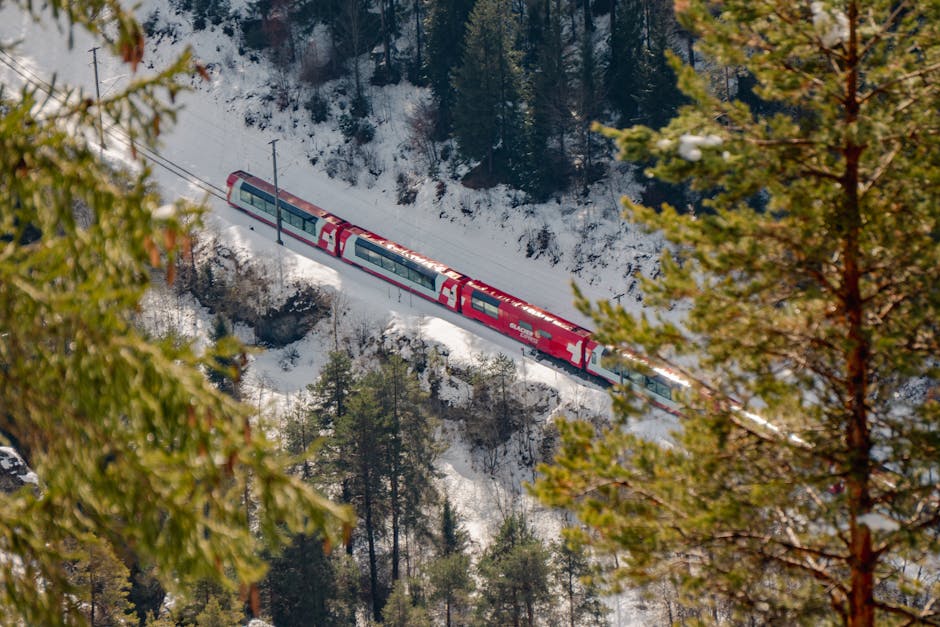
- Switzerland: Home to the Swiss Alps, Switzerland offers pristine slopes, charming villages like Zermatt and St. Moritz, and efficient rail connections between resorts. Expect cold temperatures (often below freezing) and high costs, but unmatched skiing quality and après-ski culture.
- Japan (Hokkaido): Famous for light, dry snow and powder-filled backcountry, Hokkaido’s Niseko and Furano resorts attract skiers worldwide. Winter temperatures hover around -5°C (23°F), and the region blends outdoor adventure with hot springs and fresh seafood.
- Canada (British Columbia & Alberta): Whistler Blackcomb in BC and Banff in Alberta deliver vast terrain, reliable snow, and stunning mountain views. Winter temps range from -10°C to 0°C (14°F to 32°F), and the weak Canadian dollar often makes it more affordable than European options.
For Northern Lights and Arctic Adventures
Chasing the aurora borealis requires clear skies, minimal light pollution, and proximity to the Arctic Circle.
- Norway: Tromsø and the Lofoten Islands offer prime viewing spots, dog sledding, and Sami cultural experiences. December and January bring polar nights, with nearly 24-hour darkness—ideal for aurora sightings but challenging for daytime activities.
- Iceland: With its dramatic landscapes and accessible Ring Road, Iceland allows travelers to combine northern lights with glacier hikes, ice caves, and geothermal pools like the Blue Lagoon. Winter weather is unpredictable—pack layers and check road conditions daily.
- Finland: Rovaniemi, the official hometown of Santa Claus, offers aurora tours, reindeer safaris, and glass igloos for overnight viewing. Expect temperatures as low as -25°C (-13°F)—thermal clothing is essential.
For Warm-Weather Escapes
Escape the cold by heading south—or to lower latitudes where winter means sunshine and mild temperatures.
- Australia: While the Northern Hemisphere shivers, Australia enjoys summer. Sydney, Melbourne, and the Gold Coast offer beach days, outdoor festivals, and hiking. Average temperatures range from 20°C to 28°C (68°F to 82°F), but bushfire risk increases in late summer.
- New Zealand: Though technically in its summer, New Zealand’s South Island still offers snow-capped mountains and crisp mornings—perfect for scenic drives, wine tours, and adventure sports. Queenstown and Wanaka are popular bases.
- South Africa: Cape Town’s Mediterranean climate brings warm, dry weather in winter (June–August), but if you travel in December–February, it’s peak summer. Enjoy Table Mountain hikes, wine regions, and wildlife safaris in Kruger National Park.
For Cultural Festivals and Holiday Charm
Winter is festival season in many parts of the world, with celebrations that transform cities into magical destinations.
- Germany: Christmas markets in Nuremberg, Dresden, and Munich draw millions with mulled wine, handmade crafts, and festive lights. Temperatures hover around 0°C (32°F), so dress warmly. Markets typically run from late November to December 24.
- Austria: Vienna and Salzburg host elegant markets with classical music, horse-drawn carriages, and alpine decor. The Vienna New Year’s Concert is a highlight for culture seekers.
- Japan (Kyoto): While not snowy everywhere, Kyoto’s temples take on a serene beauty under light snowfall. Winter illuminations at shrines like Kiyomizu-dera and Arashiyama are magical, and crowds are thinner than in spring or autumn.
Winter Travel by Region: A Quick Comparison
Choosing a region can simplify planning. Below is a compact comparison of key winter destinations across continents.
| Country | Best For | Avg. Winter Temp (°C) | Key Activities | Travel Tip |
|---|---|---|---|---|
| Switzerland | Skiing, alpine scenery | -5 to 2 | Skiing, snowboarding, train tours | Book lift passes in advance; use Swiss Travel Pass for trains. |
| Japan (Hokkaido) | Powder snow, hot springs | -5 to 0 | Skiing, onsen visits, seafood | Rent a car for remote areas; English signage may be limited. |
| Norway | Northern lights, fjords | -10 to -2 | Aurora tours, dog sledding, photography | Book aurora tours early; pack thermal layers. |
| Australia | Beach, festivals, hiking | 20 to 28 | Beach days, wine tours, city exploration | Apply sunscreen daily; summer UV levels are extreme. |
| Germany | Christmas markets, history | -1 to 4 | Market visits, castle tours, local cuisine | Arrive early at markets to avoid crowds; cash is preferred. |
Budget Considerations for Winter Travel
Winter travel costs vary dramatically by destination and activity. Ski resorts and northern destinations tend to be expensive, while warm-weather escapes can offer better value—especially if you avoid peak holiday weeks.
- High-cost destinations: Switzerland, Norway, and Japan (Hokkaido) have premium pricing for accommodations, dining, and activities. Budget at least $200–$300 per day for mid-range travel.
- Mid-range options: Canada, Germany, and Austria offer a balance of quality and cost. Expect $120–$200 per day, depending on city and season.
- Budget-friendly escapes: Consider Portugal (Algarve region), Morocco (Marrakech), or Vietnam (Da Nang), where winter means pleasant weather and lower prices. Daily costs can fall below $80.
Book flights and accommodations 3–6 months in advance for the best rates, especially for holiday periods like Christmas and New Year’s. Use fare comparison tools and consider nearby airports for savings.
Packing Essentials for Winter Travel
What you pack depends on your destination, but a few universal rules apply.
- Layering is key: Thermal base layers, insulating mid-layers (fleece or down), and waterproof outer shells work in most cold climates.
- Footwear matters: Insulated, waterproof boots are essential for snow and ice. For warm destinations, pack breathable shoes and sun protection.
- Accessories: Gloves, hats, scarves, and sunglasses (for snow glare) are non-negotiable in cold regions.
- Tech and safety: Portable chargers, power adapters, and a basic first-aid kit are wise additions. In remote areas, carry a physical map and emergency contacts.
Safety and Practical Tips
Winter travel comes with unique risks. Prepare accordingly.
- Check weather and road conditions daily, especially in mountainous or remote areas. Avalanche warnings, icy roads, and flight delays are common.
- Travel insurance is essential: Ensure your policy covers winter sports, trip cancellations, and medical emergencies. Some policies exclude high-risk activities like heli-skiing.
- Stay visible in polar regions: During polar nights in Norway or Finland, daylight lasts only a few hours. Use headlamps and reflective gear.
- Respect local customs: In countries like Japan or Finland, quiet behavior in public and proper onsen etiquette are expected.
When to Book and How to Save
Timing affects both availability and price.
- Book early for peak periods: Christmas, New Year’s, and school holidays fill up fast. Reserve flights and hotels by September.
- Consider shoulder weeks: Traveling the week after Christmas or in early January can save money and reduce crowds.
- Use local transport: Trains in Europe and Japan are efficient and often cheaper than renting cars. In cities, public transit beats taxis.
- Look for package deals: Ski resorts and tour operators often bundle lodging, lift passes, and lessons at a discount.
Final Thoughts: Choosing Your Ideal Winter Escape
The best countries to visit in winter offer more than just weather—they deliver experiences that match your travel personality. Whether you’re carving turns down a Swiss slope, sipping glühwein at a German market, or lounging on a Sydney beach, winter travel rewards those who plan thoughtfully. Prioritize your must-have activities, research seasonal conditions, and pack smart. With the right destination, winter becomes not a limitation, but an invitation to explore the world in a whole new light.
FAQ
What’s the cheapest time to travel in winter?
The most affordable time is typically mid-January to early February, after the holiday rush. Prices drop significantly, and many destinations offer post-holiday promotions. Avoid school vacation weeks for the best deals.
Is it safe to travel to cold countries in winter?
Yes, with proper preparation. Check weather forecasts, dress in layers, and stay informed about local conditions. Travel insurance and emergency contacts add an extra layer of safety, especially in remote areas.
Can you see the northern lights in winter outside of Norway?
Absolutely. Iceland, Finland, Sweden, Canada (Yukon, Northwest Territories), and Alaska (USA) also offer excellent aurora viewing. Clear skies, minimal light pollution, and solar activity are more important than location alone.

