
Best Beaches in Turkey Travel Guide
Best Beaches in Turkey Travel Guide
Turkey’s coastline stretches over 8,000 kilometers along the Aegean, Mediterranean, and Black Sea, offering some of Europe’s most beautiful and diverse beaches. Whether you’re seeking secluded coves, family-friendly shores, or vibrant beach clubs, this guide highlights the best beaches in Turkey for every traveler. From the turquoise waters of Ölüdeniz to the ancient ruins near Patara, each destination combines natural beauty with cultural depth. This comprehensive travel guide covers top locations, practical tips, seasonal advice, and what to expect so you can plan a beach vacation that fits your style—without the guesswork.
Why Turkey’s Beaches Stand Out
Turkey’s beaches are more than just sand and sun. The country’s unique geography creates a variety of coastal experiences—rocky cliffs, pebble coves, long sandy stretches, and hidden bays accessible only by boat. The Mediterranean climate ensures warm summers and mild winters, making beach travel possible from April through October. Unlike overcrowded Mediterranean hotspots, many Turkish beaches retain a sense of authenticity, blending natural beauty with historic charm.
One of the key advantages of visiting Turkey’s beaches is the balance between accessibility and seclusion. Major resorts like Antalya and Bodrum offer luxury amenities, while lesser-known spots such as Butterfly Valley or Kabak Cove provide quiet escapes. The infrastructure is well-developed, with reliable transportation, clean facilities, and a range of accommodations from boutique hotels to all-inclusive resorts.
Top 10 Best Beaches in Turkey
Below are ten of the most celebrated beaches in Turkey, each offering a distinct experience. These selections are based on water clarity, accessibility, scenery, amenities, and overall visitor satisfaction.
1. Ölüdeniz Beach
Often called the “Blue Lagoon,” Ölüdeniz is Turkey’s most photographed beach. Its calm, shallow waters make it ideal for swimming, paddleboarding, and snorkeling. The lagoon is protected by a natural sandbar, creating a safe environment for children and beginners. The beach is lined with cafes, restaurants, and sunbed rentals. For adventure seekers, paragliding from Babadağ Mountain offers a breathtaking aerial view of the coastline.
2. Patara Beach
Stretching over 18 kilometers, Patara Beach is one of the longest in Turkey. It’s part of a protected national park and serves as a nesting ground for loggerhead sea turtles. The beach is mostly undeveloped, with minimal commercial activity, making it perfect for those seeking tranquility. Nearby, the ruins of ancient Patara—once a major Roman port—add historical interest. Visit in early summer or late autumn for fewer crowds.
3. Kaputas Beach
Accessible via a narrow staircase carved into the cliffside, Kaputas Beach is a hidden gem between Fethiye and Kalkan. The pebble beach is surrounded by steep cliffs and offers crystal-clear water ideal for swimming and snorkeling. Due to its popularity, arrive early to secure parking and avoid midday crowds. The nearby waterfall adds a unique touch, especially after rainfall.
4. Cleopatra Beach (Alanya)
Named after the Egyptian queen who supposedly swam here, Cleopatra Beach is a wide, sandy stretch in the heart of Alanya. The beach is well-maintained, with clear waters and a lively promenade. It’s easily accessible from the city center and offers plenty of restaurants, shops, and water sports. The nearby Alanya Castle provides panoramic views and a glimpse into the region’s Seljuk past.
5. Butterfly Valley
Reachable only by boat or a challenging hike, Butterfly Valley is a secluded paradise near Fethiye. The beach is framed by lush cliffs and a freshwater stream that feeds into the sea. It’s a protected area home to over 80 butterfly species. Facilities are basic—bring water and snacks—but the untouched beauty and peaceful atmosphere make it worth the effort.
6. Iztuzu Beach
Located in the Dalyan region, Iztuzu Beach is a critical nesting site for the endangered loggerhead turtle. Access is regulated to protect the ecosystem, with guided tours available during nesting season (May–October). The beach is long and sandy, with dunes and a natural lagoon at one end. It’s a favorite among eco-tourists and nature lovers.
7. Konyaaltı Beach
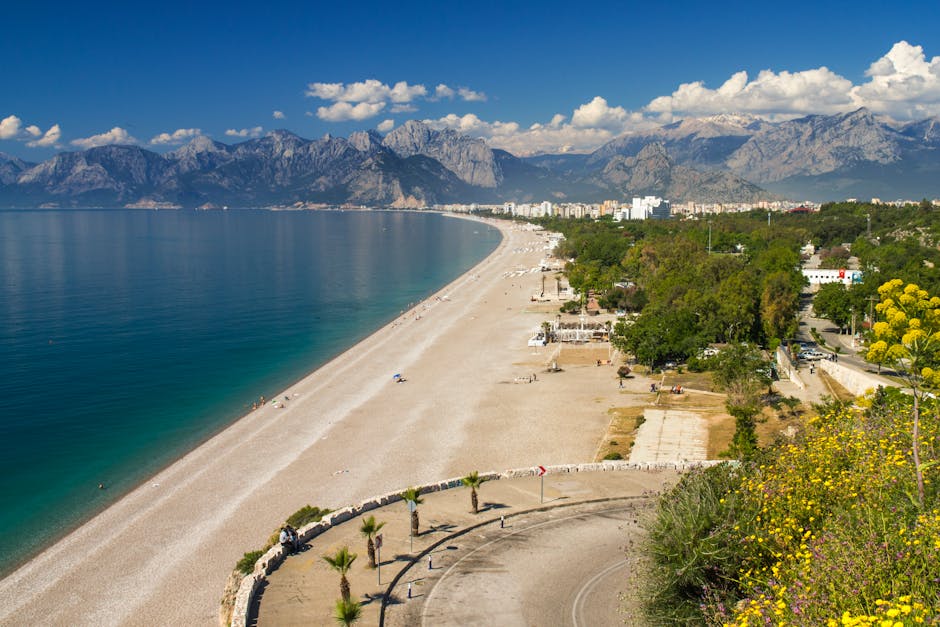
Just west of Antalya’s city center, Konyaaltı Beach offers a mix of pebble and sand sections with clear waters and a scenic mountain backdrop. The beach is well-equipped with showers, toilets, and food vendors. It’s popular with locals and tourists alike, especially in summer. The nearby Antalya Aquarium and Dolphin Park add family-friendly appeal.
8. Gümüşlük Beach
On the Bodrum Peninsula, Gümüşlük is known for its laid-back vibe and shallow, calm waters. The beach is lined with fish restaurants and small guesthouses. At low tide, the remains of the ancient city of Myndos emerge from the sea—a unique sight for history buffs. It’s a great spot for sunset views and relaxed dining.
9. Sarsala Beach
Located near Kaş, Sarsala is a quiet pebble beach surrounded by pine trees and rocky outcrops. It’s less developed than nearby Kalkan, making it ideal for travelers seeking peace. The water is deep and clear, perfect for snorkeling. A small café provides refreshments, but bring your own supplies for a full day.
10. Çıralı Beach
Situated between Antalya and Olympos, Çıralı Beach is famous for its proximity to the Chimaera—eternal flames that burn from natural gas seeping through the rocks. The beach is long and sandy, with dunes and a relaxed atmosphere. It’s a great base for hiking the Lycian Way or exploring ancient Olympos.
Beach Types and What to Expect
Turkey’s beaches vary significantly in composition and character. Understanding the differences can help you choose the right spot for your trip.
- Sandy Beaches: Found in areas like Patara, Cleopatra, and Çıralı. Ideal for families, sunbathing, and building sandcastles. Generally calmer waters.
- Pebble Beaches: Common in Fethiye, Kaş, and Bodrum. Water tends to be clearer and cooler. Bring water shoes for comfort.
- Rocky Coves: Popular for snorkeling and diving. Examples include Butterfly Valley and Sarsala. Access may require walking or swimming.
- Blue Flag Beaches: Certified for cleanliness and safety. Over 500 Turkish beaches hold this designation, including Konyaaltı and Ölüdeniz.
Best Time to Visit Turkey’s Beaches
The peak beach season in Turkey runs from June to September, with July and August being the hottest and busiest. During these months, temperatures average 30–35°C (86–95°F), and the sea reaches a comfortable 26–28°C (79–82°F). However, this is also when prices are highest and beaches most crowded.
For a balance of good weather and fewer tourists, consider visiting in May, early June, or September. These shoulder months offer warm water, pleasant air temperatures, and lower accommodation rates. April and October are cooler but still suitable for swimming in the southern regions. Avoid winter months unless you’re visiting for cultural tours, as most beach facilities close.
How to Get to Turkey’s Beaches
Most major beaches are accessible via domestic flights, buses, or rental cars. International travelers typically fly into Istanbul, then connect to regional airports such as Antalya, Dalaman, or Bodrum.
- By Air: Antalya Airport serves the Mediterranean coast, while Dalaman Airport is closest to Fethiye and Ölüdeniz. Bodrum Airport connects the Aegean region.
- By Bus: Turkey has an extensive intercity bus network. Companies like Pamukkale Turizm and Metro offer comfortable, air-conditioned rides to coastal towns.
- By Car: Renting a car provides flexibility, especially for exploring remote beaches. Roads are generally well-maintained, but parking can be limited in peak season.
- By Boat: Many coves and islands are only reachable by sea. Local ferries and private boat tours operate from major harbors.
Accommodation Options Near the Best Beaches
Turkey offers a wide range of accommodations to suit every budget and preference.
- Luxury Resorts: Found in Antalya, Bodrum, and Kemer. Offer all-inclusive packages, spa services, and private beach access.
- Boutique Hotels: Common in Fethiye, Kaş, and Göcek. Often family-run, with personalized service and local charm.
- Guesthouses and Pensions: Budget-friendly options, especially in Çıralı, Gümüşlük, and Sarsala. Ideal for backpackers and independent travelers.
- Vacation Rentals: Increasingly popular through platforms like Airbnb. Great for families or groups wanting kitchen facilities and privacy.
Packing Essentials for a Turkish Beach Trip
Smart packing ensures a comfortable and hassle-free beach vacation. Here’s what to bring:
- Sunscreen (SPF 30+), hat, and UV-protective clothing
- Swimwear and quick-dry towels
- Water shoes for rocky or pebble beaches
- Reusable water bottle and eco-friendly toiletries
- Snorkel gear (optional—rentals available on-site)
- Portable phone charger and waterproof bag
- Light clothing for evenings and cultural sites
Safety and Etiquette Tips
While Turkey is generally safe for tourists, a few precautions enhance your experience:
- Swim in designated areas and heed warning flags. Strong currents can occur, especially in open waters.
- Respect local customs. Dress modestly when leaving the beach, especially in rural areas.
- Avoid touching or disturbing wildlife, particularly sea turtles and their nests.
- Do not leave trash behind. Many beaches have recycling bins, but carry out what you bring in.
- Be cautious with valuables. Use hotel safes and avoid leaving bags unattended on the beach.
Environmental Responsibility
Turkey’s coastal ecosystems are fragile. Overdevelopment and pollution threaten marine life and water quality. Travelers can help by choosing eco-certified accommodations, avoiding single-use plastics, and supporting local conservation efforts. Participate in beach clean-ups if available, and opt for sustainable tour operators.
When visiting protected areas like Iztuzu or Butterfly Valley, follow all guidelines. Stay on marked paths, do not feed wildlife, and avoid using chemical sunscreens that harm coral and fish.
Compact Comparison of Top Beaches
| Beach | Location | Beach Type | Best For | Accessibility |
|---|---|---|---|---|
| Ölüdeniz | Fethiye | Sand | Swimming, paragliding | High (road access) |
| Patara | Antalya | Sand | Nature, history | Medium (parking required) |
| Kaputas | Between Fethiye & Kalkan | Pebble | Snorkeling, scenery | Medium (stairs down) |
| Cleopatra | Alanya | Sand | Families, nightlife | High (city center) |
| Butterfly Valley | Fethiye | Pebble | Hiking, solitude | Low (boat or hike) |
Final Tips for Your Beach Getaway
To make the most of your trip to the best beaches in Turkey, plan ahead but stay flexible. Book accommodations early during peak season, especially for popular spots like Ölüdeniz and Bodrum. Check local weather and sea conditions before heading out, particularly if you’re planning water activities.
Don’t limit yourself to just one beach. The Turkish coastline is compact enough to allow day trips—rent a car or join a boat tour to explore multiple coves in a single day. Try local seafood, visit nearby ruins, and engage with the culture beyond the shore.
Lastly, travel responsibly. Respect the environment, support local businesses, and leave each beach as beautiful as you found it. With its stunning landscapes and rich heritage, Turkey’s beaches offer more than just a place to relax—they offer an experience.
FAQ
What is the best time of year to visit Turkey’s beaches?
The ideal time is late May to early October, with September offering warm water and fewer crowds. Avoid July and August if you prefer quieter settings.
Are Turkey’s beaches safe for swimming?
Yes, most beaches are safe, especially those with Blue Flag certification. Always swim in designated areas and pay attention to warning flags.
Do I need to rent a car to visit the best beaches in Turkey?
Not necessarily. Many beaches are accessible by public transport or tour. However, a car offers more freedom, especially for remote spots like Butterfly Valley or Çıralı.

