
Adventure Travel Guide to Northern Areas Pakistan
Planning an adventure in Pakistan’s Northern Areas? This guide delivers everything you need to explore one of the world’s most dramatic landscapes—from towering peaks and glacial lakes to remote valleys and cultural gems. Whether you’re trekking in Hunza, driving the Karakoram Highway, or camping beside Attabad Lake, this adventure travel guide to Northern Areas Pakistan covers routes, seasons, safety, gear, and must-see destinations with practical advice for first-time and returning travelers.
Why the Northern Areas of Pakistan Are a Top Adventure Destination
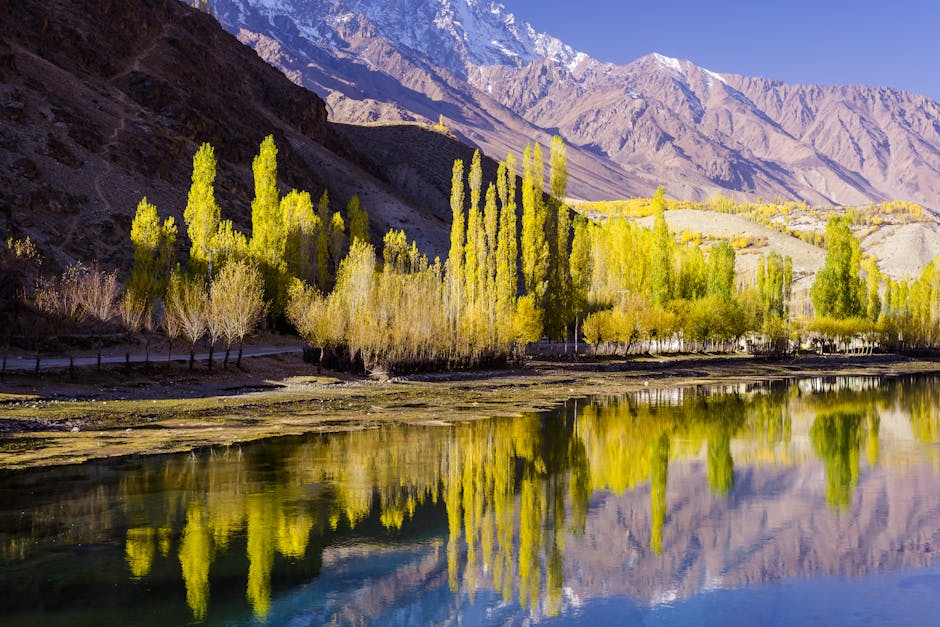
The Northern Areas—encompassing Gilgit-Baltistan and Azad Kashmir—host three of the world’s tallest mountain ranges: the Himalayas, Karakoram, and Hindu Kush. This convergence creates unparalleled terrain for hiking, mountaineering, river rafting, and cultural exploration. With over 100 peaks above 7,000 meters, including K2, the region draws serious climbers. But it’s equally rewarding for moderate hikers and road-trippers seeking raw beauty and authentic experiences.
Beyond mountains, the area offers turquoise lakes like Saif-ul-Muluk and Shangrila, ancient Silk Road routes, and welcoming communities in Hunza, Skardu, and Nagar. Infrastructure has improved in recent years, with better roads, guesthouses, and guided tour options—making adventure more accessible without sacrificing authenticity.
Best Time to Visit for Adventure Travel
Timing is critical. The ideal window for most adventure activities is from late April to early October. During these months, high passes are snow-free, rivers are swimmable, and guesthouses operate at full capacity.
- April–May: Spring thaw brings blooming apricot orchards in Hunza and Nagar. Trails are muddy but passable; crowds are light.
- June–August: Peak season. Warm days, clear skies, and full access to high-altitude treks like the Baltoro Glacier. Expect higher prices and booked accommodations.
- September–October: Autumn offers crisp air, golden foliage, and fewer tourists. Ideal for photography and moderate hikes.
Avoid November to March unless you’re experienced in winter mountaineering. Heavy snow blocks key passes like Khunjerab and Deosai, and many villages become inaccessible.
Top Destinations for Adventure in Northern Areas
Hunza Valley: Culture and Scenic Hikes
Hunza is the gateway for many travelers. Its terraced fields, apricot trees, and views of Rakaposhi and Ultar Sar make it a basecamp for day hikes and cultural immersion. Visit Altit and Baltit Forts, walk the Hussainabad Glacier trail, or take a jeep ride to Attabad Lake—formed after a 2010 landslide created a 20-kilometer-long turquoise reservoir.
For a moderate challenge, hike to the base of Rush Lake, passing through Rush Pari Peak with panoramic views of the Karakoram. The 4–5 hour trek starts near Nagar and is best attempted in summer.
Skardu and the Shigar Valley: Gateway to K2
Skardu is the launchpad for expeditions into the Karakoram. From here, 4WD vehicles head to Shigar, Askole, and Concordia—the “Throne Room of the Mountain Gods” where K2, Broad Peak, and Gasherbrum I and II align.
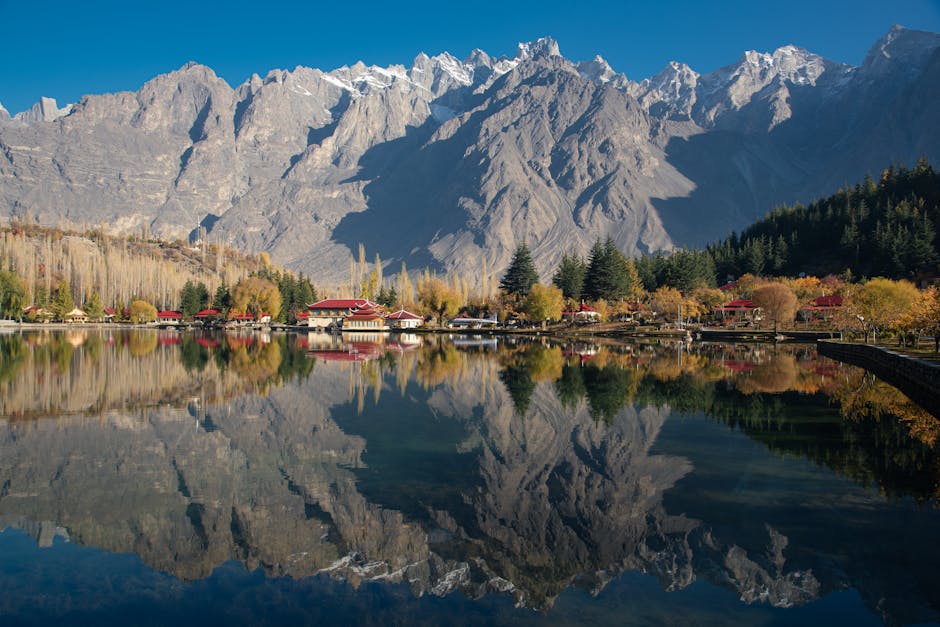
Even without climbing, day trips from Skardu are rewarding. Visit Kharpocho Fort for city views, explore Satpara Lake by kayak, or drive to the “floating” Shangrila Resort on Lower Kachura Lake. The upper lake, also called Shangrila, is quieter and surrounded by pine forests.
Deosai Plains: The Land of Giants
Often called the “Roof of the World,” Deosai is a high-altitude plateau averaging 4,000 meters. It’s one of the few places in Pakistan where Himalayan brown bears roam freely. The park is accessible only from June to September via a rough jeep track from Skardu or Astore.
Camping here is surreal—endless meadows, wildflowers, and star-filled skies. Bring a warm sleeping bag; temperatures drop below freezing even in summer. A 4WD vehicle and local guide are essential due to unmarked trails and weather shifts.
Naran and Kaghan Valley: Waterfalls and Forest Trails
Though technically in Khyber Pakhtunkhwa, Naran is a popular stop en route to Gilgit. The Kunhar River carves through pine forests, creating ideal conditions for trout fishing and short treks. Visit Saif-ul-Muluk Lake, a glacial body at 3,224 meters with folklore ties to a prince and fairy.
The road from Balakot to Naran is narrow and winding—drive cautiously. Landslides are common in monsoon season (July–August), so check road conditions before departure.
Adventure Activities by Season and Skill Level
Adventure travel in the Northern Areas isn’t limited to trekking. The region supports a range of activities suited to different fitness levels and interests.
| Activity | Best Season | Skill Level | Recommended Duration |
|---|---|---|---|
| Trekking (e.g., Baltoro Glacier) | June–September | Advanced | 10–14 days |
| Day Hikes (e.g., Hunza viewpoints) | April–October | Beginner–Intermediate | 2–6 hours |
| River Rafting (Indus, Kunhar) | May–September | Intermediate–Advanced | 1–3 days |
| Mountaineering (K2 base camp) | June–August | Expert | 30+ days |
| Cultural Tours (Hunza villages) | April–October | All levels | 1–3 days |
Getting There: Routes and Transportation
The Northern Areas are remote, so planning logistics is essential. Most travelers arrive via Islamabad, then choose between air and road.
- By Air: Pakistan International Airlines (PIA) flies from Islamabad to Gilgit and Skardu. Flights are scenic but weather-dependent—delays are common in winter and monsoon.
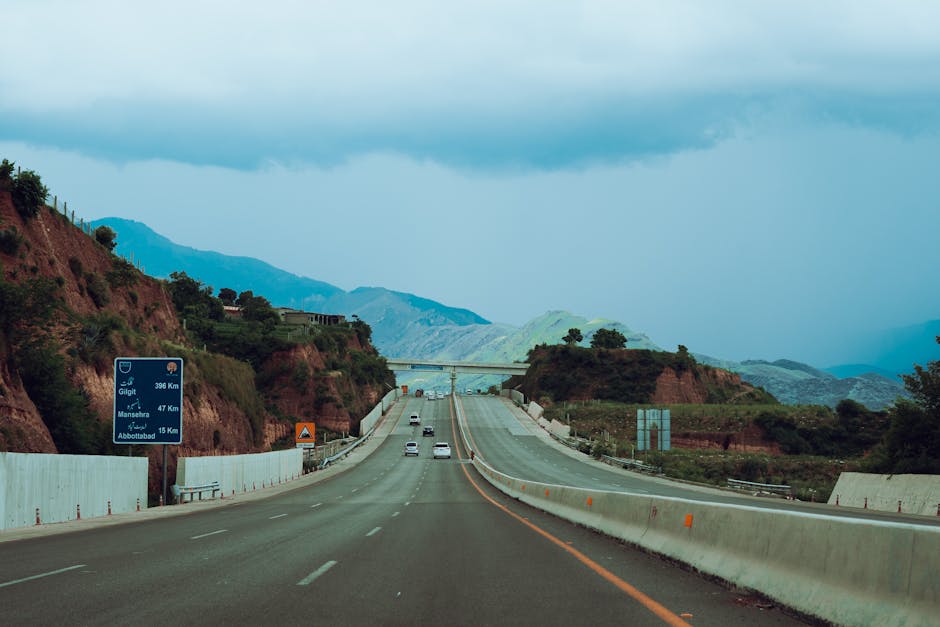
- By Road: The Karakoram Highway (KKH) is one of the highest paved roads in the world, connecting Islamabad to Gilgit (approx. 12–14 hours). Buses and private cars are available, but landslides can cause delays. The road from Gilgit to Skardu is 6–8 hours via 4WD.
- Local Transport: In valleys, shared jeeps (called “jeep taxis”) are the main mode. For remote areas like Deosai or Concordia, hire a private 4WD with a driver-guide.
Note: Foreign travelers need a No Objection Certificate (NOC) from the Ministry of Interior for certain areas, especially near borders. Check current requirements before booking.
Packing Essentials for High-Altitude Adventure
Even in summer, temperatures vary drastically between day and night. Pack in layers and prioritize quality over quantity.
- Clothing: Moisture-wicking base layers, insulated jacket, waterproof shell, trekking pants, warm hat, and gloves.
- Footwear: Sturdy hiking boots with ankle support. Bring camp shoes for evenings.
- Gear: Sleeping bag rated to -5°C, headlamp, water purification tablets, sunscreen (SPF 50+), and sunglasses with UV protection.
- Health: Altitude sickness medication (consult a doctor), first-aid kit, rehydration salts, and any personal prescriptions.
Avoid cotton—it retains moisture and increases hypothermia risk. Test your gear before departure.
Safety and Health Considerations
Adventure travel in remote areas carries inherent risks. Be prepared.
- Altitude Sickness: Ascend gradually. Spend a night in Gilgit (1,500m) before heading to Skardu (2,200m). Symptoms include headache, nausea, and dizziness. Descend immediately if symptoms worsen.
- Weather: Sudden storms can occur even in summer. Check forecasts daily and avoid high passes during rain or snow.
- Hydration: Drink 3–4 liters of water daily. Use purification methods—boiling, filters, or tablets—to avoid waterborne illness.
- Wildlife: Store food securely in bear country (Deosai, Shigar). Never approach wild animals.
Travel insurance with emergency evacuation coverage is strongly recommended. Confirm your policy covers high-altitude trekking and helicopter rescue.
Responsible Travel and Cultural Etiquette
Respect local customs to ensure a positive experience for travelers and communities.
- Dress modestly—cover shoulders and knees, especially in villages and religious sites.
- Ask permission before photographing people or homes.
- Remove shoes before entering homes or mosques.
- Support local economies by hiring local guides, staying in family-run guesthouses, and buying regional products like Hunza apricot oil or Balti handicrafts.
- Pack out all trash. Many areas lack waste management systems.
English is spoken in tourist areas, but learning basic Urdu or local phrases (like “Shukriya” for thank you) goes a long way.
Budgeting for Your Adventure Trip
Costs vary widely based on travel style. A budget-conscious traveler can manage on $30–50 per day, while luxury tours with private guides and flights can exceed $150 per day.
- Accommodation: Guesthouses in Hunza and Skardu range from $10–30 per night. Campsites are cheaper but require your own gear.
- Food: Local meals (dal, rice, chapati, vegetables) cost $3–6. Western food in tourist spots is pricier.
- Guides and Porters: Hire certified guides for technical treks ($30–60/day). Porters cost $15–25/day plus tips.
- Permits: Foreigners pay $20–50 for restricted area permits. Some treks require additional park fees.
Carry cash—ATMs are scarce outside major towns, and card payments are rarely accepted.
Sample Itinerary: 10-Day Adventure in Northern Areas
This balanced route covers highlights for first-time visitors.
- Day 1: Arrive in Islamabad. Overnight rest.
- Day 2: Fly to Gilgit. Explore the city and visit Kargah Buddha.
- Day 3: Drive to Hunza (3 hours). Visit Baltit Fort and Altit Village.
- Day 4: Day hike to Ultar Meadows or visit Attabad Lake.
- Day 5: Travel to Karimabad. Optional short trek to Eagle’s Nest viewpoint.
- Day 6: Drive to Skardu via Khaplu (6–7 hours). Overnight in Shigar.
- Day 7: Explore Skardu: Satpara Lake, Kharpocho Fort.
- Day 8: Day trip to Deosai Plains (4WD required). Camp or return same day.
- Day 9: Drive to Naran via Babusar Pass (weather permitting). Stay overnight.
- Day 10: Return to Islamabad via KKH. End of trip.
Adjust based on weather, fitness, and flight availability. Build in buffer days for delays.
Final Tips for a Successful Adventure
- Start with shorter treks if you’re new to high altitude.
- Hire a local guide for complex routes—they know weather patterns, shortcuts, and emergency contacts.
- Download offline maps (Google Maps or Maps.me) before heading out.
- Inform someone of your itinerary and check in regularly.
- Respect environmental and cultural limits—leave no trace.
With its unmatched landscapes and growing infrastructure, the Northern Areas of Pakistan offer one of the world’s most rewarding adventure travel experiences. Whether you’re scaling a glacier or sipping tea with a Hunza elder, the memories will last a lifetime.
FAQ
Do I need a visa to visit the Northern Areas of Pakistan?
Yes, all foreign travelers require a valid Pakistani visa. Some areas also need a separate No Objection Certificate (NOC), especially near border regions. Apply through your nearest Pakistani embassy or consulate.
Is it safe to travel alone in the Northern Areas?
While generally safe, solo travel is not recommended for remote treks. Hire a local guide or join a small group for safety, navigation, and cultural insight. Always share your plans with someone reliable.
Can I visit the Northern Areas during winter?
Most areas are inaccessible due to snow from November to March. Only experienced winter travelers with proper gear and guides should attempt visits during this time. Deosai and high passes are closed.

