
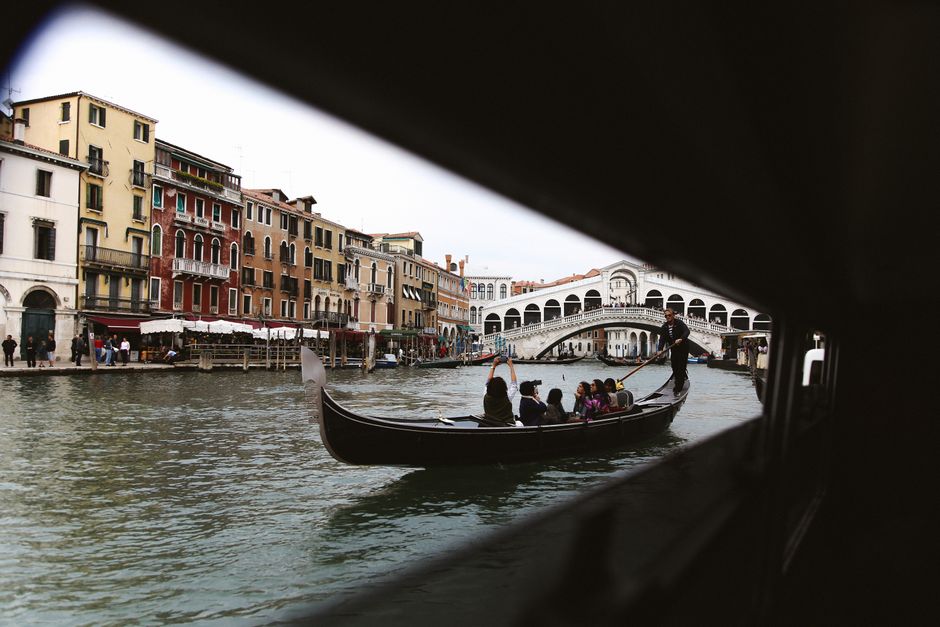
Best Things to Do in Venice Travel Guide
Best Things to Do in Venice Travel Guide
Venice can feel overwhelming. With more than 400 bridges, 150 canals, and a maze of alleyways that seem to lead nowhere, even a well-planned trip can turn into a chaotic wander. But that’s part of the magic. The key is knowing which experiences are worth your time and which ones you can skip. This guide covers the best things to do in Venice travel guide style — practical, honest, and built for first-time visitors who want to see the real city, not just the postcard version.
Why Most Venice Itineraries Fail (and How to Fix Yours)
The biggest mistake people make? Trying to see everything. Venice is small, but it’s dense. Walking from the Rialto Bridge to St. Mark’s Square takes five minutes. But you’ll pass three churches, a mask shop, a gelato stand, and a bridge with a perfect photo spot. That five-minute walk turns into an hour.
Instead of cramming in ten attractions, focus on five or six core experiences. Leave room for getting lost. The best moments in Venice happen when you’re not looking for them — a quiet courtyard, a gondola repair shop, a bakery that’s been open since 1850.
St. Mark’s Square and the Basilica
Start at Piazza San Marco. It’s touristy, yes, but for good reason. The square is the only true “piazza” in Venice — everything else is a campo or a campiello. Napoleon called it “the drawing room of Europe,” and it still feels that way at sunrise, before the crowds flood in.
What to See Inside St. Mark’s Basilica
The basilica’s golden mosaics cover over 8,000 square meters. They date back to the 11th century and depict biblical scenes with an intensity that photographs can’t capture. The Pala d’Oro altarpiece — a Byzantine masterpiece of gold, enamel, and 1,300 pearls — sits behind the main altar. It’s worth the €5 admission.
Warning: Lines for the basilica can stretch 45 minutes even on a slow Tuesday. Book skip-the-line tickets online at least a week ahead. Also, no photography inside. And knees and shoulders must be covered — guards enforce this strictly.
Campanile di San Marco
The bell tower collapsed in 1902. They rebuilt it exactly as it was. The view from the top spans the entire lagoon, from the Dolomites to the Adriatic. Take the elevator up (there’s no staircase for visitors). Go right before sunset for the best light and smaller crowds.
Rialto Bridge and the Rialto Market
The Rialto Bridge is the oldest of four bridges spanning the Grand Canal. It was the only way to cross on foot until 1854. Today, it’s packed with selfie sticks and souvenir stalls. But walk across it anyway — then duck into the side streets immediately.
The Morning Market
Head to the Rialto Market between 7:30 and 9:00 AM. This is where locals buy their fish, vegetables, and spices. The fish market (Pescheria) has been running since 1097. Watch the vendors set up their displays — gleaming sea bass, trays of clams, cuttlefish still inky black. Even if you aren’t cooking, it’s a window into daily Venetian life that most tourists miss.
Tip: Grab a coffee and a pastry at the nearby bar Al Mercà. It’s a two-minute walk, standing room only, and costs less than €2.
The Grand Canal by Vaporetto
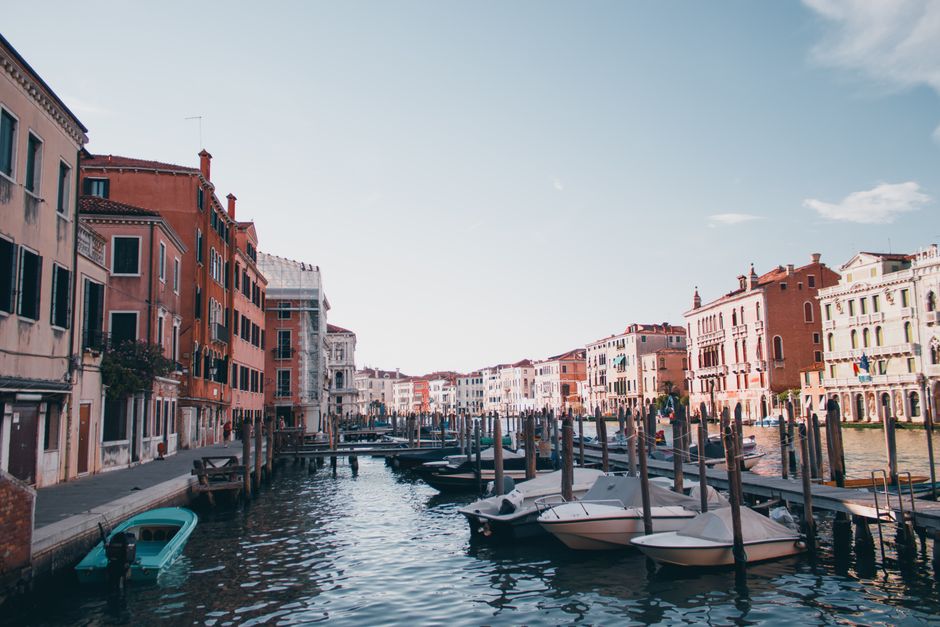
A gondola ride costs around €80 for 30 minutes. A vaporetto ride costs €9.50 for 75 minutes. Both give you the canal experience, but one is a transportation essential, and the other is a luxury indulgence. Take the vaporetto line 1 from Piazzale Roma to San Marco. It stops at every landing along the Grand Canal, letting you see all the palaces — Ca’ d’Oro, Palazzo Grassi, Peggy Guggenheim Collection — from the water.
Sit on the open deck at the back for unobstructed views. Don’t sit inside unless it’s raining. The ride takes about 45 minutes end-to-end, and it’s the best orientation you can get on your first day.
Doge’s Palace and the Bridge of Sighs
The Doge’s Palace was the seat of Venetian power for centuries. It’s part museum, part political history lesson, and part architectural spectacle. The golden staircase, the Sala del Maggior Consiglio (one of the largest rooms in Europe), and the prison cells are the highlights.
The Secret Itineraries Tour
Book the Secret Itineraries tour. It takes you through Casanova’s prison cell, the interrogation rooms, and the hidden passages where the Council of Ten met in secret. The standard ticket covers the main rooms, but the secret tour adds context that makes the palace come alive. It costs about €25 and sells out days in advance.
You’ll cross the Bridge of Sighs on this route — the enclosed limestone bridge that connects the palace to the prisons. The name comes from the sighs prisoners made as they caught their last glimpse of Venice through the tiny windows.
Art Museums Worth Your Time
Venice has more art per square kilometer than most European capitals. But you don’t need to see everything. Pick one or two based on your interest.
Gallerie dell’Accademia
This is Venice’s top art museum. It holds the largest collection of Venetian painting in the world — works by Bellini, Titian, Tintoretto, and Veronese. The gallery is manageable in 90 minutes. Don’t miss the Vitruvian Man drawing by Leonardo da Vinci (displayed only periodically due to conservation).
Peggy Guggenheim Collection
Housed in the unfinished Palazzo Venier dei Leoni on the Grand Canal, this museum is a must for modern art lovers. It features works by Pollock, Dalí, Picasso, and Magritte. The garden is a quiet escape from the crowds, and the café has decent coffee (rare in Venice).
Palazzo Grassi and Punta della Dogana
These two museums, both owned by François Pinault, rotate contemporary art exhibitions. The spaces themselves — a neoclassical palace and a former customs building — are worth the visit even if the exhibition doesn’t grab you. The view from Punta della Dogana across the basin to San Marco is stunning.
Getting Lost in the Neighborhoods
Venice has six sestieri (districts). San Marco and San Polo are the most visited. But the real charm is in the quieter corners.
Dorsoduro
Home to the Accademia and Peggy Guggenheim, but also student bars, artisan workshops, and the beautiful church of Santa Maria della Salute. The Zattere promenade here is perfect for an evening passeggiata (stroll) with a view of Giudecca island.
Cannaregio
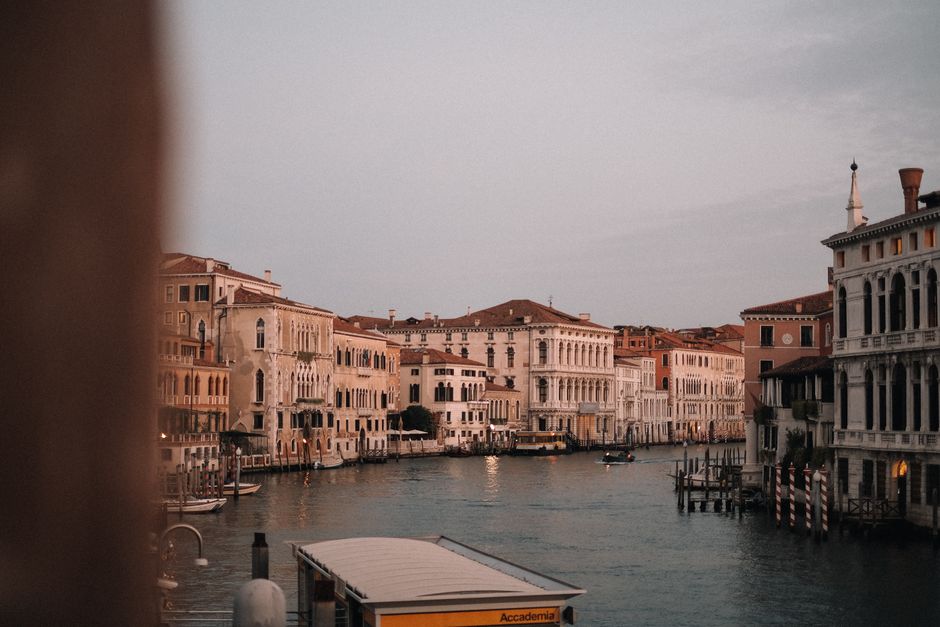
The Jewish Ghetto is in Cannaregio. It’s one of the oldest ghettos in the world, established in 1516. The area is quiet, residential, and has some of the best kosher bakeries in the city. The Fondamenta della Misericordia is lined with cicchetti bars (Venetian tapas joints) that stay busy until late.
Castello
This is the largest sestiere and the least visited by tourists. It stretches from the Arsenale (the historic shipyard) to the Biennale gardens. The streets are wide, the locals are friendly, and you can find a proper Italian lunch for under €15.
Islands of the Lagoon
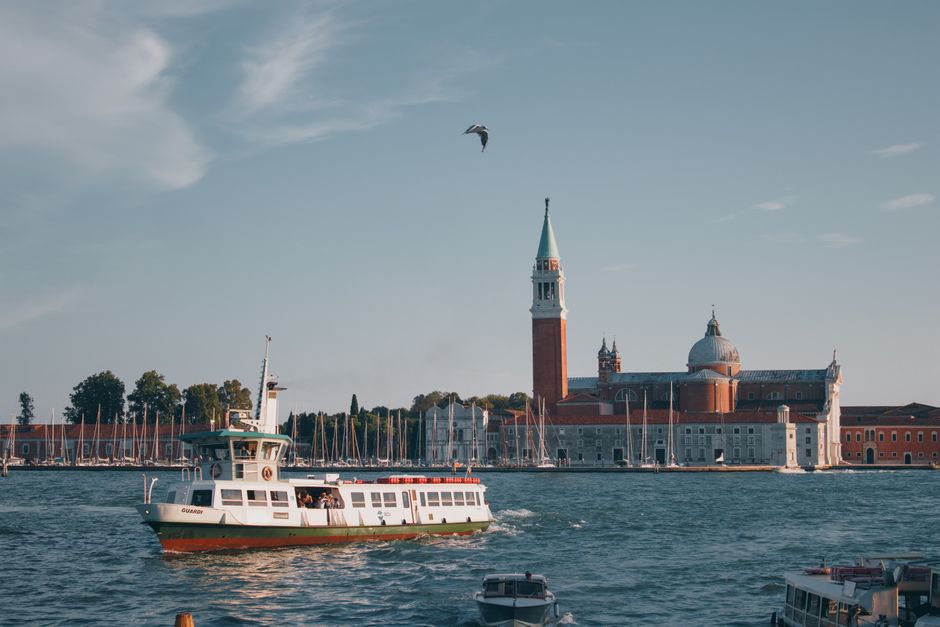
You can’t call your trip complete without a vaporetto ride to at least one of the lagoon islands. Three stand out.
Murano
Murano is famous for glassmaking. You can watch a live glass-blowing demonstration at any of the dozens of factories. The Museo del Vetro (Glass Museum) traces the history of Murano glass from Roman times to the present. It costs €12 and takes about an hour. Skip the overpriced shops on the main canal — buy directly from workshops in the side streets.
Burano
Burano is a photographer’s dream. Every house is painted a different bright color — blue, yellow, pink, green. The local lace-making tradition dates back to the 16th century. The island is small, walkable in an hour, and has a handful of decent seafood restaurants. Expect crowds on weekends, but it’s still worth the 45-minute vaporetto ride from Venice.
Torcello
Torcello is the quietest of the three. It’s the original settlement of the Venetian lagoon, predating Venice itself. The main attraction is the Basilica di Santa Maria Assunta with its stunning 11th-century mosaics. There are maybe three restaurants and a handful of houses. If you want silence, this is your island.
Food and Drink You Shouldn’t Skip
Venetian cuisine is different from the heavy pasta dishes of Rome or Naples. It’s based on seafood, rice, and polenta. Here’s what to eat.
Cicchetti
Small snacks served on bread or polenta. You’ll find them at bars called bacari. Typical options: baccalà mantecato (creamed cod), sarde in saor (sweet and sour sardines), and polpette (meatballs). Order a glass of ombra (a small wine) and stand at the bar like a local. It’s the cheapest meal in Venice — expect to pay €3-5 per snack.
Bigoli in Salsa
This is the classic Venetian pasta. Thick, whole-wheat spaghetti served with a sauce of onions, anchovies, and olive oil. It’s simple, salty, and deeply satisfying. Try it at Osteria alle Testiere (bookings essential) or Trattoria da Remigio.
Fritole
Venetian carnival fritters made with raisins and pine nuts. They appear in bakeries during February and March but some shops make them year-round. They’re fried, dusted with sugar, and best eaten warm.
Practical Tips for Your Venice Trip
These details can save you time, money, and frustration.
- Water bus tickets: Buy from tabacchi shops or automated machines. Don’t board without a validated ticket — the fine is €60.
- Walking shoes: Leave heels at home. You’ll walk 8-12 km per day on cobblestones and bridges.
- Acqua alta: High water can flood St. Mark’s Square from October to January. Check the tide forecast online and bring rubber boots if needed.
- Tipping: Not expected, but rounding up the bill by €1-2 is fine for good service.
- Reservations: Book restaurants for dinner. Walk-ins are rare for good tables.
How to Avoid Crowds
Cruise ships have been banned from the historic center since 2021, but the crowds haven’t vanished. Here’s how to dodge them.
- Visit St. Mark’s Basilica at 8:30 AM — it opens at 9:30 but the line forms early. Go straight there from your hotel.
- Skip the gondola ride at the Grand Canal. Take one in a quiet canal in Cannaregio or Dorsoduro instead. Same experience, half the traffic.
- Eat lunch at noon or 2:00 PM, not 1:00 PM when every restaurant is packed.
- Walk away from the main tourist arteries. If you see a sign for St. Mark’s Square, turn the other way.
Venice Comparison Table
| Attraction | Time Needed | Cost (€) | Best For |
|---|---|---|---|
| St. Mark’s Basilica | 1 hour | 5 (basic) | Art, history, mosaics |
| Doge’s Palace | 1.5 hours | 25 (secret tour) | History, politics, architecture |
| Gallerie dell’Accademia | 1.5 hours | 15 | Venetian painting |
| Peggy Guggenheim Collection | 1 hour | 16 | Modern art |
| Murano Island | 2-3 hours | 12 (ferry + museum) | Glassmaking |
| Burano Island | 1-2 hours | 9.50 (ferry) | Photography, lace |
| Rialto Market | 45 min | Free | Local culture, food |
| Grand Canal Vaporetto (Line 1) | 45 min | 9.50 | Scenic orientation |
Is Venice Worth It in 2025?
Yes, but with conditions. The city introduced an entrance fee (€5) for day-trippers on peak dates starting in 2024. That hasn’t slowed the crowds much, but it has improved management at the main entry points. The locals are still here — about 50,000 residents, down from 175,000 in 1950. The city is fragile, expensive, and often frustrating. But it’s also unlike any place on earth.
Go in shoulder season (April-May or September-October). Stay at least two nights. Walk every morning before 9 AM. Eat where the menu is handwritten in Italian. The best things to do in Venice aren’t the ones you plan — they’re the ones you stumble into.
Frequently Asked Questions
How many days do you need in Venice?
Two full days is the sweet spot. You can see the main sights — St. Mark’s, Doge’s Palace, Rialto, one museum, and one lagoon island — in two days without rushing. Three days lets you add a second island and explore a quiet neighborhood. A single day is possible but feels like a preview, not a visit.
What is the best time of year to visit Venice?
April to June and September to October offer mild weather and manageable crowds. July and August are hot, humid, and packed with tourists. November through February is cold and foggy but almost empty — ideal for photography and low-season hotel deals. Avoid February unless you’re here for the Carnevale (which is spectacular but crowded).
Is a gondola ride worth the cost?
If you have €80 to spare and want the iconic experience, yes. But book it in a quiet canal area like Cannaregio or Dorsoduro, not on the Grand Canal. The standard rate is €80 for 30 minutes (€100 after 7 PM). Negotiate the price and route before boarding. For the same views at a fraction of the cost, take the vaporetto Line 1 along the Grand Canal.
