
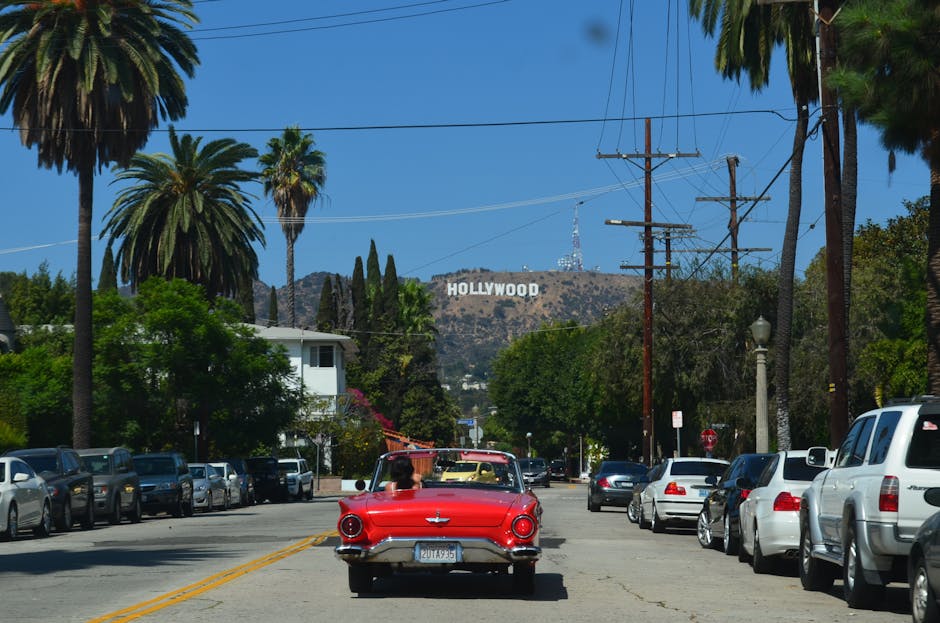
Hollywood Travel Guide Los Angeles: Everything You Need to Know
Hollywood Travel Guide Los Angeles: Everything You Need to Know
Planning a trip to Los Angeles and want to experience the magic of Hollywood? This Hollywood travel guide covers the must-see attractions, hidden gems, transportation tips, and practical advice to help you make the most of your visit. Whether you’re chasing celebrity sightings, exploring iconic film locations, or soaking up the California sun, LA offers a unique blend of glamour, culture, and adventure. From the Hollywood Walk of Fame to scenic hikes with skyline views, this guide delivers actionable insights for first-time and returning visitors alike.
Why Visit Hollywood in Los Angeles?
Hollywood is more than a neighborhood—it’s a global symbol of entertainment, creativity, and ambition. As the historic heart of the American film industry, it draws millions of visitors each year seeking connection to movies, music, and pop culture. Beyond the glitz, Hollywood offers diverse neighborhoods, world-class dining, and access to some of LA’s most famous landmarks.
Unlike other major cities, Los Angeles is spread out, and Hollywood serves as a central hub for tourists. It’s close to Beverly Hills, Universal Studios, and Griffith Park, making it a strategic base for exploring the region. The area blends old-school charm with modern energy, offering everything from vintage theaters to rooftop bars with panoramic views.
Top Attractions in Hollywood
Hollywood Walk of Fame
The Hollywood Walk of Fame is one of the most recognizable landmarks in the world. Stretching along Hollywood Boulevard and Vine Street, it features over 2,700 stars embedded in the sidewalk, honoring celebrities from film, television, music, and radio. Look for stars belonging to icons like Marilyn Monroe, Michael Jackson, and Oprah Winfrey.
While the Walk of Fame can get crowded, visiting early in the morning or on weekdays helps avoid the rush. Nearby, you’ll find the TCL Chinese Theatre, where celebrity handprints and footprints are preserved in cement. It’s a fun photo op and a piece of Hollywood history.
TCL Chinese Theatre
Originally opened in 1927 as Grauman’s Chinese Theatre, this iconic venue hosts major movie premieres and features elaborate architecture inspired by Chinese design. The forecourt is filled with imprints from stars like Tom Hanks, Audrey Hepburn, and Sylvester Stallone.
Guided tours are available and provide behind-the-scenes stories about the theater’s history and famous premieres. The building also houses an IMAX theater, making it a destination for both sightseeing and entertainment.
Hollywood Sign
The Hollywood Sign, perched on Mount Lee in Griffith Park, is a global icon. While you can’t walk up to it, there are several scenic viewpoints for photos. The best public access is from the Griffith Observatory or the hiking trails in Griffith Park.
For a closer look, hike the Brush Canyon Trail or the Mt. Hollywood Trail. These moderate hikes take about 45 minutes to an hour and offer sweeping views of the sign and downtown LA. Always stay on marked trails—trespassing near the sign is illegal and dangerous.
Griffith Observatory
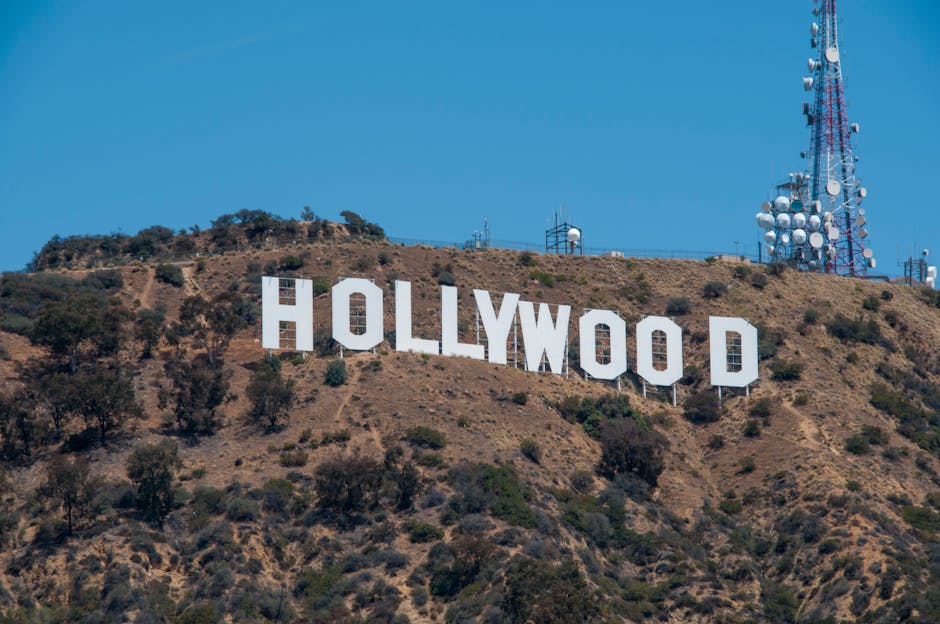
Located just a short drive from Hollywood, the Griffith Observatory offers free admission and stunning views of the city, the Hollywood Sign, and the Pacific Ocean on clear days. Inside, interactive exhibits explore astronomy, space, and science.
The observatory hosts public telescope viewing on clear nights and is especially popular during sunset. Parking can be limited, so consider arriving early or using public transit. The building itself has appeared in films like Rebel Without a Cause, adding to its cultural significance.
Universal Studios Hollywood
About 15 minutes north of Hollywood, Universal Studios combines a working film studio with a theme park. Visitors can tour real soundstages, experience thrilling rides like The Wizarding World of Harry Potter, and see live shows.
Buy tickets online in advance to skip lines. The Studio Tour is a highlight—it takes you through sets from movies like Jurassic Park and War of the Worlds. Allow a full day to explore, especially if you’re visiting with kids.
Where to Stay in Hollywood
Staying in Hollywood puts you within walking distance of major attractions and public transit. Accommodations range from budget-friendly motels to luxury hotels with rooftop pools and celebrity sightings.
The Hollywood Roosevelt Hotel, built in 1927, is a historic landmark with Art Deco charm and a pool once frequented by stars like Marilyn Monroe. For modern comfort, the W Hollywood offers stylish rooms and a central location near the Walk of Fame.
Budget travelers can find value in motels along Hollywood Boulevard or consider staying in nearby Koreatown or Los Feliz, which offer more affordable options and easy Metro access.
Getting Around Hollywood and LA
Los Angeles is a car-centric city, but Hollywood is one of the most walkable areas. Many attractions are within a 10- to 15-minute walk of each other, especially along Hollywood Boulevard.
Public transit is available via the Metro Red Line, which stops at Hollywood/Highland, Hollywood/Vine, and Universal City. Buses also serve the area, but schedules can be inconsistent. Ride-sharing apps like Uber and Lyft are widely used and often faster than waiting for public transport.
If you plan to explore beyond Hollywood—like Santa Monica, Downtown LA, or Venice Beach—consider renting a car. Traffic in LA is notorious, so avoid driving during rush hours (7–10 a.m. and 4–7 p.m.). Use apps like Waze for real-time traffic updates.
Dining and Nightlife in Hollywood
Best Restaurants
Hollywood offers a diverse food scene, from food trucks to fine dining. For a classic LA experience, try In-N-Out Burger—order the “Animal Style” burger for a local favorite. For something more upscale, Providence serves award-winning seafood with a tasting menu.
Tacos are a staple in LA, and Guisados in Hollywood offers handmade tamales and slow-braised meat tacos. For brunch, The Griddle Café is famous for its massive pancakes, but expect a wait—arrive early or order ahead.
Nightlife and Entertainment
Hollywood comes alive at night with live music, comedy clubs, and rooftop bars. The Comedy Store on Sunset Boulevard has launched the careers of legends like Richard Pryor and Chris Rock. Shows often sell out, so book in advance.
For drinks with a view, head to The Rooftop at The Standard, Downtown LA—just a short ride from Hollywood. Closer to the Walk of Fame, Mama Shelter’s rooftop bar offers craft cocktails and a lively atmosphere. Many bars have cover charges on weekends, so check ahead.
Day Trips and Nearby Attractions
While Hollywood is a major draw, LA has plenty to offer beyond the neighborhood. A day trip to Santa Monica gives you beach access, the iconic pier, and shopping on the Third Street Promenade. The Metro Expo Line connects Downtown LA to Santa Monica in about 45 minutes.
Beverly Hills is just a 10-minute drive west and offers luxury shopping on Rodeo Drive and celebrity home tours. You can book guided tours that drive past homes of stars like Jennifer Aniston and the Kardashians—though privacy fences are common.
For nature lovers, Runyon Canyon Park offers hiking trails with views of the city and occasional celebrity sightings. It’s popular with locals and tourists alike, so go early to secure parking.
Practical Tips for Visiting Hollywood
Best Time to Visit
Los Angeles enjoys mild weather year-round, but the best time to visit Hollywood is during spring (March to May) or fall (September to November). Temperatures are comfortable, and crowds are smaller than in summer.
Summer brings peak tourism and higher hotel rates. Winter is the rainy season, though storms are usually brief. Major events like the Oscars (late February or early March) draw huge crowds—book accommodations well in advance if visiting during this time.
Safety and Etiquette
Hollywood is generally safe for tourists, but like any major city, stay aware of your surroundings. Avoid walking alone late at night in dimly lit areas, especially east of Vine Street. Keep valuables secured and be cautious of street vendors selling unofficial tours or merchandise.
When visiting attractions, follow posted rules—no climbing on statues, no feeding wildlife in Griffith Park, and no flash photography in museums. Respect private property, especially in residential areas near the Hollywood Sign.
Money-Saving Tips
Many of Hollywood’s top attractions are free or low-cost. The Walk of Fame, Griffith Observatory, and hiking trails don’t require tickets. Use the Go City Los Angeles pass if you plan to visit multiple paid attractions—it can save up to 50% on entry fees.
Eat where locals eat: food trucks, diners, and ethnic markets offer delicious meals at a fraction of restaurant prices. Tap water is safe to drink, so carry a reusable bottle to save money and reduce plastic waste.
Hollywood vs. Other LA Neighborhoods: A Quick Comparison
| Feature | Hollywood | Santa Monica | Downtown LA |
|---|---|---|---|
| Main Attractions | Walk of Fame, TCL Chinese Theatre, Hollywood Sign | Santa Monica Pier, Third Street Promenade, beach | The Broad, Walt Disney Concert Hall, Grand Central Market |
| Vibe | Touristy, historic, entertainment-focused | Relaxed, beachy, family-friendly | Urban, artsy, fast-paced |
| Best For | First-time visitors, pop culture fans | Beach lovers, shoppers, outdoor activities | Art lovers, foodies, nightlife |
| Public Transit Access | Excellent (Metro Red Line) | Good (Expo Line) | Excellent (multiple Metro lines) |
Final Thoughts
A trip to Hollywood is a must for anyone visiting Los Angeles. It’s where dreams are made—and where you can walk in the footsteps of legends. With its mix of iconic landmarks, cultural experiences, and easy access to other parts of LA, Hollywood offers something for every traveler.
Plan ahead, stay flexible, and embrace the energy of the city. Whether you’re snapping a photo with the Hollywood Sign or catching a live comedy show, your time in Hollywood will be unforgettable.
FAQ
Q: Is Hollywood safe for tourists?
A: Yes, Hollywood is generally safe for visitors. Stick to well-lit, busy areas, especially at night, and avoid displaying expensive items. Use trusted transportation and stay aware of your surroundings.
Q: Do I need a car to visit Hollywood?
A: Not necessarily. Hollywood is walkable, and the Metro Red Line connects key attractions. A car is helpful for exploring farther areas like Malibu or Pasadena, but traffic and parking can be challenging.
Q: Can I see celebrities in Hollywood?
A: It’s possible, but not guaranteed. You might spot stars at restaurants, hotels, or events, but most keep a low profile. Avoid chasing paparazzi or trespassing on private property.

