
Los Angeles Travel Guide: Top Attractions
Los Angeles Travel Guide: Top Attractions
Los Angeles is a dynamic city where sun-drenched beaches meet world-class museums, and Hollywood glamour blends with urban energy. Whether you’re visiting for the first time or returning to explore deeper, this guide highlights the must-see attractions that define LA’s unique character. From iconic landmarks to hidden local favorites, we’ve curated a practical list to help you make the most of your trip—without the overwhelm.
Why Visit Los Angeles?
Los Angeles offers something for every traveler. It’s a city of neighborhoods, each with its own vibe—beachy Santa Monica, artsy Silver Lake, historic Downtown. You can hike to a Hollywood sign viewpoint in the morning, catch a live show in the evening, and end the night with tacos from a late-night food truck.
The city’s cultural diversity is reflected in its food, festivals, and architecture. With over 75 miles of coastline and a Mediterranean climate, outdoor exploration is always an option. LA isn’t just about celebrities and cars—it’s a place where creativity, innovation, and lifestyle converge.
Top Attractions in Los Angeles
Hollywood Walk of Fame
Stretching along Hollywood Boulevard and Vine Street, the Walk of Fame features over 2,700 stars embedded in the sidewalk, honoring entertainment legends. It’s a free attraction and a quintessential photo op, especially near the TCL Chinese Theatre.
Visit early in the day to avoid crowds. While the area can feel touristy, it’s worth seeing at least once. Look for stars of your favorite actors—many are clustered near the historic theater.
Griffith Observatory and Griffith Park
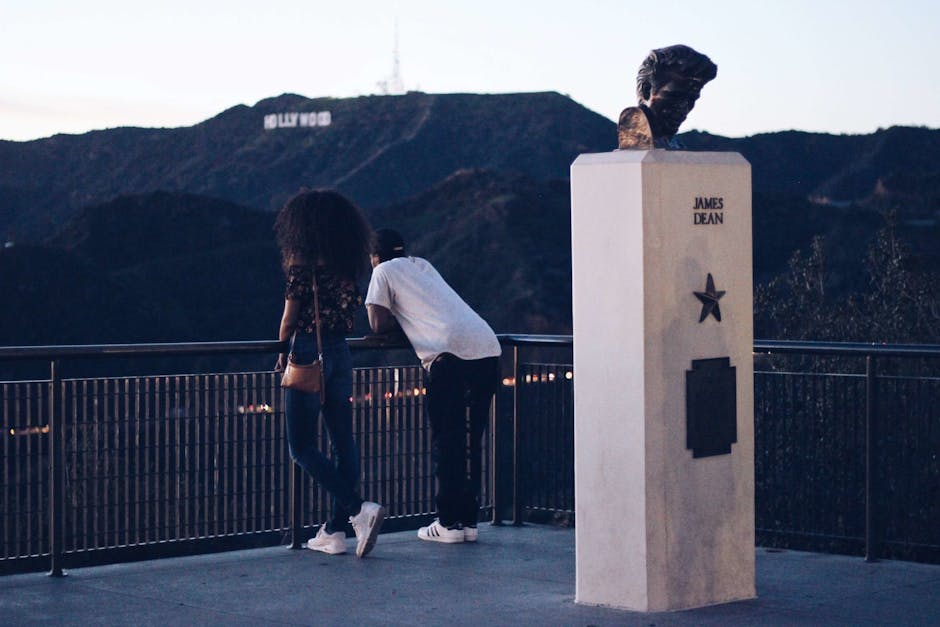
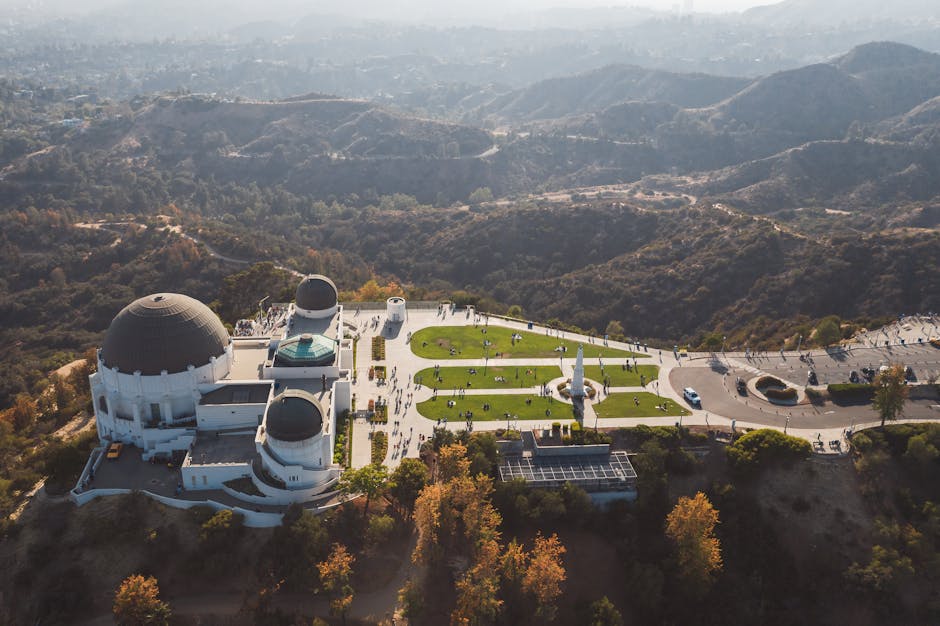
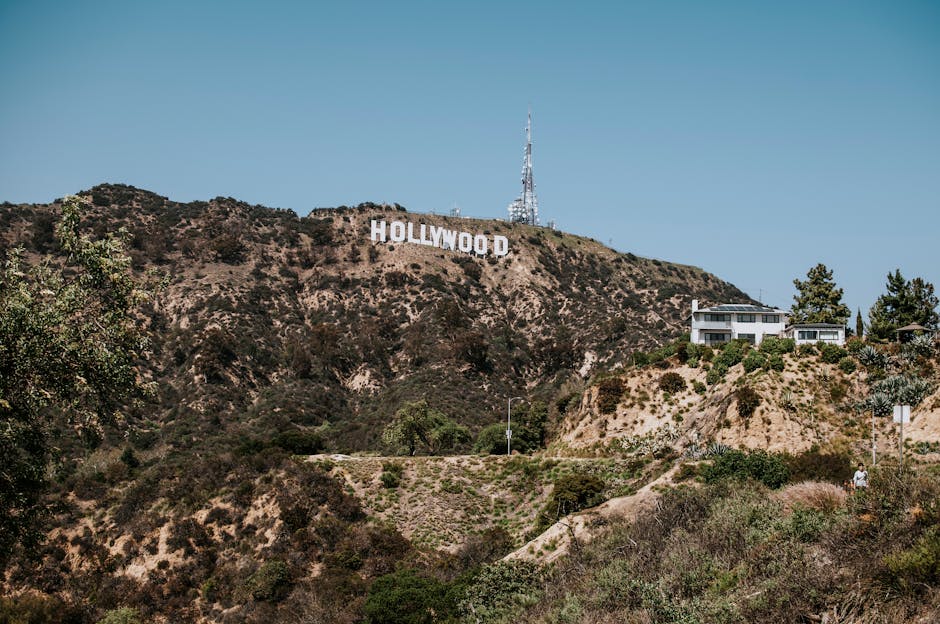
Perched in the hills above Hollywood, Griffith Observatory offers panoramic views of the city, the Hollywood Sign, and on clear days, the Pacific Ocean. Admission to the building and grounds is free, though parking fills up quickly on weekends.
The observatory features exhibits on space and science, a planetarium, and public telescopes. For a memorable experience, visit at sunset. The view of the city lights coming alive is unmatched.
Nearby Griffith Park is one of the largest urban parks in North America. Hike the trails to the Hollywood Sign or explore the Los Angeles Zoo. The park also hosts outdoor concerts and events throughout the year.
Santa Monica Pier and Beach
Santa Monica Pier is a classic California destination. Ride the Ferris wheel at Pacific Park, play arcade games, or grab a snack at the historic carousel. The pier extends into the Pacific, offering ocean views and a lively atmosphere.
The adjacent beach is perfect for walking, sunbathing, or people-watching. Rent a bike and cruise the Marvin Braude Bike Trail, which runs along the coast for miles. The Third Street Promenade, just steps from the pier, is lined with shops, street performers, and restaurants.
Getty Center
The Getty Center is a world-class art museum set on a hilltop in the Brentwood neighborhood. Its collection spans European paintings, sculptures, and decorative arts, including works by Van Gogh, Rembrandt, and Monet.
Admission is free, but parking costs $20. Reservations are recommended, especially on weekends. The architecture and gardens are as impressive as the art—don’t miss the Central Garden, designed by Robert Irwin.
The museum also offers stunning views of Los Angeles. Arrive early to secure parking and enjoy a quiet moment in the outdoor courtyards before the galleries open.
The Original Farmers Market and The Grove
Located in the Fairfax District, the Original Farmers Market has been serving locals and visitors since 1934. It’s a food lover’s paradise with over 100 vendors offering everything from Korean BBQ to fresh-baked pastries.
Next door, The Grove is an outdoor shopping and entertainment complex with upscale stores, a movie theater, and frequent live performances. The two spaces complement each other—grab lunch at the market, then shop or catch a film at The Grove.
Visit on a weekday to avoid the biggest crowds. The market is open year-round and hosts seasonal events, like holiday festivals and food truck rallies.
Venice Beach Boardwalk
Venice Beach is famous for its bohemian spirit, street performers, and eclectic boardwalk. Walk from the pier to the Muscle Beach outdoor gym, where bodybuilders have trained since the 1950s.
The boardwalk is lined with vendors selling art, jewelry, and snacks. You’ll see everything from unicyclists to fortune tellers. It’s a lively, sometimes chaotic scene—best enjoyed with a sense of humor and curiosity.
For a quieter experience, visit early morning or late evening. The beach itself is wide and sandy, ideal for a walk or a sunset view.
The Broad Museum
The Broad is a contemporary art museum in Downtown LA, known for its striking honeycomb-like exterior. It houses one of the most significant collections of postwar and contemporary art in the world, including works by Jeff Koons, Yayoi Kusama, and Jean-Michel Basquiat.
Admission is free, but timed-entry tickets are required and often sell out weeks in advance. Reserve online as soon as your travel dates are set. The museum is open Wednesday through Sunday.
The Infinity Mirrored Room by Kusama is a must-see—though each visitor gets only 30 seconds inside. Plan to arrive early and explore the surrounding Grand Avenue area, which includes other cultural institutions like MOCA.
Universal Studios Hollywood
Universal Studios is a working film studio and theme park rolled into one. It’s ideal for families and movie fans, with rides based on blockbusters like Jurassic World, The Wizarding World of Harry Potter, and The Simpsons.
The Studio Tour is the park’s signature experience—a tram ride through real movie sets and special effects demonstrations. It lasts about 60 minutes and is included with admission.
Buy tickets online in advance for discounts. Arrive at opening time to maximize your day. Consider the Express Pass if you’re visiting during peak season to skip long lines.
Olvera Street
Often called the “birthplace of Los Angeles,” Olvera Street is a historic district in Downtown LA with Mexican-American roots dating back to 1781. It’s a charming, pedestrian-only street filled with colorful shops, traditional food stalls, and cultural exhibits.
Try a taquito from a family-run stand or browse handmade crafts. The area hosts festivals throughout the year, including Día de los Muertos and Cinco de Mayo. It’s a great spot to learn about LA’s early history and enjoy authentic Mexican cuisine.
Visit in the late afternoon when the string lights come on and the atmosphere becomes especially festive.
Runyon Canyon Park
Runyon Canyon is one of LA’s most popular hiking spots, known for its steep trails and celebrity sightings. The main loop is about 3 miles and offers 360-degree views of the city, the Hollywood Sign, and the San Fernando Valley.
It’s a dog-friendly park, so expect to see plenty of pups on the trail. Bring water, wear sturdy shoes, and start early to avoid the midday heat. The park has multiple entrances—the Fuller Avenue gate is the most accessible.
Note: The trail can get crowded on weekends. Weekday mornings offer a more peaceful experience.
Getting Around Los Angeles
Los Angeles is a sprawling city, and public transportation is limited compared to other major cities. While Metro buses and trains connect key areas, many attractions are best reached by car.
Renting a car gives you flexibility, but be prepared for traffic and parking challenges. Use apps like Waze for real-time navigation. Alternatively, ride-sharing services like Uber and Lyft are widely available and often cheaper than parking in busy areas.
For shorter trips, consider biking or walking in pedestrian-friendly zones like Santa Monica, Downtown, or Venice. Many hotels offer bike rentals, and the city has an expanding network of bike lanes.
Best Times to Visit
Los Angeles enjoys mild weather year-round, but the best time to visit is during spring (March to May) or fall (September to November). Temperatures are pleasant, and crowds are smaller than in summer.
Summer brings warmer weather and school vacations, making popular spots like beaches and theme parks especially busy. Winter is the rainy season, though storms are usually brief. Hotel rates are lowest from November to February, excluding holidays.
Check local event calendars before you go. Major events like the LA Film Festival or LA Pride can affect accommodation prices and traffic.
Where to Stay
Accommodation in LA varies widely by neighborhood. Downtown LA is ideal for first-time visitors, with easy access to museums, restaurants, and public transit. It’s also home to the Fashion District and Little Tokyo.
Beach areas like Santa Monica and Venice offer a relaxed vibe and ocean views, but can be more expensive. Hollywood is convenient for entertainment-focused trips, though some areas feel dated or crowded.
Budget travelers can find value in areas like Koreatown or North Hollywood, which have good transit links and affordable hotels. Always check recent guest reviews and proximity to attractions before booking.
Food and Dining Tips
Los Angeles is a food lover’s dream. From food trucks to Michelin-starred restaurants, the city offers incredible variety. Don’t miss trying authentic Mexican food in Boyle Heights or Koreatown’s BBQ scene.
Farmers markets are great for sampling local produce and artisanal goods. The Original Farmers Market and the Sunday market at Grand Central Market in Downtown are top choices.
Make reservations for popular restaurants, especially on weekends. Many spots fill up weeks in advance. For a unique experience, try a food tour—options range from taco crawls to vegan walks.
Safety and Practical Tips
Los Angeles is generally safe for tourists, but standard precautions apply. Avoid walking alone in poorly lit areas at night, and keep valuables out of sight in your car.
Parking in busy areas can be expensive. Use parking apps like SpotHero to compare rates and reserve spots in advance. Always lock your car and remove bags or electronics.
Stay hydrated, especially during hikes or summer days. The sun can be intense, even on cloudy days. Wear sunscreen, a hat, and sunglasses when outdoors.
Compact Comparison of Top Attractions
| Attraction | Best For | Cost | Tip |
|---|---|---|---|
| Griffith Observatory | Views, science, photos | Free (parking $10–$20) | Go at sunset for city lights |
| Getty Center | Art, architecture, gardens | Free (parking $20) | Reserve parking online |
| Santa Monica Pier | Family fun, ocean views | Free (rides extra) | Visit early to avoid crowds |
| The Broad | Contemporary art | Free (timed tickets required) | Book tickets weeks ahead |
| Universal Studios | Theme park, movie magic | $109–$149 (varies by date) | Buy Express Pass for shorter lines |
Final Thoughts
Los Angeles rewards curiosity and flexibility. With so much to see and do, it’s easy to feel overwhelmed—but focusing on a few key attractions per day makes the experience more enjoyable.
Use this guide to plan your itinerary, but leave room for spontaneity. Some of the best LA moments happen off the beaten path: a quiet café in Echo Park, a mural in the Arts District, or a sunset at El Matador Beach.
Whether you’re here for the culture, the coast, or the cuisine, Los Angeles offers a rich, multifaceted experience. Come with an open mind, and you’ll leave with stories worth sharing.
Frequently Asked Questions
Q: What’s the best way to get from LAX to downtown Los Angeles?
A: The most convenient options are ride-sharing (Uber/Lyft), the LAX FlyAway bus to Union Station, or a taxi. Public transit via the Metro Rail requires a shuttle to the Green Line, which takes longer but is cheaper.
Q: Do I need a car to visit Los Angeles?
A: It depends on your itinerary. A car offers the most flexibility, especially for beach trips or hikes. However, if you’re staying in Downtown, Santa Monica, or Hollywood and using ride-shares or Metro, you can manage without one.
Q: Are the main attractions in LA expensive?
A: Many top attractions, like Griffith Observatory, The Broad, and the Hollywood Walk of Fame, are free. Paid attractions like Universal Studios can be pricey, but discounts are often available online. Budget for parking and food, which add up quickly.

