
Kuala Lumpur 3 Day Itinerary Guide: See the Best of Malaysia’s Capital
Kuala Lumpur 3 Day Itinerary Guide: See the Best of Malaysia’s Capital
Spending three days in Kuala Lumpur gives you enough time to explore the city’s iconic landmarks, experience its vibrant food scene, and soak up its rich cultural mix. This Kuala Lumpur 3 day itinerary guide is designed for first-time visitors who want to make the most of their short trip. You’ll see the Petronas Twin Towers, visit historic temples and mosques, shop at bustling markets, and enjoy authentic Malaysian cuisine—all without feeling rushed.
Whether you’re arriving by plane, train, or road, Kuala Lumpur is easy to navigate. The city offers a blend of modern skyscrapers and colonial architecture, set against a backdrop of tropical greenery. With smart planning, you can cover the highlights comfortably in 72 hours.
How to Use This Itinerary
This guide assumes you’ll arrive early on Day 1 and depart late on Day 3. Each day is structured around a central theme: modern attractions, cultural immersion, and local life. You can adjust timing based on opening hours, weather, or personal interests.
Start each morning around 8–9 AM and aim to finish major sightseeing by late afternoon. Evenings are reserved for dining, light shopping, or relaxation. Public transport—especially the LRT and MRT—is reliable and affordable. Grab (the Southeast Asian equivalent of Uber) is also widely used and often cheaper than taxis.
Day 1: Iconic Landmarks and City Skyline
Morning: Petronas Twin Towers and KLCC Park
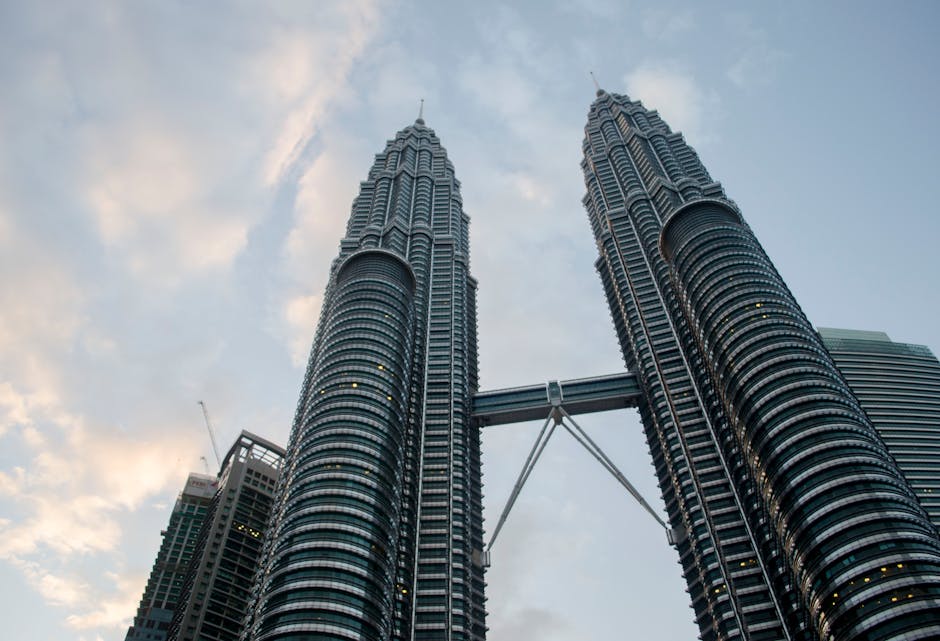
Begin your trip at the Petronas Twin Towers, the symbol of Kuala Lumpur. Arrive by 9 AM to beat the crowds. Purchase tickets online in advance for the SkyBridge and observation deck on the 86th floor. Same-day tickets sell out quickly, especially on weekends.
After your tower visit, walk across the street to KLCC Park. The park features a 1.3-kilometer jogging track, a wading pool for children, and the Symphony Lake with daily fountain shows. It’s a peaceful contrast to the urban buzz just steps away.
Afternoon: Suria KLCC and Lunch at Pavilion KL
Head inside Suria KLCC, the upscale mall beneath the towers. It’s home to luxury brands, a cinema, and the Aquaria KLCC—a compact but impressive oceanarium with a 90-meter underwater tunnel. Budget about 2–3 hours if you plan to visit.
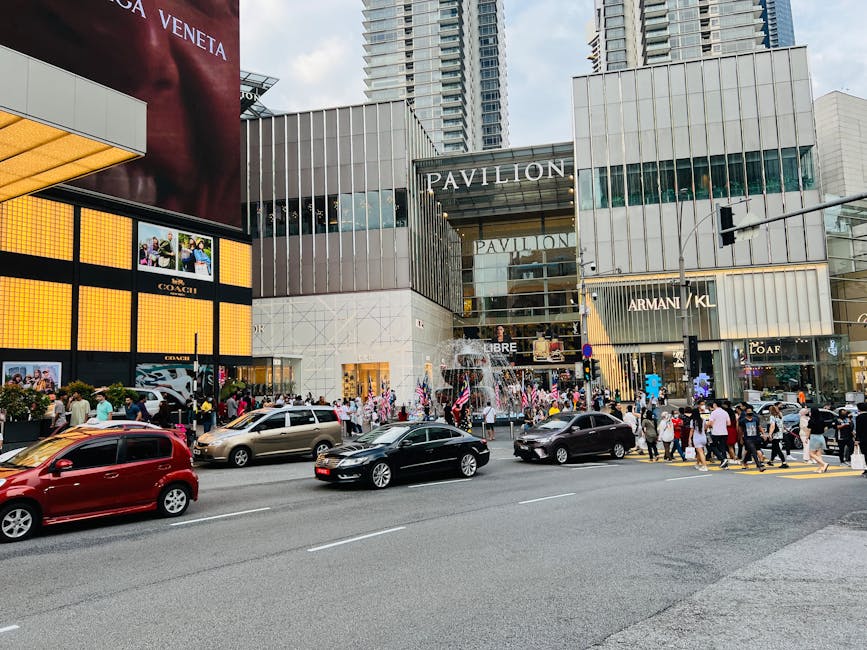
For lunch, take the short walk to Pavilion KL, one of the city’s most popular shopping centers. Try Jalan Alor-style dishes at Marble 8 for Western fare or head to Food Republic on Level 6 for a food court experience with local favorites like laksa and char kway teow.
Evening: Dinner at Jalan Alor
As the sun sets, make your way to Jalan Alor, Kuala Lumpur’s legendary food street. The strip comes alive after dark with sizzling woks, neon signs, and the aroma of grilled seafood and satay.
Recommended stops: Restaurant Wong Ah Wah for chili crab and salted egg squid, or Ah Heng Seafood for affordable grilled fish. Most dishes cost between RM15–RM30. Cash is preferred, though some places now accept cards.
End the night with a stroll through the nearby Bukit Bintang district. It’s lively, safe, and full of bars and late-night cafes if you’re not ready to call it a day.
Day 2: Culture, History, and Local Flavors
Morning: Batu Caves
Start early—ideally by 8 AM—to visit Batu Caves, a 15-minute drive north of the city center. This limestone hill houses a series of Hindu temples and shrines inside caves. The main attraction is the 272-step climb to the Temple Cave, guarded by a 42.7-meter golden statue of Lord Murugan.
Wear modest clothing (shoulders and knees covered) and bring water. The steps can get hot and slippery. Visit during the week to avoid crowds. Photography is allowed, but avoid touching the monkeys—they’re clever and may snatch food or bags.
Afternoon: Merdeka Square and Sultan Abdul Samad Building
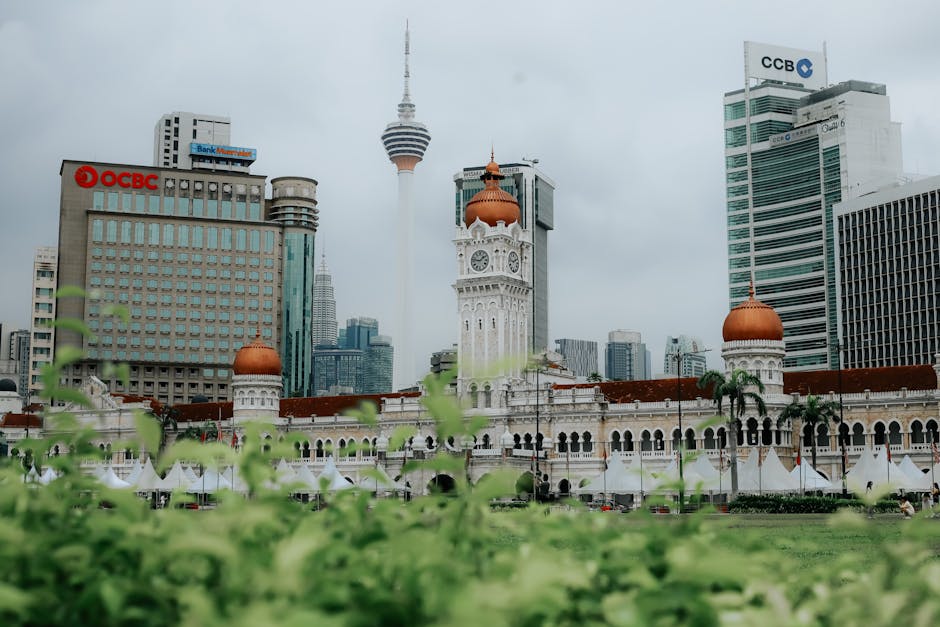
Return to the city and head to Merdeka Square, the historic heart of Kuala Lumpur. This is where Malaysia declared independence in 1957. The square is surrounded by colonial-era buildings, including the Sultan Abdul Samad Building with its iconic clock tower and Moorish architecture.
Nearby, visit the National Textile Museum (free entry) or the Royal Selangor Visitor Centre to learn about pewter craftsmanship. Both are short walks and offer air-conditioned respite from the heat.
Evening: Chinatown and Dinner at Petaling Street
As evening falls, explore Petaling Street, Kuala Lumpur’s bustling Chinatown. While it’s known for counterfeit goods, it’s also a great spot for street food, souvenirs, and people-watching.
For dinner, try Kim Soya for Korean-Malaysian fusion or Hao Shi Jie for authentic claypot chicken rice. Vegetarian options are available at Vegetarian Kitchen, tucked down a side alley.
Don’t miss the nightly night market, which sets up around 6 PM. Haggling is expected—start at 50% of the asking price and negotiate politely.
Day 3: Nature, Views, and Local Life
Morning: KL Tower and KL Forest Eco Park
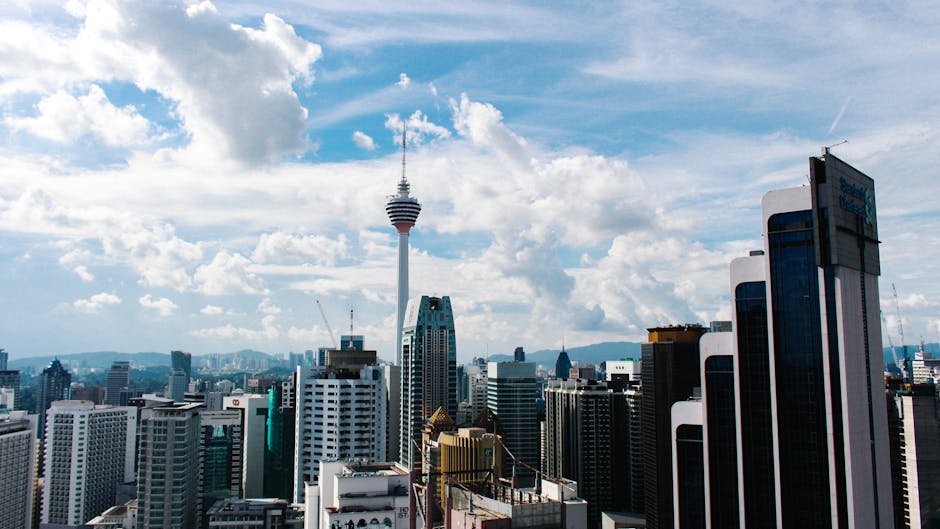
On your final morning, visit KL Tower for panoramic views of the city. The tower’s observation deck is slightly higher than the Petronas Towers and less crowded. Arrive by 9 AM for clear skies and better photo opportunities.
Just below the tower is KL Forest Eco Park, one of the oldest permanent forest reserves in the country. A 10-minute walk along the canopy walkway offers a unique perspective of the city from the treetops. Entry is free, and it’s a quiet escape from the urban pace.
Afternoon: Central Market and Lunch at Lot 10 Hutong
Head to Central Market, a heritage building turned cultural hub. It features local crafts, batik prints, and souvenirs. It’s a great place to pick up gifts without the haggling of Petaling Street.
For lunch, go to Lot 10 Hutong, a food court inside a shopping mall that replicates a traditional shophouse setting. Each stall is run by a well-known hawker brand. Try Nam Heong for chicken rice, Fook Ming Tong for dim sum, or Ah Cheng for curry mee.
Evening: Sunset at KLCC or Relax at a Rooftop Bar
If the weather is clear, return to KLCC Park for sunset views of the Petronas Towers. The golden hour lighting makes for stunning photos, especially from the park’s western edge.
Alternatively, unwind at a rooftop bar. SkyBar at Traders Hotel offers one of the best city views, though drinks are pricey (cocktails start at RM35). For a more relaxed vibe, try The Rooftop at The Row, a trendy spot in a converted heritage building.
Transport Tips for Getting Around
Kuala Lumpur has a well-connected public transport system. The LRT, MRT, and Monorail cover most tourist areas. Get a Touch ‘n Go card at any station—it works on all rail lines and some buses.
For short distances, walking is often faster than traffic-heavy taxis. Use the KL Hop-On Hop-Off bus if you prefer a guided overview, but it’s slower than the metro.
Avoid driving. Parking is expensive, and traffic can be unpredictable, especially during rush hours (7–9 AM and 5–7 PM).
Where to Stay in Kuala Lumpur
Choose your accommodation based on your itinerary. Staying near KLCC or Bukit Bintang puts you within walking distance of major attractions and dining.
Budget travelers should consider hostels like The Bed KLCC or Reggae Guesthouse. Mid-range options include Hotel Stripes and Citadines Bukit Bintang. Luxury seekers can book The Ritz-Carlton or Mandarin Oriental, both with direct access to KLCC.
Book early during peak seasons (December–January, June–August) to secure better rates and availability.
Food You Must Try in Kuala Lumpur
Malaysian cuisine is a highlight of any visit. Don’t leave without trying:
- Nasi Lemak: Coconut rice with anchovies, peanuts, egg, and sambal. Best at Nasi Lemak Antarabangsa near KL Sentral.
- Char Kway Teow: Stir-fried flat rice noodles with prawns, cockles, and bean sprouts. Try it at Kim Gary in Pavilion’s food court.
- Roti Canai: Flaky flatbread served with curry. Available at any mamak stall, especially for breakfast.
- Ice Kacang: Shaved ice dessert with sweet syrup, jelly, and condensed milk. Found at most hawker centers.
Drink plenty of water and opt for bottled or filtered water to avoid stomach issues. Avoid raw vegetables and unpeeled fruits from street vendors if you have a sensitive stomach.
Weather and Best Time to Visit
Kuala Lumpur has a tropical rainforest climate—hot and humid year-round with frequent afternoon showers. Temperatures average 27–33°C (81–91°F).
The driest months are typically January to March and June to August. Avoid the monsoon season (November to December) if possible, as heavy rains can disrupt outdoor plans.
Pack light, breathable clothing, a compact umbrella, and sunscreen. A light rain jacket is useful even in dry months.
Packing Essentials for Your Trip
Bring comfortable walking shoes—many attractions involve stairs or uneven paths. A small backpack is ideal for day trips.
Don’t forget a universal power adapter (Malaysia uses Type G plugs), portable charger, and a reusable water bottle. Many malls and attractions have refill stations.
Carry a printed copy of your hotel address in Malay or show it on your phone to help with taxi navigation.
Safety and Etiquette Tips
Kuala Lumpur is generally safe for tourists. Petty theft like bag-snatching occurs in crowded areas, so keep valuables secure and avoid flashing expensive items.
When visiting religious sites, dress modestly and remove shoes where required. Public displays of affection are frowned upon in conservative areas.
Tipping is not expected, but rounding up the bill or leaving small change at restaurants is appreciated.
Sample Daily Schedule Comparison
| Time | Day 1: Modern KL | Day 2: Culture & History | Day 3: Nature & Local Life |
|---|---|---|---|
| 8:00–10:00 AM | Petronas Twin Towers | Batu Caves | KL Tower & Forest Eco Park |
| 10:30 AM–12:30 PM | KLCC Park & Aquaria | Merdeka Square & Sultan Abdul Samad Building | Central Market |
| 1:00–2:30 PM | Lunch at Pavilion KL | Lunch at a local café near Merdeka | Lunch at Lot 10 Hutong |
| 3:00–6:00 PM | Free time / Shopping | National Textile Museum or Royal Selangor</n | Free time / Souvenir shopping |
| 7:00 PM onwards | Dinner at Jalan Alor | Dinner at Petaling Street | Sunset at KLCC or rooftop bar |
Final Tips for a Smooth Trip
Download the MyRapid app for real-time transit updates and the Grab app for rides and food delivery. Both are essential for navigating the city efficiently.
Check opening hours in advance—some attractions close early on Fridays for prayers. Fridays are also busier at mosques and religious sites.
If you have extra time, consider a half-day trip to the Batu Caves on a different day or a visit to the Islamic Arts Museum, one of the best in Southeast Asia.
FAQ
Is 3 days enough to see Kuala Lumpur?
Yes, 3 days is sufficient to cover the main attractions, experience local culture, and enjoy authentic food. This itinerary balances sightseeing with downtime.
Do I need to book Petronas Twin Towers tickets in advance?
Absolutely. Tickets often sell out 1–2 days in advance, especially on weekends. Book online at the official website at least 48 hours ahead.
What’s the best way to get from Kuala Lumpur International Airport (KUL) to the city?
The KLIA Ekspres train is the fastest option (28 minutes to KL Sentral, RM55). Taxis and Grab are cheaper but can take 60–90 minutes depending on traffic.
