
Best Shopping in Bangkok Guide
Best Shopping in Bangkok Guide
Bangkok is a shopper’s paradise, offering everything from high-end malls to bustling street markets and hidden local boutiques. Whether you’re hunting for designer fashion, authentic Thai handicrafts, or bargain electronics, the city delivers unmatched variety and value. This guide covers the top shopping districts, must-visit markets, and practical tips to help you navigate Bangkok’s retail landscape with confidence. From luxury brands to quirky souvenirs, you’ll find exactly what you need—without overspending.
Top Shopping Districts in Bangkok
Bangkok’s shopping scene is organized into distinct districts, each catering to different tastes and budgets. Knowing where to go saves time and ensures you get the best deals.
Sukhumvit: Modern Malls and Trendy Finds
Sukhumvit Road is lined with upscale shopping centers like Terminal 21, Emporium, and EmQuartier. These malls blend international brands with Thai designers and offer air-conditioned comfort. Terminal 21 stands out with its airport-themed floors—each level represents a different global city. You’ll find affordable fashion, tech gadgets, and beauty products here, often at lower prices than in Western countries.
Silom and Sathorn: Business Meets Bargains
Silom is known for its mix of corporate offices and vibrant night markets. During the day, visit Robinson Department Store for reliable mid-range brands. At night, the Silom Night Market comes alive with street food, clothing stalls, and handmade accessories. It’s ideal for picking up casual wear and unique gifts under the stars.
Chatuchak Weekend Market: The Ultimate Treasure Hunt
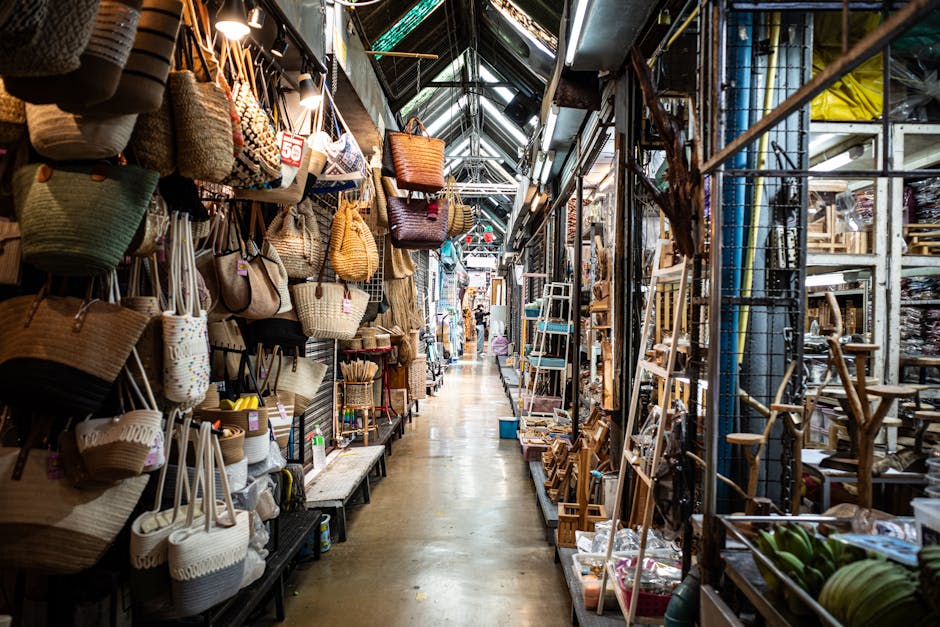
Open only on weekends, Chatuchak is one of the world’s largest outdoor markets. With over 15,000 stalls spread across 35 acres, it’s easy to get overwhelmed. Focus on sections like clothing, home decor, and vintage items. Arrive early, wear comfortable shoes, and bring cash—many vendors don’t accept cards. Haggling is expected, so start at half the asking price.
Best Markets for Authentic Thai Goods
For travelers seeking cultural souvenirs and locally made products, Bangkok’s markets offer genuine craftsmanship and fair prices.
Chatuchak Weekend Market
Beyond fashion, Chatuchak excels in Thai handicrafts. Look for handwoven silk scarves, ceramic elephants, and wooden carvings. The plant section is also famous—bring a small bag if you’re buying orchids or succulents (check export regulations first).
Pratunam Market: Wholesale Fashion Hub
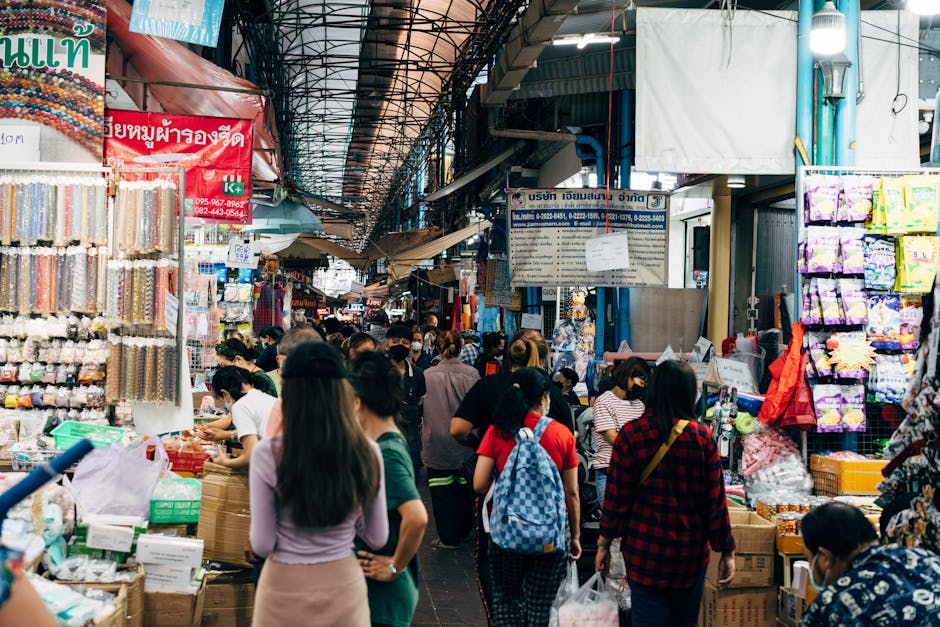
Located near Baiyoke Tower, Pratunam is Bangkok’s wholesale clothing district. It’s crowded, chaotic, and best visited early morning. You’ll find bulk deals on T-shirts, dresses, and accessories—perfect if you’re buying for resale or need multiple outfits. Retail prices are low, but quality varies, so inspect items carefully.
Khlong Lat Mayom Floating Market
Less touristy than Damnoen Saduak, this floating market offers a more authentic experience. Vendors sell fresh tropical fruits, coconut ice cream, and handmade snacks from wooden boats. It’s a great place to sample local flavors and pick up edible souvenirs like dried mango or tamarind candy.
Upscale Shopping: Malls and Luxury Brands
Bangkok’s luxury shopping rivals global capitals, with tax-free incentives for tourists.
Siam Paragon and CentralWorld
Siam Paragon houses flagship stores for Louis Vuitton, Gucci, and Apple, alongside a gourmet food hall and aquarium. CentralWorld, one of Southeast Asia’s largest malls, offers a balance of luxury and mainstream brands. Both provide tourist tax refunds—ask for a VAT refund form at checkout.
ICONSIAM: The New Benchmark
Opened in 2018, ICONSIAM combines high-end retail with Thai cultural exhibits. The Sooksiam zone recreates traditional village life, complete with live performances and regional crafts. International luxury brands occupy the upper floors, while the riverside location offers scenic views and dining.
Bargain Hunting Tips
Smart shopping in Bangkok means knowing when and where to negotiate.
How to Haggle Effectively
Start by offering 30–50% of the initial price. Stay polite and smile—aggression rarely works. If the vendor refuses, walk away slowly; they may call you back with a better deal. Avoid haggling in malls or chain stores, where prices are fixed.
Cash vs. Card: What to Use
Many street vendors and small shops only accept cash, especially in markets. Withdraw Thai baht from ATMs (check for foreign transaction fees). For larger purchases in malls, credit cards are widely accepted and often qualify for VAT refunds.
Avoiding Tourist Traps
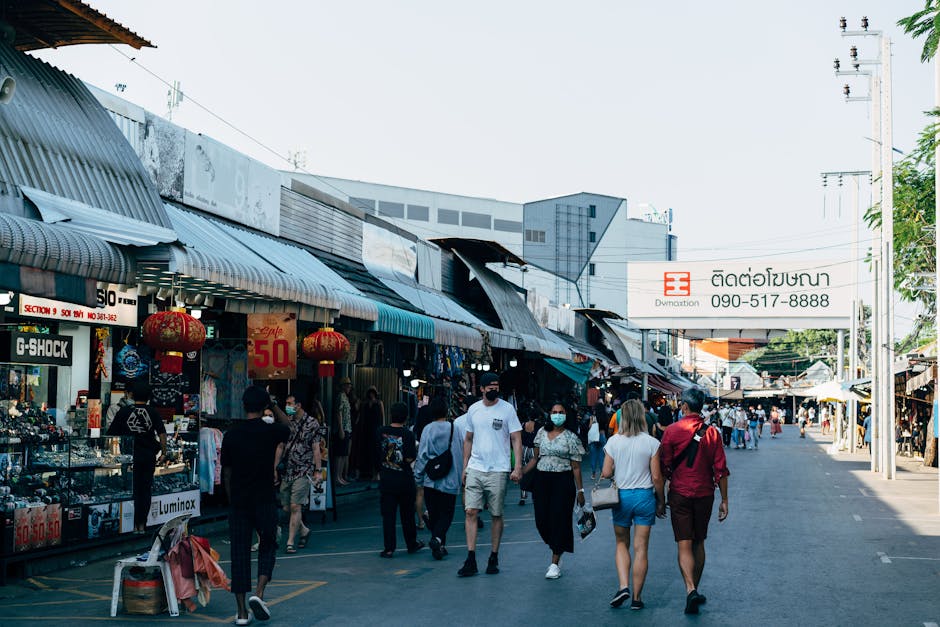
Steer clear of shops near major tourist sites that advertise “government-approved” or “tax-free” deals—these are often overpriced. Stick to busy local markets or reputable malls. Always check product labels; counterfeit goods are common in unregulated areas.
What to Buy in Bangkok
Bangkok offers unique products you won’t find elsewhere.
Thai Silk and Textiles
Authentic Thai silk is lightweight, durable, and comes in vibrant patterns. Visit Jim Thompson House for high-quality pieces or Chatuchak for more affordable options. Look for the “Thai Silk” certification label to avoid synthetic imitations.
Local Beauty and Skincare
Brands like Thann, Panpuri, and Mistine offer natural skincare using ingredients like rice, turmeric, and coconut. Available in malls and pharmacies, these products are popular among locals and make excellent gifts.
Snacks and Edible Souvenirs
Stock up on Mae Sri rice crackers, Tao Kae Noi seaweed, and Cha Tra Mue tea. These are widely available in supermarkets like Big C or Tesco Lotus. Pack them in sealed bags to prevent spills during travel.
Handicrafts and Home Decor
Bamboo lanterns, lacquerware boxes, and hand-painted fans reflect Thailand’s artistic heritage. Chatuchak and the Bangkok Art and Culture Centre’s gift shop carry well-made pieces. Support local artisans by buying directly from makers when possible.
Shopping Hours and Practical Tips
Timing and preparation make a big difference in your shopping experience.
Operating Hours
Most malls open from 10:00 AM to 10:00 PM. Street markets vary—Chatuchak operates Saturday and Sunday only, while Pratunam starts as early as 5:00 AM. Night markets like Rot Fai (Train Market) in Srinakarin run from 5:00 PM to midnight.
Transportation and Getting Around
Use the BTS Skytrain to reach Sukhumvit and Siam areas quickly. For Chatuchak, take the MRT to Chatuchak Park Station. Taxis and Grab are convenient but can get stuck in traffic. Always carry a hotel card with the Thai address to show drivers.
Packing and Luggage Tips
Bring a foldable tote bag for extra purchases. If buying large items like textiles or decor, ask if stores offer delivery to your hotel or airport. Airlines have strict weight limits, so weigh your luggage before heading to the airport.
Comparison of Top Shopping Destinations
| Location | Best For | Price Range | Best Time to Visit |
|---|---|---|---|
| Siam Paragon | Luxury brands, electronics, dining | High | Evening (less crowded) |
| Chatuchak Weekend Market | Handicrafts, clothing, antiques | Low to medium | Saturday–Sunday, 9:00 AM–6:00 PM |
| Pratunam Market | Wholesale fashion, bulk buys | Low | Weekdays, 5:00 AM–2:00 PM |
| ICONSIAM | High-end shopping, cultural experience | High | Afternoon to evening |
| Khlong Lat Mayom | Local snacks, floating market vibe | Low | Weekends, 8:00 AM–4:00 PM |
Final Tips for a Successful Shopping Trip
Plan your route in advance using a map or app like Google Maps. Prioritize must-visit spots based on your interests—don’t try to do everything in one day. Stay hydrated, wear sunscreen, and take breaks in air-conditioned cafes. Keep receipts for valuable items in case of customs checks. Most importantly, enjoy the experience—Bangkok’s energy and variety make shopping here uniquely rewarding.
FAQ
Q: Is it safe to shop in Bangkok’s street markets?
A: Yes, most markets are safe, but stay alert in crowded areas to avoid pickpockets. Stick to busy stalls and avoid displaying large amounts of cash.
Q: Can I get a VAT refund on shopping in Bangkok?
A: Tourists spending over 2,000 THB in participating stores can claim a VAT refund at the airport. Ask for a refund form at checkout and present it with your passport and receipts.
Q: What’s the best way to carry purchases back home?
A: Use a lightweight suitcase or expandable bag. For fragile items, request bubble wrap from stores. Check airline baggage policies before departure.
