
Istanbul Travel Guide: Best Places to Visit
Istanbul Travel Guide: Best Places to Visit
Istanbul is a city where continents meet, history unfolds at every corner, and culture pulses through bustling bazaars and serene mosques. Straddling Europe and Asia, this vibrant metropolis offers travelers an unparalleled blend of ancient wonders, modern energy, and culinary delights. Whether you’re exploring Byzantine relics, sailing the Bosphorus, or savoring street food in a back alley, Istanbul delivers experiences that linger long after you’ve left. This guide highlights the best places to visit, practical tips, and hidden gems to help you make the most of your trip.
Top Historical and Cultural Attractions
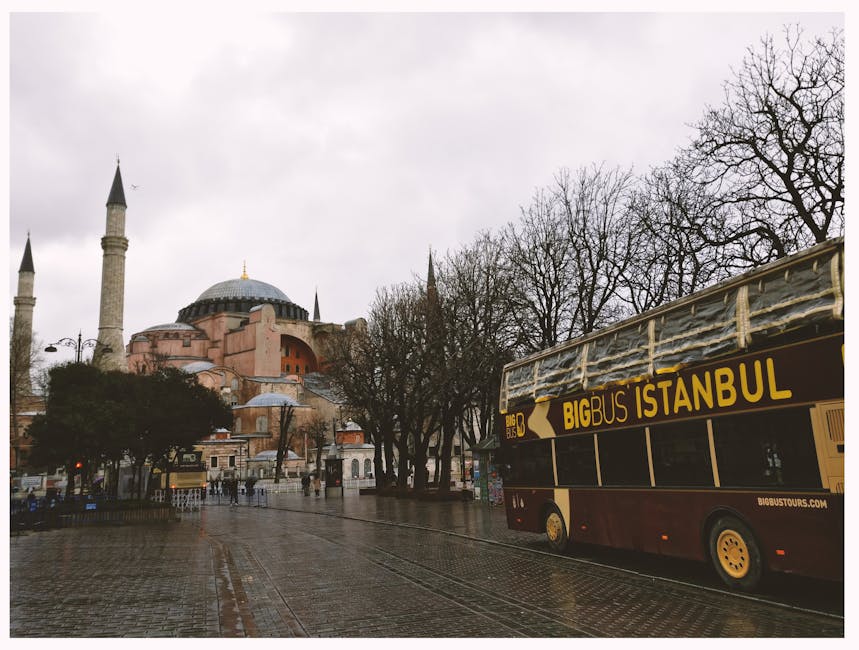
Hagia Sophia: A Monument of Two Faiths
The Hagia Sophia stands as one of the world’s most iconic landmarks, originally built as a cathedral in 537 AD, later converted into a mosque, and now a museum. Its massive dome, intricate mosaics, and towering minarets reflect centuries of religious and architectural evolution. Visitors can admire the blend of Christian and Islamic art, including the famous Deesis mosaic and the mihrab indicating the direction of Mecca.
Entry is permitted throughout the day, but arrive early to avoid crowds. Photography is allowed inside, though flash and tripods are prohibited. The site is accessible via tram to Sultanahmet Station.
Topkapı Palace: Seat of the Ottoman Sultans
Once the administrative heart of the Ottoman Empire, Topkapı Palace offers a glimpse into royal life with its opulent courtyards, harem quarters, and imperial treasury. Highlights include the Spoonmaker’s Diamond, sacred relics in the Chamber of Holy Relics, and panoramic views of the Bosphorus from the palace terraces.
Plan at least three hours for a full visit. The Harem section requires a separate ticket. Audio guides are available in multiple languages and enhance the experience significantly.
Blue Mosque (Sultanahmet Camii): A Masterpiece of Ottoman Architecture
Named for its 20,000 handmade Iznik tiles in shades of blue, the Blue Mosque is a functioning place of worship and a must-see landmark. Its six minarets and cascading domes create a striking silhouette, especially at sunset. Visitors must dress modestly—shoulders and knees covered—and remove shoes before entering.
The mosque is closed to tourists during prayer times, but open otherwise. Visit early morning or late afternoon for fewer crowds and softer light for photography.
Basilica Cistern: Underground Wonder
Beneath the bustling streets of Istanbul lies the Basilica Cistern, a 6th-century underground reservoir built by Emperor Justinian. Supported by 336 marble columns, it once supplied water to the Great Palace. The atmosphere is mystical, with dim lighting and the sound of dripping water echoing through the cavernous space.
Two columns feature Medusa head bases—upside down and sideways—sparking curiosity among historians. Allow 45 minutes for the visit. The cistern is wheelchair accessible via a ramp.
Must-Visit Neighborhoods
Sultanahmet: The Historic Heart
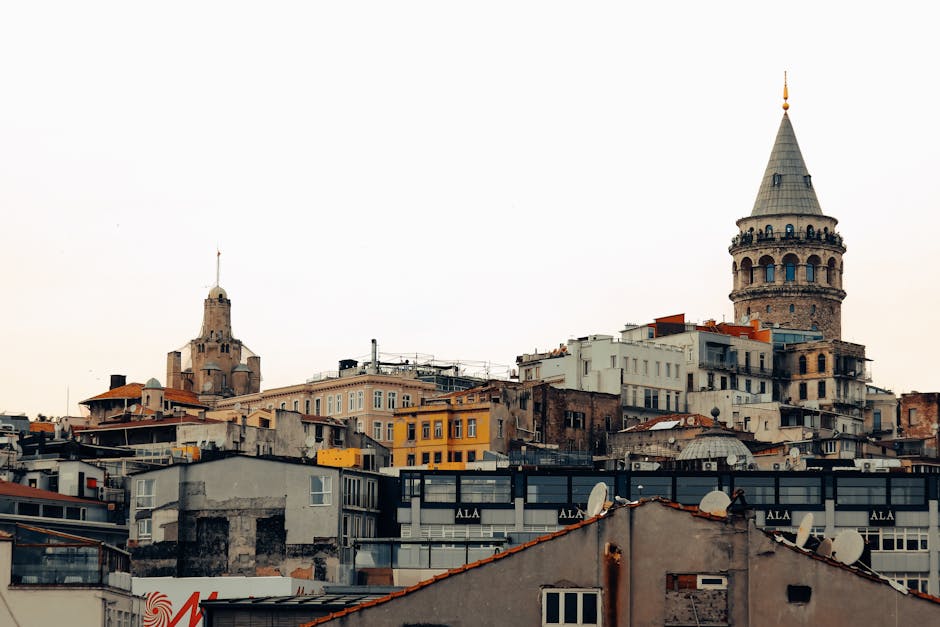
Sultanahmet is the epicenter of Istanbul’s ancient past, home to most major landmarks. Walking through its cobbled streets feels like stepping back in time. It’s ideal for first-time visitors who want to be close to key attractions.
Stay in a boutique hotel here for convenience, but expect higher prices and tourist crowds. Local cafes serve traditional Turkish breakfasts—look for ones with garden seating for a peaceful start to the day.
Beyoğlu and İstiklal Avenue: Urban Energy and Culture
Beyoğlu pulses with modern Istanbul. İstiklal Avenue, a pedestrian-only street lined with shops, galleries, and historic buildings, is best explored on foot. Take the red tram for a nostalgic ride or walk from Taksim Square down to Tünel.
Don’t miss the Pera Museum for Ottoman art and the nostalgic Çiçek Pasajı (Flower Passage) for meze and rakı. Street performers and open-air book stalls add to the lively atmosphere, especially in the evenings.
Karaköy and Galata: Trendy and Artistic
Once a gritty port district, Karaköy has transformed into a hub for design, coffee, and contemporary art. The area around Galata Tower offers boutique shopping, art galleries, and some of the city’s best cafes. Climb the tower for 360-degree views of the city and Bosphorus.
Visit the Istanbul Modern Art Museum nearby for Turkish and international works. Karaköy is also a great base for foodies, with trendy restaurants and bakeries serving fusion and traditional dishes.
Kadıköy: Asian Side Charm
Cross the Bosphorus to Kadıköy for a local, less touristy experience. This lively neighborhood on the Asian side boasts vibrant markets, seaside parks, and a thriving food scene. The Kadıköy Market is perfect for sampling olives, cheeses, and fresh seafood.
Take a ferry from Eminönü or Karaköy for a scenic 20-minute ride. Once there, explore Moda district for cafes with sea views and street art. It’s ideal for a relaxed afternoon away from the European side’s crowds.
Iconic Landmarks and Experiences
Bosphorus Cruise: See the City from the Water
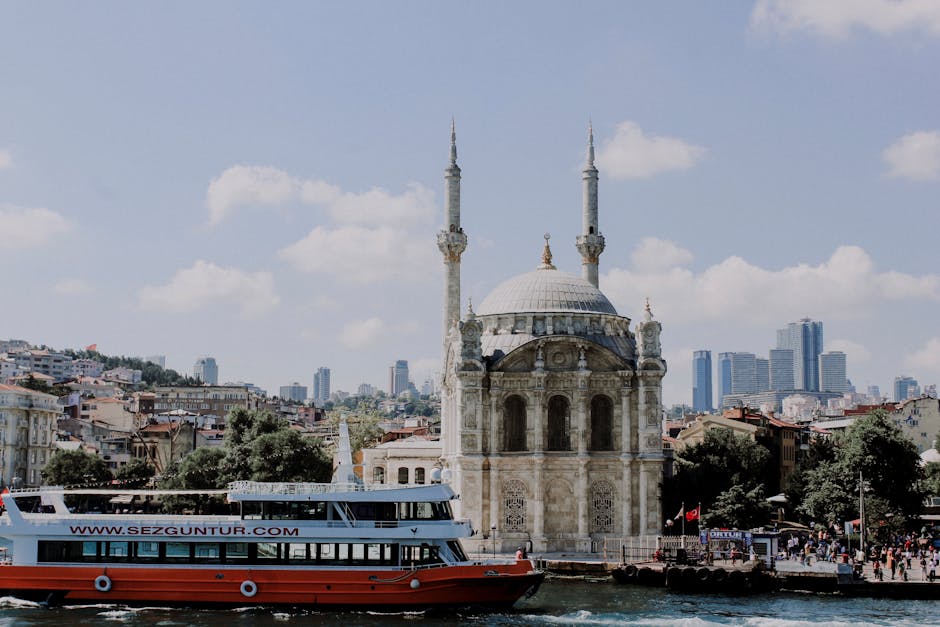
A Bosphorus cruise offers a unique perspective of Istanbul’s skyline, palaces, and waterfront mansions. Daytime tours pass under the Bosphorus Bridge, past Dolmabahçe Palace, and up to the Black Sea. Sunset cruises are especially popular for photography.
Public ferries are affordable and run frequently, but private tours offer commentary and refreshments. Book in advance during peak season. Bring a jacket—it gets windy on the water.
Grand Bazaar: Shop Like a Local
The Grand Bazaar is one of the world’s oldest and largest covered markets, with over 4,000 shops selling everything from spices to jewelry. It’s easy to get lost in its maze-like alleys, but that’s part of the adventure.
Haggling is expected—start at half the asking price and negotiate politely. Visit mid-week mornings for fewer crowds. Don’t miss the carpet shops, but be aware of high-pressure sales tactics.
Spice Bazaar (Egyptian Bazaar): Aromatic Delights
Located near the Galata Bridge, the Spice Bazaar is a sensory feast. Stalls overflow with saffron, Turkish delight, dried apricots, and herbal teas. It’s smaller and less crowded than the Grand Bazaar, making it ideal for a relaxed shopping experience.
Try samples before buying—vendors often offer tastes. Look for freshly ground spices and avoid pre-packaged goods with no labels. The bazaar closes early on Sundays.
Food and Dining Highlights
Must-Try Turkish Dishes
No visit to Istanbul is complete without tasting authentic Turkish cuisine. Start with meze—small plates like hummus, eggplant salad, and stuffed grape leaves—often served with rakı, an anise-flavored spirit.
Try döner kebab from a street vendor, but opt for busy spots with high turnover for freshness. For dessert, indulge in baklava, künefe, or lokum (Turkish delight). Pair with strong Turkish coffee or ayran, a salty yogurt drink.
Best Areas for Food Lovers
Karaköy and Kadıköy are top choices for foodies. In Karaköy, try Neolokal for modern Turkish dishes with a view. In Kadıköy, Pandeli in the old train station offers historic ambiance and traditional Ottoman fare.
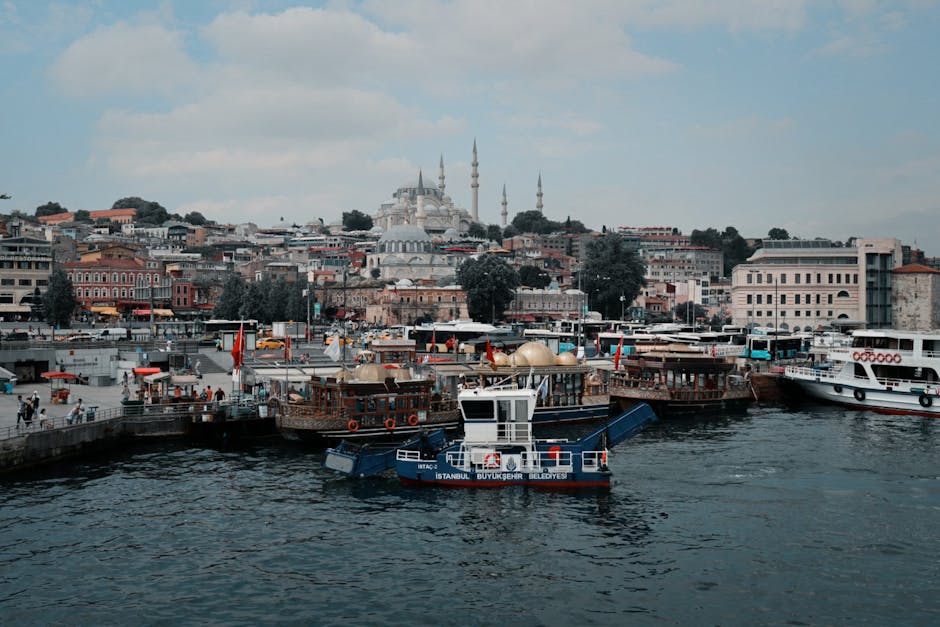
For street food, head to Eminönü for balık-ekmek (fish sandwiches) by the waterfront or try simit (sesame rings) from a sidewalk vendor. Always check that food is freshly prepared and served hot.
Coffee and Tea Culture
Turkish coffee is brewed slowly in a cezve and served in small cups with grounds settling at the bottom. It’s strong, rich, and often accompanied by a piece of Turkish delight. Tea, or çay, is served throughout the day in tulip-shaped glasses.
Visit a traditional kahvehane (coffeehouse) in Üsküdar or Beşiktaş for an authentic experience. Many offer backgammon boards and lively conversation. Avoid chain cafes if you want a local vibe.
Practical Travel Tips
Getting Around Istanbul
Istanbul’s public transport system is extensive but can be confusing. Use the Istanbulkart for buses, trams, ferries, and the metro. It’s rechargeable and offers discounted transfers. Buy one at kiosks or major stations.
Taxis are affordable but use the meter—avoid drivers who quote flat rates. Ride-hailing apps like BiTaksi are reliable. Walking is best in historic areas, but wear comfortable shoes—cobblestones and hills are common.
Best Time to Visit
Spring (April–May) and fall (September–October) offer mild weather and fewer crowds. Summer is hot and busy, especially in July and August. Winter is chilly and rainy, but hotels are cheaper and major sites less crowded.
Avoid major holidays like Ramadan and national festivals if you prefer quieter visits. Check local calendars for events that may affect opening hours.
Safety and Etiquette
Istanbul is generally safe for tourists, but stay alert in crowded areas to avoid pickpockets. Dress modestly when visiting religious sites—women should carry a scarf for mosque entry.
Learn a few Turkish phrases like “Merhaba” (hello) and “Teşekkür ederim” (thank you). Tipping 10% in restaurants is customary. Always ask before photographing people, especially in markets.
Compact Comparison: Top Istanbul Attractions
| Attraction | Best For | Entry Fee (Approx.) | Recommended Visit Time |
|---|---|---|---|
| Hagia Sophia | History, Architecture | Free (donation suggested) | 1.5 hours |
| Topkapı Palace | Ottoman History, Treasures | 150 TL | 3 hours |
| Blue Mosque | Architecture, Photography | Free | 1 hour |
| Basilica Cistern | Unique Experience, Atmosphere | 80 TL | 45 minutes |
| Grand Bazaar | Shopping, Culture | Free entry | 2 hours |
FAQs
Is Istanbul safe for tourists?
Yes, Istanbul is generally safe for visitors. Exercise normal precautions: avoid poorly lit areas at night, keep valuables secure, and be cautious in crowded markets. Most tourists experience no issues.
Do I need a visa to visit Istanbul?
Citizens of many countries, including the US, UK, Canada, and EU nations, can obtain an e-Visa online before arrival. Check the official Turkish e-Visa website for current requirements and processing times.
What’s the best way to get from the airport to the city center?
The most reliable options are the Havaist shuttle bus (to Taksim or Sultanahmet) or a taxi. The metro connects to parts of the city but doesn’t go directly to Sultanahmet. Avoid unmarked cabs and agree on fares in advance.

