
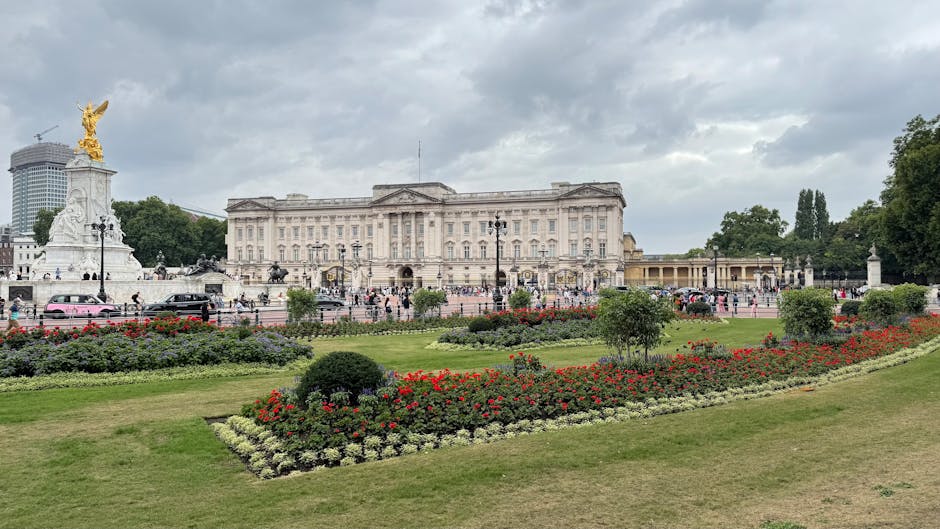
Buckingham Palace Visit Guide London: Timings, Tickets & Tips
Buckingham Palace Visit Guide London: Timings, Tickets & Tips
If you’re planning a trip to London, a Buckingham Palace visit is one of the city’s most iconic experiences. Exploring Buckingham Palace State Rooms reveals important insights. As the official London residence of the British monarch, the palace offers a rare glimpse into royal life, history, and opulent state rooms. The State Rooms open to the public for a limited period each summer—typically late July to early October—when the King is not in residence. During this time, visitors can explore 19 lavishly furnished rooms, view the Royal Collection’s art and artifacts, and walk through the famous gardens. This guide covers everything you need to know to make the most of your visit, from booking tickets to navigating the palace grounds.
When to Visit Buckingham Palace
The Buckingham Palace visit season is short and highly seasonal. The State Rooms are generally open to the public from late July through early October. Exact dates vary slightly each year depending on the royal calendar, so it’s essential to check the official Royal Collection Trust website before planning your trip. Outside of these months, access is extremely limited—usually restricted to pre-booked guided tours during the winter, which are less comprehensive than the summer opening.
Summer visits offer the full experience: the State Rooms, the Royal Welcome exhibition (which changes annually), and access to the garden. The palace is closed during the rest of the year, with only the exterior and the forecourt accessible to the public. If you’re visiting London in winter, you can still see the Changing of the Guard ceremony, but you won’t be able to go inside the palace.
Best Times of Day to Go
To avoid crowds, aim to arrive early—ideally at opening time (usually 9:30 AM). The palace can get very busy, especially on weekends and during school holidays. Midweek mornings tend to be quieter. If you’re flexible, consider visiting in late September, when the season is winding down and queues are shorter.
Entry is timed, and tickets are sold in 15-minute slots. Arriving late may result in reduced time inside, so plan to be at the entrance at least 10 minutes before your slot. The entire visit typically takes 2 to 2.5 hours, including the audio guide and time in the garden.
How to Get Buckingham Palace Tickets
Tickets for the Buckingham Palace visit must be booked in advance through the official Royal Collection Trust website. On-site ticket sales are not available, and walk-up entry is not permitted. This is especially important during peak season, when tickets can sell out weeks in advance.
There are several ticket options:
- Standard Adult Ticket: Grants access to the State Rooms, audio guide, and garden. Currently priced around £30–£35 depending on the season.
- Child Ticket (5–17 years): Discounted rate; children under 5 enter free.
- Family Ticket: Covers two adults and up to three children, offering savings for families.
- Concession Ticket: Available for seniors (65+) and students with valid ID.
- Supporter and Patron Tickets: Include additional benefits like priority entry or access to special exhibitions.
Audio guides are included with all tickets and available in multiple languages. A printed guide is also provided, but the audio tour offers a richer narrative, with insights from royal historians and staff.
Booking Tips
Book as early as possible—ideally as soon as the annual schedule is released (usually in January or February). Popular time slots, especially on weekends, fill up quickly. If you miss out, check for last-minute cancellations, though availability is not guaranteed.
Consider purchasing a Royal Collection Trust membership if you plan to visit multiple royal sites (like Windsor Castle or the Palace of Holyroodhouse). Members enjoy free entry, priority booking, and discounts on events.
What to See During Your Buckingham Palace Visit
The highlight of the Buckingham Palace visit is the State Rooms—19 grand spaces used for official ceremonies and receptions. These rooms are furnished with some of the finest items from the Royal Collection, including paintings by Rembrandt, Van Dyck, and Canaletto, sculptures, and priceless porcelain.
Key rooms include:
- The Throne Room: Features the iconic thrones used for coronations and royal portraits.
- The Picture Gallery: Displays rotating works from the Royal Collection, often including masterpieces on loan from the Royal Library.
- The Green Drawing Room: A lavish space used for receiving guests, adorned with gold leaf and silk wall coverings.
- The Ballroom: The largest room in the palace, used for state banquets and investitures.
- The Grand Staircase: A breathtaking marble and wrought-iron staircase photographed in countless royal events.
In addition to the State Rooms, the annual Royal Welcome exhibition offers a behind-the-scenes look at how the palace prepares for state visits and royal events. Past themes have included royal travel, ceremonial dress, and the role of the household staff.
The garden is another major draw. Spanning 39 acres, it’s one of the largest private gardens in London. Visitors can walk along the south-facing terrace, see the lake, and spot wildlife like swans and ducks. During the summer opening, the garden is open for self-guided walks, and on select days, afternoon tea is served (book separately).
Getting to Buckingham Palace
Buckingham Palace is centrally located in the City of Westminster, making it easily accessible by public transport.
By Tube
The closest London Underground stations are:
- Green Park: 5-minute walk (Jubilee, Piccadilly, and Victoria lines)
- Victoria: 10-minute walk (Victoria, District, and Circle lines)
- Hyde Park Corner: 10-minute walk (Piccadilly line)
Green Park is the most convenient, with step-free access and clear signage directing visitors to the palace.
By Bus
Several bus routes stop near the palace, including the 11, 211, and C1. The nearest bus stop is “Buckingham Palace Road” or “Victoria Station.”
By Car
Driving is not recommended due to limited parking and congestion charges. If you must drive, use nearby car parks such as Q-Park Westminster or NCP Victoria. Allow extra time for traffic and security checks.
On Foot or by Bike
The palace is a pleasant 15-minute walk from Trafalgar Square or a 20-minute stroll from Covent Garden. Cycle parking is available near the entrance.
What to Expect on the Day
Upon arrival, present your e-ticket (printed or on your phone) at the main entrance on Buckingham Palace Road. Security is strict—bags are scanned, and large luggage or backpacks are not permitted. A cloakroom is available for small bags and coats.
You’ll receive your audio guide and a map. The route through the State Rooms is one-way and well-signposted. Photography is not allowed inside the State Rooms, but you can take pictures in the garden and on the terrace.
The audio guide provides a self-paced tour, with optional stops for deeper dives into specific artworks or historical events. Exploring Buckingham Palace State Rooms reveals important insights. Allow at least 90 minutes for the indoor portion.
After the State Rooms, you’ll exit into the garden. There’s a café on-site serving light refreshments, sandwiches, and cakes. The gift shop offers a range of royal-themed souvenirs, books, and commemorative items.
Changing of the Guard: Should You See It?
The Changing of the Guard ceremony is a major tourist attraction and takes place at Buckingham Palace most mornings at 11:00 AM (schedule varies by season and weather). While it’s not part of the indoor visit, many tourists combine both experiences.
The ceremony involves the handover of guard duties between the current and new sentries, accompanied by a military band. It lasts about 45 minutes and is free to watch from the palace forecourt.
To get a good view, arrive at least 30 minutes early—especially in summer. The best spots are near the Victoria Memorial. Note that the ceremony may be moved to Windsor Castle or canceled in bad weather.
If you’re visiting the palace in the morning, you can see the Changing of the Guard and then enter the palace afterward. However, be aware that crowds will be heavier, and you may need to wait in line.
Accessibility and Visitor Information
Buckingham Palace is partially accessible. The State Rooms are on the ground and first floors, with lifts available. Wheelchair users can access most areas, but some rooms have limited space due to historic architecture. Wheelchairs are available free of charge at the entrance—request one upon arrival.
The audio guide includes a descriptive track for visually impaired visitors. Large print guides and British Sign Language (BSL) videos are also available upon request.
There are accessible toilets and baby-changing facilities. Assistance dogs are welcome.
Nearby Attractions to Combine with Your Visit
Buckingham Palace is surrounded by other top London sights, making it easy to build a full day of sightseeing:
- St. James’s Park: A scenic 5-minute walk away, perfect for a post-visit stroll.
- Westminster Abbey: 15-minute walk; combine with a tour of the abbey and Big Ben.
- Houses of Parliament: Visible from the palace gardens; book a tour in advance.
- Piccadilly Circus and Leicester Square: 20-minute walk; ideal for shopping and dining.
- Hyde Park: Just north of the palace; rent a rowboat on the Serpentine or visit the Diana Memorial Fountain.
Many visitors also stop at Fortnum & Mason or Harrods for afternoon tea or shopping, both a short tube ride away.
Tips for a Smooth Buckingham Palace Visit
To make the most of your trip, keep these practical tips in mind:
- Book early: Tickets sell out quickly, especially for weekend slots.
- Dress comfortably: Wear walking shoes and dress in layers—rooms can be cool.
- Arrive on time: Late entry may reduce your visit time.
- Bring a portable charger: The audio guide uses your phone’s battery.
- No food or drink inside: Only water in sealed bottles is allowed in the State Rooms.
- Check the weather: The garden is best enjoyed on a sunny day.
- Visit the gift shop last: It’s near the exit, so you won’t have to carry purchases through the tour.
Is a Buckingham Palace Visit Worth It?
For many, the Buckingham Palace visit is a highlight of a London trip. The opulence of the State Rooms, the history embedded in every corner, and the chance to walk where royalty lives make it a unique experience. However, it’s not for everyone. If you’re short on time or prefer outdoor attractions, you might prioritize other sites like the Tower of London or the British Museum.
That said, even if you only have a few hours, the palace offers a compelling look into British heritage. The combination of art, architecture, and royal tradition provides a rich cultural experience that’s hard to match.
For families, the visit can be engaging, especially with the audio guide’s child-friendly tracks. Just be prepared for a fair amount of walking and standing.
Comparison: Buckingham Palace vs. Windsor Castle
If you’re deciding between royal residences, here’s a quick comparison to help you choose:
| Feature | Buckingham Palace | Windsor Castle |
|---|---|---|
| Location | Central London (Westminster) | Windsor, 30 minutes by train from Paddington |
| Opening Season | Late July – early October (State Rooms) | Year-round (except during royal events) |
| Key Attractions | State Rooms, Royal Collection, garden | St. George’s Chapel, State Apartments, Queen Mary’s Dolls’ House |
| Changing of the Guard | Yes (most mornings) | Yes (rotates with Buckingham Palace) |
| Ticket Price (Adult) | £30–£35 | £28–£32 |
| Best For | First-time visitors, central location | History lovers, longer stays, day trips |
Both are worth visiting, but Buckingham Palace offers a more central location and a quintessential London experience, while Windsor Castle provides a more immersive historical setting with year-round access.
Final Thoughts
A Buckingham Palace visit is a must for anyone interested in British royalty, history, or architecture. While the short opening season and advance booking requirement require some planning, the experience is well worth the effort. From the grandeur of the State Rooms to the tranquility of the garden, the palace offers a rare window into the world of the monarchy.
Plan ahead, arrive early, and take your time exploring. Whether you’re a history buff, an art lover, or simply curious about royal life, Buckingham Palace delivers a memorable and enriching experience in the heart of London.
FAQ
Q: Can I visit Buckingham Palace year-round?
A: No. The State Rooms are only open to the public from late July to early October. The rest of the year, only the exterior and forecourt are accessible.
Q: Do I need to print my ticket?
A: No. You can show your e-ticket on your phone, but ensure your battery is charged or bring a portable charger.
Q: Is photography allowed inside the palace?
A: Photography is not permitted in the State Rooms. You may take photos in the garden and on the terrace.

