
Dubai Desert Safari Complete Travel Guide
Dubai Desert Safari Complete Travel Guide
A Dubai Desert Safari is one of the most popular and exhilarating experiences for visitors to the UAE, offering a blend of adventure, culture, and natural beauty. Whether you’re seeking adrenaline-pumping dune bashing, a peaceful camel ride, or a traditional Bedouin-style dinner under the stars, this complete travel guide covers everything you need to know—from booking tips and what to wear to safety advice and how to choose the best tour. With detailed insights into morning, evening, and overnight options, plus a comparison of safari types, this guide ensures you make the most of your desert adventure in Dubai.

What Is a Dubai Desert Safari?
A desert safari in Dubai is a guided excursion into the vast Arabian Desert, typically departing from the city and heading into protected conservation areas like the Dubai Desert Conservation Reserve or the Lahbab region. These tours are designed to showcase the stark beauty of the desert landscape while offering a mix of adventure activities and cultural experiences.
Most safaris include dune bashing—driving over sand dunes in a 4×4 vehicle—followed by stops for sandboarding, camel riding, and photo opportunities against golden dunes. Evening and overnight safaris often feature traditional entertainment such as belly dancing, Tanoura shows, and henna painting, along with a buffet dinner featuring Middle Eastern cuisine. Morning safaris focus more on adventure and photography, with fewer cultural elements.
These experiences are operated by licensed tour companies and usually last between 3 to 8 hours, depending on the package. They’re suitable for families, couples, and solo travelers, though some activities may have age or health restrictions.
Types of Dubai Desert Safari Tours
Not all desert safaris are the same. Choosing the right type depends on your schedule, interests, and budget. The three main categories are morning, evening, and overnight safaris, each offering a distinct experience.
Morning Desert Safari
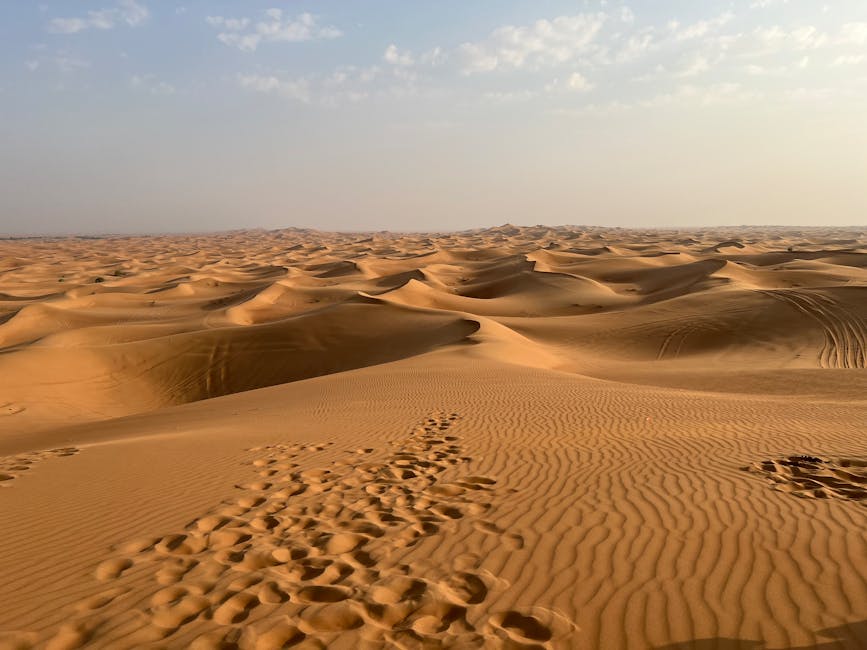
Ideal for early risers and adventure seekers, morning safaris typically start between 7:00 and 8:00 AM. These tours emphasize action and scenery, with dune bashing, quad biking, and sandboarding as the main attractions. The cooler temperatures make physical activities more comfortable, and the soft morning light creates excellent photo opportunities.
Most morning safaris last 3 to 4 hours and end by noon. They’re a great option if you’re on a tight schedule or want to combine the safari with other daytime activities like visiting the Dubai Mall or Burj Khalifa. However, they usually don’t include meals or entertainment, so they’re best for those prioritizing adventure over culture.
Evening Desert Safari
The most popular option, evening safaris begin in the late afternoon (around 3:00 to 4:00 PM) and continue into the night. These tours offer a full experience: dune bashing, sandboarding, camel rides, and a stop at a desert camp for dinner and live performances.
The camp setup mimics a traditional Bedouin village, complete with Arabic carpets, low seating, and lantern lighting. After sunset, guests enjoy a buffet dinner with dishes like grilled meats, hummus, falafel, and fresh salads, followed by entertainment such as fire shows, belly dancing, and Tanoura dancers. Some tours also offer shisha (flavored tobacco) in designated areas.
Evening safaris typically last 6 to 7 hours and are perfect for travelers who want a mix of adventure and cultural immersion. They’re family-friendly, though children under 3 may not be allowed on dune bashing for safety reasons.
Overnight Desert Safari
For a truly immersive experience, an overnight desert safari lets you sleep under the stars in a private or shared Bedouin-style tent. These tours usually start in the late afternoon and include all the activities of an evening safari, plus a night spent in the desert.
Guests are provided with sleeping bags, mattresses, and blankets. Some premium packages offer private tents with en-suite bathrooms and air conditioning. The experience often includes a stargazing session, as the desert’s low light pollution offers exceptional views of the night sky.
Overnight safaris are ideal for couples or small groups looking for romance or solitude. They typically end the next morning with breakfast and a short camel ride before returning to the city. Be prepared for cooler nighttime temperatures, especially between November and February.
How to Choose the Best Dubai Desert Safari
With dozens of tour operators offering desert safaris, selecting the right one can be overwhelming. Here’s how to make an informed decision based on your needs.
Compare Safari Packages
Most companies offer tiered packages—standard, deluxe, and VIP—with varying inclusions. Standard packages usually include transportation, dune bashing, camel rides, and a basic dinner. Deluxe and VIP options add extras like quad biking, private seating, premium dining, and alcohol.
Always read the fine print. Some “all-inclusive” tours may charge extra for activities like sandboarding or shisha. Check whether pickup and drop-off are included, and confirm the meeting point—many tours offer hotel pickup within Dubai city limits.
Check Operator Credentials
Only book with licensed tour operators authorized by the Dubai Department of Tourism and Commerce Marketing (DTCM). Reputable companies use 4×4 vehicles equipped with roll bars, first aid kits, and communication devices. Avoid unlicensed vendors offering unusually low prices, as they may compromise on safety or service quality.
Look for online reviews on platforms like TripAdvisor, Google, or GetYourGuide. Pay attention to comments about punctuality, guide professionalism, and vehicle condition. A good operator will have consistent positive feedback and respond to complaints professionally.
Consider Group Size and Vehicle Type
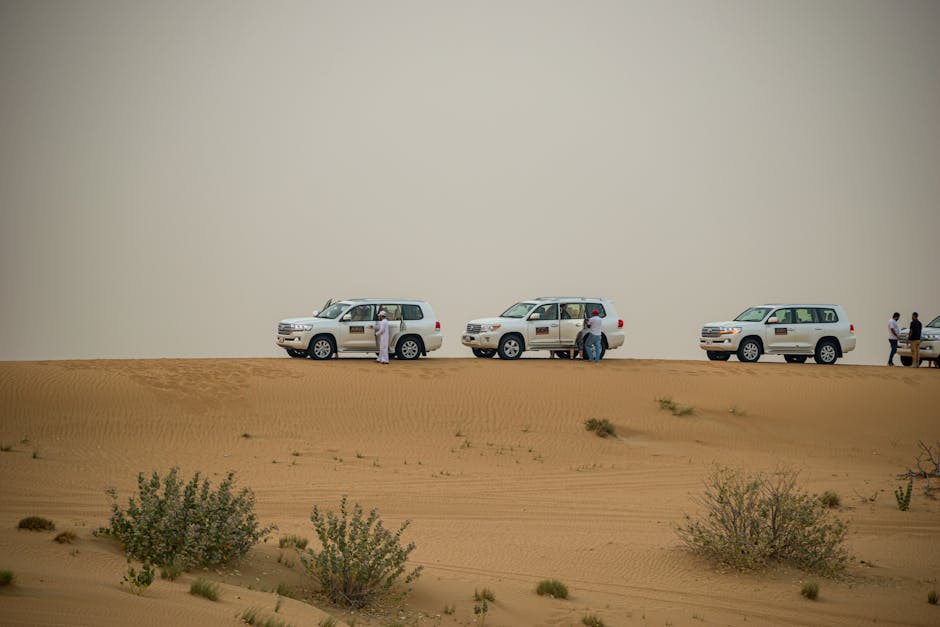
Desert safaris are conducted in 4×4 vehicles, typically Toyota Land Cruisers or Nissan Patrols. Most tours accommodate 6 to 8 passengers per vehicle. Smaller groups allow for more personalized attention, while larger groups may feel rushed.
If you prefer privacy or are traveling with young children, consider a private safari. These are more expensive but offer a dedicated vehicle and guide. Shared tours are more affordable and social, but you’ll be grouped with other travelers.
What to Expect on a Dubai Desert Safari
Knowing what happens during a typical safari helps set expectations and ensures you’re prepared. Here’s a step-by-step breakdown of a standard evening desert safari.
Pickup and Transfer
Most tours include pickup from your hotel or a central location in Dubai. Pickup times vary by season but are usually between 2:30 and 3:30 PM for evening safaris. The drive to the desert takes about 45 minutes to an hour, depending on traffic and your location.
You’ll be greeted by your guide and driven in a 4×4 vehicle to the desert entry point. Some operators provide cold water, wet wipes, and Arabic coffee upon boarding.
Dune Bashing and Adventure Activities
Once in the desert, the real fun begins. Your driver will navigate steep sand dunes at high speeds—this is dune bashing. It’s thrilling but can be intense, so hold on tight and inform the driver if you feel unwell.
After a few adrenaline-filled minutes, the vehicle stops at a scenic dune for photos. This is your chance to capture the golden landscape with the sun low in the sky. Some tours include sandboarding—riding down dunes on a board—or quad biking for an additional fee.
Camel Ride and Cultural Stops
Next, you’ll visit a camel farm or designated area for a short camel ride. Camels are gentle and accustomed to tourists, but always follow the guide’s instructions. This is also a good time to learn about Bedouin traditions and desert wildlife.
Some tours include a visit to a traditional falaj (irrigation system) or a brief talk on desert conservation efforts. These educational moments add depth to the experience and highlight the region’s ecological challenges.
Desert Camp Experience
As the sun sets, you’ll arrive at a desert camp. Here, you’ll be welcomed with Arabic coffee (gahwa) and dates—a traditional gesture of hospitality. Guests can relax in shaded seating areas, try henna painting, or take photos in traditional Emirati attire (often provided by the camp).
The camp is designed to reflect Bedouin culture, with low tables, cushions, and open-air seating. Some larger camps have multiple zones, including a dining area, entertainment stage, and souvenir shop.
Dinner and Entertainment
As night falls, a buffet dinner is served. The menu typically includes grilled chicken, lamb, rice, lentils, salads, and fresh bread. Vegetarian and vegan options are usually available—just inform the operator in advance.
After dinner, live performances begin. Expect a fire show, followed by a Tanoura dance (a whirling dervish-style performance) and belly dancing. The entertainment lasts about 45 minutes and is family-friendly, though some shows may include suggestive movements.
Return to Dubai
The safari concludes with a return drive to the city, usually arriving between 9:00 and 10:00 PM. Most operators drop guests back at their hotels or a central location like Deira City Centre.
Essential Tips for a Safe and Enjoyable Safari
A desert safari is generally safe, but a few precautions can enhance your experience and prevent discomfort.
What to Wear and Bring
Dress comfortably in lightweight, breathable clothing. Long sleeves and pants protect against sunburn and sand. Avoid loose fabrics that can blow in the wind during dune bashing. Closed-toe shoes are recommended, though many guests go barefoot during camp activities.
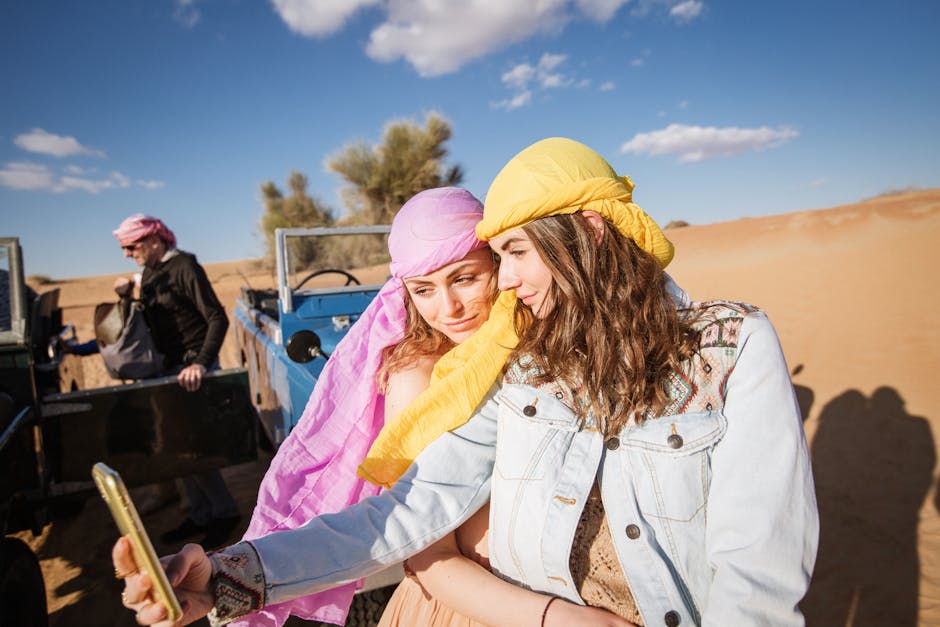
Bring sunglasses, a hat, sunscreen (SPF 30 or higher), and a scarf or shemagh to shield your face from sand. A small backpack is useful for storing personal items during the tour.
Health and Safety Considerations
Dune bashing can cause motion sickness. If you’re prone to nausea, sit in the front seat, avoid heavy meals before the tour, and consider taking motion sickness medication. Inform your guide if you have back, neck, or heart conditions—some activities may not be suitable.
Stay hydrated, especially in summer when temperatures can exceed 40°C (104°F). Water is usually provided, but bring extra if you’re sensitive to heat. Avoid alcohol during the tour, as it increases dehydration risk.
Photography Tips
The desert offers stunning photo opportunities, especially during golden hour (just before sunset). Use a lens hood to reduce glare and protect your camera from sand. A polarizing filter can enhance sky contrast and reduce reflections.
Respect local customs: avoid photographing people without permission, especially women. Some camps have designated photo zones—stick to those.
Environmental Responsibility
The desert ecosystem is fragile. Do not litter, disturb wildlife, or drive off designated paths. Support operators that follow eco-friendly practices, such as using biodegradable utensils and minimizing plastic waste.
Cost of a Dubai Desert Safari
Prices vary based on the type of safari, inclusions, and operator. Here’s a general breakdown:
| Safari Type | Price Range (AED) | Price Range (USD) | Typical Inclusions |
|---|---|---|---|
| Morning Safari | 80 – 150 | 22 – 41 | Transportation, dune bashing, sandboarding, camel ride |
| Evening Safari (Standard) | 150 – 250 | 41 – 68 | Transportation, dune bashing, camel ride, dinner, entertainment |
| Evening Safari (VIP) | 300 – 500 | 82 – 136 | Private vehicle, premium dinner, alcohol, quad biking |
| Overnight Safari | 400 – 800 | 109 – 218 | All evening inclusions + overnight stay, breakfast, stargazing |
Prices are per person and may be higher during peak season (November to March) or holidays like Eid. Booking in advance often secures better rates, and some operators offer discounts for children under 12.
Best Time to Go on a Desert Safari
The ideal time for a Dubai Desert Safari is between October and April, when daytime temperatures range from 20°C to 35°C (68°F to 95°F). This period offers comfortable weather for outdoor activities and clear skies for stargazing.
Summer months (May to September) can be extremely hot, with temperatures exceeding 45°C (113°F). While safaris still operate, dune bashing and sandboarding may be limited or rescheduled to early morning. Evening and overnight tours are more bearable but still require caution.
Avoid planning your safari during Ramadan if you’re not fasting, as some camps may limit food and drink services during daylight hours. Check local calendars for public holidays that might affect availability.
Frequently Asked Questions
Q: Is a desert safari safe for children and elderly travelers?
A: Yes, most safaris are family-friendly. However, dune bashing may not be suitable for children under 3, pregnant women, or those with back or heart conditions. Always inform the operator of any health concerns.
Q: Do I need to bring my own food or water?
A: No. All meals and drinks (except alcohol in standard packages) are provided. Water is available throughout the tour. If you have dietary restrictions, notify the operator when booking.
Q: Can I cancel or reschedule my safari?
A: Most operators allow free cancellation up to 24–48 hours before the tour. Check the cancellation policy when booking, as terms vary by company.
Final Thoughts
A Dubai Desert Safari offers a unique blend of adventure, culture, and natural beauty that’s hard to match. Whether you choose a morning thrill ride, a romantic evening under the stars, or an overnight escape into the wilderness, this experience captures the spirit of the Arabian Desert. By selecting a reputable operator, dressing appropriately, and understanding what to expect, you’ll ensure a safe, enjoyable, and memorable journey. With this complete travel guide, you’re ready to book your desert adventure with confidence.

