
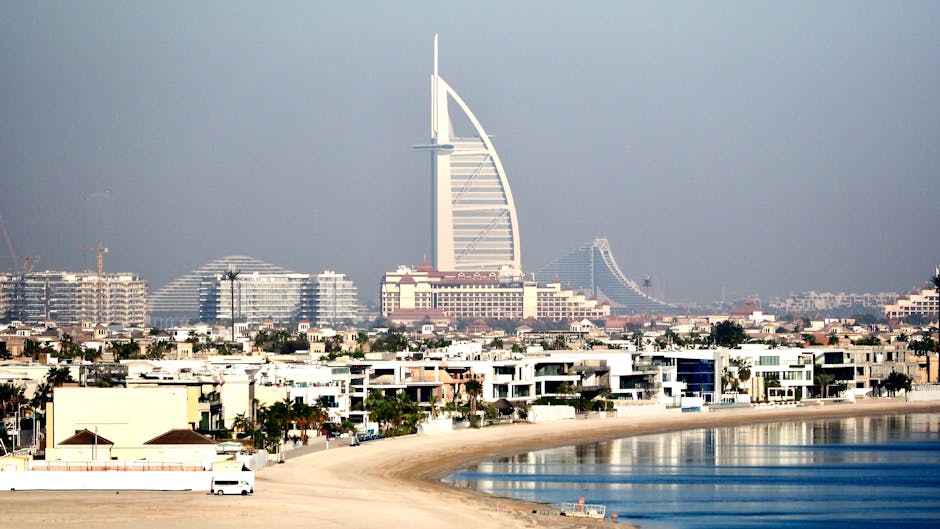
Top Tourist Attractions in Dubai You Must Visit in 2026
Top Tourist Attractions in Dubai You Must Visit in 2026
Dubai continues to solidify its reputation as one of the world’s most dynamic travel destinations, and 2026 is shaping up to be a standout year for tourism. Whether you’re drawn to architectural marvels, luxury shopping, cultural experiences, or outdoor adventures, the city offers a diverse range of experiences. This guide covers the top tourist attractions in Dubai you must visit in 2026—from iconic landmarks to emerging hotspots—so you can plan a trip that balances must-see sights with hidden gems. Each recommendation includes practical details to help you make the most of your visit.
Burj Khalifa: The World’s Tallest Building
No list of top tourist attractions in Dubai is complete without the Burj Khalifa. Standing at 828 meters, this architectural icon dominates the city skyline and offers breathtaking views from its observation decks on the 124th, 125th, and 148th floors. The ‘At the Top’ experience on the 124th floor provides panoramic views of downtown Dubai, the desert, and the Persian Gulf. For a more exclusive experience, book a slot at ‘Sky Level’ on the 148th floor, which includes a guided tour and refreshments.
To avoid long queues, purchase skip-the-line tickets online in advance. The best time to visit is during sunset, when the city transitions from day to night. Be aware that photography is restricted in certain areas, and bags may be subject to security checks. The nearby Dubai Mall and Dubai Fountain add to the experience, making this a full-day outing.
Palm Jumeirah: A Man-Made Marvel
Shaped like a palm tree and visible from space, Palm Jumeirah is one of Dubai’s most ambitious engineering feats. This artificial archipelago is home to luxury hotels, beachfront residences, and entertainment venues. At its center lies Atlantis The Palm, a resort featuring an underwater aquarium, water park, and fine dining.
Visitors can explore the Palm via monorail, which offers scenic views of the coastline. The Palm Fountain, located at the tip, hosts nightly light and water shows set to music—similar to the Dubai Fountain but with a more intimate setting. For thrill-seekers, skydiving over the Palm provides a once-in-a-lifetime aerial perspective. Beach clubs like White Beach and Nakheel Mall’s waterfront promenade offer dining and relaxation options.
Dubai Mall: Shopping, Dining, and Entertainment
Adjacent to the Burj Khalifa, Dubai Mall is more than just a shopping destination—it’s a lifestyle complex. With over 1,200 retail outlets, it houses global brands, local boutiques, and flagship stores. Beyond shopping, the mall features an indoor ice rink, a cinema complex, and the Dubai Aquarium & Underwater Zoo, which houses over 33,000 aquatic animals.
The mall’s location makes it a convenient base for exploring downtown Dubai. It’s connected to the metro and offers free shuttle services to nearby hotels. Families will appreciate the KidZania edutainment center and the VR Park, while food lovers can choose from over 200 dining options, including high-end restaurants and casual eateries. Visit during weekdays to avoid weekend crowds.
Dubai Marina: Urban Waterfront Living
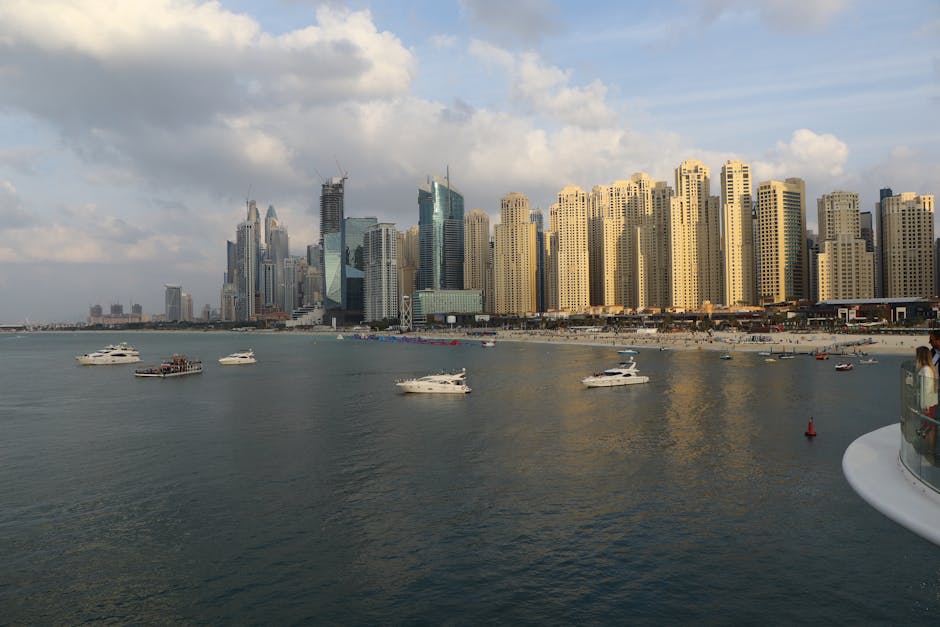
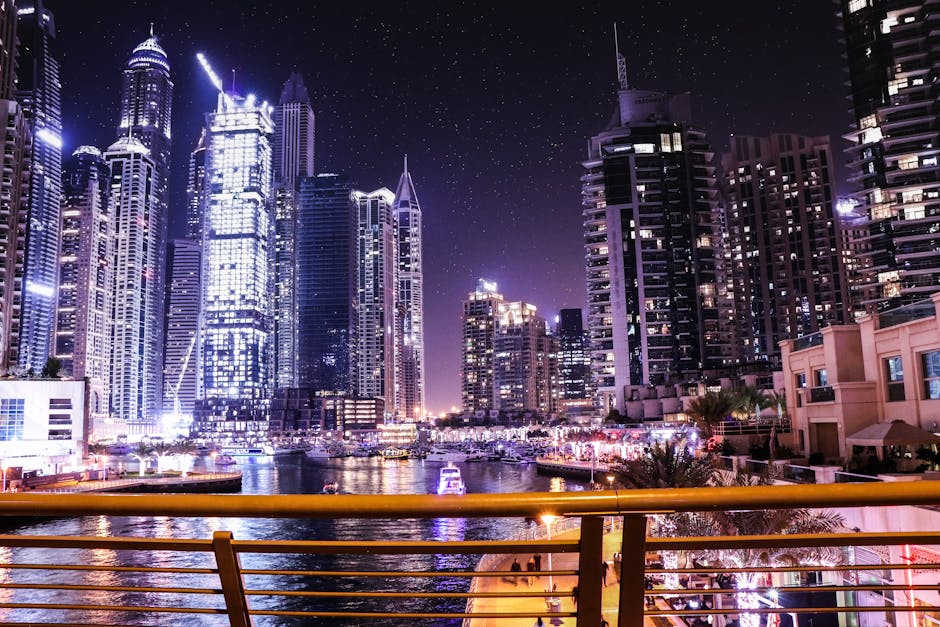
Dubai Marina is a sleek, high-rise district built around a man-made canal. It’s one of the city’s most vibrant neighborhoods, offering a mix of residential towers, restaurants, cafes, and nightlife. A stroll along the 3-kilometer marina walk reveals yachts, waterfront dining, and skyline views.
The area is ideal for evening walks, with many restaurants offering alfresco seating. For a unique experience, take an abra (traditional boat) ride across the marina or book a dinner cruise. The nearby JBR (Jumeirah Beach Residence) strip features beach access, retail outlets, and The Walk, a lively promenade with street performers and pop-up events.
Desert Safari: Adventure Beyond the City
To experience the natural side of Dubai, a desert safari is essential. Located just 45 minutes from downtown, the Arabian Desert offers dune bashing, camel rides, sandboarding, and falconry displays. Most tours include a stop at a traditional Bedouin-style camp, where guests can enjoy Arabic coffee, henna painting, and a buffet dinner under the stars.
Opt for an evening safari to avoid the midday heat and witness a desert sunset. Choose a reputable tour operator that provides licensed drivers and safety gear. Wear light, breathable clothing and bring sunglasses and a scarf to protect against sand. Avoid tours that promise overly aggressive dune driving, as this can be unsafe.
Museum of the Future: A Glimpse into Tomorrow
One of Dubai’s newest and most futuristic attractions, the Museum of the Future opened in 2022 and has quickly become a must-visit. Located on Sheikh Zayed Road, the building’s striking torus shape and Arabic calligraphy façade make it an architectural landmark. Inside, interactive exhibits explore themes like space exploration, climate change, and human longevity.
Visitors can experience immersive environments, including a simulated journey to a space station 600 kilometers above Earth. Tickets must be booked online in advance, and same-day entry is rarely available. The museum is closed on Mondays. Allow at least two hours for the full experience. Photography is allowed in most areas, but flash and tripods are prohibited.
Al Fahidi Historical Neighbourhood: A Step Back in Time
Amid Dubai’s modern skyline lies Al Fahidi, the city’s oldest preserved residential area. Built in the late 19th century, this heritage district features wind-tower architecture, narrow alleyways, and courtyard houses. It’s a peaceful contrast to the bustling city and offers insight into traditional Emirati life.
The area is home to several museums, including the Dubai Museum (housed in Al Fahidi Fort) and the Coffee Museum. Visitors can explore art galleries, craft shops, and cafes serving Arabic sweets and cardamom coffee. Guided walking tours are available and recommended for historical context. The neighborhood is pedestrian-friendly and best explored on foot.
Global Village: Cultural Fusion and Family Fun
Open seasonally from October to April, Global Village is a cultural and entertainment park that brings together pavilions from over 90 countries. Each pavilion showcases traditional crafts, food, and performances, offering a unique way to experience global cultures in one location.
In addition to shopping and dining, the park features a theme park, live concerts, and carnival rides. It’s particularly popular during the Dubai Shopping Festival and national holidays. Tickets are affordable, and evening visits are recommended to enjoy the light displays and cooler temperatures. Strollers and wheelchairs are available for rent.
IMG Worlds of Adventure: Indoor Theme Park
As the world’s largest indoor theme park, IMG Worlds of Adventure spans 1.5 million square feet and features themed zones based on Marvel superheroes, Cartoon Network characters, dinosaurs, and more. It’s an ideal destination for families and thrill-seekers, especially during the hotter months.
The park includes roller coasters, 3D rides, and interactive attractions. Fast-track passes are available to reduce wait times. Food options range from fast food to themed restaurants. The park is located in Dubai Land, about 30 minutes from downtown, and is accessible by taxi or private transport. Check the official website for seasonal events and ride maintenance schedules.
Dubai Creek: The Historic Heart of the City
Before Dubai became a global metropolis, it was a modest trading port along Dubai Creek. Today, the creek remains a vital part of the city’s identity. Visitors can take an abra ride across the water for less than a dollar, offering a glimpse of traditional dhows and historic buildings.
The surrounding areas of Deira and Bur Dubai are rich in culture and commerce. Explore the Gold Souk and Spice Souk for authentic shopping, or visit the Sheikh Mohammed Centre for Cultural Understanding for a guided tour and traditional meal. The creek is also the site of the annual Dubai Creek Golf & Yacht Club fireworks display during New Year’s Eve.
Jumeirah Mosque: A Symbol of Openness
One of the few mosques in Dubai open to non-Muslim visitors, Jumeirah Mosque is a stunning example of Islamic architecture. Built entirely from white stone, it features intricate carvings and twin minarets. Guided tours are offered through the Sheikh Mohammed Centre for Cultural Understanding, providing insight into Islamic traditions and Emirati culture.
Visitors must dress modestly—shoulders and knees covered—and women should bring a headscarf. Tours are typically held in the late afternoon and include a Q&A session. Photography is allowed outside, but not inside the prayer hall during services. This experience offers a respectful and educational look into local life.
Sky Views: Observation Decks with a Difference
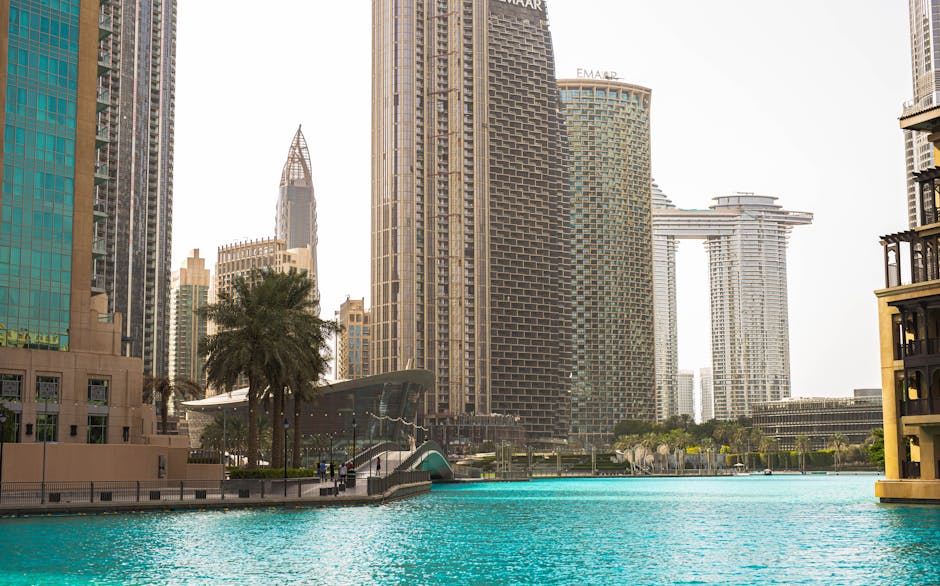
For alternative viewpoints of the city, consider Sky Views at Address Sky View or the observation deck at The View at The Palm. Address Sky View features a glass-bottomed sky deck and infinity pool suspended between two towers, offering vertigo-inducing views of the city below.
The View at The Palm, located on the 52nd floor of The Palm Tower, provides 360-degree views of Palm Jumeirah and the Arabian Gulf. Both attractions require advance booking and have height and health restrictions. They’re ideal for travelers seeking unique photo opportunities and a different perspective on Dubai’s skyline.
Dubai Frame: Bridging Old and New
The Dubai Frame, shaped like a giant picture frame, stands 150 meters tall and offers views of both historic Dubai and the modern city. One side looks toward Old Dubai and the creek, while the other faces the futuristic skyline of Sheikh Zayed Road.
Visitors cross a glass bridge at the top, which provides a thrilling experience and photo opportunities. The lower levels house an exhibition on Dubai’s transformation from a fishing village to a global city. The Frame is located in Zabeel Park, making it easy to combine with a visit to the park’s gardens and playgrounds. Evening visits offer illuminated views of the city.
Kite Beach: Sun, Sand, and Street Art
For a more relaxed beach experience, Kite Beach offers white sand, clear waters, and a laid-back vibe. As the name suggests, it’s a popular spot for kite surfing, but it’s also ideal for swimming, volleyball, and sunbathing. The beach is lined with food trucks, cafes, and outdoor gyms.
The adjacent Jumeirah Open Beach features murals by local and international artists, making it a favorite among photographers. Lifeguards are on duty, and showers and restrooms are available. Visit early in the morning or late afternoon to avoid the heat. The beach is accessible by metro and bus, with parking available nearby.
Alserkal Avenue: Dubai’s Arts District
Located in the industrial area of Al Quoz, Alserkal Avenue is a hub for contemporary art and culture. What began as a cluster of warehouses has transformed into a vibrant creative district with galleries, performance spaces, and design studios.
Notable venues include the Green Art Gallery, Concrete (Alserkal’s cultural center), and the annual Quoz Arts Fest. The area hosts exhibitions, workshops, and film screenings throughout the year. It’s best visited on weekends when many galleries are open and events are scheduled. Combine your visit with a meal at one of the trendy cafes or food trucks in the area.
Sustainable Tourism in Dubai: What to Know
As Dubai grows, so does its focus on sustainability. The city has introduced initiatives like the Dubai Sustainable Tourism Strategy, which promotes eco-friendly practices in hotels, transportation, and attractions. Visitors can support these efforts by choosing green-certified hotels, using public transport, and avoiding single-use plastics.
Many attractions now offer digital tickets and reduced paper use. The Dubai Metro and public buses are efficient and affordable ways to get around. Consider visiting parks like Al Marmoom Desert Conservation Reserve, which offers eco-tours and birdwatching in a protected environment.
Planning Your 2026 Dubai Itinerary
To make the most of your trip, plan a balanced itinerary that includes iconic landmarks, cultural experiences, and outdoor activities. A typical 5-day visit might include:
- Day 1: Burj Khalifa, Dubai Mall, Dubai Fountain
- Day 2: Desert Safari with evening camp experience
- Day 3: Palm Jumeirah, Atlantis The Palm, Palm Fountain
- Day 4: Al Fahidi, Dubai Creek, Gold Souk, Jumeirah Mosque
- Day 5: Museum of the Future, Dubai Frame, Kite Beach
Book major attractions and tours in advance, especially during peak seasons like December to March. Use the Dubai Metro and ride-sharing apps to navigate the city efficiently. Stay hydrated, wear sunscreen, and respect local customs, particularly during Ramadan.
Compact Comparison of Top Dubai Attractions
| Attraction | Best For | Ideal Visit Time | Ticket Required? |
|---|---|---|---|
| Burj Khalifa | Skyline views, photography | Sunset | Yes (book ahead) |
| Desert Safari | Adventure, culture | Late afternoon to evening | Yes (via tour operator) |
| Palm Jumeirah | Resort experience, beach | Morning or late afternoon | No (free access) |
| Museum of the Future | Technology, innovation | Morning (opens at 10 AM) | Yes (mandatory online booking) |
| Al Fahidi Historical Neighbourhood | Culture, history | Morning or late afternoon | No (free entry) |
Final Thoughts
Dubai’s blend of innovation, culture, and luxury makes it a destination unlike any other. The top tourist attractions in Dubai you must visit in 2026 offer something for every traveler—whether you’re seeking adrenaline, relaxation, or cultural enrichment. By planning ahead and choosing experiences that align with your interests, you can enjoy a memorable and well-rounded trip. With new developments and events on the horizon, 2026 promises to be an exciting time to explore this ever-evolving city.
FAQ
What is the best time of year to visit Dubai?
The ideal time to visit Dubai is between November and March, when temperatures are mild and outdoor activities are most enjoyable. Avoid the summer months (June to September) due to extreme heat.
Do I need a visa to visit Dubai?
Visa requirements depend on your nationality. Citizens of many countries, including the US, UK, EU, and Australia, receive a visa on arrival for stays up to 30 days. Check with the UAE embassy or your airline before traveling.
Is Dubai safe for tourists?
Yes, Dubai is considered one of the safest cities in the world for tourists. Crime rates are low, and the city has a strong police presence. However, visitors should still exercise common sense, especially in crowded areas.

