
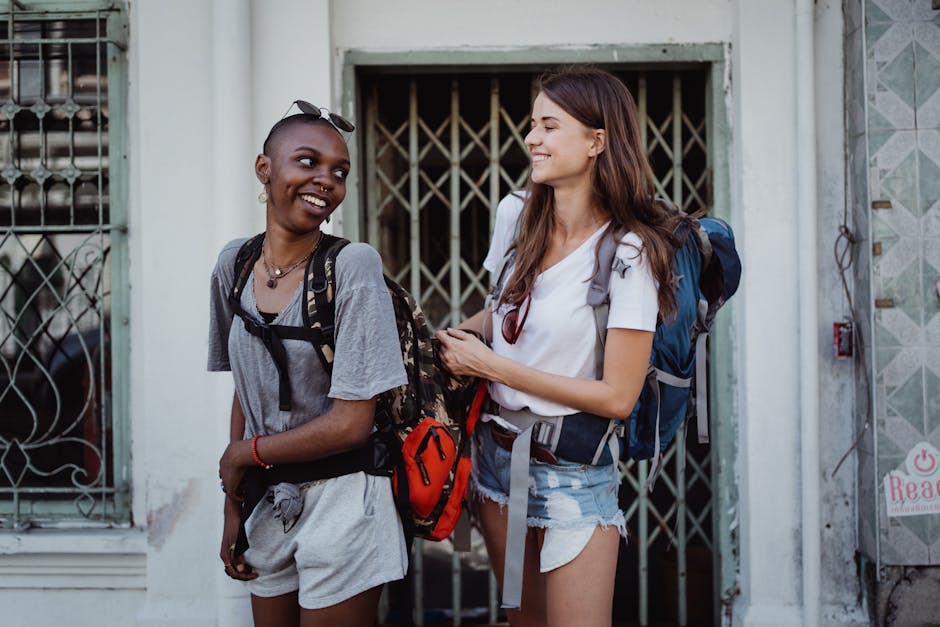
Travel Guide and Adventure Tips Guide for Smart Explorers
Whether you’re planning your first international trip or your tenth off-the-grid adventure, a reliable Travel Guide and Adventure Tips Guide can make all the difference. This comprehensive resource covers essential planning strategies, safety precautions, packing essentials, and destination-specific advice to help you travel confidently and responsibly. From choosing the right gear to navigating local customs, these tips are designed for real-world travelers seeking authentic experiences without unnecessary risk or stress.
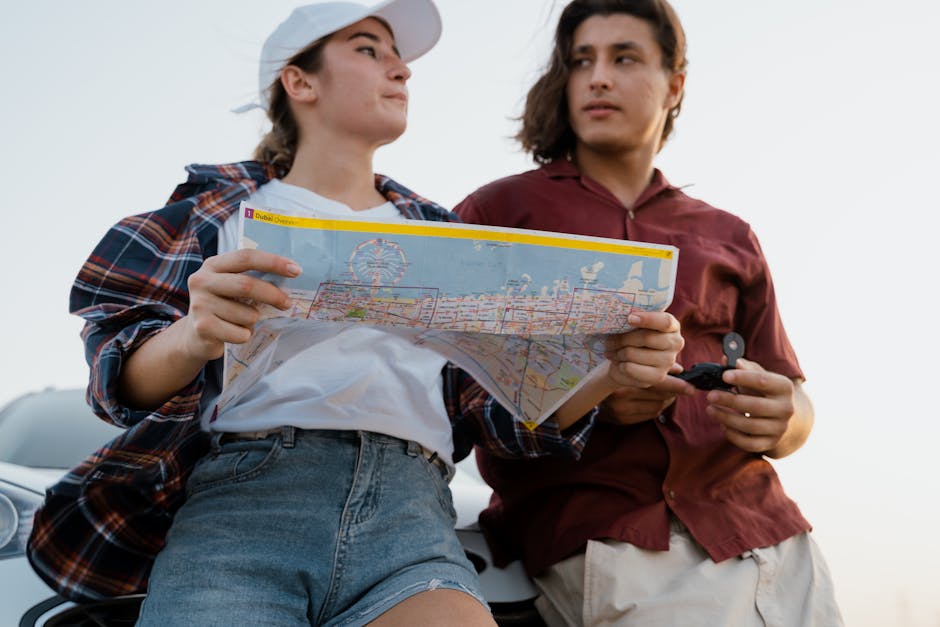
Why You Need a Travel Guide and Adventure Tips Guide
Travel isn’t just about booking flights and hotels—it’s about preparation, awareness, and adaptability. A solid travel guide helps you avoid common pitfalls like overpacking, under-budgeting, or missing critical visa requirements. Adventure travel, in particular, demands extra diligence. Whether you’re hiking in Patagonia, diving in the Maldives, or road-tripping across Morocco, knowing what to expect and how to respond can mean the difference between a memorable trip and a dangerous one.
Key Benefits of Following a Proven Travel Guide
- Time savings: Skip trial-and-error planning with pre-vetted itineraries and packing lists.
- Cost efficiency: Avoid hidden fees, tourist traps, and last-minute overpriced bookings.
- Safety: Learn region-specific risks, emergency contacts, and health precautions.
- Cultural respect: Understand local etiquette to build positive interactions.
- Environmental responsibility: Travel sustainably with eco-conscious tips and practices.
How to Plan Your Adventure: A Step-by-Step Approach
Effective travel planning starts weeks—or even months—before departure. Rushing leads to oversights. Follow this structured approach to ensure nothing critical slips through the cracks.
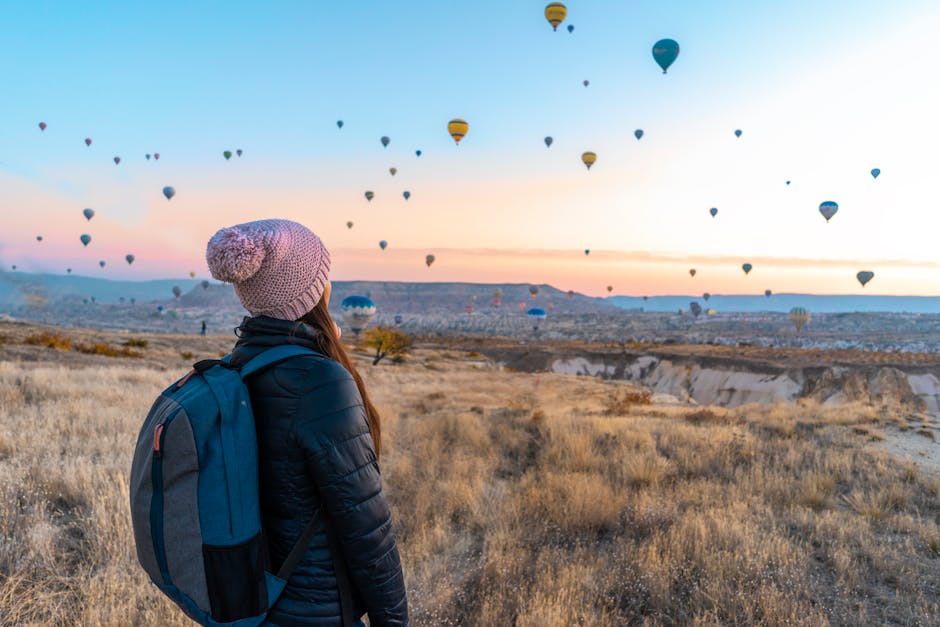
Step 1: Define Your Travel Goals
Ask yourself: What do you want from this trip? Relaxation, cultural immersion, physical challenge, or photography? Your answer shapes everything—from destination choice to daily itinerary. For example, a solo backpacker seeking solitude might choose Nepal’s Annapurna Circuit, while a family may prefer Costa Rica’s wildlife-rich national parks with guided tours.
Step 2: Research Destinations Thoroughly
Use trusted sources like government travel advisories (e.g., U.S. State Department, UK Foreign Office), traveler forums (Reddit’s r/travel, Lonely Planet Thorn Tree), and local tourism boards. Look beyond Instagram highlights—read recent trip reports to assess current conditions, such as monsoon patterns in Southeast Asia or political unrest in certain regions.
Step 3: Create a Realistic Budget
Break down costs into categories: transportation, accommodation, food, activities, insurance, and emergency funds. Include buffer amounts (10–15%) for unexpected expenses. For instance, a two-week trip to Japan might average $150/day for mid-range travelers, while backpacking in Vietnam could cost under $40/day.
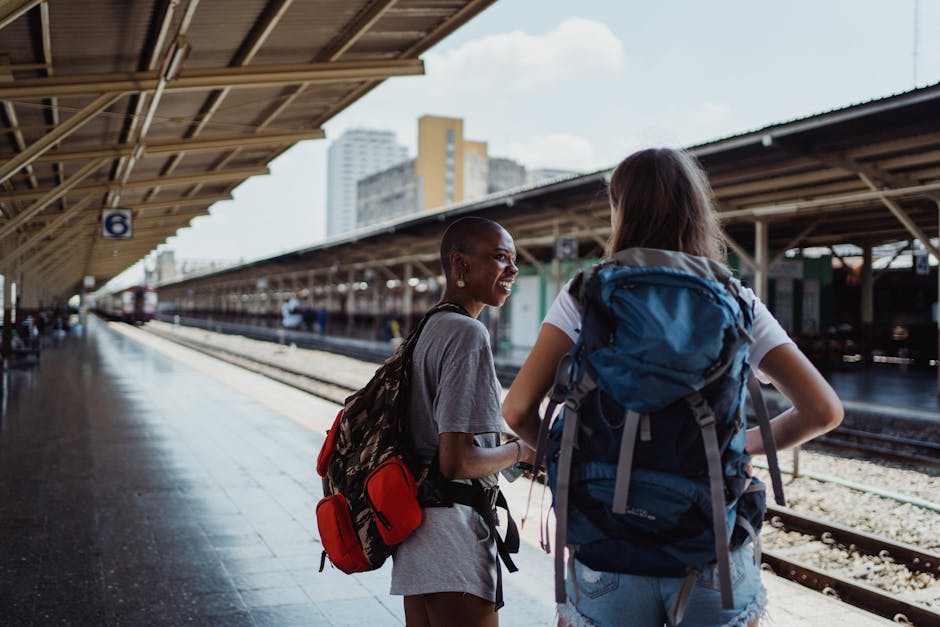
Step 4: Book Flights and Accommodation Strategically
Use fare comparison tools (Google Flights, Skyscanner) and set price alerts. Book flights on Tuesdays or Wednesdays for potential savings. For lodging, consider location over luxury—staying near public transit or city centers reduces daily costs. Platforms like Booking.com and Airbnb offer filters for free cancellation, which adds flexibility.
Step 5: Secure Travel Documents and Insurance
Check passport validity (must be valid for at least six months beyond return date for most countries). Apply for visas early—some require appointments months in advance (e.g., Schengen, India e-visa). Purchase comprehensive travel insurance that covers medical emergencies, trip cancellations, and adventure activities like scuba diving or mountain climbing.
Essential Packing Tips for Any Adventure
Packing smart reduces stress and prevents overloading. The goal is versatility, durability, and compliance with airline restrictions.
Clothing: Less Is More
Pack lightweight, quick-dry fabrics that can be layered. Neutral colors mix and match easily. For tropical climates, include moisture-wicking shirts and a wide-brimmed hat. In colder regions, prioritize thermal base layers and a waterproof outer shell. Roll clothes instead of folding to save space and reduce wrinkles.
Gear and Gadgets
Bring only what you’ll use. A compact power bank, universal adapter, and noise-canceling headphones are universally useful. For adventure travel, add a headlamp, water purifier (e.g., LifeStraw), and compact first-aid kit. Leave expensive jewelry and unnecessary electronics at home to minimize theft risk.
Documents and Digital Backups
Carry physical copies of passport, visa, insurance policy, and emergency contacts. Store digital backups in cloud storage (Google Drive, iCloud) and email them to yourself. Use apps like Google Translate offline mode and Maps.me for navigation without data.
Safety and Health: Staying Protected Abroad
Your well-being is non-negotiable. Preparation prevents panic.
Health Precautions
Visit a travel clinic 4–6 weeks before departure for region-specific vaccines (e.g., yellow fever for parts of Africa and South America). Carry prescription medications in original containers with a doctor’s note. Pack over-the-counter remedies for diarrhea, pain, and allergies. Drink bottled or purified water in areas with questionable sanitation.
Personal Safety Tips
Share your itinerary with a trusted contact. Avoid displaying valuables in public. Use hotel safes for passports and extra cash. In crowded areas, wear a money belt or hidden pouch. Learn basic self-defense phrases in the local language (e.g., “Help!” or “Call the police”).
Emergency Preparedness
Save local emergency numbers (e.g., 112 in Europe, 911 in the Americas). Know the location of your country’s nearest embassy. Register with your government’s travel advisory program (e.g., STEP for U.S. citizens). Carry a whistle and small flashlight in case of natural disasters or getting lost.
Adventure Travel: Special Considerations
Adventure activities—hiking, diving, skiing, or wildlife safaris—require additional planning and respect for limits.
Know Your Limits
Don’t let peer pressure push you beyond your skill level. A moderate hike in the Alps is safer than attempting a technical climb without training. Always use certified guides for high-risk activities like white-water rafting or volcano trekking.
Environmental Responsibility
Follow Leave No Trace principles: pack out all trash, stay on marked trails, and avoid disturbing wildlife. Choose eco-certified tour operators. In sensitive areas like coral reefs or national parks, use reef-safe sunscreen and avoid touching natural formations.
Weather and Terrain Awareness
Check seasonal weather patterns. Monsoons, snowmelt, or heatwaves can drastically alter trail conditions. For example, Nepal’s high-altitude trails are best from October to November and March to May. Always check avalanche reports before backcountry skiing.
Top Destinations for Adventure Travelers
Some locations stand out for their combination of accessibility, safety, and adventure potential. Below is a comparison of four popular destinations based on key factors.
| Destination | Best For | Ideal Season | Average Daily Cost (USD) | Safety Rating (1–5) |
|---|---|---|---|---|
| New Zealand | Bungee jumping, hiking, Maori culture | Nov–Mar (summer) | $120 | 4.8 |
| Costa Rica | Zip-lining, wildlife, volcanoes | Dec–Apr (dry season) | $80 | 4.5 |
| Peru | Machu Picchu, Amazon trekking | May–Sep (dry season) | $60 | 4.2 |
| Norway | Fjord kayaking, Northern Lights | Jun–Aug (midnight sun), Dec–Mar (aurora) | $180 | 4.9 |
Cultural Etiquette: Traveling with Respect
Understanding local customs prevents offense and enriches your experience. What’s polite in one country may be rude in another.
Dress Codes
In conservative regions like the Middle East or rural Southeast Asia, cover shoulders and knees. Remove shoes before entering homes or temples in countries like Japan, India, and Thailand.
Greetings and Gestures
A slight bow in Japan, a handshake in Germany, or the “wai” gesture in Thailand shows respect. Avoid pointing with your finger—use an open hand instead. In many cultures, touching someone’s head is considered inappropriate.
Dining Etiquette
In France, keep hands visible on the table. In China, don’t stick chopsticks upright in rice—it resembles funeral rites. In India, eat with your right hand only, as the left is considered unclean.
Sustainable Travel: Leave a Positive Impact
Responsible travel ensures destinations remain beautiful and accessible for future generations.
Support Local Economies
Eat at family-run restaurants, buy handmade crafts directly from artisans, and hire local guides. This keeps money within the community and fosters authentic cultural exchange.
Reduce Plastic Use
Carry a reusable water bottle with a filter, say no to single-use plastics, and bring your own shopping bag. Many countries now charge for plastic bags or ban them entirely.
Offset Your Carbon Footprint
Choose direct flights when possible (takeoffs and landings use the most fuel). Consider carbon offset programs through airlines or third-party providers like Gold Standard or Cool Effect.
Final Tips for a Smooth Journey
Even the best-laid plans can face hiccups. Stay flexible and keep a positive mindset.
- Download offline maps before losing signal.
- Carry small bills in local currency for markets and tips.
- Learn 10 key phrases in the local language—greetings, thank you, and “Where is the bathroom?” go a long way.
- Keep a travel journal to capture memories and reflect on experiences.
- Stay connected with international SIM cards or eSIMs (e.g., Airalo, Holafly).
Conclusion
A well-prepared traveler is a confident traveler. This Travel Guide and Adventure Tips Guide equips you with practical knowledge to explore the world safely, respectfully, and sustainably. From meticulous planning to on-the-ground adaptability, every step you take toward preparation enhances your journey. Whether you’re scaling a mountain or wandering a historic city, the right mindset and tools turn travel into a lifelong adventure.
FAQ
What should I do if I lose my passport while traveling?
Contact your country’s nearest embassy or consulate immediately. They can issue an emergency travel document. Carry a photocopy or digital scan of your passport separately from the original to speed up the process.
How much should I budget for daily travel expenses?
Daily costs vary widely by destination. Budget travelers can manage on $30–$50/day in countries like Vietnam or Guatemala, while mid-range travelers in Europe or Japan may spend $100–$200/day. Always include a 10–15% buffer for unexpected costs.
Is travel insurance really necessary?
Yes. Travel insurance covers medical emergencies, trip cancellations, lost luggage, and evacuation—costs that can run into thousands. Many standard health plans don’t cover international care, making insurance essential for peace of mind.

