
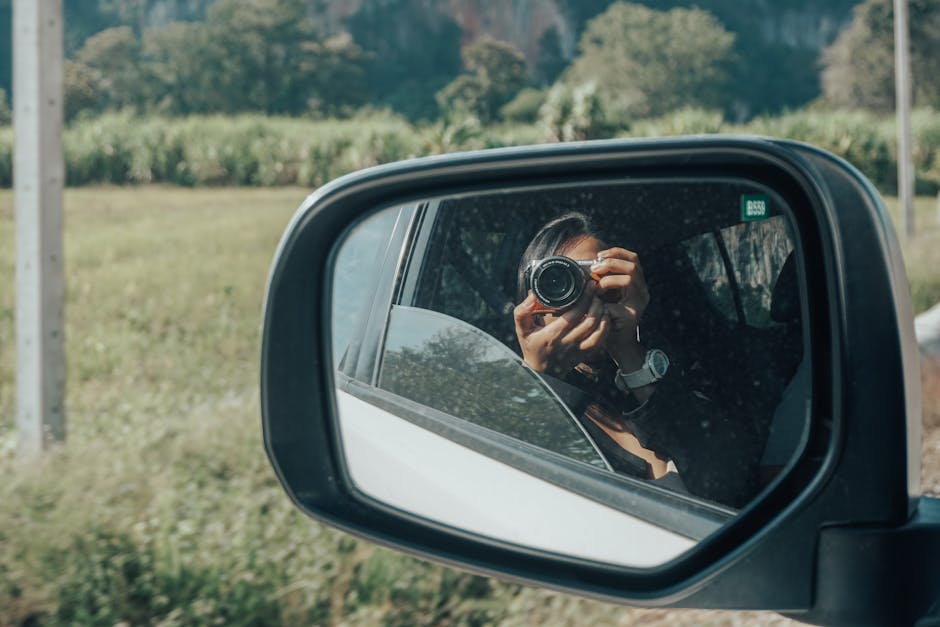
Travel Guide and Photography Tips Guide: Capture Your Adventures with Confidence
Travel Guide and Photography Tips Guide: Capture Your Adventures with Confidence
Whether you’re exploring ancient ruins, bustling city streets, or serene mountain trails, a solid travel guide and photography tips guide can transform your journey into a visually compelling story. Exploring capture travel adventures reveals important insights. This comprehensive resource covers essential planning strategies, camera techniques, and on-the-ground insights to help you document your travels effectively. From choosing the right gear to mastering light in unpredictable environments, you’ll find practical advice tailored for travelers who want to do more than just take snapshots—they want to create lasting images.
Why Combine Travel Planning with Photography Strategy?
Many travelers treat photography as an afterthought, snapping photos only when something catches their eye. But integrating photography into your travel planning ensures you don’t miss key moments—or waste time trying to fix poorly composed shots later. A thoughtful approach lets you anticipate lighting conditions, scout locations in advance, and pack efficiently. For example, if you’re visiting Kyoto in spring, knowing that cherry blossoms peak in early April helps you schedule shoots during golden hour near Maruyama Park. Similarly, planning a sunrise hike to Machu Picchu requires checking trail access times and weather patterns days ahead.
Start with Research: Know Your Destination
Before packing your camera, research your destination’s geography, culture, and seasonal patterns. Use trusted travel guides, local tourism websites, and photo-sharing platforms like Flickr or Instagram to identify iconic viewpoints and hidden gems. Look for recurring visual themes—such as the red cliffs of Sedona or the pastel facades of Copenhagen’s Nyhavn—that define a place’s aesthetic. Understanding local customs is equally important: in some regions, photographing people or religious sites requires permission or is outright prohibited.
Build a Lightweight, Purposeful Gear Kit
You don’t need every lens and accessory to take great travel photos. Focus on versatility and portability. A mirrorless camera with a 24–70mm f/2.8 lens covers most scenarios, from wide landscapes to intimate portraits. Add a compact prime lens (like a 35mm or 50mm) for low-light situations and a lightweight tripod for long exposures. Avoid overpacking—every extra ounce slows you down. If you’re traveling solo or moving frequently, consider a weather-sealed body and lens to handle rain or dust without worry.
Master the Fundamentals of Travel Photography
Great travel photos balance technical skill with creative vision. While modern cameras offer automatic modes, learning manual settings gives you control over exposure, depth of field, and motion. Start with these core principles:
Understand Exposure Triangle Basics
The relationship between aperture, shutter speed, and ISO determines how your image looks. In bright daylight, use a low ISO (100–200), a mid-range aperture (f/5.6–f/8), and a fast shutter speed (1/250s or higher) to freeze motion. At sunset, widen your aperture (f/2.8–f/4) and lower the shutter speed to capture warm tones without overexposing the sky. In dim interiors, raise the ISO cautiously—most cameras handle up to ISO 1600 well, but beyond that, noise becomes noticeable.
Use Composition to Tell a Story
A technically perfect photo can still fall flat without strong composition. Apply the rule of thirds by placing key elements along grid lines or intersections. Frame subjects using natural elements—doorways, tree branches, or reflections in water. Leading lines, such as railway tracks or winding paths, draw viewers into the scene. For cultural shots, include human elements to convey scale and emotion: a vendor arranging spices in Marrakech’s souks, or a child playing near a temple in Luang Prabang.
Work with Natural Light
Golden hour—the first hour after sunrise and the last before sunset—offers soft, warm light ideal for portraits and landscapes. Blue hour, just before sunrise or after sunset, provides even illumination with cool tones perfect for cityscapes. Midday sun creates harsh shadows; if you must shoot then, use shade or a diffuser to soften light. Overcast days act as a natural softbox, reducing contrast and enhancing colors—ideal for forest trails or street photography.
Practical Tips for Different Travel Scenarios
Each destination presents unique challenges. Adapt your approach based on environment and activity.
Urban Exploration: Capture the Pulse of the City
Cities offer endless subjects—architecture, street life, markets, and nightlife. Shoot during blue hour to balance artificial lights with ambient sky. Use a fast lens (f/1.8 or lower) for low-light interiors like cafes or museums. Be discreet: avoid pointing your camera directly at people; instead, shoot from the hip or use a telephoto lens from a distance. In crowded areas like Tokyo’s Shibuya Crossing, arrive early to secure a tripod spot or use a high shutter speed to freeze motion.
Nature and Landscapes: Patience Pays Off
Landscape photography rewards preparation. Exploring capture travel adventures reveals important insights. Scout locations using apps like PhotoPills or The Photographer’s Ephemeris to predict sun and moon positions. Arrive early to set up before crowds arrive. Use a tripod and remote shutter release to avoid camera shake during long exposures. For waterfalls or rivers, a neutral density (ND) filter lets you use slower shutter speeds to create smooth, silky effects. In national parks, respect wildlife and stay on marked trails—both for safety and ethical photography.
Cultural and People Photography: Build Trust First
Portraits of locals add depth to your travel narrative. Always ask permission before photographing individuals, especially in rural or conservative areas. A smile and simple phrase in the local language go a long way. Offer to share the photo afterward via email or social media. When shooting festivals or ceremonies, observe first—note where others position themselves and follow local etiquette. Avoid using flash in sacred spaces unless explicitly allowed.
Editing and Organizing Your Travel Photos
Post-processing enhances your images but shouldn’t replace good capture technique. Use editing software like Adobe Lightroom or Capture One to adjust exposure, contrast, and color balance. Apply subtle presets to maintain consistency across a series. Avoid over-saturating skies or skin tones—natural looks resonate more with viewers.
Organize with Purpose
Create a folder structure by date and location (e.g., “2024-04_Japan_Kyoto”). Use metadata to tag keywords like “cherry blossoms,” “street food,” or “temple.” Back up photos daily to an external drive or cloud service. Consider creating a travel journal or digital album to pair images with notes about your experiences—this adds context and makes sharing more meaningful.
Common Mistakes to Avoid
Even experienced travelers make photography missteps. Watch out for these pitfalls:
- Over-reliance on zoom: Digital zoom degrades quality. Move closer instead or use a prime lens.
- Ignoring battery life: Cold weather drains batteries faster. Carry spares and keep them warm.
- Shooting only landmarks: Unique details—textures, patterns, local food—often tell a richer story.
- Skipping backups: Losing a memory card can erase weeks of work. Always duplicate your files.
Gear Comparison: Compact vs. Full-Frame Cameras
Choosing the right camera depends on your travel style and priorities. Below is a comparison of two popular options:
| Feature | Compact Camera (e.g., Sony RX100 VII) | Full-Frame Camera (e.g., Canon EOS R6) |
|---|---|---|
| Size & Weight | Ultra-portable, fits in pocket | Larger, requires dedicated bag |
| Image Quality | Good in daylight, limited in low light | Superior dynamic range and low-light performance |
| Battery Life | ~300 shots per charge | ~400–500 shots per charge |
| Lens Flexibility | Fixed lens, limited zoom range | Interchangeable lenses, full creative control |
| Best For | Light travelers, casual shooters | Serious photographers, varied conditions |
Final Thoughts: Travel with Intention
A well-crafted travel guide and photography tips guide empowers you to see the world more deeply and share your experiences authentically. By blending practical planning with technical know-how, you’ll return home not just with photos, but with stories. Remember: the best camera is the one you have with you. Focus on connection, curiosity, and consistency—your images will reflect that.
FAQ
Q: What’s the most important piece of photography gear for travel?
A: A versatile zoom lens (like 24–70mm) paired with a reliable camera body. It covers most shooting scenarios without weighing you down.
Q: How can I improve my travel photos without expensive equipment?
A: Master composition, use natural light, and practice regularly. Great photos come from observation and timing, not just gear.
Q: Should I shoot in RAW or JPEG while traveling?
A: Shoot in RAW if you plan to edit extensively—it retains more detail. Use JPEG for quick sharing or when storage is limited.

