

Travel Guide and Budget Tips Guide: Plan Smart, Spend Less
”
Travel Guide and Budget Tips Guide: Plan Smart, Spend Less
Traveling doesn’t have to drain your wallet. With the right Travel Guide and Budget Tips Guide, you can explore new destinations, experience local cultures, and create lasting memories—without overspending. Whether you’re planning a weekend getaway or a month-long adventure, smart planning and informed choices make all the difference. This guide covers essential strategies to stretch your travel budget, from booking flights and accommodations to saving on food, transportation, and activities. You’ll find actionable tips, real-world examples, and a clear comparison of budget-friendly options to help you travel more, spend less, and worry less.
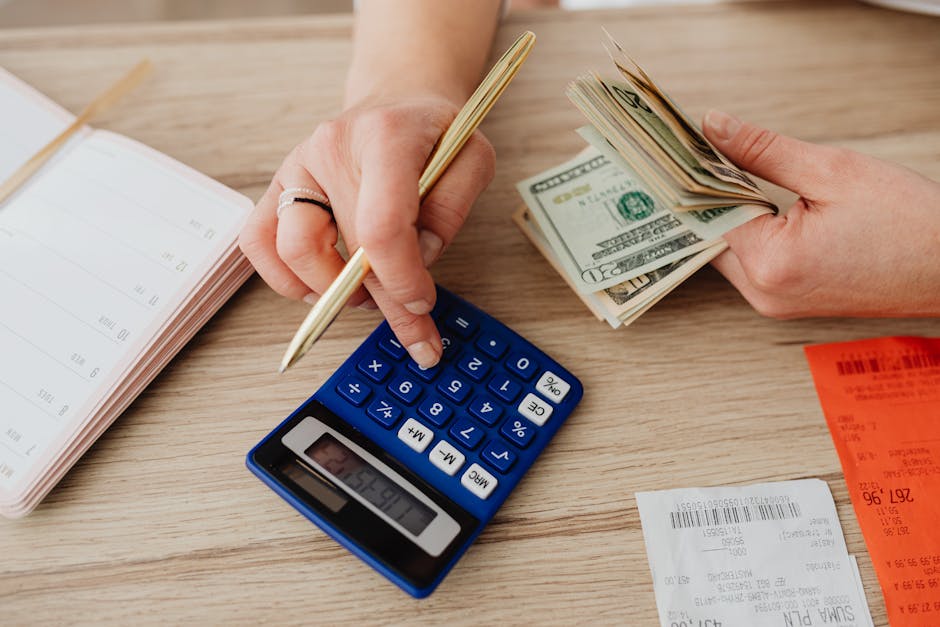
Why a Travel Guide and Budget Tips Guide Matters
Many travelers underestimate how quickly costs add up. A single impulse purchase, an overpriced meal, or a last-minute booking can derail an otherwise affordable trip. A solid Travel Guide and Budget Tips Guide helps you avoid common financial pitfalls by providing structure, foresight, and realistic expectations. It empowers you to make decisions based on value, not just convenience or emotion.
Consider this: a family of four can save over $1,200 on a one-week vacation by switching from a luxury hotel to a well-reviewed vacation rental, packing snacks instead of buying airport food, and using public transit instead of taxis. These aren’t extreme sacrifices—they’re smart substitutions that preserve the travel experience while protecting your budget.
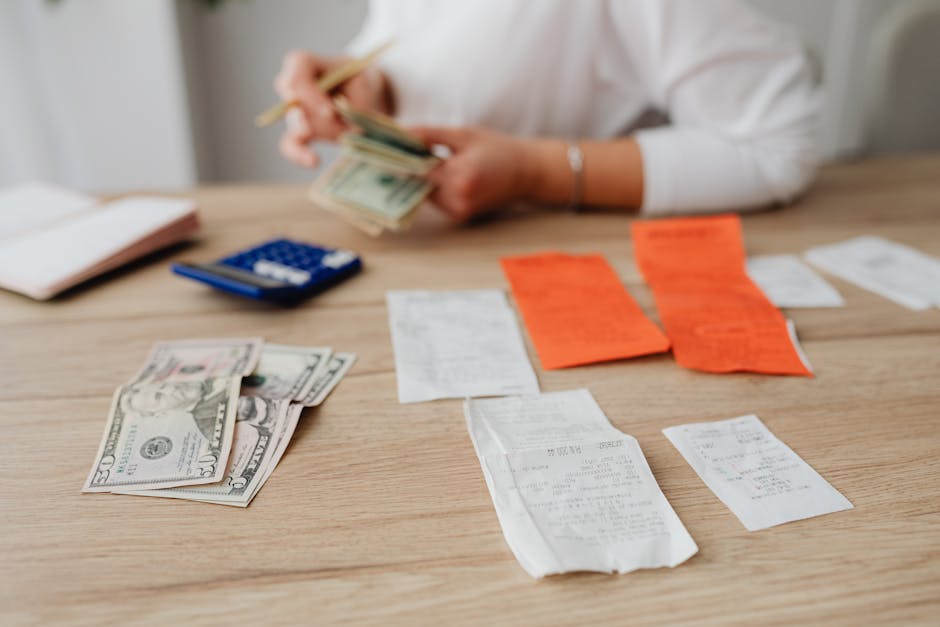
Moreover, budget travel isn’t about deprivation. It’s about prioritizing what matters most—whether that’s trying local cuisine, visiting historic sites, or simply having downtime. A good guide helps you allocate funds where they count and cut waste where they don’t.
Step-by-Step: Building Your Personal Travel Budget
Creating a realistic travel budget starts with understanding your total trip cost. Break it down into categories and estimate each one. Here’s how to build a budget that works:
1. Determine Your Total Trip Budget
Start by setting a firm spending limit. Ask yourself: How much can I comfortably afford without going into debt? Include savings, emergency funds, and post-trip expenses like laundry or souvenirs. A common rule is to allocate no more than 5–10% of your annual income to travel, but adjust based on your financial situation.

2. List All Expected Expenses
Divide your trip costs into fixed and variable expenses:
- Fixed costs: Flights, accommodations, travel insurance, visas
- Variable costs: Food, local transport, activities, shopping, tips
Use past trips or online cost calculators (like those from Budget Your Trip or Numbeo) to estimate daily spending based on your destination.
3. Prioritize Spending
Not all expenses are equal. Rank them by importance. For example:
- Flights and lodging (non-negotiable for most)
- Food and local transport (essential for daily function)
- Activities and entertainment (enhance experience but can be adjusted)
- Shopping and extras (luxuries that can be minimized)
If your budget is tight, reduce spending in lower-priority areas first.
4. Build in a Buffer
Always add a 10–15% contingency fund for unexpected costs—delayed flights, medical needs, or sudden price changes. This prevents stress and keeps your trip on track.
5. Track Spending During Your Trip
Use a budgeting app like Trail Wallet or a simple spreadsheet to log daily expenses. Review it each evening to stay on target. If you overspend one day, adjust the next.
Smart Ways to Save on Flights
Airfare often makes up the largest portion of a travel budget. But with the right approach, you can cut costs significantly.
Book in Advance—But Not Too Early
For domestic flights, booking 1–3 months ahead typically yields the best prices. For international trips, aim for 2–6 months. Use fare comparison tools like Google Flights or Skyscanner to monitor price trends and set alerts.
Be Flexible with Dates and Airports
Flying mid-week (Tuesday or Wednesday) is usually cheaper than weekends. Also, consider nearby airports—sometimes driving an extra 30 minutes saves $100 per person.
Use Points and Miles Wisely
If you have credit card rewards or airline miles, apply them to long-haul or expensive routes. Avoid using points for short, cheap flights where cash is more efficient.
Avoid Extra Fees
Low-cost carriers often charge for checked bags, seat selection, and even carry-ons. Read the fine print. A $50 “budget” flight can cost $120 after add-ons.
Example: Comparing Flight Options
Let’s say you’re flying from Chicago to Lisbon:
- Option A: Direct flight, $850, includes one checked bag
- Option B: One-stop flight, $620, no free checked bag ($50 extra)
- Option C: Budget airline, $490, no free carry-on ($40 extra), seat fee ($25)
After fees, Option C totals $555—still the cheapest. But if you need a checked bag, Option B becomes the best value at $670.
Affordable Accommodation: Where to Stay Without Overspending
Your choice of lodging can make or break your budget. Fortunately, there are many cost-effective alternatives to traditional hotels.
Compare Accommodation Types
Here’s a quick comparison of common options based on average nightly cost and included amenities:
| Type | Avg. Nightly Cost (USD) | Best For | Key Benefit |
|---|---|---|---|
| Hostel (dorm bed) | $15–$35 | Solo travelers, backpackers | Lowest cost, social atmosphere |
| Vacation rental (entire place) | $60–$120 | Families, groups | Kitchen access, more space |
| Mid-range hotel | $100–$200 | Couples, business travelers | Reliability, amenities |
| Boutique guesthouse | $80–$150 | Travelers seeking local charm | Personalized service, unique vibe |
Tips for Booking Smarter
- Use filters: On sites like Booking.com or Airbnb, filter by price, free cancellation, and kitchen access.
- Read recent reviews: Look for mentions of cleanliness, noise, and location accuracy.
- Book directly: Some hotels offer lower rates or perks (like free breakfast) when you book through their website.
- Consider location: Staying slightly outside tourist centers can save 20–30%, especially if public transit is reliable.
Alternative Options
For the adventurous, consider house-sitting (via TrustedHousesitters), couchsurfing, or work-exchange programs like Workaway. These can eliminate lodging costs entirely in exchange for light duties or cultural exchange.
Eating Well on a Budget
Food is a major expense—and a big part of the travel experience. You don’t have to eat fast food to save money. With smart choices, you can enjoy authentic local cuisine affordably.
Eat Where Locals Eat
Tourist restaurants often charge premium prices for the same dishes you’d find elsewhere. Walk a few blocks away from major attractions to find smaller, family-run eateries. Look for places with a high turnover of local customers—this usually means good food at fair prices.
Use the Local Market
Visit farmers’ markets or grocery stores for fresh produce, bread, and snacks. In cities like Barcelona, Bangkok, or Mexico City, you can assemble a delicious picnic for under $10.
Try Street Food
In many destinations, street food is not only cheap but also a cultural highlight. From tacos in Oaxaca to banh mi in Hanoi, these meals offer big flavor for small change. Just choose vendors with high turnover and clean preparation areas.
Leverage Happy Hours and Lunch Specials
Many restaurants offer discounted menus during off-peak hours. A three-course lunch in Paris might cost €15, while dinner for the same dish is €35.
Limit Alcohol and Bottled Water
Drinks inflate bills quickly. In countries with safe tap water, refill a reusable bottle. Skip cocktails and opt for local beer or house wine, which are often cheaper and more authentic.
Example: Daily Food Budget by Destination
- Thailand: $10–$15 (street food, local markets)
- Italy: $25–$40 (trattorias, lunch specials)
- Japan: $30–$50 (convenience stores, ramen shops)
- USA: $40–$60 (fast casual, groceries)
Getting Around Without Breaking the Bank
Transportation costs can sneak up, especially in large cities or rural areas. Plan ahead to avoid expensive taxis and rental cars.
Use Public Transit
Buses, trams, and subways are usually the cheapest way to get around. Many cities offer multi-day transit passes that save money and time. For example, a 72-hour pass in Berlin costs €25 and includes unlimited travel on all public transport.
Walk or Bike When Possible
In compact cities like Prague or Amsterdam, walking is not only free but also the best way to discover hidden gems. Many destinations offer bike rentals or bike-sharing programs for under $10/day.
Rent a Car Only When Necessary
Car rentals, insurance, fuel, and parking can cost $100+/day. Only rent if you’re exploring remote areas with poor transit. Compare prices on Rentalcars.com or through local agencies, and always check for hidden fees.
Use Ride-Sharing Apps Wisely
Apps like Uber or Bolt can be cheaper than taxis, especially for short trips. But in some cities, public transit is still more economical. Compare options before deciding.
Long-Distance Travel
For intercity travel, trains are often more comfortable and sometimes cheaper than flying—especially when you factor in airport transfers and baggage fees. In Europe, buses like FlixBus offer ultra-low fares for advance bookings.
Free and Low-Cost Activities
You don’t need to pay for every attraction to have a rich travel experience. Many of the best things to do are free or very affordable.
Explore Free Attractions
Most cities have free museums, parks, walking tours, and historic districts. For example:
- London: British Museum, National Gallery, Hyde Park
- New York: Central Park, High Line, Brooklyn Bridge
- Bangkok: Wat Pho (partial access), Chatuchak Market
Take a Free Walking Tour
Many cities offer “pay-what-you-want” walking tours led by local guides. These provide history, culture, and insider tips—and you decide the tip at the end. Just book in advance, as spots fill up.
Use City Tourism Cards
Cards like the Paris Museum Pass or Istanbul Tourist Pass offer bundled access to multiple attractions at a discount. Calculate whether the pass saves money based on your itinerary. For example, if you plan to visit three museums in Paris, the pass is likely worth it.
Enjoy Nature
Hiking, beaches, and scenic viewpoints cost nothing. Research nearby trails or parks before you go. In Costa Rica, for instance, many national parks charge only $10–$15 entry and offer incredible wildlife viewing.
Avoiding Common Budget Travel Mistakes
Even experienced travelers make costly errors. Here are a few to watch for:
Overpacking Your Itinerary
Trying to see too much leads to rushed experiences and higher transport costs. Focus on a few key destinations and allow time to relax.
Ignoring Travel Insurance
A $50 policy can save you thousands if your trip is canceled or you need medical care abroad. Choose a plan that covers trip interruption, medical emergencies, and baggage loss.
Using Dynamic Currency Conversion
When paying by card abroad, always choose to be charged in the local currency—not your home currency. The conversion rate offered by merchants is usually worse than your bank’s.
Not Researching Local Tipping Norms
Tipping customs vary widely. In Japan, tipping can be rude. In the U.S., it’s expected. Research ahead to avoid awkward situations or overpaying.
Falling for Tourist Traps
Avoid overpriced souvenirs, “all-inclusive” tours with hidden fees, and restaurants with menus in multiple languages. These are designed to extract maximum money from unprepared visitors.
Packing Smart to Save Money
What you bring—and don’t bring—can impact your budget.
Pack Light
Checked baggage fees add up. A carry-on-only trip saves money and time. Plus, it’s easier to move between accommodations and transit.
Bring Essentials from Home
Items like

