
City Travel Checklist Complete Guide: What to Pack, Plan, and Do Before You Go
City Travel Checklist Complete Guide: What to Pack, Plan, and Do Before You Go
Whether you’re heading to Tokyo, Berlin, or Buenos Aires, a city travel checklist complete guide can make the difference between a smooth trip and a stressful scramble. City travel offers unique opportunities—walkable neighborhoods, public transit, world-class dining, and cultural landmarks—but also presents specific challenges like pickpocketing, language barriers, and fast-paced schedules. This guide covers everything you need to prepare before departure, from essential documents to packing tips, safety precautions, and local etiquette. With a clear plan and the right gear, you’ll maximize your time and minimize surprises in any urban destination.
Why a City-Specific Travel Checklist Matters
Unlike beach vacations or wilderness adventures, city travel demands a different kind of preparation. Urban environments are dense, fast-moving, and often unpredictable. A tailored checklist helps you adapt quickly, stay safe, and make the most of limited time. For example, while you might pack swimwear for a coastal trip, city travelers benefit more from comfortable walking shoes, a compact daypack, and a reusable water bottle. Cities also vary widely in infrastructure—some have excellent metro systems, while others rely on ride-sharing or taxis. Knowing what to expect and how to navigate it starts with a solid pre-trip plan.
Common Mistakes City Travelers Make
- Overpacking: City accommodations are often smaller, with limited storage space. Packing heavy limits mobility and increases stress.
- Ignoring local transit: Relying solely on taxis or rideshares can be expensive and inefficient. Learning the local metro or bus system saves time and money.
- Failing to secure valuables: Pickpocketing is common in crowded areas like markets, transit hubs, and tourist sites. A money belt or anti-theft bag is essential.
- Not researching local customs: Simple gestures—like dress codes in religious sites or tipping norms—can prevent awkward situations.
Essential Documents and Digital Prep
Before you even think about packing clothes, ensure your paperwork and digital tools are in order. Missing or expired documents can derail your trip before it begins.
Must-Have Travel Documents
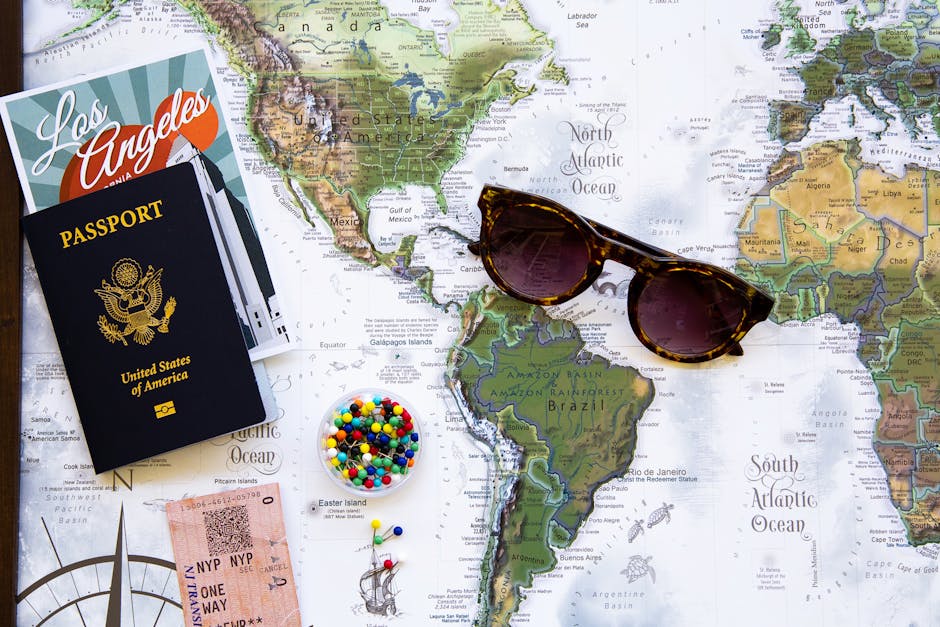
- Passport: Must be valid for at least six months beyond your return date in most countries.
- Visa or entry authorization: Check visa requirements based on your nationality and destination. Some cities allow visa-free entry; others require online applications (e.g., ESTA for the U.S., ETIAS for Europe).
- Travel insurance details: Include policy number, emergency contact, and coverage scope. Print a copy and save it digitally.
- Flight and accommodation confirmations: Have both printed and digital versions. Some hotels require printed booking confirmations.
- Emergency contacts: Include local embassy info, family contacts, and your insurance provider.
Digital Preparation Checklist
- Download offline maps: Google Maps and Citymapper allow offline navigation—critical when Wi-Fi is spotty.
- Save key phrases in the local language: Use apps like Google Translate to download language packs. Save phrases like “Where is the nearest metro?” or “I need help.”
- Enable international roaming or buy a local SIM: Check with your carrier about roaming fees. In many cities, purchasing a local SIM at the airport is cheaper and faster.
- Back up important files: Store passport scans, insurance docs, and itineraries in cloud storage (Google Drive, iCloud) and email them to yourself.
- Install transit and ride apps: Download city-specific apps like Uber, Bolt, or local metro apps (e.g., Moovit, Transit).
Packing Smart for City Exploration
City travel rewards efficiency. You’ll likely walk several miles a day, use public transit, and move between indoor and outdoor environments. Your packing strategy should reflect that.
Clothing: Versatile and Layered
- Pack neutral, mix-and-match colors: Dark jeans, black trousers, and solid tops can be recombined for multiple outfits.
- Choose wrinkle-resistant fabrics: Natural fibers like cotton breathe well, but synthetics dry faster and resist creasing.
- Layer for weather shifts: A lightweight jacket, scarf, and long-sleeve shirt allow adaptation to air-conditioned museums and sunny streets.
- Limit shoes to two pairs: One comfortable walking shoe (e.g., sneakers or supportive flats) and one dressier option for evenings.
- Consider local dress norms: In cities like Dubai or Istanbul, modest clothing may be expected in certain areas.
Essential Gear for Urban Mobility
- Daypack or crossbody bag: Choose one with anti-theft features like slash-proof material, lockable zippers, and RFID-blocking pockets.
- Portable charger: Keep your phone powered for navigation, photos, and communication.
- Reusable water bottle: Many cities have clean tap water and refill stations. A collapsible bottle saves space.
- Compact umbrella or rain jacket: Weather can change quickly in cities like London or Seoul.
- Travel adapter: Check the plug type and voltage for your destination. A universal adapter covers most regions.
Toiletries and Health Items
- Travel-sized toiletries: Most hotels provide basics, but bring your preferred toothpaste, shampoo, etc.
- Hand sanitizer and tissues: Useful on public transit or in restrooms without soap.
- Basic first-aid kit: Include band-aids, pain relievers, antiseptic wipes, and any prescription medications.
- Sunscreen and lip balm: Even in cooler cities, UV exposure occurs during long walks.
Navigating Public Transit Like a Local
One of the biggest advantages of city travel is access to efficient public transportation. Mastering it saves money, reduces stress, and helps you experience the city like a resident.
Steps to Master City Transit
- Research the system before you go: Look up metro lines, bus routes, and fare zones. Websites like Rome2Rio or local transit authority sites offer maps and schedules.
- Buy a transit pass: Many cities offer day, week, or multi-day passes that are cheaper than single tickets. Examples: London’s Oyster Card, Tokyo’s Suica, Paris’ Navigo.
- Download the official transit app: Real-time updates, route planning, and mobile ticketing are often available.
- Validate your ticket: In cities like Berlin or Madrid, failing to validate a ticket can result in a fine, even if you have a valid pass.
- Stand on the right, walk on the left: On escalators, follow local customs to avoid collisions.
Safety Tips for Public Transit
- Keep bags in front: In crowded trains or buses, wear your bag across your chest to deter pickpockets.
- Avoid displaying valuables: Keep phones, cameras, and wallets out of sight.
- Sit near the driver or in well-lit areas: Especially at night or in less busy stations.
- Know emergency procedures: Locate emergency buttons or intercoms on trains and platforms.
Staying Safe in the City
Safety in urban areas depends on awareness and preparation. Most city crime is opportunistic—targeting distracted or unprepared travelers.
Common Urban Risks and How to Avoid Them
- Pickpocketing: Common in tourist hotspots, markets, and transit. Use a money belt, keep wallets in front pockets, and avoid backpacks worn on your back in crowds.
- Distraction scams: Someone spills something on you, asks for help, or creates a commotion while an accomplice steals your bag. Stay alert and walk away if something feels off.
- Overcharging by taxis: Use ride apps with fixed pricing or insist on using the meter. In some cities, unlicensed cabs are common at airports.
- Night safety: Stick to well-lit, busy streets. Avoid isolated alleys or shortcuts, especially if you’re unfamiliar with the area.
Emergency Preparedness
- Know local emergency numbers: 911 (U.S.), 112 (most of Europe), 000 (Australia). Save them in your phone.
- Share your itinerary: Let someone at home know your daily plans, especially if you’re exploring alone.
- Register with your embassy: Some countries offer traveler registration services for safety alerts and assistance.
Maximizing Your City Experience
Beyond logistics, a great city trip is about immersion. Here’s how to make the most of your time.
Plan Your Must-See Attractions
- Book tickets in advance: Popular sites like the Eiffel Tower, Sagrada Família, or the Colosseum often have long lines. Online booking saves hours.
- Visit early or late: Many museums and landmarks are less crowded at opening or closing times.
- Use city tourism cards: Cards like the Berlin WelcomeCard or New York CityPASS offer discounts and skip-the-line access.
Explore Like a Local
- Walk neighborhoods: Wander beyond tourist zones. Areas like Kreuzberg in Berlin or Shoreditch in London offer authentic cafes, street art, and markets.
- Try local food: Skip chain restaurants. Visit food halls, street vendors, or neighborhood bistros. Ask locals for recommendations.
- Attend free events: Many cities host free concerts, festivals, or outdoor movies. Check local event calendars.
Manage Your Energy
- Take breaks: City sightseeing is tiring. Schedule downtime in parks or cafes.
- Stay hydrated and eat regularly: Long walks and hot weather can lead to fatigue.
- Use midday for indoor activities: Museums, galleries, or shopping malls offer climate-controlled rest during peak heat.
City Travel Checklist Complete Guide: At a Glance
| Category | Key Items |
|---|---|
| Documents | Passport, visa, travel insurance, flight/hotel confirmations, emergency contacts |
| Digital Tools | Offline maps, translation app, transit apps, portable charger, cloud backups |
| Clothing | Comfortable shoes, layered outfits, weather-appropriate outerwear |
| Gear | Anti-theft bag, reusable water bottle, travel adapter, compact umbrella |
| Health & Safety | First-aid kit, medications, hand sanitizer, local emergency numbers |
| Local Prep | Transit pass, attraction tickets, local SIM card, phrasebook or app |
Final Tips for a Smooth City Trip
A successful city adventure starts long before you board the plane. Use this city travel checklist complete guide as your roadmap. Prioritize preparation, stay aware of your surroundings, and embrace the rhythm of urban life. Remember, the best city experiences often come from unplanned moments—a hidden café, a street performance, or a conversation with a local. With the right mindset and a solid plan, you’ll navigate any city with confidence and curiosity.
FAQ
Q: How much should I budget daily for a city trip?
A: Daily costs vary widely. Budget cities like Budapest or Lisbon may cost $50–$80 per day (hostel, street food, public transit). Major cities like Paris, Tokyo, or New York often range from $120–$200+ per day for mid-range travelers.
Q: Is it safe to walk alone at night in city centers?
A: It depends on the city and neighborhood. Stick to well-lit, populated areas, avoid shortcuts through alleys, and trust your instincts. Research safe zones in advance and consider using ride apps after dark.
Q: Do I need to tip in restaurants in European cities?
A: Tipping customs vary. In many European cities, service is included, but rounding up or leaving small change (5–10%) is appreciated. In the U.S., 15–20% is standard. Check local norms to avoid over- or under-tipping.

