
Travel Guide for Backpackers Guide
Travel Guide for Backpackers Guide
If you’re planning a budget-friendly, independent trip across cities, countries, or continents, this travel guide for backpackers guide offers practical advice to help you travel smart, stay safe, and make the most of your journey. Whether you’re exploring Southeast Asia, trekking through South America, or wandering Europe’s backroads, a well-prepared backpacker saves money, avoids common pitfalls, and experiences destinations more authentically. This guide covers essential planning steps, gear recommendations, safety tips, and money-saving strategies tailored for long-term travelers who value flexibility and adventure.
Why Choose Backpacking Over Other Travel Styles?
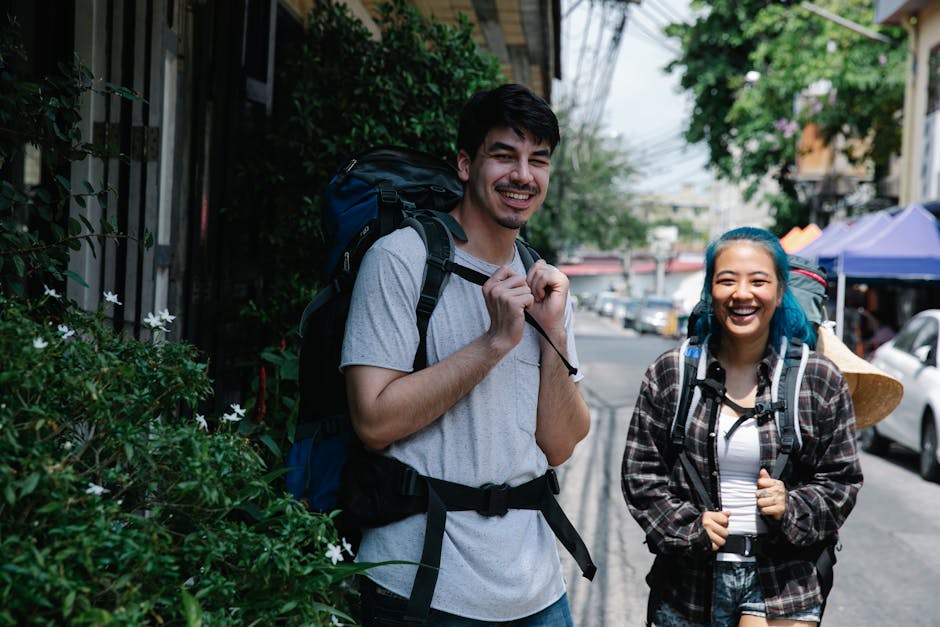
Backpacking isn’t just about carrying a bag—it’s a mindset. Unlike traditional tourism, backpacking emphasizes immersion, spontaneity, and cost efficiency. Travelers often stay in hostels, use public transportation, cook their own meals, and interact more closely with local communities. This approach allows deeper cultural engagement and greater freedom to change plans on a whim.
For example, a two-week trip through Vietnam can cost under $500 if you travel by bus, eat street food, and stay in dormitories. In contrast, a similar itinerary using hotels and guided tours could easily exceed $2,000. Backpacking also encourages resilience and problem-solving, skills that become invaluable when navigating language barriers, delayed trains, or unexpected weather.
How to Plan Your Backpacking Itinerary
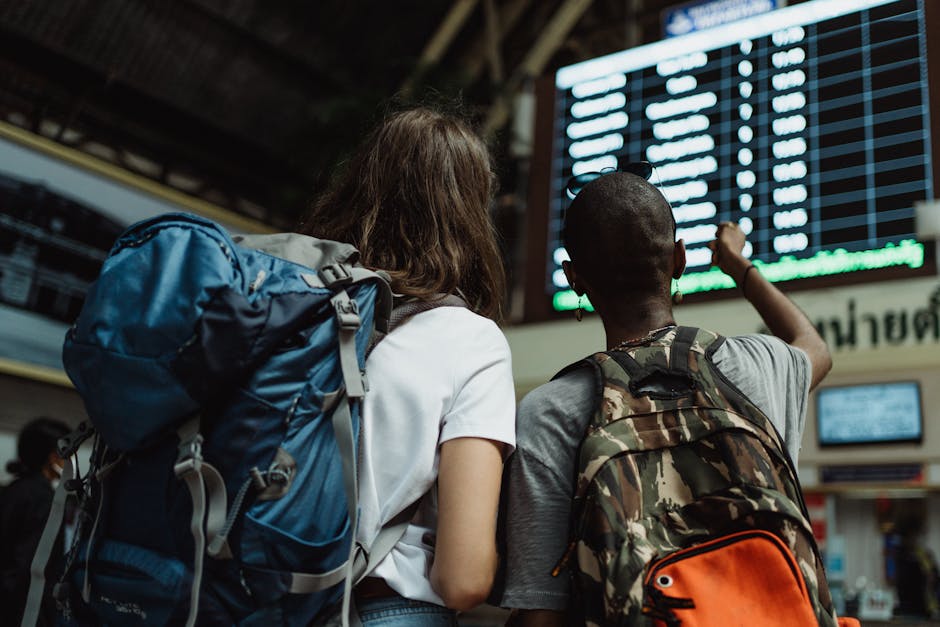
Start by defining your travel goals. Are you seeking adventure, cultural immersion, relaxation, or a mix? Your purpose will shape your route, pace, and budget. Research visa requirements, seasonal weather patterns, and local customs before booking flights.
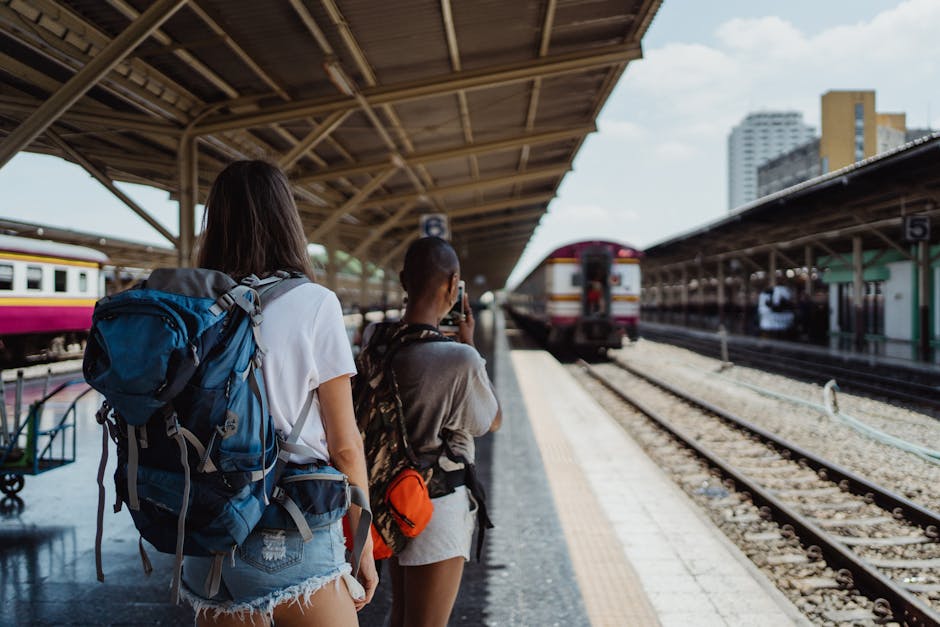
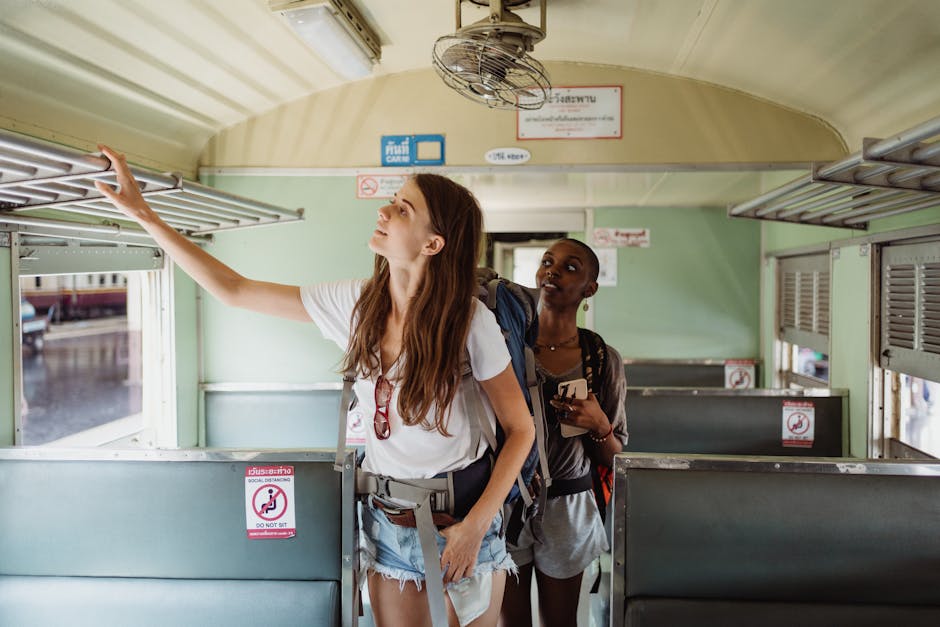
Use tools like Google Maps, Rome2Rio, and travel forums to map out possible routes. Consider overland travel options—buses, trains, and rideshares—to save money and reduce your carbon footprint. Avoid over-scheduling; leave room for rest days and spontaneous detours.
For long-term trips, break your journey into segments. For instance, spend three weeks in Thailand, then cross into Laos, followed by Vietnam. This modular approach makes logistics easier and reduces the stress of constant movement.
Sample 30-Day Southeast Asia Itinerary
- Days 1–7: Bangkok, Thailand – Explore temples, street food, and night markets.
- Days 8–14: Chiang Mai – Trekking, hill tribes, and cooking classes.
- Days 15–21: Luang Prabang, Laos – Waterfalls, monasteries, and slow travel.
- Days 22–30: Hanoi and Ha Long Bay, Vietnam – History, cuisine, and scenic cruises.
Essential Gear for Backpackers
Your backpack is your lifeline. Choose a 40–60L internal frame pack with a rain cover, padded straps, and a hip belt. Brands like Osprey, Deuter, and Kelty offer durable options. Test your pack before departure—load it with weight and walk around to check comfort.
Pack light. You’ll likely buy souvenirs or clothes along the way, so start with the basics:
- Lightweight, quick-dry clothing (3–4 sets)
- Travel towel and microfiber cloth
- Compact sleeping bag liner (for hostels)
- Universal power adapter and portable charger
- Waterproof dry bags for electronics and documents
- Basic first-aid kit with pain relievers, antiseptic, and rehydration salts
Footwear matters. Bring one pair of broken-in hiking shoes and lightweight sandals. Avoid new shoes that could cause blisters.
Digital Tools Every Backpacker Should Use
- Google Maps (offline mode): Download maps for cities and trails.
- XE Currency: Real-time exchange rates for budgeting.
- Hostelworld or Booking.com: Compare prices and read reviews.
- Google Translate: Camera translation for signs and menus.
- Maps.me: Offline navigation with hiking and biking routes.
Budgeting and Saving Money on the Road
Daily costs vary widely by region. In Western Europe, expect to spend $40–$70 per day. In Southeast Asia, $20–$35 is realistic. Eastern Europe, Central America, and parts of Africa fall in between.
To stretch your budget:
- Cook your own meals when possible—hostel kitchens are common.
- Use local transportation instead of taxis or tours.
- Travel during shoulder seasons (spring or fall) for lower prices and fewer crowds.
- Work remotely or take short-term jobs (e.g., teaching English, farm work) to extend your trip.
- Use cash instead of cards to avoid foreign transaction fees.
Open a bank account with no international fees, such as Charles Schwab or Revolut. Withdraw larger amounts less frequently to minimize ATM charges.
Average Daily Backpacking Costs by Region
| Region | Accommodation (per night) | Food (per day) | Transport (per day) | Total (per day) |
|---|---|---|---|---|
| Southeast Asia | $5–$10 | $5–$8 | $2–$5 | $12–$23 |
| Eastern Europe | $10–$15 | $8–$12 | $3–$6 | $21–$33 |
| Western Europe | $20–$35 | $15–$25 | $8–$15 | $43–$75 |
| Central America | $8–$12 | $6–$10 | $4–$8 | $18–$30 |
Safety and Health Tips for Backpackers
Safety starts before you leave. Register your trip with your country’s travel advisory service (e.g., U.S. STEP program). Share your itinerary with family and check in regularly.
Carry photocopies of your passport, visa, and insurance documents. Store digital copies in a secure cloud service. Use a money belt or hidden pouch for cash and cards.
Be cautious with alcohol and avoid walking alone at night in unfamiliar areas. Trust your instincts—if a situation feels off, leave.
Health-wise, get recommended vaccines (e.g., hepatitis A, typhoid) and consider travel insurance that covers medical evacuation. Pack a reusable water bottle with a filter (like LifeStraw) in regions with unsafe tap water.
Staying Connected and Managing Logistics
Buy local SIM cards for affordable data. In Thailand, a 30-day plan with 5GB costs around $10. In Europe, consider an EU-wide SIM from providers like Orange or Vodafone.
Use cloud storage (Google Drive, Dropbox) to back up photos and documents. Label files clearly and organize them by date and location.
Mail postcards or small items home via post offices—faster and cheaper than courier services. Use luggage forwarding services for long-distance moves if you’re not carrying everything.
Cultural Etiquette and Responsible Travel
Respect local customs. In Buddhist countries, dress modestly at temples and remove shoes when required. In the Middle East, avoid public displays of affection and cover shoulders and knees.
Learn a few basic phrases in the local language—greetings, thank you, and “how much?” go a long way. Use gestures and smiles to bridge communication gaps.
Support local economies by eating at family-run restaurants, buying handmade goods, and hiring local guides. Avoid exploitative “orphanage tourism” or elephant rides that harm animals.
Packing Light: The Backpacker’s Golden Rule
Every item should earn its space. Ask: “Will I use this more than once?” If not, leave it behind. Roll clothes instead of folding to save space and reduce wrinkles.
Use packing cubes to organize by category (e.g., underwear, tops, electronics). This makes finding items easier and keeps your bag tidy.
Wear your bulkiest items (jacket, boots) on travel days. Limit toiletries—most can be bought en route. Solid shampoo bars and toothpaste tablets save space and comply with liquid restrictions.
Dealing with Challenges on the Road
Delays, illness, and loneliness are part of the journey. Flights get canceled, buses break down, and hostels can be noisy. Stay flexible and keep a sense of humor.
Join online communities like Reddit’s r/backpacking or Facebook groups to connect with other travelers. Many cities have expat meetups or coworking spaces where you can work and socialize.
If you get sick, visit a local clinic—many offer affordable care. Carry a basic medication kit and know the location of hospitals in major cities.
When to Reassess Your Trip
Backpacking is rewarding but demanding. If you’re constantly tired, homesick, or running low on funds, it’s okay to adjust your plans. Extend your stay in a favorite place, return home early, or switch to a slower travel style.
Listen to your body and mind. Travel should enrich your life, not deplete it.
Final Tips for a Successful Backpacking Adventure
- Start small—try a weekend trip before committing to months abroad.
- Keep a travel journal to reflect on experiences and preserve memories.
- Take photos, but also put the camera down and observe.
- Be open to new people, foods, and ideas.
- Leave no trace—pack out what you pack in.
FAQ
How much money do I need to start backpacking?
It depends on your destination and travel style. Budget $20–$70 per day. For a 3-month trip in Southeast Asia, aim for $2,000–$3,000 including flights.
Is it safe to backpack alone?
Yes, many travelers backpack solo safely. Stay in well-reviewed hostels, share your location with someone trusted, and avoid risky areas at night.
What’s the best backpack for long-term travel?
A 50–60L internal frame pack with adjustable straps and a rain cover. Osprey Farpoint and Deuter Transit are popular choices among long-term backpackers.
Whether you’re heading to Peru, Nepal, or Morocco, this travel guide for backpackers guide equips you with the knowledge to travel confidently and responsibly. With smart planning, the right gear, and an open mind, backpacking offers some of the most rewarding experiences travel can offer.

