
Travel Guide for Bus Travel: Tips, Routes, and Planning Advice
Travel Guide for Bus Travel: Tips, Routes, and Planning Advice
A comprehensive travel guide for bus travel helps you navigate routes, save money, and travel comfortably—whether you’re commuting across town or crossing continents. Buses offer an affordable, eco-friendly, and often overlooked way to explore new destinations. With proper planning, you can enjoy reliable schedules, scenic views, and access to remote areas that trains or flights might miss. This guide covers everything from choosing the right bus service to packing smart, understanding ticket options, and staying safe on long journeys. Whether you’re a budget traveler, digital nomad, or planning a family trip, these practical tips will help you make the most of your bus travel experience.

Why Choose Bus Travel?
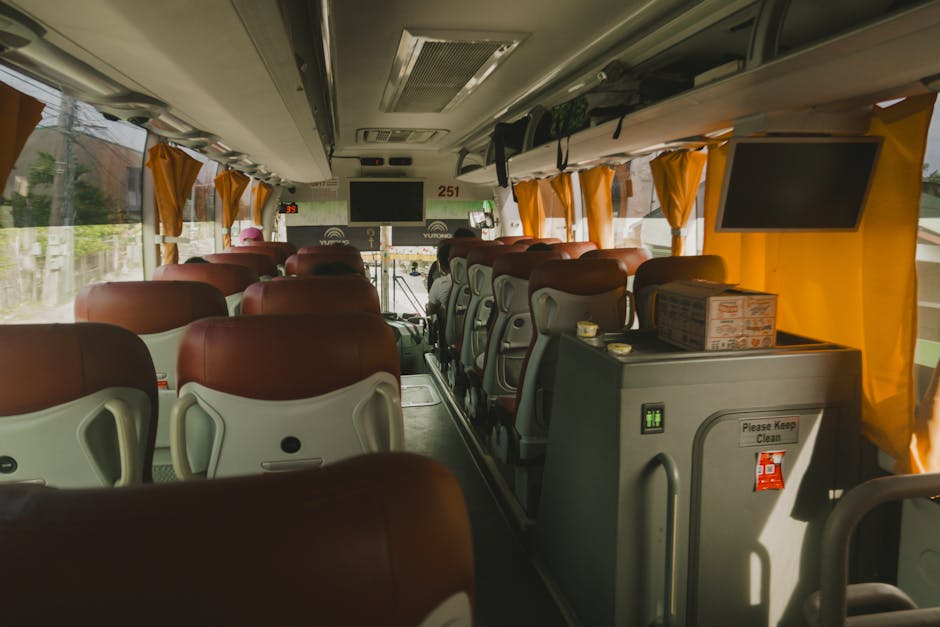
Bus travel has evolved significantly over the past decade. Modern coaches now offer amenities once reserved for air travel: reclining seats, Wi-Fi, power outlets, and on-board restrooms. For travelers seeking affordability and flexibility, buses provide a compelling alternative to trains and planes—especially for regional or intercity trips under 500 miles.
Consider a trip from New York City to Washington, D.C. A one-way flight might cost $150 and take two hours in the air, but add airport transfers, security lines, and baggage fees, and the total time and cost rise quickly. In contrast, a bus ticket on a carrier like Greyhound or FlixBus costs between $25 and $60, takes about 4.5 hours door-to-door, and drops you in the city center—no extra transit needed. You also avoid the stress of airport security and can often bring a carry-on plus a personal item for free.

Environmental benefits are another strong reason to choose buses. According to the American Bus Association, motorcoaches emit the lowest carbon dioxide per passenger mile compared to cars, trains, and planes. A full bus can take 55 cars off the road, reducing traffic and pollution.
Advantages of Bus Travel
- Cost-effective: Often the cheapest way to travel medium distances.
- Central drop-off points: Most bus stations are located in city centers, reducing the need for additional transportation.
- Eco-friendly: Lower per-passenger emissions than cars or planes.
- Flexible scheduling: Frequent departures on popular routes.
- No baggage fees: Most carriers allow one large suitcase and a carry-on at no extra cost.
How to Plan Your Bus Journey
Effective planning is the cornerstone of a smooth bus trip. Start by identifying your route and researching available operators. Popular U.S. carriers include Greyhound, FlixBus, Megabus, and Peter Pan, while international travelers might use FlixBus in Europe, FlixBus or National Express in the UK, or companies like Busbud for global booking.
Use comparison platforms like Wanderu or Rome2Rio to compare prices, departure times, amenities, and user reviews. These tools let you filter by Wi-Fi, power outlets, wheelchair accessibility, and restroom availability—key factors for longer trips.
Book your ticket in advance. Prices often increase as departure dates approach, especially during holidays or peak travel seasons. For example, a weekday trip from Chicago to Milwaukee might cost $19 if booked two weeks ahead, but $45 if purchased the day before. Setting price alerts or using apps with fare prediction features can help you time your purchase.
Steps to Book Your Bus Ticket
- Choose your route and date: Be flexible with dates if possible—midweek trips are often cheaper.
- Compare operators: Look at total travel time, amenities, and cancellation policies.
- Select your seat (if available): Some services let you pick a window or aisle seat for a small fee.
- Enter passenger details: Ensure names match ID if required.
- Pay securely: Use a credit card with travel protection when possible.
- Save your confirmation: Download the ticket or save it to your phone.
Choosing the Right Bus Service
Not all bus services are created equal. Premium carriers like FlixBus or BoltBus offer more legroom, free Wi-Fi, and reserved seating, while budget options may have tighter seats and fewer amenities. Consider your priorities: comfort, price, speed, or reliability.
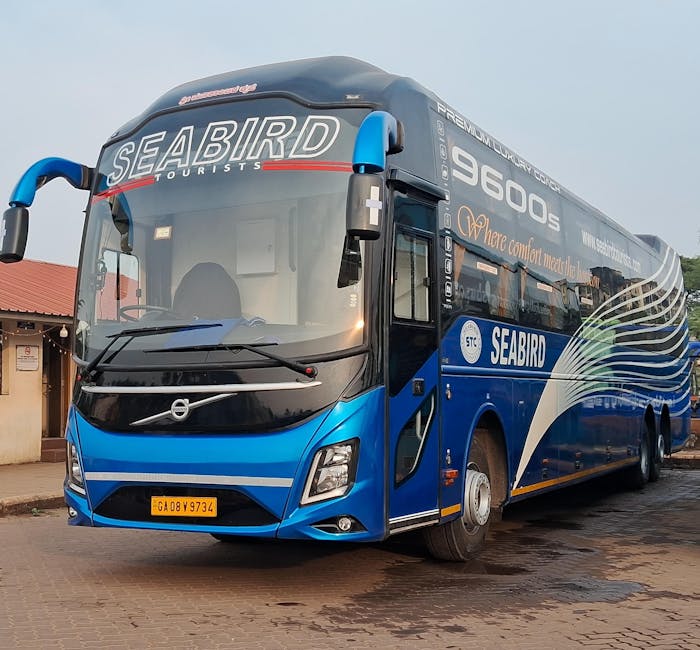
For international travel, research local operators. In Germany, FlixBus dominates with modern coaches and frequent departures. In India, services like RedBus connect thousands of cities with varying levels of comfort—from basic sleeper buses to air-conditioned Volvo coaches. Always read recent reviews on platforms like Trustpilot or Google Maps to gauge punctuality and customer service.
Check the operator’s cancellation and refund policy before booking. Some companies offer free changes up to 24 hours before departure, while others charge steep fees. If you’re traveling during uncertain times—like a pandemic or weather event—opt for flexible tickets.
What to Look for in a Bus Operator
- Punctuality record
- On-time performance
- Customer service responsiveness
- Cleanliness and maintenance
- Safety record and driver training
Packing Smart for Bus Travel
Packing efficiently makes a big difference on long bus rides. Most carriers allow one large suitcase (typically up to 50 lbs) stored in the undercarriage and one carry-on bag (around 22 x 14 x 9 inches) for the cabin. Personal items like backpacks or purses count separately.
Label your luggage clearly with your name and contact information. Use a luggage tag and consider a brightly colored strap or ribbon to make your bag easy to identify. Avoid checking valuable items—keep electronics, medications, and important documents in your carry-on.
Pack a small travel kit for comfort: a neck pillow, eye mask, earplugs or noise-canceling headphones, a reusable water bottle, snacks, hand sanitizer, and a light blanket. If you’re prone to motion sickness, bring medication or ginger chews.
Essential Items to Bring on the Bus
- Chargers and power bank
- Downloaded entertainment (movies, podcasts, books)
- Snacks and water
- Wet wipes and tissues
- Travel pillow and blanket
- Portable phone mount (for hands-free viewing)
On the Road: Tips for a Comfortable Journey
Arrive at the bus station at least 30 minutes before departure. This gives you time to find your platform, use restrooms, and stow your luggage. Some stations, especially in major cities, can be large and confusing—look for digital boards or ask staff for directions.
Once on board, claim your seat quickly and stow your carry-on in the overhead bin or under the seat in front of you. Avoid blocking aisles. If you’re traveling with others, try to sit together—some services allow group seating during booking.
Stay hydrated, but limit caffeine and alcohol, which can dehydrate you and disrupt sleep. Use rest stops wisely: stretch your legs, use the restroom, and grab a snack. Most long-distance buses stop every 2–3 hours for 15–30 minutes.
Be respectful of fellow passengers. Keep noise levels down, use headphones for audio, and avoid strong-smelling food. If you’re listening to music or watching a movie, keep the volume low or use subtitles.
Staying Safe on the Bus
- Keep your belongings secure and in sight.
- Note emergency exits and safety equipment locations.
- Avoid sharing personal information with strangers.
- Report any suspicious behavior to the driver or station staff.
- If traveling at night, sit near the front or near other passengers.
Understanding Bus Ticket Types and Pricing
Bus tickets come in various formats: standard, flexible, premium, and group rates. Standard tickets are the most affordable but often non-refundable and non-changeable. Flexible tickets allow changes or cancellations for a fee—ideal for uncertain plans. Premium tickets may include perks like priority boarding, extra legroom, or complimentary snacks.
Prices vary based on demand, distance, time of booking, and season. Booking early, traveling midweek, and avoiding holidays can save you 30–50%. Some operators offer student, senior, or military discounts—always check eligibility before booking.
Loyalty programs are becoming more common. FlixBus, for example, offers a rewards program where you earn points for every trip, redeemable for future discounts. Sign up for newsletters to receive promo codes and flash sale alerts.
Sample Price Comparison: New York to Boston
| Operator | Departure Time | Duration | Price (Advance) | Amenities |
|---|---|---|---|---|
| Greyhound | 8:00 AM | 4h 15m | $32 | Wi-Fi, power outlets, restroom |
| FlixBus | 9:30 AM | 4h 00m | $28 | Free Wi-Fi, USB ports, reserved seating |
| Megabus | 10:00 AM | 4h 30m | $25 | Wi-Fi, power outlets, no restroom |
| Peter Pan | 7:45 AM | 4h 10m | $35 | Wi-Fi, power outlets, restroom, snacks |
International Bus Travel: What to Know
Bus travel is especially popular in Europe and parts of Asia, where networks are dense and affordable. In Europe, FlixBus operates in over 40 countries, connecting cities with frequent, modern coaches. A trip from Paris to Amsterdam takes about 6.5 hours and costs as little as €15 if booked early.
When crossing borders, ensure you have the necessary documents. Even within the Schengen Area, random checks can occur. Carry your passport or national ID, and be prepared to show it if requested. Some routes require visas or health documentation—research requirements well in advance.
Language barriers can be a challenge, but most major operators provide information in multiple languages. Download offline translation apps like Google Translate, and save key phrases (e.g., “Where is the bus station?” or “Does this bus go to…?”).
Currency and payment methods vary. While credit cards are widely accepted, some rural stations may only take cash. Notify your bank of travel plans to avoid card blocks, and carry a mix of payment options.
Common Challenges and How to Overcome Them
Delays are one of the most common complaints about bus travel. Unlike trains, buses are subject to traffic, road construction, and weather. Check real-time updates via the operator’s app or website. If your bus is delayed, contact customer service for rebooking options or compensation, especially if you miss a connection.
Overbooking can also occur, though it’s less common than with airlines. If you’re bumped from a bus, most reputable carriers will rebook you on the next available service at no extra cost and may offer a voucher or refund.
Comfort is subjective. If you’re tall or have mobility issues, look for services with extra legroom or reclining seats. Some operators offer “premium” or “executive” class options for a fee. Alternatively, choose a window seat for a view and a place to lean.
Noise and disruptions can affect sleep. Bring earplugs or noise-canceling headphones, and consider wearing an eye mask. If the bus is loud, politely ask passengers to lower their voices—most will comply.
Eco-Friendly Travel: The Sustainability Angle
Bus travel is one of the greenest ways to move people. A full motorcoach emits about 0.2 pounds of CO₂ per passenger mile, compared to 0.9 for a single-occupancy car and 0.6 for a domestic flight. Choosing the bus over driving alone can reduce your carbon footprint by up to 75%.
Many operators are investing in cleaner technology. FlixBus, for example, has introduced electric and hybrid buses on select routes in Germany and France. Support these initiatives by choosing greener carriers when possible.
Combine bus travel with other sustainable practices: pack light to reduce fuel consumption, avoid single-use plastics, and offset your remaining emissions through verified programs.
Final Tips for a Successful Bus Trip
A well-planned bus journey can be relaxing, affordable, and even enjoyable. Start by using a reliable travel guide for bus travel to compare options and book smart. Pack efficiently, arrive early, and stay informed about your route and schedule.
Keep digital and physical copies of your ticket, know your operator’s policies, and stay connected with a charged phone and portable Wi-Fi if needed. Treat fellow passengers with respect, and don’t hesitate to ask staff for help.
With the right preparation, bus travel opens up a world of possibilities—from weekend getaways to cross-country adventures—without breaking the bank or harming the planet.
FAQ
How far in advance should I book a bus ticket?
Book at least 1–2 weeks in advance for the best prices, especially on popular routes. Last-minute tickets can cost 50% more or sell out entirely.
Can I bring my pet on the bus?
Most bus companies do not allow pets, except for service animals. Small pets in carriers may be permitted on some international routes—check the operator’s policy before booking.
What happens if my bus is delayed or canceled?
Contact the bus company immediately. Most operators will rebook you on the next available service at no extra cost. You may also be eligible for a refund or compensation, depending on the delay length and local regulations.
Related keywords: Travel Guide for Bus Travel Guide.

