
Travel Guide for Train Travel: Plan, Book, and Ride with Confidence
Travel Guide for Train Travel: Plan, Book, and Ride with Confidence
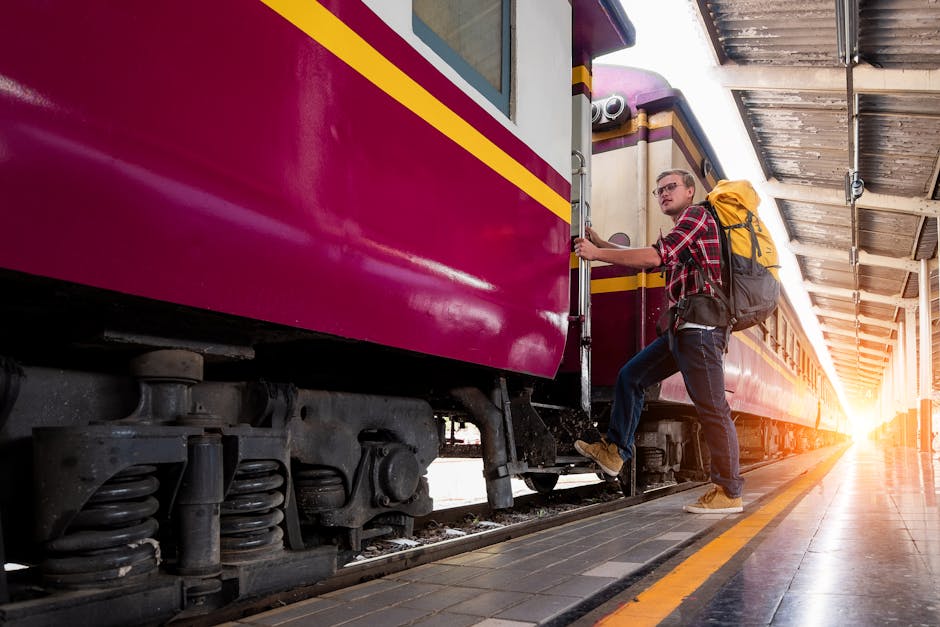
Whether you’re exploring scenic routes across Europe, commuting daily in Asia, or taking a cross-country adventure in North America, a reliable travel guide for train travel can make all the difference. Train travel offers a sustainable, comfortable, and often scenic alternative to flying or driving. This guide covers everything from booking tickets and choosing the right class of service to packing smart and navigating stations. You’ll learn how to plan efficient routes, avoid common pitfalls, and make the most of your journey—no matter your destination.
Why Choose Train Travel?
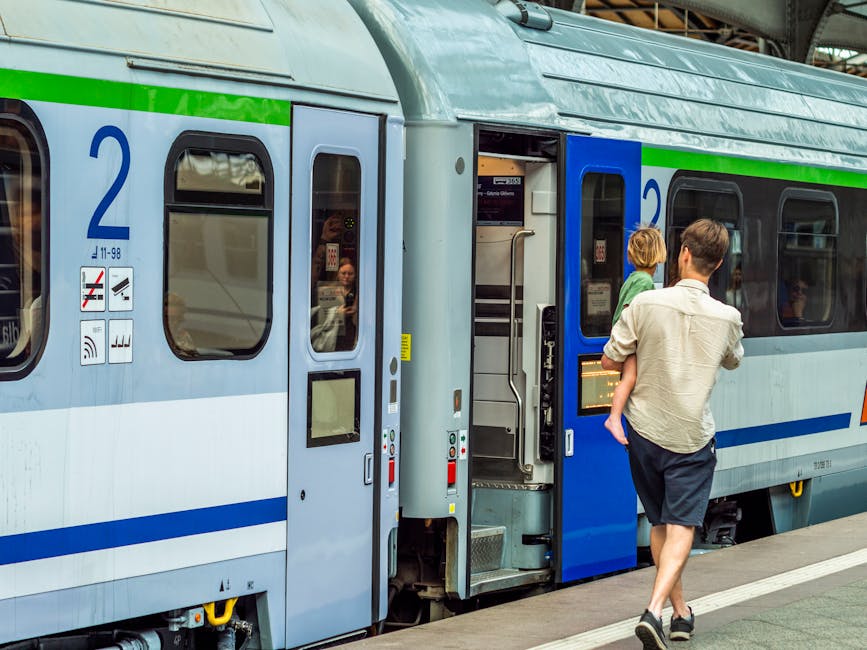
Trains are among the most efficient and eco-friendly ways to travel. Unlike air travel, they typically depart from city centers, reducing the need for lengthy commutes to outlying airports. Many high-speed rail networks, such as Japan’s Shinkansen or France’s TGV, offer punctuality rates above 95%, making them ideal for time-sensitive trips. Trains also allow for greater mobility during the journey—passengers can walk around, visit dining cars, or simply enjoy the changing landscape through large windows.
Environmental Benefits
Trains produce significantly fewer carbon emissions per passenger mile compared to cars and planes. According to the International Energy Agency, rail transport accounts for just 1% of global transport-related CO₂ emissions, despite moving over 8% of the world’s passengers. For eco-conscious travelers, choosing rail is a tangible way to reduce their environmental footprint.
Cost and Convenience
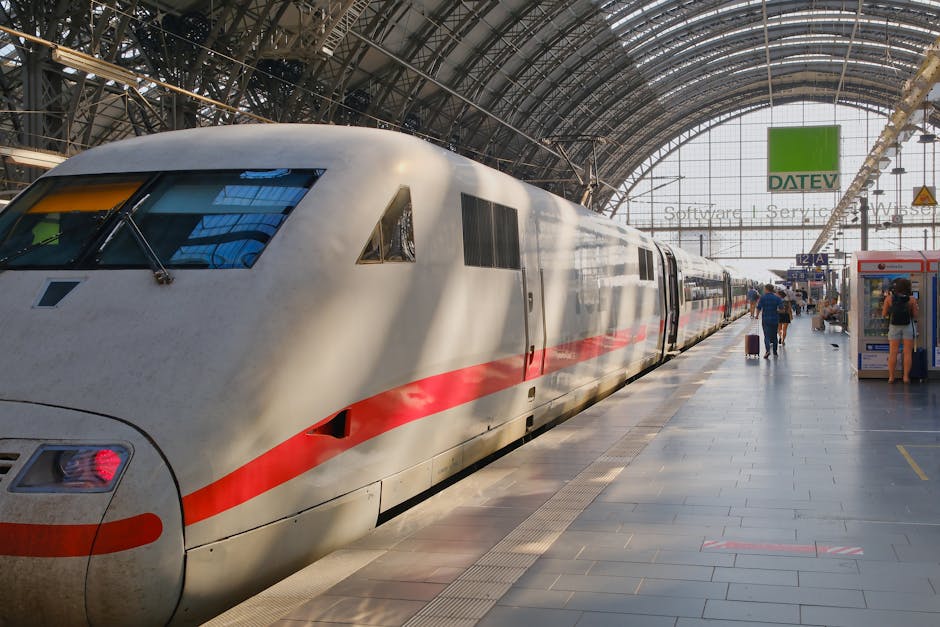
While first-class tickets on premium lines can be pricey, standard fares are often competitive with budget airlines—especially when factoring in baggage fees and airport transfers. Advance bookings, rail passes, and regional discounts can further reduce costs. For example, Eurail and Interrail passes offer flexible travel across multiple European countries, often at a fraction of the cost of individual tickets.
How to Plan Your Train Journey
Effective planning is the foundation of a smooth train trip. Start by identifying your origin, destination, and preferred travel dates. Use official railway websites or trusted third-party platforms like Trainline, Rail Europe, or Omio to compare schedules, prices, and seat availability.
Step-by-Step Planning Process
- Check train schedules: Look for direct routes first. If none exist, note transfer points and layover times.
- Compare ticket types: Decide between one-way, round-trip, or multi-leg tickets. Consider off-peak discounts.
- Book in advance: Many systems offer lower prices for early bookings. Some high-speed trains require reservations.
- Verify station locations: Ensure you know which station to depart from and arrive at—some cities have multiple terminals.
- Plan transfers: Allow at least 20–30 minutes between connections, especially in large or unfamiliar stations.
Example: Planning a Trip from Paris to Amsterdam
The Thalys high-speed train connects Paris Gare du Nord to Amsterdam Centraal in about 3 hours and 20 minutes. Tickets can be booked up to 4 months in advance on the Thalys website. Booking early can save up to 60% off standard fares. Note that seat reservations are mandatory, and tickets are non-refundable unless you purchase a flexible fare.
Booking Train Tickets: Tips and Options
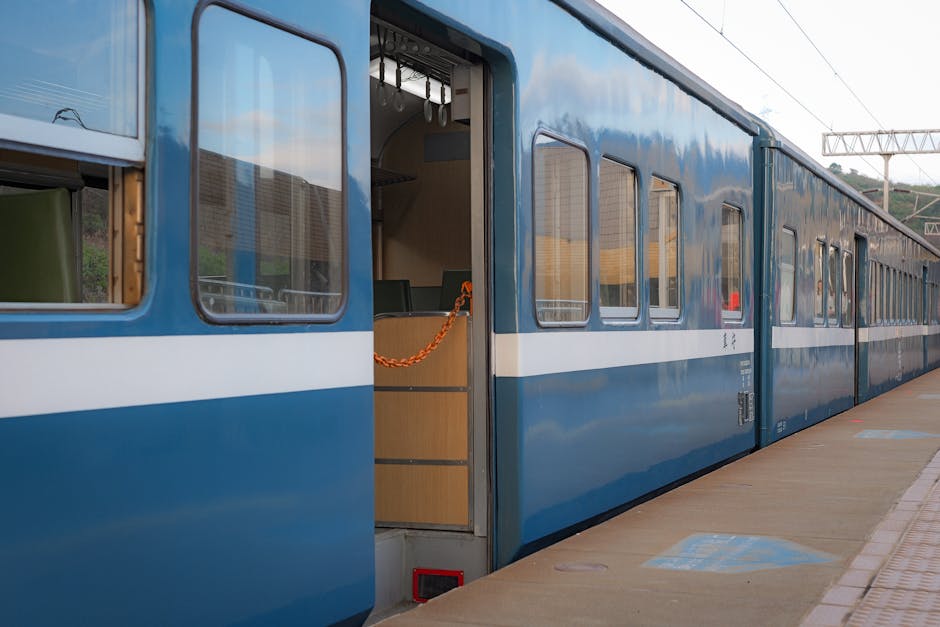
Booking methods vary by region, but most national rail operators offer online platforms. In countries like Germany (Deutsche Bahn), Japan (JR), and India (IRCTC), official websites are the most reliable sources. Third-party apps can be convenient but may add service fees.
Types of Tickets
- Standard (Second Class): Most affordable; comfortable seating with access to basic amenities.
- First Class: More spacious seats, quieter cars, and sometimes complimentary snacks or Wi-Fi.
- Flexible Fares: Allow changes or cancellations, ideal for uncertain plans.
- Advance Purchase: Discounted rates for booking early; usually non-refundable.
- Rail Passes: Unlimited travel within a region or country over a set period (e.g., Japan Rail Pass, Eurail Pass).
Payment and Digital Tickets
Most systems accept major credit cards and mobile payments. Digital tickets via email or app are standard, but always confirm whether a printed copy is required—some countries still mandate physical tickets. Keep your booking reference and ID handy for inspections.
What to Expect Onboard
Train interiors vary widely by operator and class. Modern high-speed trains often feature reclining seats, power outlets, Wi-Fi, and dining services. Regional or commuter trains may be more basic but are usually clean and functional.
Amenities by Class
| Amenity | Second Class | First Class |
|---|---|---|
| Seat Width | Standard (17–18 inches) | Wider (19–20 inches) |
| Power Outlets | Per row or seat | Individual at each seat |
| Wi-Fi | Limited or paid | Free and reliable |
| Dining | Snack cart or café car | Complimentary drinks and light meals |
| Luggage Space | Overhead racks and vestibules | Dedicated storage and assistance |
Luggage Policies
Most trains allow two large suitcases and one carry-on per passenger. There’s usually no weight limit, but oversized items may require special handling. Store luggage in designated areas to avoid blocking aisles. Some operators offer luggage forwarding services for long-distance trips.
Packing Smart for Train Travel
Packing efficiently ensures comfort and convenience. Since you’ll likely be moving between platforms and possibly changing trains, mobility is key.
Essential Packing List
- Lightweight backpack or rolling suitcase
- Portable phone charger and universal adapter
- Reusable water bottle and snacks
- Travel pillow and eye mask for long rides
- Entertainment: book, tablet, or downloaded shows
- Small first-aid kit and medications
- Printed or digital copies of tickets and reservations
What Not to Bring
Avoid bulky items that are difficult to store. Perfumes, strong-smelling foods, and noisy electronics can disturb fellow passengers. Most trains prohibit open flames, pets (except service animals), and hazardous materials.
Navigating Train Stations
Major stations can be overwhelming, especially in foreign countries. Familiarize yourself with the layout before arrival. Look for information desks, departure boards, and signage in English or your language.
Tips for Smooth Station Navigation
- Arrive at least 30 minutes before departure for long-distance trains.
- Use station maps available online or via apps.
- Note platform numbers and any last-minute changes.
- Keep your ticket and ID accessible for inspections.
- Use luggage carts or porter services if available.
Example: Tokyo Station
Tokyo Station is one of the busiest in the world, with multiple lines and underground malls. The JR East Travel Service Center offers English assistance, ticket sales, and luggage storage. Departure boards display real-time updates in Japanese and English. Platforms are clearly marked, but it’s easy to get disoriented—follow color-coded lines and directional signs.
Safety and Etiquette on Trains
Train travel is generally safe, but staying alert helps prevent issues. Keep valuables secure and never leave bags unattended. Report suspicious behavior to staff or authorities.
Common Etiquette Rules
- Keep noise levels down—avoid loud conversations or phone calls.
- Offer seats to elderly, pregnant, or disabled passengers.
- Use headphones for music or videos.
- Dispose of trash properly; many trains have recycling bins.
- Respect quiet zones, especially on overnight or high-speed services.
Emergency Procedures
In case of emergency, follow crew instructions. Most trains have intercom systems, emergency brakes (for crew use only), and evacuation procedures. Familiarize yourself with exit locations upon boarding.
Overnight and Sleeper Trains
For long journeys, sleeper trains offer a comfortable alternative to overnight buses or red-eye flights. Options range from basic couchettes to private rooms with en suite bathrooms.
Types of Sleeper Accommodations
- Couchette: Shared compartment with 4–6 berths; curtains for privacy.
- Private Room: One or two beds, often with sink and lockable door.
- Deluxe Suite: Found on luxury trains like the Venice Simplon-Orient-Express; includes meals and personalized service.
Tips for Overnight Travel
- Book early—sleepers sell out quickly.
- Bring earplugs, a sleep mask, and warm clothing.
- Store valuables in a locked bag or under your pillow.
- Use the train’s wake-up call service if available.
Regional Train Travel Tips
Train systems vary significantly by region. Knowing local customs and logistics can enhance your experience.
Europe
Europe boasts one of the most extensive rail networks. High-speed trains connect major cities, while regional services serve rural areas. Eurail and Interrail passes are ideal for multi-country trips. Always validate tickets before boarding in countries like France and Italy.
Asia
Japan’s Shinkansen is renowned for speed and punctuality. The Japan Rail Pass must be purchased before arrival. In India, book tickets early via IRCTC; AC classes offer better comfort. China’s high-speed rail network is vast—use the 12306 app for bookings.
North America
Amtrak serves the U.S. with routes like the Coast Starlight (Los Angeles to Seattle) and the Northeast Corridor (Boston to Washington, D.C.). Reservations are recommended. In Canada, VIA Rail offers scenic journeys like the Canadian (Toronto to Vancouver).
Common Mistakes to Avoid
Even experienced travelers can make errors. Being aware of common pitfalls helps prevent delays and frustration.
Top 5 Mistakes
- Not booking in advance: Popular routes fill up quickly, especially during peak seasons.
- Ignoring reservation requirements: Some trains require seat reservations even with a valid ticket.
- Underestimating transfer times: Rushing between platforms can lead to missed connections.
- Overpacking: Heavy luggage is difficult to manage on crowded trains.
- Failing to check for strikes or delays: Monitor official websites or apps for service updates.
Final Tips for a Great Train Journey
A successful train trip combines preparation, flexibility, and awareness. Use this travel guide for train travel as a reference before and during your journey. Always double-check schedules, keep digital backups of tickets, and stay informed about local conditions.
Quick Checklist Before You Go
- Confirm departure time and platform
- Charge devices and pack adapters
- Bring snacks and water
- Check weather and dress appropriately
- Have local currency for onboard purchases
FAQ
Q: Can I change my train ticket after booking?
A: It depends on the fare type. Flexible tickets allow changes, while advance purchase tickets are usually non-refundable and non-changeable. Check the terms before booking.
Q: Do I need to print my train ticket?
A: Most systems accept mobile tickets, but some countries or operators still require printed copies. Verify requirements on the booking confirmation.
Q: Are pets allowed on trains?
A: Policies vary. Many trains allow small pets in carriers; larger animals may require a ticket. Service animals are generally permitted. Check with the rail operator in advance.
Related keywords: Travel Guide for Train Travel Guide.

