

Travel Guide for Beach Lovers: Top Destinations, Tips, and What to Pack
If you’re searching for a reliable travel guide for beach lovers, this comprehensive resource covers the best coastal destinations, essential packing tips, and practical advice to help you make the most of your next seaside getaway. Whether you’re dreaming of turquoise waters, white-sand beaches, or hidden coves perfect for snorkeling, this guide delivers clear, actionable insights to plan a memorable beach vacation—no matter your budget or travel style.
Why Beach Travel Appeals to So Many
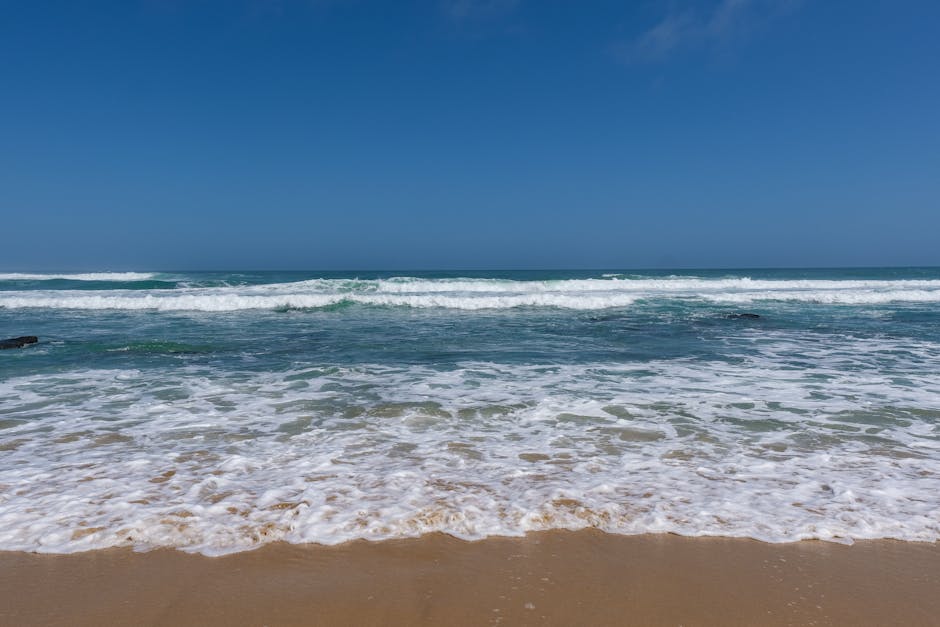
Beach destinations consistently rank among the most popular vacation choices worldwide. The combination of sun, sand, and sea offers a natural escape from daily routines, promoting relaxation, adventure, and connection with nature. For many travelers, beaches provide the ideal setting for swimming, sunbathing, water sports, and simply unwinding with a view of the horizon. Unlike urban or mountain trips, beach vacations often require minimal planning and can accommodate a wide range of interests—from family-friendly resorts to secluded retreats for couples.
Beyond leisure, coastal environments support unique ecosystems and local cultures shaped by maritime traditions. Visiting responsibly means respecting marine life, supporting sustainable tourism, and choosing accommodations that minimize environmental impact. A well-planned beach trip balances enjoyment with awareness, ensuring that these natural treasures remain accessible for future generations.

Top Beach Destinations Around the World
Choosing the right beach destination depends on your preferences: tropical warmth, cultural experiences, water clarity, or accessibility. Below are standout locations that consistently satisfy beach lovers, each offering distinct advantages.
Maldives: Luxury and Seclusion
The Maldives is synonymous with overwater bungalows, crystal-clear lagoons, and vibrant coral reefs. Located in the Indian Ocean, this island nation is ideal for honeymooners and travelers seeking privacy. Resorts often include private beaches, spa services, and direct access to snorkeling and diving sites. While luxury dominates the scene, guesthouses on local islands offer more affordable options for budget-conscious visitors.
Best time to visit: November to April (dry season). Avoid the monsoon months from May to October, when rain and rough seas are common.
Bali, Indonesia: Culture Meets Coast
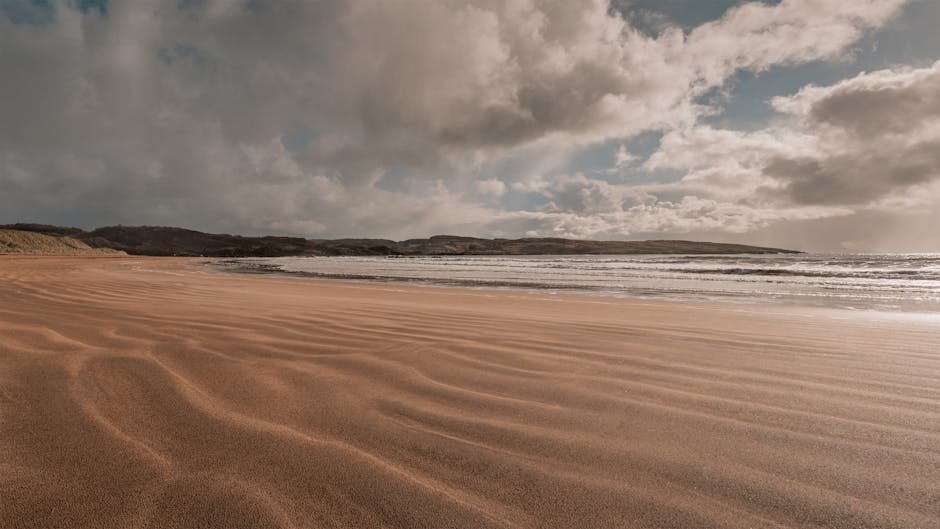
Bali blends stunning beaches with rich Hindu culture, lush rice terraces, and vibrant nightlife. Seminyak and Canggu attract surfers and digital nomads, while Uluwatu offers dramatic cliffside views and world-class waves. For a quieter experience, head to Nusa Penida or the northern coast near Lovina.
Bali’s beaches vary widely—some have soft white sand, others volcanic black. Be mindful of strong currents at certain surf spots, and always check local conditions before entering the water.
Santorini, Greece: Iconic Views and Sunsets
While Santorini is best known for its whitewashed buildings and sunset views over the Aegean Sea, it also boasts unique beaches. Red Beach, with its iron-rich cliffs and red volcanic sand, and Perissa Beach, with its black pebbles and clear waters, are popular choices. The island’s beaches are often rocky or pebbled, so water shoes are recommended.
Peak season (June–August) brings crowds and higher prices. Consider visiting in late spring or early autumn for better weather and fewer tourists.
Hawaii, USA: Diverse Coastlines and Adventure
Hawaii offers a variety of beach experiences across its islands. Waikiki Beach in Oahu is perfect for beginners and families, while the North Shore is famous for massive winter waves. Maui’s Kaanapali Beach provides snorkeling, cliff jumping, and sunset views. On the Big Island, Punalu’u Black Sand Beach is home to sea turtles and volcanic landscapes.
Respect local customs and ocean safety. Rip currents are common, and lifeguards are not present at all beaches. Always heed warning signs and swim near patrol stations when possible.
Gold Coast, Australia: Surf and Sand
Stretching along Queensland’s coast, the Gold Coast is a haven for surfers, families, and theme park enthusiasts. Surfers Paradise offers high-rise resorts and lively entertainment, while Burleigh Heads provides a more relaxed vibe with excellent surf breaks and coastal walks. The region enjoys warm weather year-round, though summer (December–February) can be hot and humid.
Marine stingers (jellyfish) are a concern during summer months. Swim only in netted enclosures and wear stinger suits if advised.
How to Choose the Right Beach Destination
With countless options available, narrowing down your choice requires considering several factors. Use the following checklist to guide your decision:
- Climate and Season: Research average temperatures, rainfall, and hurricane risks. Tropical destinations may have wet and dry seasons, while Mediterranean beaches are best in late spring and early fall.
- Travel Budget: Include flights, accommodations, meals, activities, and local transportation. All-inclusive resorts can simplify budgeting, while backpacking options reduce costs.
- Accessibility: Consider flight duration, visa requirements, and local infrastructure. Remote islands may require multiple transfers but offer greater solitude.
- Activities: Match the destination to your interests—snorkeling, surfing, kayaking, or simply relaxing. Some beaches are better suited for water sports than others.
- Safety and Health: Check travel advisories, water quality reports, and availability of medical facilities. Sun protection and hydration are essential in tropical climates.
For example, a family with young children might prioritize calm waters, lifeguard presence, and nearby amenities—making destinations like Florida’s Gulf Coast or Spain’s Costa del Sol strong contenders. In contrast, adventure seekers may prefer destinations with strong waves, coral reefs, or hiking trails, such as Costa Rica’s Pacific coast or New Zealand’s Abel Tasman National Park.
Essential Packing List for Beach Travel
Efficient packing ensures you’re prepared without overloading your luggage. Focus on sun protection, comfort, and practicality. Here’s a curated list of must-have items:
- Sun Protection: Broad-spectrum SPF 30+ sunscreen, lip balm with SPF, wide-brimmed hat, UV-blocking sunglasses, and rash guard or cover-up.
- Footwear: Sandals with good grip, water shoes for rocky or coral-filled beaches, and comfortable walking shoes for exploring.
- Beach Gear: Quick-dry towel, reusable water bottle, waterproof phone case, beach bag, and portable shade (umbrella or pop-up tent).
- Swimwear: Pack at least two swimsuits so one can dry while you wear the other.
- Clothing: Lightweight, breathable fabrics like cotton or linen. Include long sleeves for sun protection and a light jacket for cooler evenings.
- Electronics: Power bank, waterproof camera or GoPro, and adapters if traveling internationally.
- Health and Safety: First-aid kit, insect repellent, hand sanitizer, and any personal medications.
Avoid packing unnecessary items like bulky books or excessive jewelry. Instead, opt for e-books and minimal accessories. Roll clothes to save space and use packing cubes to stay organized.
Beach Travel Tips for a Smooth Experience
A successful beach vacation hinges on preparation and awareness. Follow these practical tips to avoid common pitfalls:
- Arrive Early: Popular beaches fill up quickly, especially on weekends and holidays. Arriving by 9 a.m. ensures better parking and prime spots.
- Stay Hydrated: Saltwater and sun exposure increase dehydration risk. Drink water regularly, even if you don’t feel thirsty.
- Reef-Safe Sunscreen: Choose mineral-based sunscreens (with zinc oxide or titanium dioxide) to protect coral reefs from harmful chemicals like oxybenzone.
- Respect Wildlife: Do not touch or feed marine animals. Keep a safe distance from sea turtles, birds, and coral formations.
- Leave No Trace: Pack out all trash, including food wrappers and cigarette butts. Use designated bins or carry a small bag for waste.
- Check Tide Times: Tides affect swimming conditions, beach access, and tide pool exploration. Use local apps or signage for updates.
- Secure Valuables: Use hotel safes or portable locks. Avoid leaving phones, wallets, or cameras unattended on the sand.
One often-overlooked tip: apply sunscreen 15–30 minutes before sun exposure and reapply every two hours—or immediately after swimming or sweating. Many travelers underestimate UV intensity near water, which reflects sunlight and increases burn risk.
Comparing Beach Types: What to Expect
Not all beaches are the same. Understanding the differences helps you choose the right environment for your trip. Below is a comparison of common beach types:
| Beach Type | Best For | Typical Features | Examples |
|---|---|---|---|
| White Sand | Relaxation, photography, families | Soft texture, bright appearance, often tropical | Maldives, Bahamas, Seychelles |
| Black Sand | Unique scenery, photography, geothermal areas | Volcanic origin, retains heat, dramatic contrast | Hawaii, Iceland, Santorini |
| Pebble | Clear water, scenic views, fewer insects | Smooth stones, cooler surface, common in Mediterranean | Nice, Croatia, Greece |
| Rocky/Cove | Snorkeling, diving, solitude | Sheltered waters, rich marine life, limited access | California coast, Amalfi Coast, New Zealand |
Each type offers a different experience. White sand beaches are gentle on feet and ideal for lounging, while black sand beaches create striking photo backdrops. Pebble beaches often have clearer water due to natural filtration, and rocky coves provide excellent snorkeling with minimal crowds.
Sustainable Beach Travel Practices
As tourism grows, so does the impact on coastal ecosystems. Responsible travel ensures beaches remain beautiful and functional for years to come. Here’s how to minimize your footprint:
- Support Local Businesses: Eat at family-run restaurants, hire local guides, and buy souvenirs from artisans rather than mass-produced chains.
- Choose Eco-Friendly Accommodations: Look for hotels with green certifications, solar power, water conservation, and waste reduction programs.
- Avoid Single-Use Plastics: Bring reusable bags, straws, and containers. Many destinations now ban plastic straws and bags.
- Participate in Cleanups: Join local beach cleanup events or organize one with fellow travelers. Even small efforts make a difference.
- Use Public Transport or Bike: Reduce emissions by walking, biking, or using shuttles instead of renting cars.
For example, in Thailand, some islands have implemented “no plastic” policies and charge fees for single-use items. Travelers who adapt quickly contribute to broader conservation efforts.
Beach Safety: What You Need to Know
While beaches are generally safe, hazards exist—especially in unfamiliar locations. Being informed can prevent accidents and ensure a stress-free trip.
- Rip Currents: These powerful channels of water can pull swimmers away from shore. If caught, don’t fight it. Swim parallel to the shore until free, then swim back at an angle.
- Sun Exposure: UV rays are strongest between 10 a.m. and 4 p.m. Seek shade during peak hours and wear protective clothing.
- Marine Life: Watch for jellyfish, sea urchins, and sharp coral. Shuffle your feet when walking in shallow water to avoid stepping on stingrays.
- Water Quality: Avoid swimming after heavy rain, which can wash pollutants into the ocean. Check local advisories for bacteria levels.
- Alcohol and Swimming: Never swim under the influence. Alcohol impairs judgment and increases drowning risk.
Always inform someone of your plans if heading to a remote beach. Carry a whistle or signaling device in case of emergency.
Final Thoughts on Your Beach Adventure
A well-planned beach trip combines relaxation, adventure, and respect for nature. This travel guide for beach lovers offers a roadmap to choosing the right destination, packing smart, and traveling responsibly. Whether you’re lounging on a tropical shore or exploring hidden coves, the key is preparation and mindfulness. With the right mindset and tools, your next beach vacation can be both enjoyable and sustainable.
FAQ
What should I pack for a week-long beach vacation?
Focus on sun protection, lightweight clothing, swimwear, water shoes, a reusable water bottle, and a waterproof phone case. Don’t forget sunscreen, a hat, and a quick-dry towel. Pack light to avoid excess baggage fees.
How can I avoid sunburn while at the beach?
Apply broad-spectrum SPF 30+ sunscreen 30 minutes before sun exposure and reapply every two hours. Wear a wide-brimmed hat, UV-blocking sunglasses, and a rash guard. Seek shade during peak UV hours (10 a.m. to 4 p.m.).
Are there eco-friendly beach destinations I should consider?
Yes. Destinations like Costa Rica, Palau, and the Azores prioritize sustainability through protected marine areas, eco-certified lodges, and community-based tourism. Look for places with strong conservation policies and low-impact travel options.

