

Travel Guide for Nature Lovers: Top Destinations & Tips
Travel Guide for Nature Lovers: Top Destinations & Tips
For those who find peace in forests, thrill in mountain peaks, and wonder in untouched coastlines, a travel guide for nature lovers is essential. Whether you’re planning your first eco-adventure or your tenth, this guide delivers practical advice, handpicked destinations, and responsible travel tips to help you explore the natural world with purpose and care. From national parks to remote trails, we cover where to go, what to bring, and how to travel sustainably—so you can enjoy nature without leaving a trace.

Why Nature Travel Matters
Nature travel isn’t just about scenic views—it’s a chance to reconnect with the planet and support conservation efforts. Immersing yourself in natural environments has been shown to reduce stress, improve mental clarity, and foster a deeper appreciation for biodiversity. But with increasing tourism comes the risk of environmental degradation. That’s why responsible travel practices are more important than ever.
By choosing eco-friendly accommodations, sticking to marked trails, and respecting wildlife, travelers can help preserve fragile ecosystems. This guide emphasizes low-impact exploration, helping you enjoy nature while protecting it for future generations.
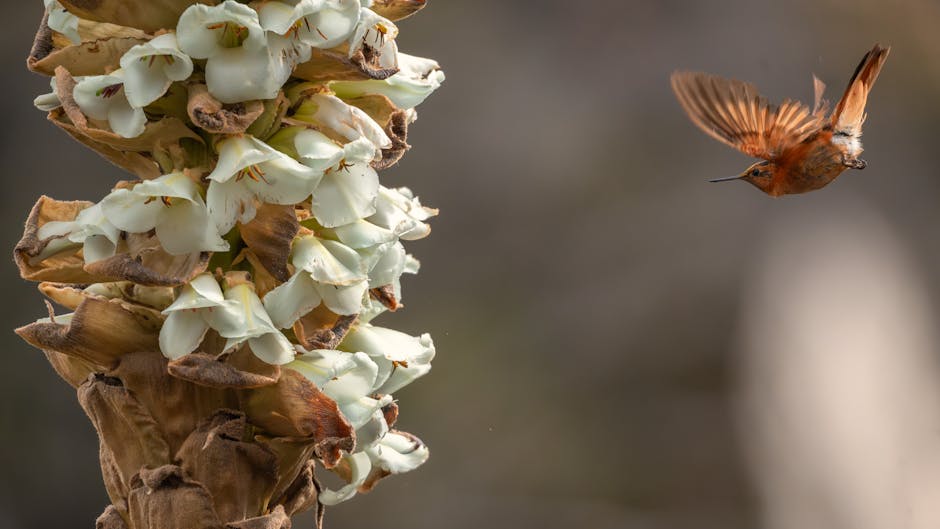
Top Nature Destinations Around the World
From tropical rainforests to arctic tundras, the planet offers countless destinations for nature enthusiasts. Below are five standout locations that combine natural beauty, accessibility, and conservation-minded tourism.
1. Banff National Park, Canada
Nestled in the Canadian Rockies, Banff is a haven for hikers, photographers, and wildlife watchers. With over 1,600 kilometers of trails, glacial lakes like Lake Louise, and frequent sightings of elk, bears, and bighorn sheep, it’s a must-visit for alpine lovers. Visit in late spring or early fall to avoid crowds and enjoy mild weather.
2. Patagonia, Chile & Argentina
Spanning the southern tip of South America, Patagonia offers dramatic landscapes—towering granite peaks, vast grasslands, and icy glaciers. Torres del Paine National Park in Chile and Los Glaciares National Park in Argentina are prime spots for trekking and wildlife observation. Be prepared for unpredictable weather and pack layers.
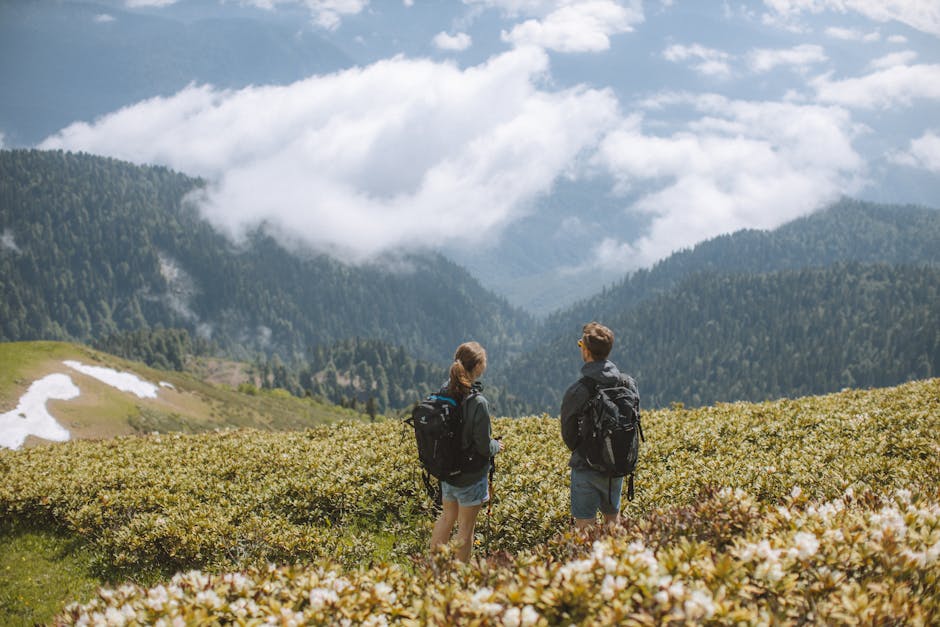
3. Fiordland National Park, New Zealand
Home to Milford Sound and Doubtful Sound, Fiordland is a UNESCO World Heritage site known for its deep fjords, waterfalls, and lush rainforests. Kayaking through the fjords offers intimate views of seals, penguins, and rare birds. The best time to visit is during New Zealand’s summer (December to February).
4. Serengeti National Park, Tanzania
For a true wildlife experience, the Serengeti delivers. This vast savanna is famous for the annual wildebeest migration, but it’s also home to lions, elephants, and cheetahs year-round. Opt for a guided safari with a local operator that supports community conservation.
5. Olympic National Park, USA
Located in Washington State, Olympic National Park is one of the few places where you can hike in temperate rainforests, climb alpine ridges, and walk coastal beaches—all in a single day. The Hoh Rain Forest and Hurricane Ridge are standout areas for first-time visitors.
Essential Gear for Nature Travel
Packing the right gear ensures safety, comfort, and minimal environmental impact. Here’s a checklist of essentials for most nature-focused trips:
- Footwear: Sturdy, broken-in hiking boots with ankle support
- Clothing: Moisture-wicking layers, rain jacket, sun hat
- Navigation: Topographic map, compass, and GPS device (don’t rely solely on phone apps)
- Hydration: Reusable water bottle and filtration system
- Shelter: Lightweight tent or tarp if camping
- First Aid: Compact kit with bandages, antiseptic, and any personal medications
- Leave-No-Trace Tools: Biodegradable soap, trash bags, and a trowel for catholes
Always tailor your gear to the specific environment—desert hikes require sun protection and extra water, while alpine trips demand insulated clothing and avalanche safety equipment.
How to Travel Sustainably in Nature
Sustainable travel means minimizing your environmental footprint while maximizing positive impacts on local communities. Follow these principles:
- Stick to designated trails: Prevent soil erosion and protect plant life by staying on marked paths.
- Pack out all trash: Even biodegradable items like fruit peels can disrupt local ecosystems.
- Avoid single-use plastics: Use reusable containers for food and water.
- Respect wildlife: Observe animals from a distance and never feed them.
- Support local economies: Choose locally owned lodges, guides, and tour operators.
- Offset your carbon footprint: Consider carbon offset programs for flights and long drives.
Many parks now require permits or limit daily visitors to reduce overcrowding. Always check regulations in advance and book early during peak seasons.
Planning Your Nature Adventure: A Step-by-Step Approach
Good preparation turns a good trip into a great one. Use this simple framework to plan your next nature getaway:
- Define your goals: Are you seeking solitude, wildlife, photography, or physical challenge?
- Choose a destination: Match your goals with a location that fits your skill level and travel time.
- Research conditions: Check seasonal weather, trail closures, and wildlife activity.
- Book accommodations and permits: Reserve campsites or lodges well in advance, especially in popular parks.
- Prepare your gear: Test equipment before departure and pack light.
- Inform someone of your plans: Share your itinerary and expected return time with a trusted contact.
- Review emergency procedures: Know how to signal for help and what to do in case of injury or weather changes.
Even day hikes benefit from this level of planning. A sudden storm or injury can turn a simple outing into a dangerous situation without proper preparation.
Wildlife Safety: What to Know Before You Go
Encountering wildlife is one of the most thrilling aspects of nature travel—but it comes with responsibility. Different animals require different responses:
Bears (Black and Grizzly)
Make noise while hiking to avoid surprising bears. Carry bear spray and know how to use it. Store food in bear-proof containers or hang it properly. If you encounter a bear, stay calm, speak firmly, and back away slowly—never run.
Mountain Lions
These elusive predators usually avoid humans, but if you see one, make yourself appear larger, maintain eye contact, and speak loudly. Keep children close. Do not crouch or turn your back.
Snakes and Insects
Watch where you step and place your hands. Use insect repellent and wear long sleeves in tick-prone areas. Learn to identify venomous species in your destination.
Remember: wildlife is not entertainment. Feeding animals alters their behavior and can lead to dangerous encounters. Always observe from a safe distance using binoculars or a zoom lens.
Seasonal Considerations for Nature Travel
The best time to visit a natural destination depends on your interests and tolerance for weather extremes. Here’s a quick comparison of seasonal advantages:
| Season | Pros | Cons | Best For |
|---|---|---|---|
| Spring | Mild temperatures, blooming flora, fewer crowds | Unpredictable weather, muddy trails | Wildflower viewing, birdwatching |
| Summer | Long daylight hours, accessible trails, peak wildlife activity | Crowds, higher prices, heat in low elevations | Hiking, camping, family trips |
| Fall | Cool weather, autumn colors, fewer tourists | Shorter days, early snow in mountains | Photography, solitude, foliage |
| Winter | Snow-covered landscapes, unique wildlife sightings | Limited access, extreme cold, shorter daylight | Skiing, snowshoeing, aurora viewing |
Shoulder seasons—spring and fall—often offer the best balance of good weather and manageable crowds. Winter travel requires specialized gear and planning, especially in remote areas.
Eco-Friendly Accommodations: Where to Stay
Where you sleep can reflect your commitment to sustainable travel. Look for accommodations with eco-certifications or clear environmental policies. Options include:
- Eco-lodges: Often built with local materials and powered by renewable energy
- National park campgrounds: Low-impact and immersive, with fees supporting park maintenance
- Certified green hotels: Check for certifications like LEED, Green Key, or EarthCheck
- Homestays with local families: Supports community income and cultural exchange
Avoid large resort chains that consume excessive resources unless they have verifiable sustainability practices. When camping, use established sites to minimize land disturbance.
Photography Tips for Nature Lovers
Capturing the beauty of nature enhances the travel experience—but it should never come at the expense of the environment. Follow these guidelines:
- Use a telephoto lens: Get close-up shots without disturbing wildlife
- Avoid drones: Many parks ban them due to noise and disturbance
- Respect nesting areas: Stay far from birds during breeding season
- Leave natural objects in place: Don’t move rocks or plants for a better shot
- Shoot during golden hours: Early morning and late afternoon light enhance landscapes
Remember: the best photos come from patience and respect, not intrusion.
Common Mistakes to Avoid
Even experienced travelers make errors that can compromise safety or harm the environment. Watch out for these common pitfalls:
- Underestimating the terrain: Trails may look easy on a map but involve steep climbs or river crossings
- Ignoring weather forecasts: Mountain weather changes rapidly—always check conditions
- Overpacking: Extra weight slows you down and increases fatigue
- Disregarding local customs: In indigenous or rural areas, ask before photographing people or entering sacred sites
- Using loud music or voices: Noise disrupts wildlife and other visitors
A little humility and preparation go a long way in ensuring a safe and respectful journey.
Final Thoughts on Nature Travel
A well-planned travel guide for nature lovers balances adventure with responsibility. The goal isn’t just to see beautiful places—it’s to experience them deeply while leaving them intact. Whether you’re trekking through a rainforest, paddling a quiet lake, or watching the sunrise over a mountain range, your actions shape the future of these spaces.
By choosing sustainable practices, respecting wildlife, and preparing thoroughly, you become part of a global movement to protect the planet’s natural wonders. Start small, stay curious, and let nature guide your journey.
FAQ
What should I pack for a week-long nature trip?
Pack lightweight, moisture-wicking clothing, a reliable tent or shelter, a water filter, first aid kit, navigation tools, and enough food for your trip plus one extra day. Adjust based on climate and activity level.
How can I find lesser-known nature destinations?
Research regional parks, state forests, or conservation areas instead of national parks. Use resources like local tourism boards, hiking forums, and apps like AllTrails to discover hidden gems with fewer crowds.
Is it safe to travel alone in nature?
Solo travel is possible with proper preparation. Always share your itinerary, carry emergency communication devices (like a satellite messenger), and choose well-marked trails. Begin with shorter trips to build confidence.
Related keywords: Travel Guide for Nature Lovers Guide.

