
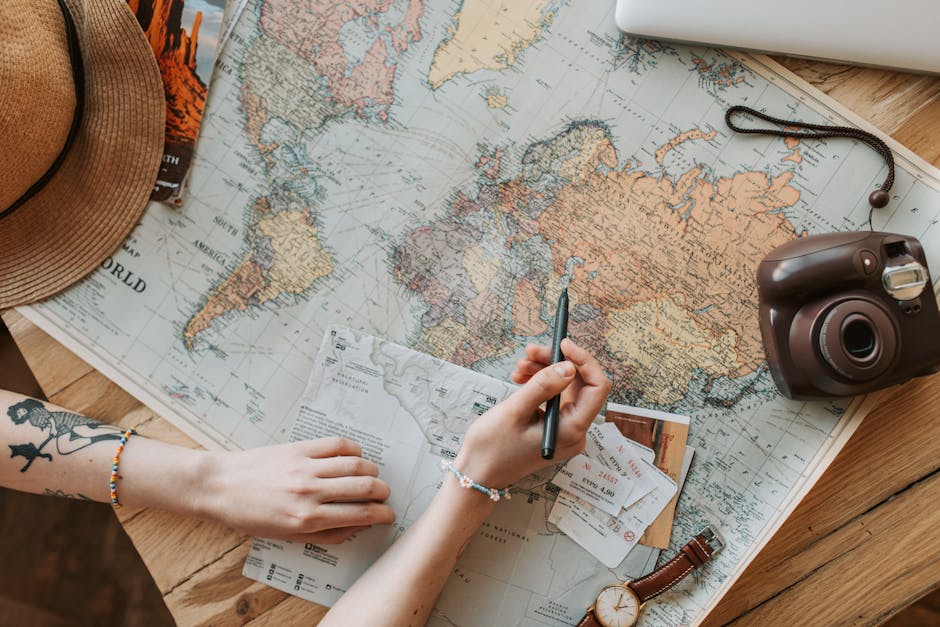
Travel Checklist Before You Travel Guide
Travel Checklist Before You Travel Guide
Planning a trip can be exciting, but it’s easy to overlook critical details in the rush to pack and leave. A reliable travel checklist before you travel ensures you’re fully prepared—covering documents, health, packing, and logistics. This guide walks you through every essential step, from confirming your passport validity to setting up travel alerts, so you can focus on enjoying your journey instead of scrambling at the last minute. Whether you’re heading out for a weekend getaway or a month-long international adventure, this checklist will help you travel smarter and safer.

Why a Travel Checklist Before You Travel Matters
Travel disruptions often stem from preventable oversights—missing documents, expired medications, or unplanned currency needs. A structured checklist reduces stress, saves time, and helps avoid costly mistakes. For example, forgetting to notify your bank of travel plans could result in your card being blocked mid-trip. Similarly, arriving at the airport without a valid visa or proof of return travel can lead to denied boarding. By using a comprehensive travel checklist before you travel, you systematically address these risks before departure.
Essential Documents and Legal Requirements
Your travel documents are your most important assets. Without them, even the best-planned trip can fall apart. Start by verifying the following at least six weeks before departure:

- Passport: Must be valid for at least six months beyond your return date for most international destinations. Check for blank pages if visas are required.
- Visas: Research visa requirements based on your nationality and destination. Some countries offer visa-on-arrival, while others require advance applications.
- Travel Insurance: Confirm coverage includes medical emergencies, trip cancellations, and lost luggage. Keep digital and printed copies of your policy.
- Flight and Accommodation Confirmations: Save electronic copies on your phone and email, and print backups.
- Driver’s License and International Permit: Required if you plan to rent a car abroad. An International Driving Permit (IDP) is recognized in over 150 countries.
- Vaccination Records: Some destinations require proof of vaccination (e.g., yellow fever). Carry an official International Certificate of Vaccination if applicable.
Store digital copies in a secure cloud service and carry physical copies in a waterproof travel document organizer. Never rely solely on your phone—battery failure or loss could leave you stranded.
Health and Medication Preparations
Your health should be a top priority before departure. Start preparations early to allow time for vaccinations or prescription refills.
- Consult Your Doctor: Schedule a travel health consultation 4–6 weeks before your trip. Discuss destination-specific risks like malaria, altitude sickness, or foodborne illnesses.
- Prescription Medications: Pack a two-week supply in original containers with clear labels. Include a doctor’s note if carrying controlled substances.
- Over-the-Counter Essentials: Bring pain relievers, antihistamines, anti-diarrheal medication, and rehydration salts.
- First Aid Kit: Include bandages, antiseptic wipes, tweezers, and blister treatment. Compact kits are available at pharmacies or online.
- Sun and Insect Protection: Pack high-SPF sunscreen and DEET-based repellent, especially for tropical destinations.
Check the Centers for Disease Control and Prevention (CDC) or World Health Organization (WHO) websites for destination-specific health advisories. Some countries require proof of vaccination for entry.

Packing Smart: What to Bring and What to Leave Behind
Packing efficiently saves space, reduces baggage fees, and prevents last-minute stress. Use the “roll, don’t fold” method to maximize suitcase space and minimize wrinkles.
Clothing and Personal Items
- Pack versatile, mix-and-match outfits suitable for the climate and activities.
- Include one formal outfit if dining at upscale restaurants or attending events.
- Bring a lightweight rain jacket or travel umbrella.
- Pack undergarments and socks for each day, plus 1–2 extras.
- Don’t forget sleepwear, a swimsuit (if applicable), and comfortable walking shoes.
Electronics and Accessories
- Smartphone and charger
- Portable power bank (check airline restrictions on capacity)
- Universal travel adapter (check plug types for your destination)
- Camera and memory cards (if not using your phone)
- Headphones or earbuds
- Laptop or tablet (if needed for work or entertainment)
Avoid overpacking by using packing cubes to organize items. Roll clothes instead of folding to save space and reduce creasing. Leave expensive jewelry and unnecessary electronics at home to minimize theft risk.
Financial and Communication Setup
Managing money and staying connected are crucial for a smooth trip. Take these steps at least one week before departure:
- Notify Your Bank: Inform your bank and credit card companies of your travel dates and destinations to prevent card blocks.
- Check Foreign Transaction Fees: Use cards with no foreign transaction fees. Consider a travel-friendly credit card for better exchange rates.
- Withdraw Local Currency: Get a small amount of cash before departure for immediate needs like transportation or tips.
- Download Offline Maps: Use Google Maps or Maps.me to download maps of your destination for use without data.
- Activate International Plans: Check with your mobile provider about roaming packages or local SIM card options.
Carry a mix of payment methods—credit cards, debit cards, and cash. Keep emergency cash in a separate location, such as a hidden money belt.
Home and Security Preparations
Securing your home prevents theft and gives you peace of mind while away.
- Stop Mail Delivery: Use a mail hold service through your postal provider or ask a trusted neighbor to collect it.
- Unplug Electronics: Prevent power surges and reduce energy use by unplugging non-essential devices.
- Adjust Thermostat: Set your thermostat to an energy-saving mode. In winter, keep it above freezing to prevent pipe damage.
- Arrange Pet or Plant Care: Hire a pet sitter or ask a friend to check on plants and pets regularly.
- Secure Doors and Windows: Double-check locks and consider installing timers on lights to simulate occupancy.
If you’re traveling for an extended period, consider using a smart home system to monitor security cameras or receive alerts.
Final 48 Hours: Last-Minute Checklist
In the final two days before departure, focus on final confirmations and last-minute tasks:
- Reconfirm flight times and check for delays or gate changes.
- Check the weather forecast and adjust packing if needed.
- Charge all devices and pack chargers in your carry-on.
- Print boarding passes or save them to your phone’s wallet app.
- Pack a change of clothes, medications, and essential toiletries in your carry-on in case of lost luggage.
- Double-check that your passport, tickets, and wallet are in your travel bag.
- Set multiple alarms to ensure you wake up on time.
Avoid scheduling important tasks on the day of travel. Allow extra time for traffic, security lines, and unexpected delays.
Airport and Departure Day Tips
Arrive at the airport at least two hours before domestic flights and three hours before international flights. Use this time wisely:
- Use mobile check-in to save time.
- Keep your ID and boarding pass easily accessible.
- Remove liquids and electronics from your bag during security screening.
- Stay hydrated and move around during layovers to reduce jet lag.
- Download entertainment or work files in advance for offline use.
If traveling with children or elderly passengers, arrive even earlier to accommodate additional needs.
Travel Checklist Comparison: Print vs. Digital
Many travelers wonder whether to use a printed checklist or a digital one. Each has advantages depending on your travel style and preferences.
| Feature | Printed Checklist | Digital Checklist (App/PDF) |
|---|---|---|
| Accessibility | Always available, no battery needed | Requires device and power |
| Customization | Fixed content unless manually edited | Editable and shareable |
| Portability | Lightweight but can be lost | Stored on phone or tablet |
| Eco-Friendliness | Uses paper | Paperless and sustainable |
| Backup Options | No automatic backup | Cloud sync available |
For most travelers, a hybrid approach works best—use a digital checklist for planning and keep a printed copy as a backup.
Common Mistakes to Avoid
Even experienced travelers make errors. Watch out for these common pitfalls:
- Ignoring Visa Rules: Assume visa-free entry at your peril. Always verify requirements based on your passport.
- Packing Prohibited Items: Check airline and customs restrictions on liquids, sharp objects, and electronics.
- Overlooking Time Zone Changes: Adjust your schedule gradually before departure to reduce jet lag.
- Forgetting to Backup Photos: Upload photos to the cloud or an external drive daily to prevent loss.
- Not Researching Local Customs: Learn basic etiquette, tipping norms, and dress codes to show respect and avoid offense.
Taking time to research and prepare prevents small mistakes from becoming major disruptions.
Conclusion
A thorough travel checklist before you travel is your best defense against stress, delays, and unexpected problems. By covering documents, health, packing, finances, and home security, you ensure a smooth and enjoyable journey. Start your preparations early, use tools that fit your style, and always double-check critical items like passports and visas. With this guide, you’re equipped to travel with confidence—whether you’re exploring a new city or relaxing on a tropical beach.
FAQ
How far in advance should I start my travel checklist?
Begin at least 6–8 weeks before departure for international trips. This allows time for visa processing, vaccinations, and booking confirmations. For domestic trips, 2–3 weeks is usually sufficient.
What should I pack in my carry-on bag?
Your carry-on should include medications, a change of clothes, toiletries, electronics, chargers, travel documents, and valuables. This ensures you’re prepared if your checked luggage is delayed or lost.
Do I need travel insurance for every trip?
Yes, especially for international travel. Travel insurance covers medical emergencies, trip cancellations, and lost belongings. Even for short trips, it provides financial protection against unexpected events.

