

Travel Safety Tips for International Travelers
Travel Safety Tips for International Travelers
International travel opens doors to new cultures, breathtaking landscapes, and unforgettable experiences—but it also comes with unique risks. Whether you’re heading to a bustling city in Southeast Asia, a remote village in South America, or a historic European capital, staying safe requires preparation, awareness, and smart habits. This guide covers essential travel safety tips for international travelers, from pre-trip planning to on-the-ground precautions, so you can explore confidently and return home safely.
Before You Go: Essential Pre-Travel Safety Steps
Smart travel begins long before you board the plane. Taking time to prepare can prevent many common issues and give you peace of mind while abroad.
Research Your Destination
Not all countries pose the same risks. Start by reviewing official government travel advisories. The U.S. Department of State, UK Foreign Office, and similar agencies provide up-to-date information on safety, health, and political conditions. Look for alerts about civil unrest, natural disasters, crime hotspots, or health outbreaks.
Beyond official sources, read recent traveler reviews on platforms like TripAdvisor or Lonely Planet forums. Real-world experiences often highlight practical concerns—like pickpocketing in certain metro stations or unreliable taxi services—that aren’t always covered in formal advisories.
Register Your Trip
Many governments offer free registration services for citizens traveling abroad. In the U.S., enroll in the Smart Traveler Enrollment Program (STEP). This allows your embassy to contact you in case of emergencies, natural disasters, or civil unrest. It also helps them locate and assist you if needed.
Make Copies of Important Documents
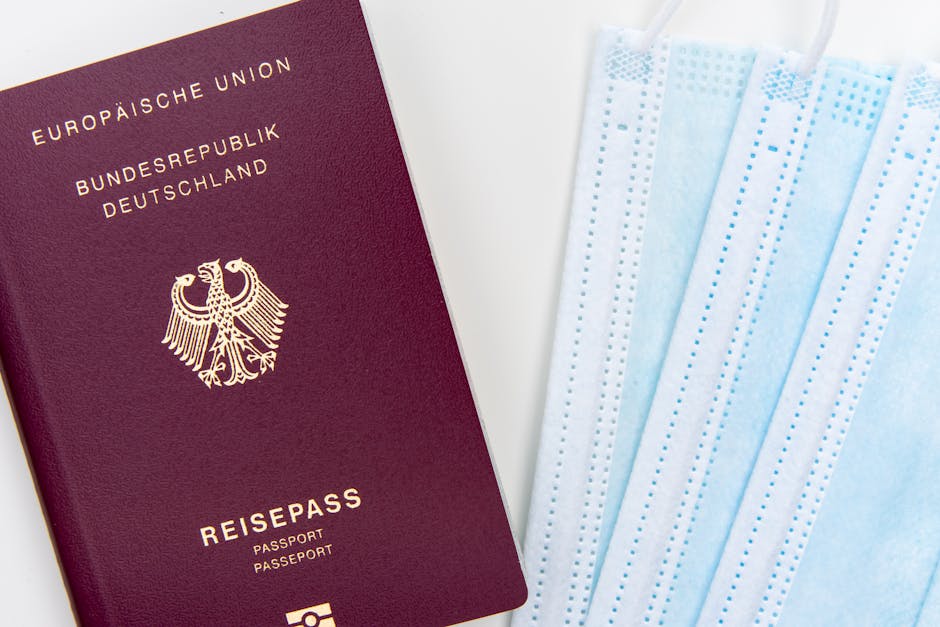
Always carry physical and digital copies of your passport, visa, travel insurance policy, and emergency contacts. Store digital copies in a secure cloud service like Google Drive or iCloud, and share access with a trusted friend or family member. Keep the originals in a hotel safe when possible.
Get Comprehensive Travel Insurance
Medical emergencies abroad can be extremely costly. Standard health insurance often doesn’t cover international treatment. Purchase a policy that includes medical evacuation, trip cancellation, and coverage for high-risk activities if applicable. Read the fine print—some policies exclude certain countries or activities like scuba diving or hiking above a certain altitude.
Check Vaccination and Health Requirements
Some countries require proof of vaccination for entry, such as yellow fever for parts of Africa and South America. Visit a travel clinic 4–6 weeks before departure to get recommended vaccines and medications. Carry a basic first-aid kit with pain relievers, antiseptic wipes, motion sickness tablets, and any prescription medications in their original containers.
Staying Safe While Abroad: Daily Precautions
Once you arrive, your daily habits play a major role in your safety. Small, consistent actions can significantly reduce your risk of theft, scams, or accidents.
Blend In and Avoid Drawing Attention
Tourists are often targeted because they stand out. Dress modestly and appropriately for the local culture. Avoid flashy jewelry, expensive watches, or brand-name clothing that signals wealth. Carry a nondescript backpack instead of a designer bag.
Learn a few basic phrases in the local language. Saying “hello,” “thank you,” and “excuse me” in the local tongue shows respect and can help you connect with locals who may offer helpful advice or assistance.
Use Reliable Transportation
Public transit is generally safe in many countries, but be cautious during off-hours or in less touristy areas. In cities like Bangkok, Mexico City, or Rio de Janeiro, use official taxis or ride-hailing apps like Uber or Bolt instead of hailing cabs on the street. Always confirm the driver knows your destination before getting in.
Avoid traveling at night in unfamiliar or high-crime areas. If you must, stay in well-lit, populated zones and avoid shortcuts through alleys or parks.
Secure Your Belongings
Theft is one of the most common issues for international travelers. Use a money belt or hidden pouch for cash, cards, and your passport. Keep your phone and wallet in front pockets, not back. In crowded markets, trains, or tourist sites, stay alert and keep bags zipped and close to your body.
At hotels, use the in-room safe for valuables. Never leave your luggage unattended, even for a moment. When checking in, ask for a room on the second to fourth floor—higher floors may be harder to access in an emergency, while ground floors can be more vulnerable to break-ins.
Be Cautious with Food and Water
Foodborne illness can ruin a trip. In regions with questionable water quality, drink only bottled or boiled water. Avoid ice in drinks, and be wary of raw fruits and vegetables that may have been washed in local water. Street food can be delicious and safe, but choose vendors with high turnover and clean preparation areas.
Pack oral rehydration salts and anti-diarrheal medication just in case. If you feel unwell, seek medical help promptly—especially in tropical climates where infections can escalate quickly.
Stay Connected and Share Your Plans
Keep your phone charged and consider purchasing a local SIM card for affordable data and calls. Share your daily itinerary with someone back home. Check in regularly, especially if you’re traveling solo or venturing into remote areas.
Download offline maps and translation apps. Google Maps works without internet if you download areas in advance. Google Translate can help with basic communication, even without a connection.
Handling Emergencies Abroad
Even with the best planning, emergencies can happen. Knowing how to respond can make a critical difference.
Know How to Contact Local Emergency Services
Emergency numbers vary by country. In most of Europe, dial 112. In Japan, it’s 110 for police and 119 for fire and medical. Save these numbers in your phone and write them down. If you’re in a remote area with no signal, ask a local business or hotel staff for help.
Contact Your Embassy or Consulate
If you lose your passport, are arrested, or face a serious medical issue, your country’s embassy is your best resource. They can issue emergency travel documents, provide legal referrals, and assist in communication with local authorities. Keep your embassy’s contact information easily accessible.
Trust Your Instincts
If a situation feels unsafe—whether it’s a person, a neighborhood, or a deal that seems too good to be true—leave. It’s better to be overly cautious than to risk your safety. Most scams rely on pressure or distraction, so walk away if you feel rushed or confused.
Technology and Digital Safety
Your digital footprint is as important as your physical safety when traveling.
Use Secure Wi-Fi and Avoid Public Networks
Public Wi-Fi in cafes, airports, and hotels is often unsecured and vulnerable to hacking. Avoid logging into banking sites or entering sensitive information while connected to open networks. Use a reputable virtual private network (VPN) to encrypt your data.
Enable Two-Factor Authentication
Protect your online accounts with two-factor authentication (2FA). This adds an extra layer of security, even if your password is compromised. Use an authenticator app like Google Authenticator instead of SMS-based codes, which can be intercepted.
Back Up Your Photos and Data
Upload photos and important documents to the cloud regularly. If your phone is lost or stolen, you won’t lose precious memories or essential files.
Cultural Awareness and Respect
Understanding local customs isn’t just polite—it’s a safety measure. Missteps can lead to misunderstandings, conflict, or even legal trouble.
Learn Local Laws and Social Norms
Laws vary widely between countries. In some places, photographing government buildings, public displays of affection, or even chewing gum is illegal. In the Middle East, dress codes are strict, and alcohol may be prohibited. In Southeast Asia, touching someone’s head or pointing your feet at people is considered disrespectful.
When in doubt, observe how locals behave and follow their lead. If you’re unsure about a custom, ask politely or avoid the action altogether.
Be Mindful of Political and Social Tensions
Avoid political demonstrations, even if they seem peaceful. Protests can escalate quickly, and foreigners may be detained or caught in crossfire. Stay informed about local news and follow advice from your embassy.
Travel Safety Tips for International Travelers: A Quick Comparison
Different destinations require different precautions. Below is a comparison of common risks and recommended actions for three popular regions.
| Region | Common Risks | Recommended Safety Actions |
|---|---|---|
| Western Europe | Pickpocketing in tourist areas, petty theft, scams targeting tourists | Use anti-theft bags, avoid flashing valuables, verify taxi meters, be cautious in crowded metros |
| Southeast Asia | Traffic accidents, food/waterborne illness, motorbike theft, dengue fever | Wear helmets on motorbikes, drink bottled water, use mosquito repellent, avoid raw food |
| Latin America | Street crime, taxi scams, political protests, natural disasters | Use registered taxis, avoid night travel in unsafe areas, monitor weather alerts, register with embassy |
Special Considerations for Solo and Female Travelers
Solo travelers, especially women, may face additional challenges. Extra precautions can help ensure a safe and empowering journey.
Choose Accommodations Wisely
Opt for well-reviewed hotels or hostels with 24-hour reception, secure locks, and female-friendly policies. Read recent guest reviews for mentions of safety, staff behavior, and location. Avoid ground-floor rooms and those near elevators or stairwells.
Limit Alcohol Consumption
Drinking in moderation is wise anywhere, but especially when alone. Never leave your drink unattended, and avoid accepting drinks from strangers. In some countries, alcohol can be spiked with drugs.
Use Technology to Stay Safe
Apps like bSafe or Noonlight allow you to share your location with trusted contacts and send emergency alerts with your GPS coordinates. Some apps even simulate a fake call to help you exit an uncomfortable situation.
Dress and Act Confidently
Projecting confidence can deter unwanted attention. Walk with purpose, avoid looking lost, and don’t engage with aggressive panhandlers or touts. If approached, say “no” firmly and keep moving.
Returning Home Safely
Your safety doesn’t end when you land back home. Take a few final steps to ensure a smooth transition.
Monitor Your Health
Some illnesses, like malaria or dengue, have delayed symptoms. See a doctor if you develop a fever, rash, or fatigue within weeks of returning, especially if you visited a tropical region.
Check Your Credit Card Statements
Review your financial statements for unauthorized charges. Notify your bank immediately if you suspect fraud.
Reflect and Share Your Experience
Consider writing a brief review of your trip, noting safety concerns or helpful tips. This can assist future travelers and contribute to a safer travel community.
Final Thoughts on Travel Safety
Travel safety tips for international travelers aren’t about fear—they’re about empowerment. By preparing thoroughly, staying aware, and respecting local cultures, you reduce risks and open yourself to richer, more authentic experiences. The world is vast and full of wonder, and with the right mindset and habits, you can explore it safely and confidently.
FAQ
What should I do if I lose my passport abroad?
Contact your country’s nearest embassy or consulate immediately. They can issue an emergency travel document. Bring a copy of your passport, proof of identity, and photos if possible. Report the loss to local police and keep a copy of the report.
Is it safe to use ATMs in foreign countries?
Use ATMs located inside banks or secure locations, not on quiet streets. Cover your hand when entering your PIN, and check for skimming devices. Withdraw larger amounts less frequently to minimize exposure.
How can I avoid tourist scams?
Be skeptical of unsolicited help, too-good-to-be-true deals, or people creating distractions. Research common scams for your destination beforehand. When in doubt, walk away or consult your hotel staff.

