
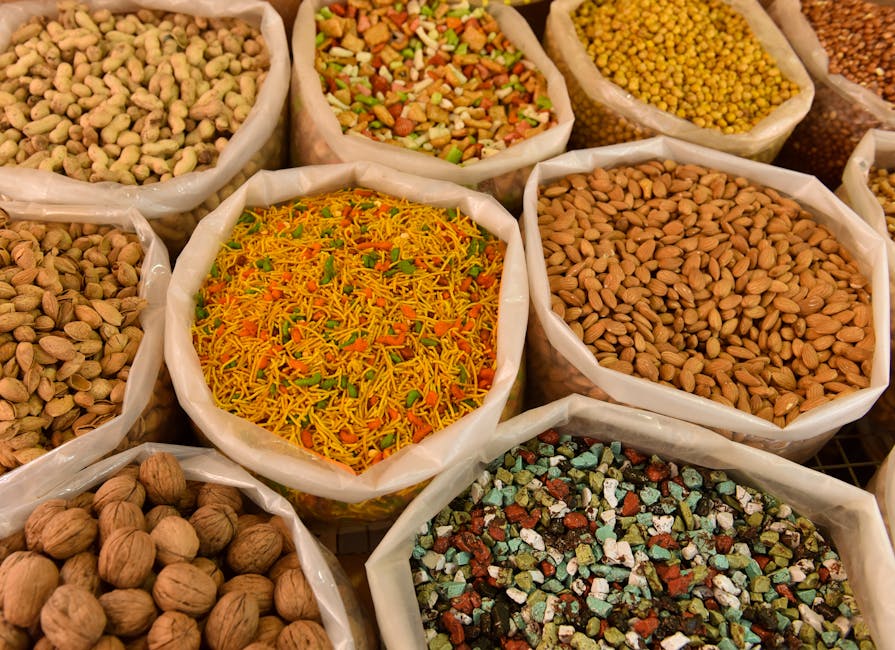
Best Food Markets Around the World Guide
{
“content_html”: “nnn n
Best Food Markets Around the World Guide
n
Exploring the best food markets around the world offers travelers and food lovers a chance to experience local flavors, traditions, and culinary craftsmanship. These vibrant hubs showcase regional specialties, fresh produce, and time-honored recipes, providing an authentic taste of a destination’s culture. From bustling street stalls in Bangkok to elegant covered markets in Europe, each location delivers a unique sensory journey. Whether you’re seeking exotic spices, artisanal cheeses, or street food delicacies, this guide highlights must-visit markets that stand out for their quality, variety, and cultural significance.
nn
Why Visit Food Markets When Traveling?
n
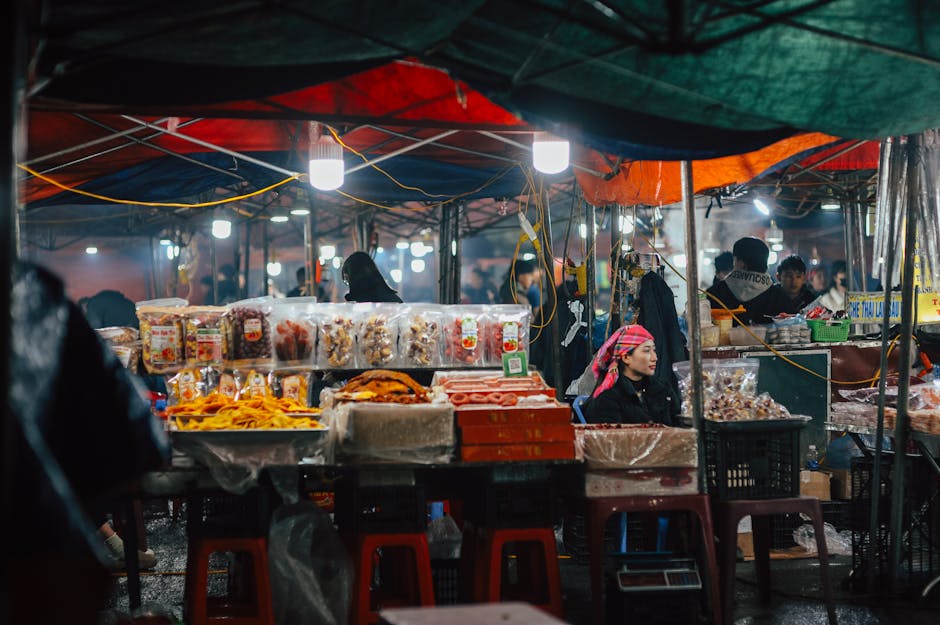
Food markets are more than just places to buy ingredients—they’re cultural crossroads where locals gather, chefs source inspiration, and visitors connect with the heart of a city. Unlike restaurants, markets reveal daily life through food: how people eat, what they value, and how traditions evolve. They offer affordable, high-quality meals, often prepared on the spot, and allow you to sample a wide range of dishes in one location. For travelers, markets provide insight into regional agriculture, seasonal rhythms, and culinary techniques passed down through generations.
nn
Benefits of Exploring Local Food Markets
n
- n
- Authentic flavors: Taste dishes made with local ingredients and traditional methods.
- Affordable dining: Enjoy gourmet-quality food at street-food prices.
- Cultural immersion: Observe daily routines, interact with vendors, and learn food histories.
- Supporting local economies: Your spending directly benefits small farmers, artisans, and family-run stalls.
- Seasonal and sustainable options: Many markets emphasize fresh, locally sourced, and seasonal produce.
n
n
n
n
n
nn
Top Food Markets by Region
n
Each continent hosts iconic markets that reflect its culinary identity. Below are standout destinations across major regions, selected for their reputation, variety, and visitor experience.
nn
Asia: A Feast of Flavors and Aromas
n
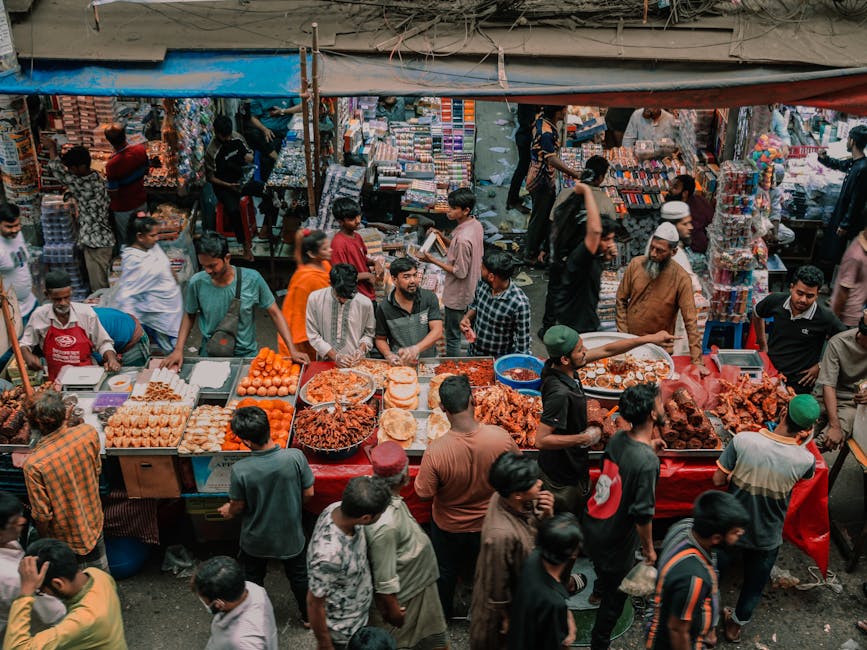
Asian food markets are renowned for their energy, diversity, and bold flavors. They often operate early in the morning or late into the night, catering to commuters, workers, and late-night diners.
nn
Chatuchak Weekend Market – Bangkok, Thailand
n
One of the largest markets in the world, Chatuchak spans over 35 acres and features more than 15,000 stalls. While known for clothing and antiques, its food section is a highlight. Vendors serve pad thai, mango sticky rice, grilled satay, and fresh coconut water. The market operates only on weekends, so plan accordingly. Arrive early to avoid crowds and heat, and bring cash—most vendors don’t accept cards.
nn
Tsukiji Outer Market – Tokyo, Japan
n
Although the famous inner wholesale market relocated to Toyosu, the Tsukiji Outer Market remains a culinary destination. It’s packed with small shops and eateries offering sushi, tamagoyaki (sweet omelet), grilled seafood, and matcha desserts. Many stalls open as early as 5 a.m., catering to early risers and sushi enthusiasts. Be prepared for lines at popular spots like Sushi Dai, and remember that seating is often limited.
nn
Ameyoko Market – Tokyo, Japan
n
Located near Ueno Station, Ameyoko is a lively, narrow street market with a postwar history as a black market. Today, it sells everything from dried seafood and spices to clothing and cosmetics. Food stalls offer yakitori, takoyaki, fresh fruit, and Korean-style kimchi. The market is especially busy on weekends and offers a more local, less touristy alternative to Tsukiji.
nn
Khlong Toei Market – Bangkok, Thailand
n
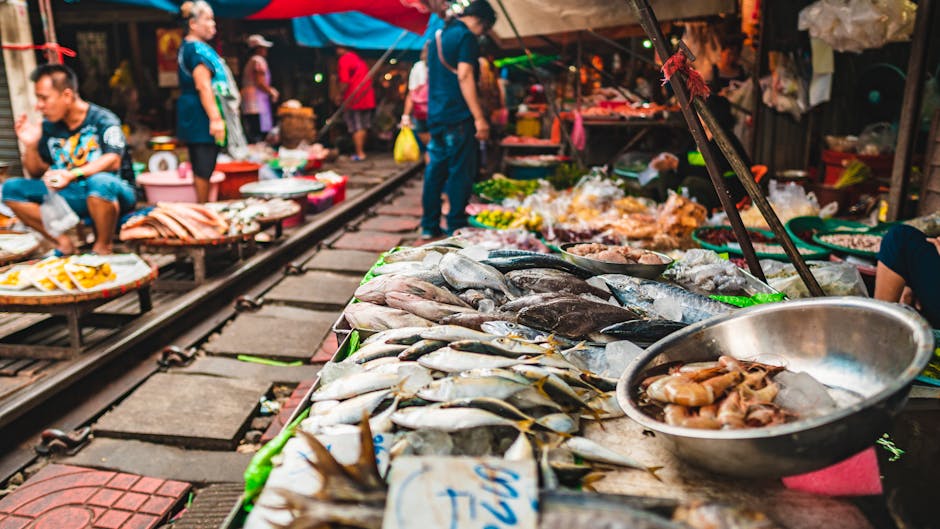
As Bangkok’s largest fresh market, Khlong Toei supplies much of the city’s produce, meat, and seafood. It’s less polished than tourist-focused markets but offers an unfiltered look at Thai food sourcing. Visit at dawn to see wholesale activity, or return in the morning for retail stalls. Be mindful of hygiene—stick to cooked foods and bottled water.
nn
Europe: Tradition Meets Craftsmanship
n
European markets often emphasize quality, heritage, and seasonal ingredients. Many are housed in historic buildings and operate year-round, serving both locals and visitors.
nn
La Boqueria – Barcelona, Spain
n
Situated on Las Ramblas, La Boqueria is one of Spain’s most famous markets. It features over 200 stalls selling fresh fruit, Iberico ham, cheeses, olives, and prepared foods like empanadas and seafood platters. While popular with tourists, it remains a working market for locals. Visit in the morning for the best selection and fewer crowds. Try the freshly squeezed orange juice and jamón ibérico de bellota.
nn
Mercado de San Miguel – Madrid, Spain
n
Housed in a restored iron-and-glass structure from 1916, this market offers a gourmet twist on traditional Spanish fare. Stalls serve high-quality tapas, seafood, wine, and desserts. It’s more curated than La Boqueria, with fixed pricing and seating areas. Ideal for a leisurely lunch or evening snack, it’s especially lively on weekends.
nn
Borough Market – London, UK
n
Founded in the 13th century, Borough Market is one of London’s oldest food markets. It specializes in artisanal British products like cheese, bread, and cured meats, as well as international street food. The market emphasizes sustainability and ethical sourcing. Visit during weekday mornings for a more relaxed experience. Don’t miss the cheese aisle and the famous bread stalls.
nn
Marché des Enfants Rouges – Paris, France
n
Paris’s oldest covered market, established in 1615, features a mix of French and international cuisine. Stalls offer Moroccan tagines, Italian pasta, Japanese bento, and French charcuterie. It’s small but diverse, making it ideal for a quick lunch. Arrive before noon to secure a seat at one of the shared tables.
nn
The Americas: Diversity and Innovation
n
Markets in North and South America reflect the continents’ cultural melting pots, blending indigenous, European, African, and Asian influences.
nn
Mercado Central – Santiago, Chile
n
This historic iron-framed market, built in 1872, is a hub for seafood lovers. Located near the Mapocho River, it’s famous for its fresh fish, shellfish, and traditional dishes like curanto and cazuela. Many stalls double as small restaurants, where you can order seafood cooked to order. Be cautious with raw items—opt for grilled or boiled seafood if you’re unsure.
nn
Union Market – Washington, D.C., USA
n
A revitalized industrial space turned food hall, Union Market features over 40 vendors offering everything from Ethiopian injera to gourmet donuts. It’s a hotspot for food trucks and pop-ups, with a focus on local and innovative cuisine. Open daily, it’s popular with locals and tourists alike. Check their event calendar for cooking demos and live music.
nn
Mercado de la Merced – Mexico City, Mexico
n
One of Latin America’s largest markets, La Merced sprawls across multiple blocks and sells everything from produce to household goods. Its food section is legendary, with stalls serving tacos al pastor, tamales, elote, and fresh fruit with chili powder. The market is crowded and chaotic—visit with a local guide if possible, and keep valuables secure.
nn
Middle East and Africa: Spices, Tradition, and Community
n
Markets in this region often center around spices, grains, and communal dining, reflecting deep-rooted culinary traditions.
nn
Khan el-Khalili – Cairo, Egypt
n
More than a market, Khan el-Khalili is a historic bazaar dating back to the 14th century. While known for souvenirs and crafts, its food stalls offer traditional Egyptian fare like koshari, falafel, and mint tea. The atmosphere is lively, with narrow alleys and lantern-lit courtyards. Visit in the evening for a more atmospheric experience.
nn
Marrakech Medina Souks – Morocco
n
The medina’s food markets are scattered throughout the old city, with Jemaa el-Fnaa square transforming at night into an open-air food court. Vendors grill meat, prepare snail soup, and serve orange juice by the liter. It’s a sensory overload—arrive hungry and ready to explore. Be cautious with raw salads and untreated water.
nn
Maasai Market – Nairobi, Kenya
n
Though primarily a craft market, the Maasai Market often features food stalls selling nyama choma (grilled meat), ugali, and fresh fruit. It rotates locations throughout the week, so check the schedule in advance. The market supports local artisans and provides a glimpse into Kenyan street food culture.
nn
Oceania: Fresh, Local, and Sustainable
n
Australian and New Zealand markets emphasize fresh produce, seafood, and farm-to-table values.
nn
Paddy’s Market – Sydney, Australia
n
Located in the heart of Sydney, Paddy’s Market offers a mix of clothing, souvenirs, and food. The food section includes fresh seafood, meat pies, and Asian street food. It’s a working market with wholesale and retail sections. Visit on weekends for the full experience.
nn
Queen Victoria Market – Melbourne, Australia
n
One of the Southern Hemisphere’s largest open-air markets, Queen Vic spans several blocks and includes a dedicated food hall. Vendors sell Australian staples like lamb, cheese, and wine, as well as international cuisine. The market also hosts night markets with live music and themed food events.
nn
How to Make the Most of Your Market Visit
n
To get the best experience, plan ahead and follow a few simple guidelines. Markets vary widely in layout, hours, and customs, so preparation helps you navigate confidently.
nn
Before You Go
n
- n
- Check opening hours: Many markets operate only on specific days or times. Verify online or with your accommodation.
- Bring cash: Most vendors don’t accept credit cards. Use local currency to avoid fees.
- Dress comfortably: Wear closed-toe shoes and light clothing, especially in hot climates.
- Research must-try foods: Identify local specialties in advance to avoid missing highlights.
- Download offline maps: Markets can be maze-like. A map helps you navigate and find exits.
n
n
n
n
n
nn
During Your Visit
n
- n
- Arrive early: Best selection and fewer crowds, especially at popular markets.
- Observe before buying: Watch how locals eat and which stalls have long lines—often a sign of quality.
- Ask before photographing: Some vendors may not want their products or faces photographed.
- Try small portions: Sample multiple dishes rather than committing to one large meal.
- Stay hydrated: Carry a reusable water bottle, but avoid tap water in areas with questionable quality.
n
n
n
n
n
nn
Safety and Etiquette Tips
n
- n
- Food safety: Choose stalls with high turnover and visible cooking. Avoid raw or undercooked items if you have a sensitive stomach.
- Personal safety: Keep your bag in front of you, avoid flashing valuables, and stay aware of your surroundings.
- Respect local customs: In some cultures, haggling is expected; in others, it’s frowned upon. Observe or ask politely.
- Language barriers: Learn a few basic phrases or use translation apps to communicate with vendors.
n
n
n
n
nn
Comparing Iconic Food Markets: Key Features
n
Not all markets are created equal. The table below compares five globally renowned markets across key factors to help you choose based on your travel style and interests.
nn
| Market | Location | Best For | Operating Days | Price Range | Visitor Tip |
|---|---|---|---|---|---|
| La Boqueria | Barcelona, Spain | Fresh produce, Spanish tapas | Mon–Sat | $$ | Visit before 10 a.m. for best selection |
| Chatuchak Weekend Market | Bangkok, Thailand | Street food, local snacks | Sat–Sun | $ | Bring water and wear comfortable shoes |
| Borough Market | London, UK | Artisanal foods, British cheese | Wed–Sun | $$$ | Try the cheese and bread stalls |
| Mercado de San Miguel | Madrid, Spain | Gourmet tapas, wine | Daily | $$$ | Great for a sit-down meal |
| Tsukiji Outer Market | Tokyo, Japan | Sushi, seafood, Japanese breakfast | Daily (early hours) | $$ | Go before 8 a.m. to avoid crowds |
nn
What to Eat at Each Market
n
Every market has signature dishes that define its culinary identity. Here’s a quick guide to what to try where.
nn
- n
- La Boqueria: Jamón ibérico, fresh orange juice, pan con tomate, and seafood bocadillos.
- Chatuchak: Pad thai, mango sticky rice, grilled pork skewers, and coconut ice cream.
- Borough Market: British cheddar, sourdough bread, Scotch eggs, and oysters.
- Mercado de San Miguel: Jamón, croquetas, oysters, and vermouth.
- Tsukiji Outer Market: Sushi, tamagoyaki, grilled scallops, and matcha soft serve.
- Mercado Central (Santiago): Grilled seafood, ceviche, and pastel de choclo.
- Mercado de la Merced: Tacos al pastor, tamales, elote, and aguas frescas.
n
n
n
n
n
n
n
nn

