
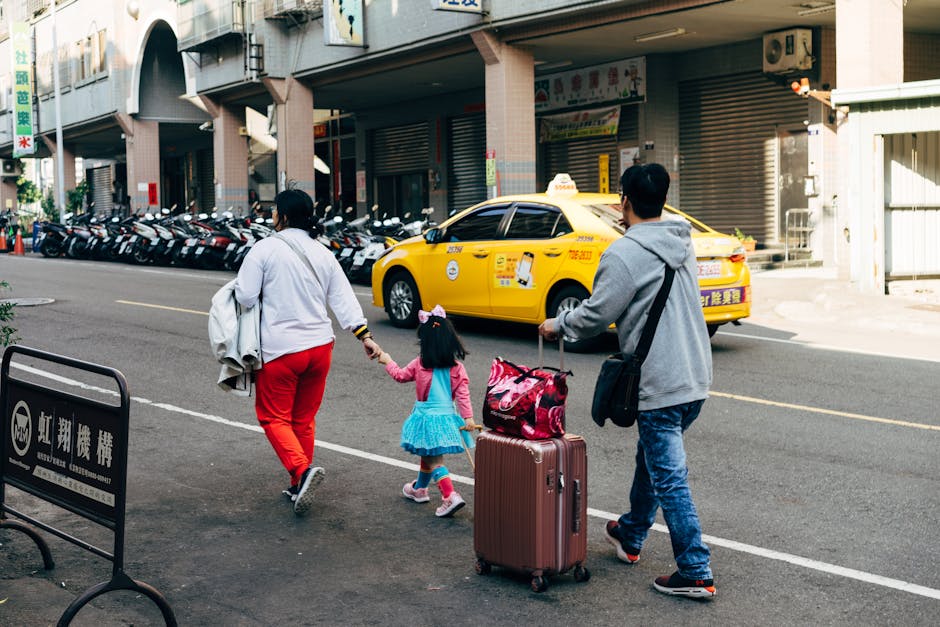
Family Travel Safety Tips Complete Guide: How to Keep Your Loved Ones Safe on the Road, in the Air, and Abroad
Traveling with family should be about creating memories, not managing risks. Whether you’re driving cross-country, flying internationally, or exploring a new city, following proven family travel safety tips can prevent common dangers and give you peace of mind. This complete guide covers essential precautions—from packing smart to handling emergencies—so you can focus on enjoying time with your kids, spouse, or extended family. We’ll walk through practical steps for transportation safety, health preparedness, destination awareness, and communication strategies that work whether you’re on a weekend getaway or a month-long adventure.

Why Family Travel Safety Matters More Than You Think
Families face unique challenges when traveling. Children may wander off in crowded areas, medications can get misplaced, and unfamiliar environments increase the risk of accidents or illness. According to the U.S. Department of Transportation, motor vehicle crashes remain a leading cause of death for children under 12, and many incidents occur during family trips. Meanwhile, international travelers often underestimate risks like foodborne illness, theft, or inadequate medical care. Proactive planning isn’t about fear—it’s about control. By preparing ahead, you reduce stress, avoid preventable problems, and ensure everyone stays safe and healthy.
Pre-Trip Planning: The Foundation of Safe Family Travel
Smart preparation starts weeks—or even months—before departure. A well-organized plan addresses logistics, health, and contingencies so you’re not scrambling at the last minute.

Research Your Destination Thoroughly
- Check government advisories: Visit the U.S. State Department’s travel website or your country’s equivalent for up-to-date safety alerts, vaccination requirements, and local laws.
- Understand local customs: In some countries, dress codes, public behavior, or photography rules differ significantly. Respecting these avoids misunderstandings or legal trouble.
- Identify safe neighborhoods: Use trusted review platforms and local forums to find family-friendly areas with low crime rates and good access to medical facilities.
Create a Family Travel Safety Checklist
Use this simple checklist to ensure nothing critical is overlooked:
- Passports, visas, and copies (digital and physical)
- Travel insurance with medical and evacuation coverage
- Vaccination records and prescriptions
- Emergency contact list (including local embassy info)
- Child ID cards or recent photos (in case of separation)
- Power banks, chargers, and universal adapters
- First-aid kit with pediatric medications
Book Accommodations and Transport Wisely
Not all hotels or rental cars are equally safe for families. Look for properties with 24/7 front desks, secure entry, and smoke detectors. For car rentals, verify seat availability and ensure child restraints meet local standards. If using public transit abroad, research routes in advance and avoid late-night travel with young children.
Transportation Safety: Cars, Planes, Trains, and More
How you get there matters as much as where you’re going. Each mode of transport has specific risks—and solutions.

Car Travel Safety Essentials
- Use proper car seats: Follow age, weight, and height guidelines. Rear-facing seats are safest for infants and toddlers—keep them that way until at least age 2.
- Never leave kids unattended: Even for a “quick” stop, temperatures inside a parked car can rise dangerously fast. Always take children with you.
- Pack an emergency kit: Include water, snacks, blankets, flashlight, jumper cables, and a basic tool set.
- Plan rest stops: Stop every 2 hours for children under 5 to prevent restlessness and reduce motion sickness risk.
Flying with Kids: What Airlines Don’t Always Tell You
- Book direct flights when possible: Fewer takeoffs and landings mean less exposure to turbulence and reduced chance of lost luggage.
- Arrive early for security: TSA allows families to use expedited lanes, but lines can still be long. Arriving 2 hours early for domestic flights reduces stress.
- Keep essentials in carry-ons: Medications, diapers, change of clothes, and comfort items should never be checked.
- Hydrate and move: Cabin air is dry. Offer water frequently and encourage short walks during long flights to prevent blood clots.
Train and Bus Travel Considerations
Public transit can be economical and scenic, but it requires extra vigilance. Keep bags secured, stay aware of stops, and teach older children what to do if they miss a connection. On overnight trains, lock compartment doors from the inside when possible.
Health and Hygiene: Staying Well While Traveling
Illness can derail even the best-planned trip. Preventive measures go a long way in keeping your family healthy.
Vaccinations and Medications
- Consult your pediatrician 4–6 weeks before international travel. Some vaccines (like typhoid or yellow fever) require advance scheduling.
- Pack prescription meds in original containers with clear labels. Carry a doctor’s note if traveling with controlled substances.
- Include over-the-counter remedies: antiseptic wipes, oral rehydration salts, antihistamines, and fever reducers suitable for children.
Food and Water Safety
In many destinations, tap water isn’t safe to drink. Stick to bottled or boiled water, and avoid ice in drinks. Peel all fruits, and eat only thoroughly cooked foods. Street food can be delicious but risky—choose vendors with high turnover and visible cleanliness.
Sun and Heat Protection
- Apply broad-spectrum SPF 30+ sunscreen every 2 hours, especially after swimming.
- Dress kids in lightweight, long-sleeved clothing and wide-brimmed hats.
- Seek shade during peak UV hours (10 a.m. to 4 p.m.).
- Watch for heat exhaustion symptoms: dizziness, nausea, excessive sweating. Move to a cool place and hydrate immediately.
Staying Safe at Your Destination
Once you arrive, situational awareness becomes your best defense against common travel hazards.
Accommodation Security Basics
- Use the hotel safe for passports, cash, and electronics.
- Check that windows and doors lock properly. Use door wedges or portable alarms if needed.
- Keep a nightlight in the bathroom to prevent nighttime falls.
- Know the location of fire exits and emergency numbers.
Preventing Theft and Scams
Tourists are common targets. Avoid displaying expensive items, split cash between bags, and use crossbody bags with zippers. Be cautious of “too good to be true” offers—common scams include fake tour guides, rigged taxis, or distraction thefts in busy markets.
Keeping Kids Safe in Public Spaces
- Establish a meeting point in case someone gets lost (e.g., “If we separate, go to the information desk”).
- Use temporary tattoos or wristbands with your contact info for young children.
- Teach kids to identify uniformed staff (police, transit workers, hotel employees) as trusted helpers.
- Never let children accept food, gifts, or rides from strangers.
Emergency Preparedness: What to Do When Things Go Wrong
Even with perfect planning, emergencies happen. Knowing how to respond can minimize harm.
Create a Family Emergency Plan
- Share contact numbers with all family members. Include local emergency services, your country’s embassy, and a trusted friend at home.
- Practice “what if” scenarios: lost child, missed flight, sudden illness.
- Download offline maps and translation apps before leaving.
Handling Medical Emergencies
If someone gets seriously injured or ill:
- Call local emergency services immediately.
- Contact your travel insurance provider—they often have 24/7 assistance lines.
- Go to the nearest hospital or clinic. In remote areas, ask your hotel or tour operator for recommendations.
- Keep receipts for medical expenses; most insurers require documentation.
Lost Child Protocol
If a child goes missing:
- Stay calm and alert nearby staff or security.
- Provide a recent photo and physical description.
- Do not wander alone—stay near the last known location so the child can find you.
- In airports or large venues, notify authorities immediately; most have child-recovery procedures.
Technology Tools That Enhance Family Travel Safety
Modern tools add layers of protection without complicating your trip.
| Tool | Best Use Case | Key Benefit |
|---|---|---|
| GPS Tracker (e.g., Apple AirTag, Tile) | Attached to backpacks or strollers | Real-time location if item is lost or stolen |
| Family Locator App (e.g., Life360, Google Maps sharing) | All family members with smartphones | See each other’s locations in real time |
| Offline Translation App (e.g., Google Translate) | Non-English speaking destinations | Communicate basic needs without internet |
| Portable Door Alarm | Hotel rooms or rental units | Alerts if door is opened unexpectedly |
Always ensure devices are fully charged and backed up before departure. Consider a portable charger with multiple USB ports to keep everyone connected.
Cultural Awareness and Respectful Travel
Safety isn’t just physical—it’s also social. Respecting local norms prevents conflicts and builds positive interactions.
- Learn basic greetings in the local language. A simple “hello” or “thank you” goes a long way.
- Dress appropriately, especially in religious sites or conservative regions.
- Ask permission before photographing people, especially children.
- Be mindful of noise levels and public behavior—what’s acceptable at home may be offensive elsewhere.
Travel Insurance: Non-Negotiable for Families
Don’t assume your health plan covers overseas care. Comprehensive travel insurance should include:
- Emergency medical treatment and evacuation
- Trip cancellation or interruption coverage
- Baggage loss or delay protection
- 24/7 assistance hotline
Read the fine print: some policies exclude pre-existing conditions or high-risk activities. Compare plans from reputable providers like Allianz, World Nomads, or Travel Guard.
Special Considerations for Babies, Toddlers, and Teens
Different ages require tailored approaches.
Infants and Toddlers
- Bring a lightweight, TSA-approved stroller that folds easily.
- Pack enough diapers and formula for the entire trip—plus extras in case of delays.
- Use a baby carrier in crowded areas to keep hands free and child secure.
- Adjust sleep schedules gradually before departure to ease jet lag.
School-Age Children
- Involve them in planning—let them choose one activity per day.
- Give them a small backpack with snacks, water, and a toy to foster independence.
- Teach basic safety rules: stay close, don’t talk to strangers, know your last name and parent’s name.
Teenagers
- Set clear boundaries: curfews, check-in times, and approved areas.
- Provide a local SIM card or international plan so they can stay in touch.
- Discuss risks like peer pressure, alcohol, or unsafe transportation.
- Trust but verify—balance freedom with accountability.
Final Thoughts: Making Safety Part of the Adventure
Following these family travel safety tips doesn’t mean sacrificing fun—it means enabling more of it. When you’re confident in your preparations, you’re free to relax, explore, and connect with your loved ones. Safety isn’t a checklist to rush through; it’s an ongoing mindset that protects what matters most. Start early, stay informed, and remember: the best trips are the ones where everyone returns home happy, healthy, and eager to go again.
FAQ: Quick Answers to Common Questions
What should I do if my child gets lost in a foreign country?
Stay calm, alert local authorities or venue staff immediately, and provide a recent photo and description. Most tourist areas have protocols for lost children. Keep your own location visible so they can find you.
Is travel insurance really necessary for domestic trips?
Yes—especially if your trip involves non-refundable bookings, rental cars, or medical risks. Standard health plans may not cover accidents during travel, and trip interruption can be costly.
How can I keep my family safe from foodborne illness abroad?
Drink only bottled or boiled water, avoid raw or undercooked foods, peel all fruits, and choose busy restaurants with high turnover. When in doubt, skip it.

