
Top Solo Travel Mistakes You Should Avoid
Top Solo Travel Mistakes You Should Avoid
Traveling alone offers freedom, personal growth, and unforgettable experiences—but it also comes with unique challenges. Many first-time solo travelers make avoidable errors that can lead to stress, overspending, or even safety risks. The most common solo travel mistakes you should avoid include poor planning, ignoring local customs, overpacking, and failing to secure your belongings. By recognizing these pitfalls early, you can travel smarter, stay safer, and enjoy a smoother journey. This guide walks you through the key missteps and offers actionable advice to help you prepare effectively, no matter your destination.
1. Not Researching Your Destination Thoroughly
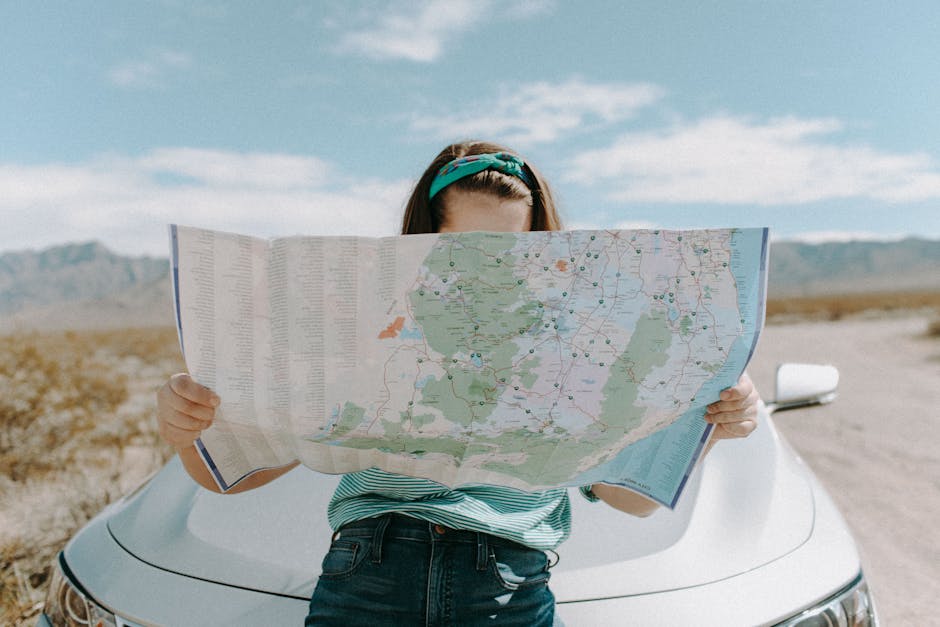
One of the biggest solo travel mistakes is assuming that all destinations are equally safe or welcoming for independent travelers. Every country has its own cultural norms, transportation systems, and safety considerations. Skipping research can leave you disoriented, vulnerable, or even in legal trouble.
For example, in Japan, it’s customary to avoid eating while walking, and loud conversations on public transit are frowned upon. In contrast, in countries like Italy or Spain, mealtimes are later, and siestas are common—showing up at a restaurant at 6 p.m. might get you an empty table. Understanding these nuances helps you blend in and avoid awkward or disrespectful situations.
Start by reading recent travel advisories from your government, checking visa requirements, and learning basic phrases in the local language. Use trusted sources like official tourism websites, travel forums, and guidebooks. Pay attention to neighborhood safety, especially at night, and identify areas to avoid. Knowing where your embassy is located and how to contact local emergency services is also essential.
Key Research Checklist
- Entry requirements (visa, passport validity)
- Local laws and customs
- Public transportation options and costs
- Safe neighborhoods and areas to avoid
- Emergency contact numbers
- Common scams targeting tourists
2. Overpacking and Carrying Too Much
It’s tempting to bring everything “just in case,” but overpacking is a frequent solo travel mistake that leads to physical strain, extra baggage fees, and reduced mobility. When you’re alone, there’s no one to help carry your bags, and navigating crowded stations or uneven streets with heavy luggage becomes exhausting.
Instead, aim for a carry-on sized backpack or suitcase. Pack versatile clothing that can be layered and mixed—neutral colors work best. Roll clothes instead of folding to save space and reduce wrinkles. Limit shoes to two pairs: one for walking and one for dressier occasions. Use packing cubes to stay organized.
Remember, you can usually buy toiletries, medications, and even clothing at your destination. Many hostels and hotels offer laundry services, so you don’t need a fresh outfit for every day. The lighter your load, the more freedom you’ll have to explore, change plans, or move quickly if needed.
3. Ignoring Safety Precautions
Solo travelers are more vulnerable to theft, scams, and unsafe situations simply because there’s no one else to watch your back. One of the most dangerous solo travel mistakes is letting your guard down in unfamiliar environments.
Always keep your passport, money, and important documents in a secure, hidden place—like a money belt or hidden pouch. Avoid flashing expensive electronics or jewelry. Use hotel safes when available, and never leave your drink unattended in bars or cafes.
Stay aware of your surroundings, especially at night. Stick to well-lit, populated areas, and avoid walking alone in isolated spots. Share your itinerary with a trusted friend or family member, and check in regularly. Consider using a GPS tracker or safety app that shares your location in real time.
Be cautious with strangers who offer unsolicited help or invitations. While many people are genuinely kind, scams often target solo travelers. For instance, “friendly locals” who insist on taking you to a specific bar may earn a commission from your purchases. Politely decline and walk away if something feels off.
4. Failing to Plan Transportation in Advance
Not arranging transportation from the airport or train station is a common solo travel mistake that can lead to confusion, overpaying, or unsafe situations. Arriving in a new city without a plan can make you an easy target for aggressive taxi drivers or unlicensed cabs.
Before you leave, research the best way to get from the airport to your accommodation. In many cities, official airport shuttles, metro lines, or ride-sharing apps are safer and cheaper than hailing a cab on the spot. Book transfers in advance when possible, especially if you’re arriving late at night.
Download offline maps and transportation apps like Google Maps, Citymapper, or local equivalents. Save your hotel’s address in the local language to show drivers if needed. If using public transit, carry small bills or coins for tickets, and keep your valuables close.
5. Not Budgeting Properly
Underestimating costs is a frequent solo travel mistake that can derail your trip. Without a clear budget, it’s easy to overspend on food, activities, or impulse purchases. Solo travelers often pay more for accommodations since many hotels charge single supplements, and group tours may not be cost-effective.
Start by estimating daily expenses: accommodation, meals, transportation, activities, and a buffer for emergencies. Use budgeting apps like Trail Wallet or Splitwise to track spending. Look for hostels, guesthouses, or short-term rentals that offer private rooms at lower rates than hotels.
Eat like a local—street food and markets are often cheaper and more authentic than tourist restaurants. Many museums and attractions offer free entry on certain days or discounts for students, seniors, or advance bookings. Avoid currency exchange at airports; use ATMs or credit cards with no foreign transaction fees instead.
Budget Comparison: Solo vs. Group Travel
| Expense | Solo Traveler (Daily Avg) | Group of 4 (Per Person) | Notes |
|---|---|---|---|
| Accommodation | $60 | $35 | Solo travelers pay full price; groups split costs |
| Food | $30 | $25 | Eating alone can be more expensive; groups share meals |
| Transportation | $15 | $10 | Public transit costs similar; taxis cheaper per person in groups |
| Activities | $25 | $20 | Group discounts available for tours and attractions |
| Total | $130 | $90 | Solo travel typically costs 30–40% more per day |
6. Isolating Yourself Too Much
While solitude is part of the appeal, completely isolating yourself can lead to loneliness and missed opportunities. One of the overlooked solo travel mistakes is refusing to connect with others, whether locals or fellow travelers.
Stay in social accommodations like hostels or guesthouses with common areas. Join free walking tours, cooking classes, or language exchanges—these are great ways to meet people safely. Use apps like Meetup or Couchsurfing Events to find local gatherings.
Talk to locals when appropriate. Ask for restaurant recommendations or directions. Most people appreciate the effort, especially if you speak a few words of their language. Just be mindful of cultural boundaries—some regions are more reserved than others.
Balance alone time with social interaction. You don’t need to be constantly surrounded by people, but occasional connections can enrich your experience and provide valuable insights.
7. Not Having Backup Plans
Relying solely on digital tools or fixed itineraries is a risky solo travel mistake. Phones die, Wi-Fi disappears, and plans change—especially when you’re alone and can’t rely on others to adapt.
Always have physical backups: print copies of your passport, visa, travel insurance, and hotel reservations. Carry a power bank and universal adapter. Save important documents in cloud storage and email them to yourself.
Build flexibility into your schedule. Don’t book every activity back-to-back. Allow time for delays, rest, or spontaneous discoveries. If a tour is canceled or weather ruins your plans, know alternative options nearby.
Travel insurance is non-negotiable. It covers medical emergencies, trip cancellations, lost luggage, and more. Choose a policy that includes 24/7 emergency assistance and coverage for adventure activities if needed.
8. Overlooking Health and Wellness
Ignoring your physical and mental health is a subtle but serious solo travel mistake. Being far from home without a support system can amplify stress, fatigue, or illness.
Stay hydrated, eat balanced meals, and get enough sleep—jet lag and time zone changes can take a toll. Pack a basic first-aid kit with pain relievers, antiseptic wipes, bandages, and any prescription medications (with copies of prescriptions).
Be aware of local health risks. In tropical regions, use insect repellent to prevent mosquito-borne diseases. Drink bottled or filtered water where tap water isn’t safe. Know the location of the nearest clinic or hospital.
Mental health matters too. Traveling alone can be emotionally intense. If you feel overwhelmed, take a rest day, call a friend, or journal your thoughts. It’s okay to adjust your plans or return home early if needed.
9. Not Learning Basic Local Phrases
Assuming everyone speaks English is a common solo travel mistake that can lead to frustration and isolation. While many people in tourist areas do speak English, learning a few key phrases shows respect and makes daily interactions smoother.
Focus on essentials: “Hello,” “Thank you,” “Excuse me,” “Where is…?”, and “I don’t understand.” Use language apps like Duolingo or Google Translate offline mode to practice. Even attempting the local language can open doors and earn goodwill.
Carry a small phrasebook or save translations on your phone. In rural areas or smaller towns, English proficiency may be limited, and your effort to communicate can make a big difference.
10. Forgetting to Enjoy the Moment
In the rush to document every experience, some solo travelers forget to actually live it. Constantly checking maps, taking photos, or messaging friends can distract from the present. One of the most ironic solo travel mistakes is not being fully present during your own adventure.
Put your phone down occasionally. Sit in a park, watch the sunset, or strike up a conversation without worrying about capturing it. Solo travel is a rare opportunity for introspection and discovery—don’t let technology steal that.
At the same time, don’t feel pressured to do everything. It’s okay to have quiet days, repeat your favorite café, or skip a major attraction if it doesn’t resonate. Travel at your own pace.
Final Thoughts: Travel Smart, Travel Safe
Avoiding common solo travel mistakes doesn’t mean sacrificing spontaneity or adventure. It means preparing wisely so you can explore with confidence and peace of mind. From researching your destination to packing light, budgeting carefully, and staying safe, each step enhances your experience.
Remember, solo travel is as much about resilience as it is about discovery. Mistakes will happen—but with the right mindset and preparation, they become learning opportunities, not trip-enders. By steering clear of these pitfalls, you’ll be better equipped to handle challenges, connect with the world, and return home with stories worth telling.
FAQ
What is the most dangerous solo travel mistake?
The most dangerous mistake is ignoring safety precautions, such as carrying valuables openly, walking alone at night in unsafe areas, or accepting drinks from strangers. Always stay aware of your surroundings and keep important items secure.
How can I save money as a solo traveler?
Save by choosing budget accommodations like hostels, eating at local markets, using public transportation, and taking advantage of free walking tours and museum discounts. Avoid single supplements by booking private rooms in shared lodgings.
Is it safe to travel alone as a woman?
Yes, many women travel solo safely every year. Safety depends more on preparation and awareness than gender. Research your destination, stay in well-reviewed accommodations, avoid risky areas at night, and trust your instincts.

