
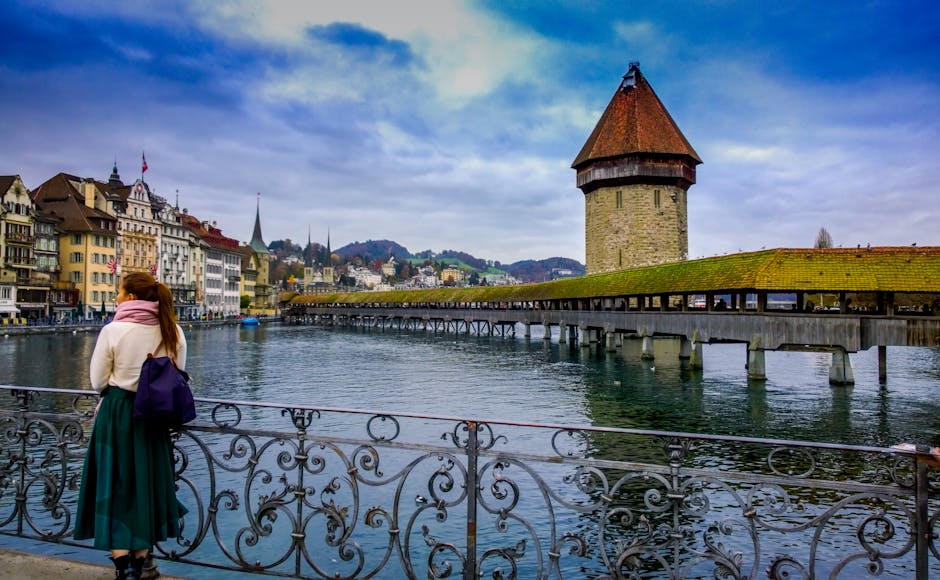
Luxury Travel Guide to Switzerland 2026
{
“content_html”: “nnn n
Luxury Travel Guide to Switzerland 2026
n
Switzerland remains one of the world’s most coveted destinations for discerning travelers seeking refined experiences amid breathtaking alpine scenery. This luxury travel guide to Switzerland 2026 offers a curated overview of the country’s finest accommodations, exclusive experiences, seasonal highlights, and practical insights for high-end itineraries. Whether you’re planning a winter escape to Gstaad, a summer retreat in Lake Geneva, or a private rail journey through the Alps, this guide delivers actionable recommendations tailored to affluent travelers who value quality, privacy, and authenticity.
nn
Why Switzerland Is the Ultimate Luxury Destination
n
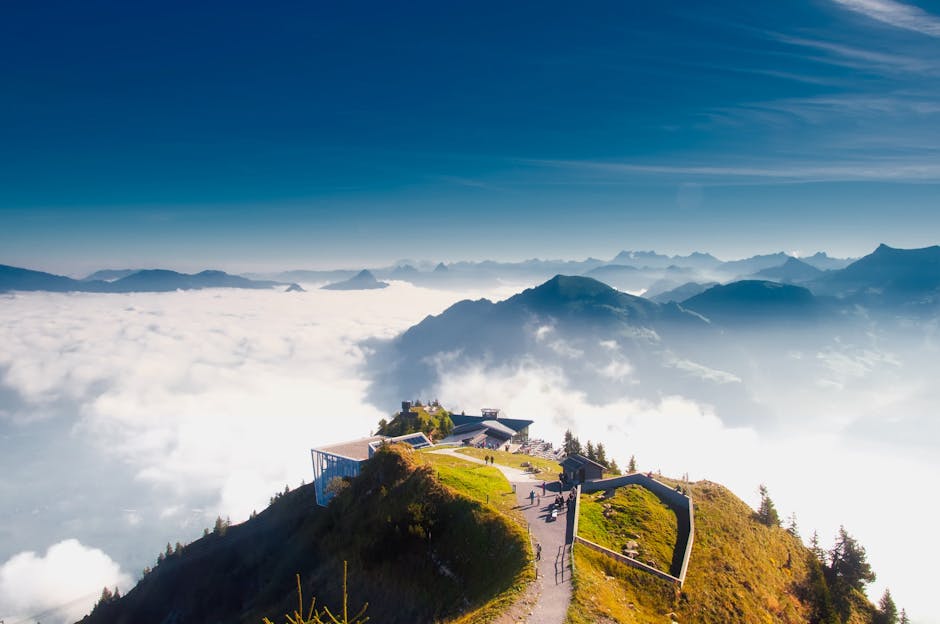
Switzerland’s reputation for excellence extends far beyond chocolate and watches. The country consistently ranks among the top global destinations for luxury travel due to its seamless blend of natural beauty, world-class hospitality, and meticulous attention to detail. From five-star resorts nestled in mountain villages to Michelin-starred restaurants with panoramic views, Switzerland offers an environment where sophistication meets serenity.
n
The infrastructure supports luxury seamlessly: efficient public transport, multilingual staff, and a culture of discretion ensure that even the most demanding travelers feel at ease. In 2026, new developments—including upgraded spa facilities, expanded private transfer options, and enhanced sustainability initiatives—will further elevate the luxury experience.
nn
Top Luxury Destinations for 2026
n
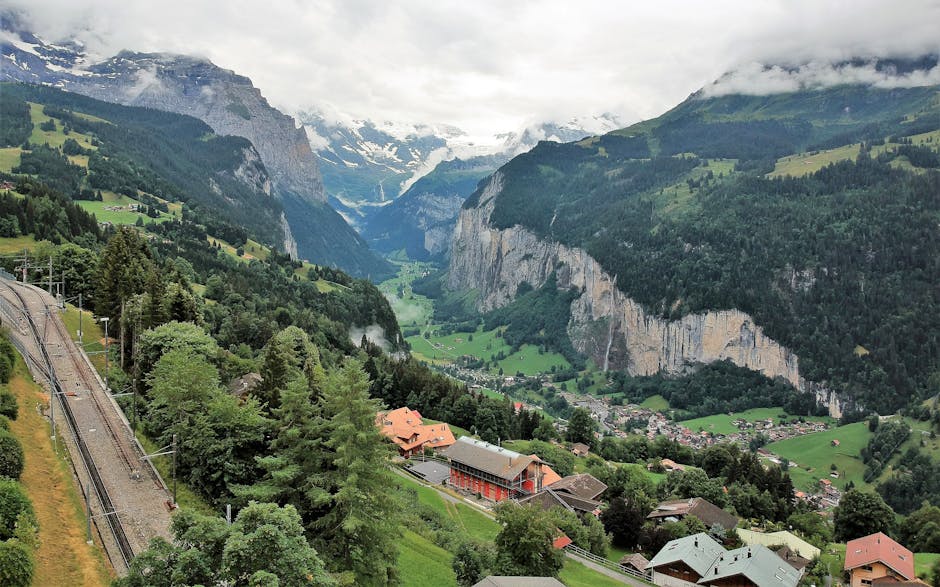
Switzerland’s luxury offerings are distributed across several key regions, each with distinct character and appeal. Choosing the right base depends on your interests—whether alpine adventure, lakeside relaxation, or cultural immersion.
nn
Zermatt: Alpine Elegance at the Foot of the Matterhorn
n
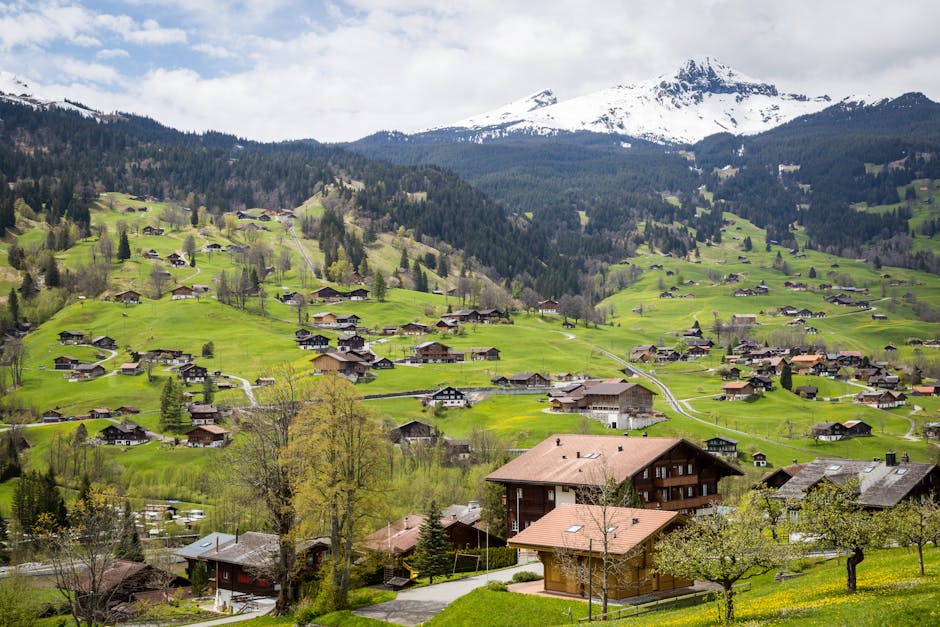
Car-free Zermatt is synonymous with alpine luxury. The village maintains a charming, traditional atmosphere while offering some of the most exclusive hotels and fine dining in the country. In 2026, the addition of a new wellness suite at The Omnia and expanded heli-skiing access make it ideal for winter travelers seeking both adventure and refinement.
n
For summer, private guided hikes along the Theodul Glacier or sunset champagne tastings at 3,883 meters on the Klein Matterhorn provide unforgettable moments. The Glacier Express, departing from Zermatt, offers a first-class rail experience with gourmet meals and panoramic windows—perfect for travelers who want to see the Alps in comfort.
nn
St. Moritz: The Birthplace of Alpine Luxury
n
Since the 19th century, St. Moritz has been a magnet for European aristocracy and international elites. Its reputation for glamour, winter sports, and cultural events like the White Turf horse races remains unmatched. The Kulm Hotel, one of the oldest luxury hotels in the Alps, continues to set the standard with personalized butler service and a private ski concierge.
n
In 2026, St. Moritz introduces a new private dining concept at Badrutt’s Palace, where guests can reserve a glass-enclosed alpine igloo for intimate dinners under the stars. The Engadin Valley also offers exclusive access to hidden trails and private helicopter tours over the Swiss National Park.
nn
Lake Geneva: Sophistication on the Water
n
Geneva, Montreux, and Lausanne form the heart of Swiss French elegance. Lake Geneva’s shoreline is dotted with grand hotels like the Beau-Rivage Geneva and the Fairmont Le Montreux Palace, both offering lake-view suites, private terraces, and access to yacht charters.
n
The region is also a hub for luxury shopping and gastronomy. Geneva’s Rue du Rhône features flagship boutiques from Chanel, Rolex, and Hermès, while Montreux hosts the annual Montreux Jazz Festival, with VIP packages including backstage access and private concerts. In 2026, a new luxury ferry service will connect Geneva and Montreux, offering gourmet onboard dining and reserved lounges.
nn
Gstaad: Discretion and Alpine Charm
n
Known for its low-key celebrity clientele, Gstaad blends old-world charm with modern luxury. The village maintains a strict no-high-rise policy, preserving its intimate atmosphere. The Gstaad Palace, a family-run institution since 1913, offers private chalets, an indoor ice rink, and a cigar lounge with rare vintages.
n
In 2026, Gstaad introduces a curated art trail featuring installations by Swiss and international artists, accessible via private guided tours. The region also offers exclusive access to the Glacier 3000 cable car, with private cabins available for small groups.
nn
Best Luxury Hotels in Switzerland for 2026
n
Switzerland’s luxury accommodations range from historic palaces to modern alpine retreats. Below is a comparison of top-tier properties based on location, amenities, and unique offerings.
nn
| Hotel | Location | Key Features | Starting Rate (CHF/night) |
|---|---|---|---|
| Badrutt’s Palace | St. Moritz | Private ski concierge, indoor pool, cigar lounge | 1,200 |
| The Omnia | Zermatt | Glass-enclosed spa, Matterhorn views, private transfers | 1,050 |
| Beau-Rivage Geneva | Geneva | Lakefront suites, Michelin dining, private yacht access | 950 |
| Gstaad Palace | Gstaad | Private chalets, indoor ice rink, art collection | 890 |
| Fairmont Le Montreux Palace | Montreux | Jazz Festival access, lakeside terraces, wine cellar | 780 |
nn
When selecting a hotel, consider proximity to key experiences. For example, The Omnia in Zermatt provides direct access to ski lifts, while the Beau-Rivage in Geneva is ideal for business travelers seeking luxury with convenience. Many properties now offer personalized itinerary planning, so inquire about concierge services when booking.
nn
Exclusive Experiences for the Discerning Traveler
n
Luxury in Switzerland isn’t just about where you stay—it’s about what you do. In 2026, several new and refined experiences cater to travelers seeking privacy, authenticity, and adventure.
nn
Private Rail Journeys on the Glacier Express
n
The Glacier Express is already a highlight, but 2026 introduces private cabin bookings for small groups. These cabins include a dedicated attendant, gourmet meals prepared by a chef, and customizable stops at remote alpine villages. A full-day journey from Zermatt to St. Moritz can be reserved exclusively, with champagne service and live piano music.
nn
Helicopter Tours Over the Alps
n
Companies like Helvetic Airways now offer private helicopter charters with bespoke itineraries. Popular routes include flying from Lucerne to the Jungfraujoch, landing on a glacier for a champagne toast, or touring the Rhône Glacier with a glaciologist guide. These tours typically last 60–90 minutes and include noise-canceling headsets and aerial photography.
nn
Michelin-Starred Dining with a View
n
Switzerland boasts over 100 Michelin-starred restaurants, many with alpine or lakeside settings. In 2026, new additions include:
n
- n
- Cheval Blanc by Peter Knogl at Badrutt’s Palace (St. Moritz) – A three-Michelin-star experience with a focus on seasonal Alpine ingredients.
- IGNIV by Andreas Caminada (Zermatt) – A two-Michelin-star sharing menu in an intimate, candlelit setting.
- La Rotonde (Montreux) – A one-Michelin-star restaurant at the Fairmont, offering lake views and a curated wine list.
n
n
n
n
Reservations should be made at least three months in advance, especially during peak seasons. Many restaurants now offer private dining rooms or outdoor terraces for exclusive use.
nn
Private Ski Lessons and Off-Piste Access
n
For winter travelers, luxury ski experiences go beyond standard lift passes. Private instructors from elite academies like the Swiss Snowsports School offer tailored lessons, including off-piste excursions with avalanche safety gear and helicopter transport. In Zermatt and Verbier, guests can book entire slopes for private use during early morning hours.
nn
Seasonal Highlights and Best Times to Visit
n
Switzerland’s luxury offerings shift with the seasons, each offering unique advantages.
nn
Winter (December–March)
n
Ideal for skiing, snowboarding, and festive markets. December in St. Moritz features the White Turf races and exclusive après-ski events. January and February offer the best snow conditions, while March provides longer days and fewer crowds. Luxury travelers often book entire chalets with private chefs and spa services.
nn
Spring (April–May)
n
A quieter time with blooming alpine meadows and mild weather. Ideal for hiking, spa retreats, and cultural events like the Lucerne Festival. Many hotels offer spring packages with complimentary upgrades and wellness treatments.
nn
Summer (June–August)
n
Perfect for lake activities, mountain biking, and outdoor dining. The Montreux Jazz Festival (July) attracts international artists and VIP guests. Private boat tours on Lake Geneva and guided vineyard visits in Lavaux are popular. Note that this is peak season—book accommodations and experiences early.
nn
Autumn (September–October)
n
Golden foliage, harvest festivals, and fewer tourists make autumn a favorite among luxury travelers. Wine tastings in Ticino and private truffle hunts in the Valais region are emerging trends. The weather remains pleasant, and many hotels offer off-peak rates with added perks.
nn
Practical Tips for Luxury Travelers
n
To make the most of your trip, consider the following advice tailored to high-end travel.
nn
Transportation: Private vs. Public
n
Switzerland’s public transport system is among the best in the world, with punctual trains, scenic routes, and first-class compartments. However, luxury travelers often prefer private transfers for convenience and privacy. Companies like Swiss Luxury Transfers offer Mercedes V-Class vehicles with English-speaking drivers, complimentary Wi-Fi, and refreshments.
n
For intercity travel, the Swiss Travel Pass Flex allows unlimited travel on trains, buses, and boats, with first-class upgrades available. Alternatively, private jet charters can be arranged for travel between Zurich, Geneva, and Lugano.
nn
Currency and Tipping
n
Switzerland uses the Swiss Franc (CHF). Credit cards are widely accepted, but it’s advisable to carry cash for small purchases or tips. Tipping is not mandatory but appreciated—10% in restaurants and rounding up for hotel staff is standard.
nn
Dress Code and Etiquette
n
Swiss luxury culture values understated elegance. In fine dining and upscale venues, smart casual or formal attire is expected. Avoid flashy logos; instead, opt for quality fabrics and classic styles. Punctuality is highly respected—arriving late to a reservation may affect service.
nn
Language and Communication
n
Switzerland has four official languages: German, French, Italian, and Romansh. In luxury hotels and tourist areas, English is widely spoken. Learning a few basic phrases in the local language (e.g., “Grüezi” in German-speaking regions) is appreciated and enhances the experience.
nn
Sustainability in Swiss Luxury Travel
n
In 2026, sustainability is no longer optional—it’s a core component of luxury travel in Switzerland. Many high-end hotels have adopted eco-certifications, reduced single-use plastics, and partnered with local producers for food and amenities.
n
For example, the Gstaad Palace sources 80% of its ingredients from within 100 kilometers and powers its facilities with renewable energy. Similarly, the Glacier Express runs on hydroelectric power and offers carbon-offset options for passengers.
n
Travelers can support sustainability by choosing eco-certified accommodations, using public transport where possible, and participating in conservation-focused experiences, such as guided nature walks with local biologists.
nn
Sample 7-Day Luxury Itinerary
n
For travelers seeking a balanced mix of relaxation, culture, and adventure, here’s a suggested itinerary:
n
- n
- Day 1: Arrive in Zurich, private transfer to Beau-Rivage Geneva. Evening dinner at Le Chat Botté (Michelin-starred).
- Day 2: Private boat tour on Lake Geneva, visit Chillon Castle, wine tasting in Lavaux.
- Day 3: Train to Zermatt (first class), check into The Omnia. Afternoon spa treatment with Matterhorn views.
- Day 4: Private ski lesson and off-piste excursion. Dinner at Cheval Blanc.
- Day 5: Glacier Express to St. Moritz (private cabin). Check into Badrutt’s Palace.
- Day 6: Helicopter tour over the Engadin Valley, private art tour in Gstaad.
- Day 7: Return to Zurich via private transfer. Departure.
n
n
n
n
n
n
n
n
This itinerary can be customized based on interests, with options to extend in one region or add a stop in Lucerne or Lugano.
nn
Common Mistakes to Avoid
n
Even experienced travelers can make missteps when visiting Switzerland. Here are key warnings:
n
- n
- Booking too late: Luxury accommodations and experiences fill up quickly, especially during festivals and ski season. Book at least 4–6 months in advance.
- Underestimating costs: Switzerland is expensive. Budget at least CHF 1,000 per person per day for luxury travel, including accommodations, dining, and activities.
- Ignoring weather: Mountain weather changes rapidly. Pack layers and waterproof gear, even in summer.
- Over-scheduling: Allow time to relax and enjoy the scenery. Luxury travel is about quality, not quantity.
n
n
n
n
nn
Conclusion
n
This luxury travel guide to Switzerland 2026 provides a comprehensive roadmap for affluent travelers seeking the finest experiences the country has to offer. From world-class hotels and exclusive adventures to seasonal insights and practical advice, every detail is designed to enhance your journey. Whether you’re drawn to the snow-capped peaks of Zermatt, the cultural sophistication of Lake Geneva, or the discreet charm of Gstaad, Switzerland delivers an unmatched blend of elegance and natural beauty. Plan early, prioritize experiences over itinerary density, and embrace the Swiss commitment to excellence.
nn
FAQ
n
What is the best time to visit Switzerland for luxury travel?
n
The best time depends on your interests: winter (December–March) for skiing and festive events, summer (June–August) for lake activities and festivals, and autumn (September–October) for fewer crowds and scenic beauty. Spring offers mild weather and lower prices.
n

