
Best Things to Do in Budapest Travel Guide: A Complete Itinerary for First-Time Visitors
Best Things to Do in Budapest Travel Guide: A Complete Itinerary for First-Time Visitors
Budapest, Hungary’s vibrant capital, blends historic grandeur with modern energy, making it one of Europe’s most captivating destinations. Whether you’re drawn to thermal baths, Baroque architecture, or riverside views along the Danube, the best things to do in Budapest offer something for every traveler. From exploring UNESCO-listed Buda Castle to unwinding in Széchenyi Thermal Bath, this guide covers essential experiences, hidden gems, and practical tips to help you make the most of your trip. With a mix of culture, relaxation, and local flavor, Budapest delivers an unforgettable journey without the crowds of other European capitals.
Why Budapest Should Be on Your Travel List
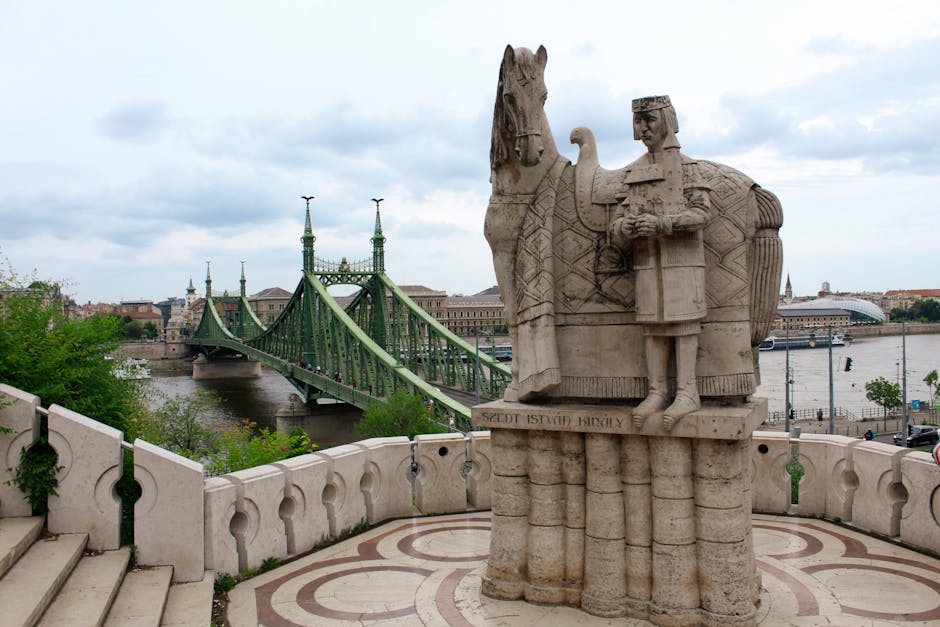
Budapest stands out for its affordability, rich history, and unique blend of Eastern and Western European influences. Once divided into Buda and Pest by the Danube River, the city now seamlessly connects two distinct personalities: the hilly, castle-topped Buda side and the flat, bustling Pest side. This duality creates a dynamic urban landscape where medieval fortresses neighbor Art Nouveau cafes, and Soviet-era monuments stand beside sleek rooftop bars.
Travelers often cite Budapest’s thermal bath culture, architectural diversity, and lively café scene as major draws. The city also offers excellent public transportation, English signage in tourist areas, and a growing reputation for culinary innovation. With over 100 thermal springs feeding its famous baths and spas, Budapest is often called the “Spa Capital of Europe.” It’s a city that rewards slow exploration—whether you’re sipping espresso in a ruin pub or watching the sunset from Gellért Hill.
Top Attractions and Must-See Sights
1. Buda Castle and Castle Hill
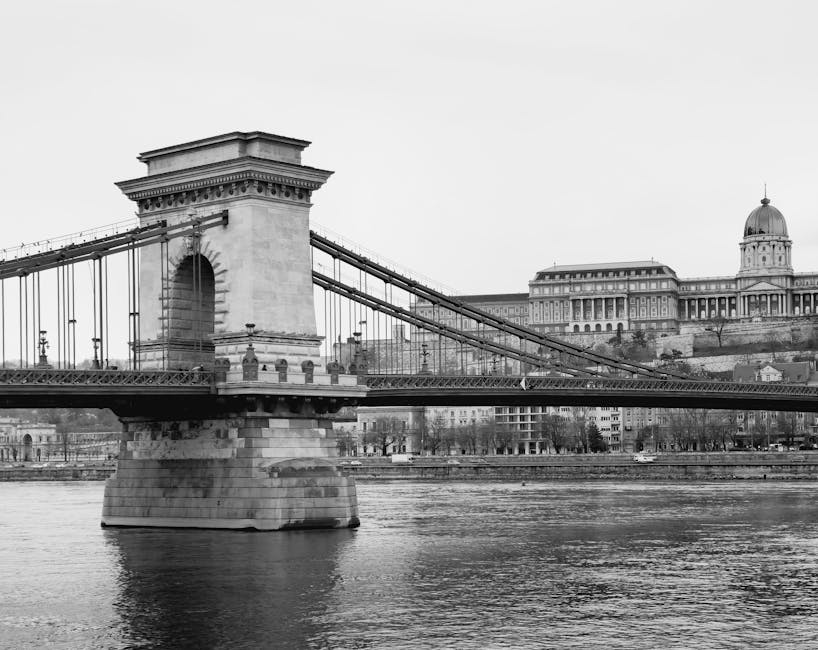
Perched on a hill overlooking the Danube, Buda Castle is the crown jewel of the city’s historic district. The palace complex, originally built in the 13th century and rebuilt multiple times, now houses the Hungarian National Gallery and the Budapest History Museum. The surrounding Castle Hill area is a UNESCO World Heritage Site, filled with cobblestone streets, Baroque churches, and panoramic viewpoints.
Don’t miss the Fisherman’s Bastion, a fairytale-like terrace with neo-Romanesque turrets offering some of the best photo opportunities in the city. Nearby, Matthias Church features intricate Gothic Revival architecture and hosts regular concerts. To reach the top, take the historic Castle Hill Funicular from Clark Ádám Square—it’s a scenic and convenient option, especially with luggage or limited mobility.
2. Parliament Building
The Hungarian Parliament Building is not only the seat of government but also one of the most photographed landmarks in Budapest. With its 691 rooms, 27 gates, and a central dome reaching 96 meters, it’s one of the largest parliamentary buildings in the world. The structure blends Gothic Revival, Renaissance, and Baroque elements, creating a striking riverside silhouette.
Guided tours are available in multiple languages and include access to the main staircase, the Hungarian Crown Jewels (displayed in a secure case), and the impressive central hall. Book tickets in advance, especially during peak season, as entry is limited and lines can be long. Evening illumination makes the building even more dramatic, particularly when reflected in the Danube.
3. Széchenyi Thermal Bath
No visit to Budapest is complete without experiencing its legendary thermal baths. Széchenyi, located in City Park, is the largest medicinal bath in Europe and a favorite among locals and tourists alike. Fed by two natural hot springs, the complex features indoor and outdoor pools with temperatures ranging from 20°C to 40°C (68°F to 104°F).
Visitors can relax in the warm waters, enjoy a massage, or participate in aqua aerobics classes. The outdoor pools are especially popular in winter, when steam rises off the water in freezing temperatures. Arrive early to secure locker space, and consider renting a private cabin for more comfort. Note that swimwear is required—nudity is not permitted in the main pools.
4. St. Stephen’s Basilica
Named after Hungary’s first king, St. Stephen’s Basilica is one of the city’s most important religious sites. The neoclassical church took over 50 years to complete and can hold up to 8,500 people. Its dome rises 96 meters, matching the height of the Parliament Building—a symbolic nod to the balance between church and state.
Visitors can climb or take an elevator to the observation deck for sweeping views of Pest. Inside, the basilica houses a mummified right hand of St. Stephen, known as the “Holy Dexter.” The church also hosts classical concerts, particularly during the summer months, making it a cultural as well as spiritual destination.
5. Great Market Hall
For a taste of local life, head to the Great Market Hall on Fővám Square. This 19th-century iron-and-glass structure is Budapest’s largest indoor market, offering everything from fresh produce and spices to handmade souvenirs and traditional Hungarian sausages.
The ground floor is ideal for sampling street food—try lángos (fried dough with sour cream and cheese), goulash soup, or kürtőskalács (chimney cake). The upper level features stalls selling embroidered linens, paprika, and folk art. While tourist-oriented, the market remains a working hub for locals, especially in the mornings. Avoid weekends if you prefer fewer crowds.
Unique Experiences Beyond the Usual Tourist Spots
Ruin Bars in the Jewish Quarter
Budapest’s ruin bars are a cultural phenomenon born from the city’s post-industrial decay and creative reuse of abandoned buildings. These bars are set in dilapidated courtyards and former warehouses, decorated with mismatched furniture, graffiti, and vintage signage.
Szimpla Kert is the most famous, often credited with starting the trend. It features multiple rooms, a garden, and regular events like film screenings and live music. Other notable options include Instant-Fogas and Mazel Tov, which blends Middle Eastern cuisine with a stylish bar atmosphere. Most ruin bars open late and are busiest after 10 PM, making them ideal for evening exploration.
Danube River Cruise at Sunset
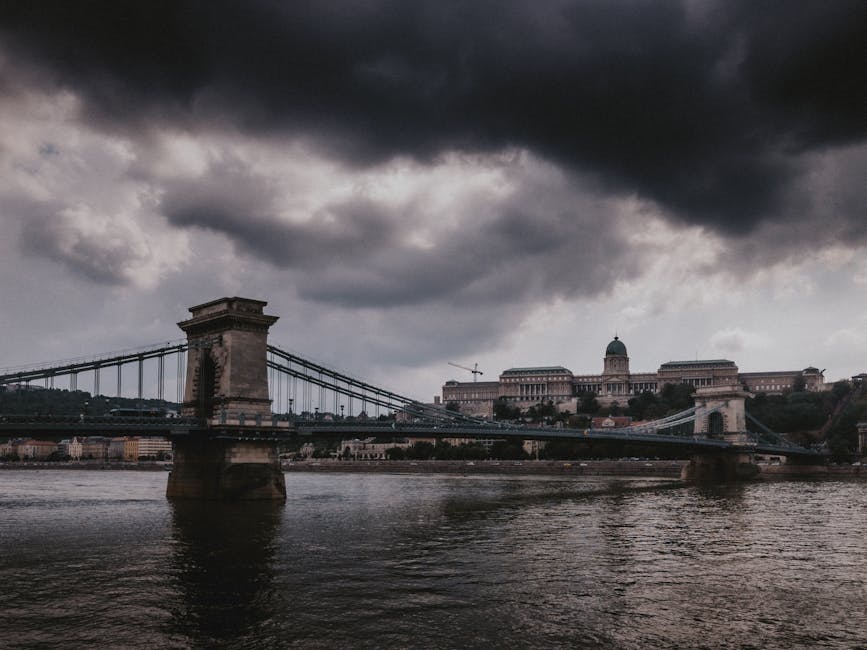
A river cruise offers a unique perspective of Budapest’s skyline, especially when the city lights begin to glow. Several companies operate evening cruises that pass under the Chain Bridge, glide past the illuminated Parliament, and offer views of Buda Castle from the water.
Opt for a dinner cruise if you want a full meal with commentary, or choose a simple sightseeing cruise for a more budget-friendly option. Most last between 60 and 90 minutes. Book in advance during summer months, and bring a light jacket—evenings on the water can be breezy.
Gellért Hill and the Citadella
For panoramic views without the crowds of Castle Hill, hike or drive up Gellért Hill. The 235-meter peak is home to the Freedom Monument, a statue of a woman holding a palm leaf, symbolizing Hungary’s liberation after World War II. The adjacent Citadella, a 19th-century fortress, now serves as a quiet park with interpretive signs about its military past.
The climb takes about 20–30 minutes on foot, with well-marked paths and benches along the way. Early morning or late afternoon visits offer the best light and fewer people. Combine your trip with a stop at the nearby Gellért Thermal Bath, known for its Art Nouveau interiors and wave pool.
Day Trips and Nearby Destinations
While Budapest itself could fill a week, several nearby destinations make excellent day trips. These excursions offer a change of pace and a deeper look into Hungary’s history and natural beauty.
Visegrád and the Royal Palace
Just 45 minutes north of Budapest by train or car, Visegrád is a small town with a big history. Its hilltop royal palace was once a residence of Hungarian kings and offers sweeping views of the Danube Bend—a dramatic curve in the river surrounded by forested hills.
The reconstructed palace includes a Knights’ Hall, a chapel, and exhibits on medieval life. Nearby, the Visegrád Citadel hosts historical reenactments and archery demonstrations during the summer. Combine your visit with a stop at a local winery—the region is known for its white wines, particularly Furmint and Hárslevelű.
Esztergom Basilica
As the seat of the Catholic Church in Hungary, Esztergom is home to the largest church in the country. The Basilica of the Assumption dominates the skyline with its massive dome and neoclassical façade. Inside, the altar painting by Michelangelo is a highlight, along with the crypt and panoramic terrace.
The town sits on the Slovak border, offering views across the Danube. It’s easily reachable by train from Budapest Keleti Station (about 1.5 hours). Visit on a weekday to avoid crowds and enjoy a quieter experience.
Szentendre and the Danube Bend
This charming riverside town is known for its colorful houses, art galleries, and cobblestone streets. Szentendre was once a haven for Serbian merchants and artists, and its multicultural heritage is still evident in its churches and museums.
Stroll along the promenade, visit the Margit Kovács Ceramic Museum, or sample local pastries at a riverside café. Many Danube Bend tours include Szentendre as a stop, often combined with Visegrád and Esztergom for a full-day itinerary.
Practical Tips for Traveling in Budapest
Budapest is generally safe, affordable, and easy to navigate, but a few practical tips can enhance your experience.
Getting Around
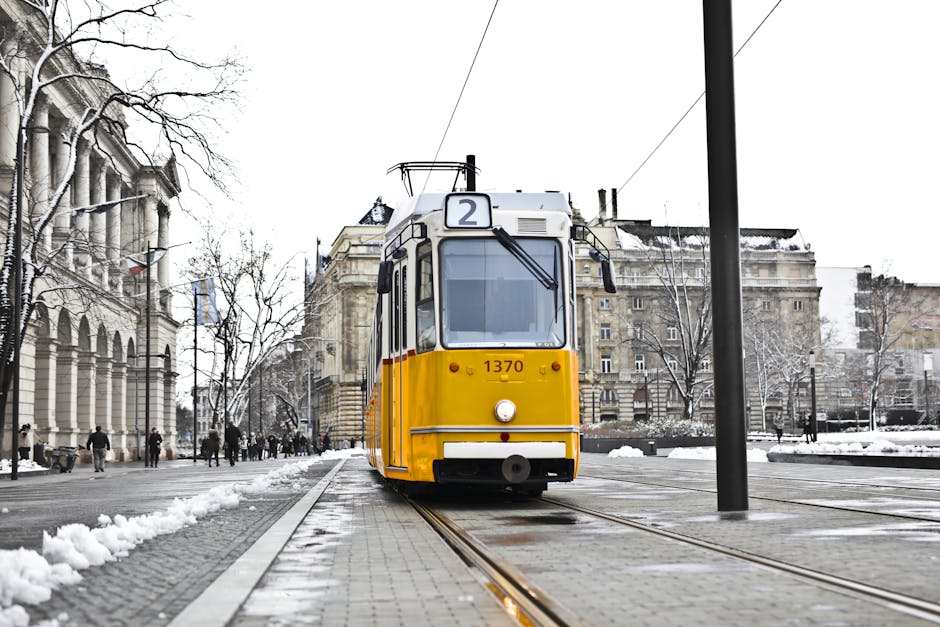
Budapest has an efficient public transportation system including buses, trams, metro lines, and ferries. The metro is clean and reliable, with Line M2 running along the Danube and connecting key sights. Purchase a 72-hour travel pass for unlimited rides and discounts at some attractions.
Taxis are affordable but use apps like Bolt or Főtaxi to avoid overcharging. Ride-sharing services are available but less common than in Western Europe. Walking is ideal in the city center, especially between Buda Castle, the Parliament, and the Great Market Hall.
Money and Tipping
Hungary uses the forint (HUF), not the euro. While some tourist areas accept euros, prices are often higher, and change may be given in forints at poor rates. Withdraw cash from ATMs (look for those inside banks to avoid skimming) or use credit cards widely accepted in hotels, restaurants, and larger shops.
Tipping 10% is standard in restaurants and cafes. Round up taxi fares or add 5–10% for good service. Many locals tip in cash, even when paying by card.
Language and Etiquette
Hungarian is the official language and can be challenging for English speakers, but most people in tourism speak English. Learn a few basic phrases like “Köszönöm” (thank you) and “Jó napot” (good day) to show respect.
Hungarians value punctuality and direct communication. Avoid loud conversations in public transport, and dress modestly when visiting churches or religious sites.
Best Time to Visit
Spring (April–June) and fall (September–October) offer mild weather, fewer crowds, and lower prices. Summer (July–August) is peak season with festivals and long days, but also heat and congestion. Winter brings Christmas markets and thermal bath visits, though some attractions have reduced hours.
Avoid major holidays like Hungarian National Day (March 15) and Easter if you prefer quieter streets, as many locals travel or participate in celebrations.
Compact Comparison: Top Thermal Baths in Budapest
| Bath Name | Location | Key Features | Best For |
|---|---|---|---|
| Széchenyi | City Park (Pest) | Outdoor pools, large capacity, events | First-time visitors, families |
| Gellért | Gellért Hill (Buda) | Art Nouveau design, wave pool, saunas | Luxury experience, relaxation |
| Király | Buda side, near Castle Hill | Historic Ottoman bath, no swimwear required | Authentic experience, history lovers |
| Lukács | Újbuda district | Local favorite, affordable, beer spa option | Budget travelers, locals’ choice |
Final Thoughts: Making the Most of Your Budapest Trip
Budapest rewards curious travelers with a blend of history, culture, and relaxation. The best things to do in Budapest go beyond the postcard sights—they include sipping wine in a ruin bar, soaking in a centuries-old bath, and wandering quiet neighborhoods where locals still hang laundry between Art Nouveau facades. Plan at least three full days to cover the essentials, but allow extra time to simply wander and discover the city’s rhythm.
Use public transport, respect local customs, and embrace the slower pace that defines Budapest’s charm. Whether you’re visiting for a weekend or a week, this city offers depth, value, and unforgettable moments at every turn.
Frequently Asked Questions
Is Budapest safe for tourists?
Yes, Budapest is generally safe for tourists. Like any major city, be aware of pickpockets in crowded areas like the metro, markets, and tourist hotspots. Avoid unlit alleys at night and use licensed taxis or ride apps.
Do I need to speak Hungarian to get by?
No. English is widely spoken in hotels, restaurants, and tourist attractions. Learning a few basic Hungarian phrases is appreciated but not required.
Can I visit Budapest on a budget?
Absolutely. Budapest is one of Europe’s most affordable capitals. Public transport is cheap, many museums offer free entry on certain days, and street food like lángos or kürtőskalács costs under €3.

