
Best Things to Do in Sydney Australia Travel Guide
Best Things to Do in Sydney Australia Travel Guide
Sydney, Australia’s largest and most iconic city, offers a dynamic mix of natural beauty, cultural landmarks, and urban energy. Whether you’re drawn to its world-famous harbor, golden beaches, or vibrant neighborhoods, this travel guide highlights the best things to do in Sydney. From climbing the Harbour Bridge to exploring hidden coastal walks, you’ll find a range of experiences suited to every traveler. This guide covers must-see attractions, local favorites, and practical tips to help you make the most of your visit—whether you’re staying for a weekend or a week.
Explore the Iconic Sydney Harbour
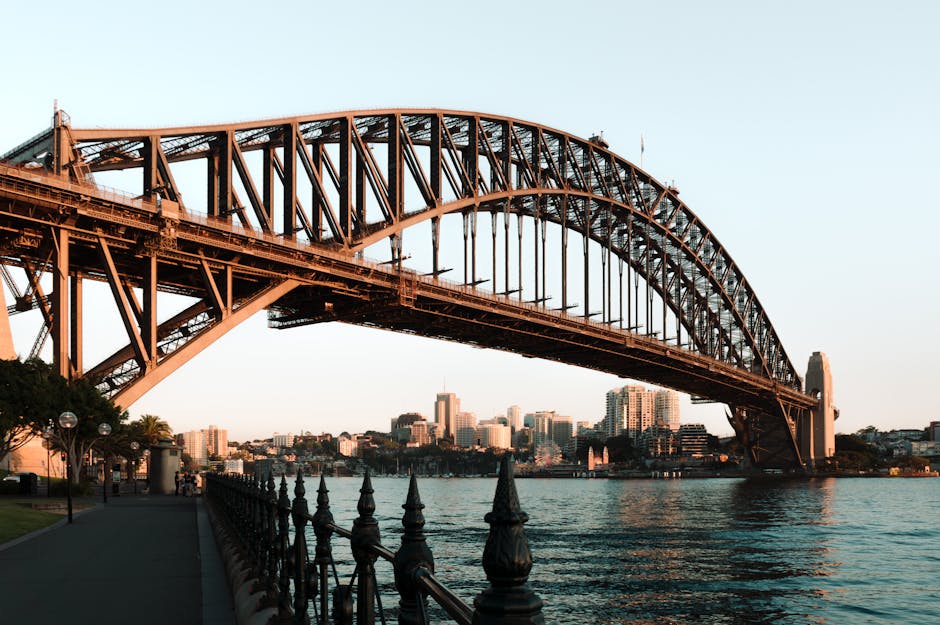
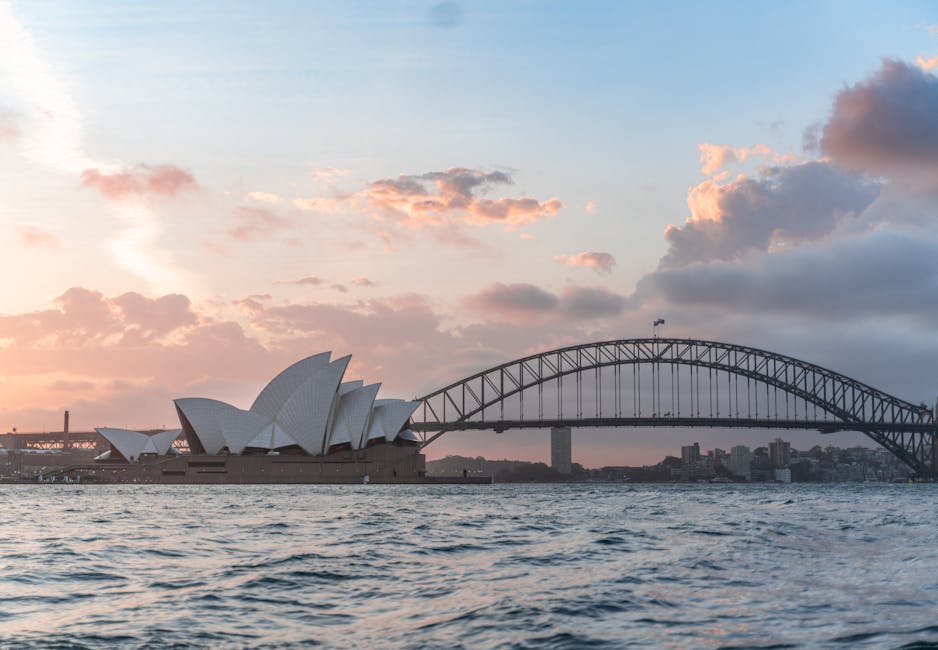
The heart of Sydney beats around its stunning natural harbor. Framed by the Sydney Opera House and the Harbour Bridge, this area is the city’s most photographed and visited destination. A harbor cruise is one of the best ways to experience the city skyline from the water. Ferries, catamarans, and private charters offer different perspectives—some include commentary on local history and landmarks.
For a more active experience, consider walking across the Sydney Harbour Bridge. The pedestrian walkway is free and offers panoramic views of the Opera House, Circular Quay, and the city skyline. If you’re up for a challenge, the BridgeClimb experience takes you to the summit along the arch, providing unmatched vistas—though it comes with a higher price tag and requires advance booking.
Circular Quay serves as the main transport hub and gateway to many attractions. It’s also surrounded by restaurants, cafes, and street performers, making it a lively spot day and night. Don’t miss the chance to snap a photo with the Opera House in the background—especially during golden hour when the sandstone glows.
Visit the Sydney Opera House
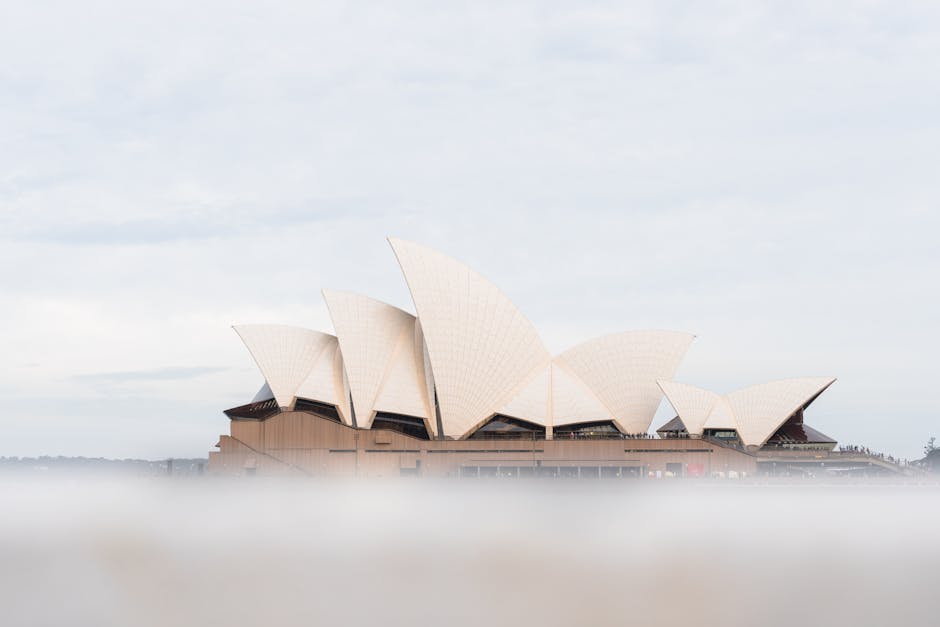
No trip to Sydney is complete without seeing the Sydney Opera House. This UNESCO World Heritage-listed masterpiece, designed by Danish architect Jørn Utzon, is instantly recognizable by its sail-like shells. While the exterior is impressive, stepping inside reveals a world-class performance venue hosting over 1,500 events annually, including opera, theater, and contemporary music.
You can explore the building through guided tours, which last about an hour and provide insight into its history, architecture, and behind-the-scenes operations. Tours run multiple times daily and are available in several languages. For a more immersive experience, consider attending a live performance—even if you’re not a fan of classical music, the acoustics and atmosphere are worth experiencing.
Tip: Book tickets for shows well in advance, especially for popular performances. If you’re on a budget, look for daytime performances or student discounts. The Opera Bar, located on the lower level, offers affordable drinks with a view—perfect for a sunset cocktail.
Relax at Sydney’s Famous Beaches
Sydney is home to some of the world’s most beautiful urban beaches. Bondi Beach is the most famous, drawing surfers, swimmers, and sunbathers year-round. Its crescent of golden sand, consistent waves, and lively promenade make it ideal for both relaxation and activity. The Bondi to Coogee coastal walk is a 6-kilometer trail that passes through Bronte, Tamarama, and Clovelly, offering ocean views, rock pools, and cliffside scenery.
For a quieter alternative, head to Manly Beach. Accessible by a scenic 30-minute ferry ride from Circular Quay, Manly offers a laid-back vibe with plenty of cafes, surf shops, and picnic areas. The ferry ride itself is one of the best free attractions in the city—offering harbor views that rival any paid tour.
Other notable beaches include Palm Beach (the northernmost in the area, popular with filmmakers), Shelly Beach (a protected marine reserve ideal for snorkeling), and Cronulla Beach in the south, which has a strong local surf culture.
Safety note: Always swim between the red and yellow flags, which indicate patrolled areas. Rip currents are common, and lifeguards are on duty during daylight hours. Check the daily beach report on the Beachsafe website before heading out.
Discover Wildlife at Taronga Zoo
Perched on a hillside overlooking the harbor, Taronga Zoo is one of the best things to do in Sydney for families and animal lovers. The zoo is home to over 4,000 animals from 350 species, including Australian natives like koalas, kangaroos, and platypus, as well as exotic animals from around the world.
What sets Taronga apart is its location and design. Open-air enclosures and elevated walkways provide close encounters with animals while offering sweeping views of the harbor. The Sky Safari gondola takes visitors from the base to the top of the zoo, making it easy to navigate the hilly terrain.
Special experiences include behind-the-scenes tours, overnight stays in the Roar and Snore program, and keeper talks that offer insight into conservation efforts. The zoo also plays an active role in breeding endangered species and wildlife rescue.
Tip: Arrive early to avoid crowds and catch the morning animal feedings. Combine your visit with a ferry ride from Circular Quay—the journey is part of the adventure.
Stroll Through the Royal Botanic Garden
Tucked between the Opera House and the city center, the Royal Botanic Garden is a lush oasis in the heart of Sydney. Spanning 30 hectares, it features themed gardens, native plant collections, and tranquil walking paths. The garden is free to enter and open daily, making it a peaceful retreat from the urban bustle.
Highlights include the Palm Grove, the Rose Garden, and the Tropical Centre. The Calyx, a striking glasshouse and exhibition space, hosts rotating displays on botany and conservation. The garden also offers guided walks, birdwatching tours, and outdoor yoga classes during warmer months.
The best views of the Opera House and Harbour Bridge are from the garden’s lawns, especially near the Mrs. Macquarie Chair—a historic rock carving that offers a classic photo opportunity. Bring a picnic and enjoy lunch with a view, or stop by one of the on-site cafes for coffee and pastries.
Experience Local Culture in The Rocks
The Rocks is Sydney’s oldest neighborhood, dating back to the 1790s. Cobblestone streets, heritage buildings, and historic pubs give it a charming, old-world feel. It’s a great place to learn about the city’s colonial past while enjoying modern cafes, art galleries, and weekend markets.
The Rocks Discovery Museum offers a compact but informative look at the area’s history, including Indigenous heritage, early settlers, and maritime life. Free walking tours are available and led by knowledgeable locals who share stories not found in guidebooks.
On weekends, the Rocks Markets feature handmade crafts, vintage clothing, and local food. Don’t miss the chance to try a meat pie from one of the traditional bakeries or enjoy a craft beer at a historic pub like The Fortune of War, which has been operating since 1828.
Warning: While The Rocks is generally safe, it can get crowded and noisy at night, especially around George Street. Stick to well-lit, busy areas and be mindful of your belongings.
Take a Day Trip to the Blue Mountains
Just a two-hour drive or train ride from Sydney, the Blue Mountains offer a dramatic escape into nature. This UNESCO World Heritage area is known for its rugged cliffs, eucalyptus forests, and deep valleys. The blue haze that gives the region its name comes from oil droplets released by the trees, scattering blue light.
Key attractions include the Three Sisters rock formation at Katoomba, Scenic World (with its cable car, railway, and skyway), and the Jenolan Caves—some of the oldest open caves in the world. Hiking trails range from easy walks to challenging multi-day treks, with options for all fitness levels.
For a full-day experience, book a guided tour that includes transportation, entry fees, and lunch. Many tours also stop at small towns like Leura, known for its boutique shops and gardens. If you prefer to go independently, the train from Central Station is affordable and scenic.
Tip: Wear layers—weather can change quickly in the mountains. Check trail conditions before heading out, especially after rain.
Enjoy Sydney’s Food and Drink Scene
Sydney’s culinary scene is as diverse as its population. From high-end restaurants to casual food markets, there’s something for every palate. The city excels in seafood, Asian fusion, and café culture.
Must-try dishes include fresh oysters at Doyle’s on the Beach, fish and chips at a harborfront kiosk, and a classic Australian meat pie. For dessert, try a lamington (sponge cake coated in chocolate and coconut) or a pavlova, a meringue-based dessert often topped with fruit.
Popular food destinations include:
- Queen Victoria Building (QVB): A historic shopping center with cafes and specialty food stores.
- Paddy’s Markets: A sprawling market in Haymarket selling fresh produce, clothing, and souvenirs.
- Barangaroo Reserve: Home to several waterfront restaurants with harbor views.
- Surry Hills: A trendy neighborhood with award-winning cafes and brunch spots.
For drinks, Sydney has a thriving craft beer and cocktail scene. Try a local brew at a pub in Newtown or a craft cocktail at a rooftop bar like 360 Bar and Dining at the Shangri-La Hotel.
Get Around Sydney with Ease
Sydney has a reliable public transport system that includes trains, buses, ferries, and light rail. The Opal card is the easiest way to pay—simply tap on and off at stations and stops. It’s available at convenience stores, stations, and online.
Ferries are not just practical—they’re scenic. The F3 to Manly and the F4 to Watsons Bay offer some of the best views of the city. Trains connect the suburbs to the city center, with frequent services during peak hours.
Walking is ideal in the CBD and harbor areas, but distances can be deceiving. Wear comfortable shoes and use apps like Citymapper or Google Maps for real-time transit updates.
Driving is possible but not recommended in the city center due to congestion, limited parking, and toll roads. If you plan to explore beyond Sydney, consider renting a car for day trips.
Plan Your Visit: Best Time to Go
Sydney enjoys a temperate climate with warm summers and mild winters. The best time to visit is during spring (September to November) and autumn (March to May), when temperatures are pleasant and rainfall is lower.
Summer (December to February) is peak tourist season, with long days and beach weather—but also higher prices and crowds. Winter (June to August) is cooler and wetter, but it’s a good time to enjoy indoor attractions and cultural events.
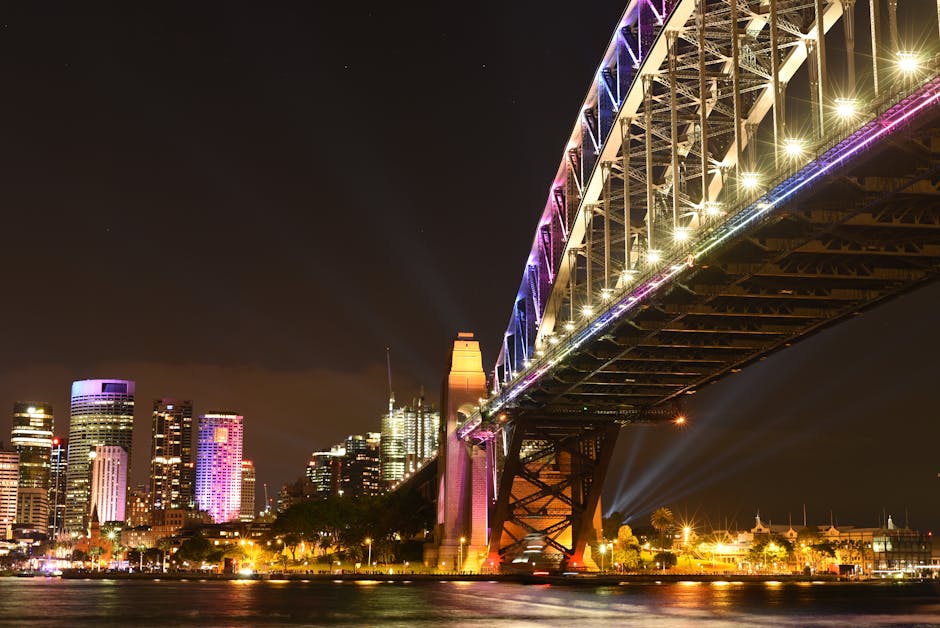
Major events like Vivid Sydney (a light and music festival in May–June) and the Sydney Festival (January) draw large crowds but offer unique experiences. Book accommodation early during these periods.
Essential Tips for Travelers
To make the most of your trip, keep these practical tips in mind:
- Sun protection is essential: UV levels in Australia are among the highest in the world. Wear sunscreen, a hat, and sunglasses, even on cloudy days.
- Tap water is safe to drink: Carry a reusable bottle to stay hydrated and reduce plastic waste.
- Currency: Australia uses the Australian dollar (AUD). Credit cards are widely accepted, but carry some cash for markets and small vendors.
- Etiquette: Australians are generally informal and friendly. Tipping is not mandatory but appreciated for good service.
- Emergency number: Dial 000 for police, fire, or ambulance.
Comparison: Top Sydney Attractions at a Glance
| Attraction | Best For | Cost | Time Needed | Accessibility |
|---|---|---|---|---|
| Sydney Opera House Tour | Culture, Architecture | $$ | 1 hour | Wheelchair accessible |
| Harbour Bridge Walk | Views, Exercise | Free | 30–45 mins | Fully accessible |
| Taronga Zoo | Families, Wildlife | $$$ | 3–4 hours | Partial (gondola available) |
| Bondi to Coogee Walk | Nature, Scenery | Free | 2 hours | Moderate (some stairs) |
| Royal Botanic Garden | Relaxation, Photos | Free | 1–2 hours | Fully accessible |
Final Thoughts on the Best Things to Do in Sydney
Sydney is a city that rewards exploration. Whether you’re marveling at its iconic landmarks, relaxing on its beaches, or discovering its hidden neighborhoods, there’s always something new to experience. This travel guide covers the best things to do in Sydney, balancing must-see sights with local insights and practical advice. With its mix of natural beauty, cultural richness, and urban energy, Sydney offers an unforgettable destination for every traveler.
Frequently Asked Questions
What is the best time of year to visit Sydney?
The best time to visit Sydney is during spring (September to November) or autumn (March to May), when the weather is mild and rainfall is low. Summer is warm and great for beach activities, but it’s also the busiest and most expensive season.
Do I need a car to get around Sydney?
No, a car is not necessary for exploring central Sydney. The city has an efficient public transport system including trains, buses, and ferries. For day trips outside the city, such as to the Blue Mountains, a rental car or guided tour is recommended.
Is Sydney safe for tourists?
Yes, Sydney is generally safe for tourists. Like any major city, it’s important to stay aware of your surroundings, especially at night and in crowded areas. Stick to well-lit streets, keep valuables secure, and follow local advice.

