
Best Things to Do in Tokyo Japan Travel Guide
{
“content_html”: “
Best Things to Do in Tokyo Japan Travel Guide
n
Tokyo offers an unmatched blend of tradition, innovation, and culture that makes it one of the world’s most compelling travel destinations. Whether you’re drawn to serene temples, bustling markets, cutting-edge technology, or world-class cuisine, the city delivers unforgettable experiences at every turn. This guide highlights the best things to do in Tokyo, from iconic landmarks like Senso-ji Temple and Tokyo Skytree to hidden gems in neighborhoods like Yanaka and Shimokitazawa. With practical tips, neighborhood insights, and a curated list of must-visit spots, this travel guide helps you navigate Tokyo efficiently and enjoyably—no matter the length of your stay.
nn
Top 10 Must-See Attractions in Tokyo
n
Tokyo’s attractions cater to every interest, from history buffs to food lovers and tech enthusiasts. Here are the ten best things to do in Tokyo that should anchor any itinerary.
nn
1. Visit Senso-ji Temple in Asakusa
n
Senso-ji, Tokyo’s oldest Buddhist temple, dates back to the 7th century and remains a spiritual and cultural anchor in the city. Located in the historic Asakusa district, the temple is approached via Nakamise-dori, a lively shopping street lined with stalls selling traditional snacks, souvenirs, and crafts. The Kaminarimon (Thunder Gate) and the towering five-story pagoda are instantly recognizable landmarks.
n
Best visited early in the morning to avoid crowds, Senso-ji offers a peaceful contrast to Tokyo’s fast pace. Be sure to participate in omikuji (fortune slips) and purchase a protective amulet (omamori) as a keepsake. The temple grounds are especially atmospheric during seasonal festivals like Sanja Matsuri in May.
nn
2. Explore the Tokyo Skytree
n
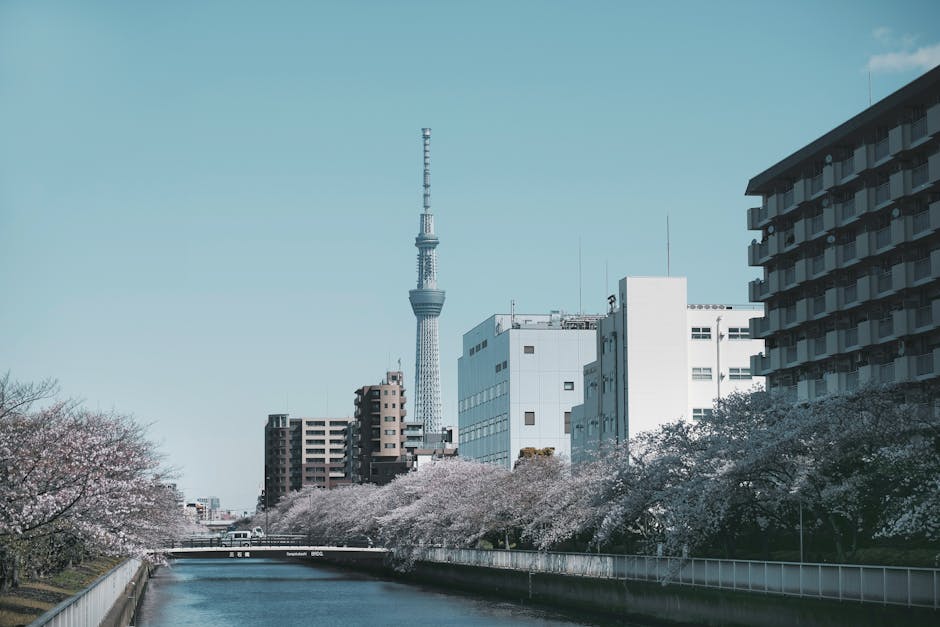
Standing at 634 meters, the Tokyo Skytree is the tallest structure in Japan and offers panoramic views of the city and beyond. The observation decks—Tembo Galleria and Tembo Deck—provide 360-degree vistas, especially stunning at sunset or night when the city lights come alive.
n
Book tickets online in advance to skip long queues. The Skytree is also home to a shopping complex and aquarium, making it a full-day destination. For the best photo opportunities, visit on a clear day when Mount Fuji is visible from the upper decks.
nn
3. Stroll Through Meiji Shrine
n
Nestled in a forested enclave near Harajuku, Meiji Shrine is dedicated to the deified spirits of Emperor Meiji and Empress Shoken. The tranquil path to the main hall passes through towering torii gates and a peaceful grove of trees donated from across Japan.
n
Visitors can write wishes on ema (wooden plaques) or observe traditional Shinto wedding ceremonies. The adjacent Yoyogi Park is perfect for a post-shrine walk or picnic. Arrive early to enjoy the serenity before the nearby Takeshita Street crowds gather.
nn
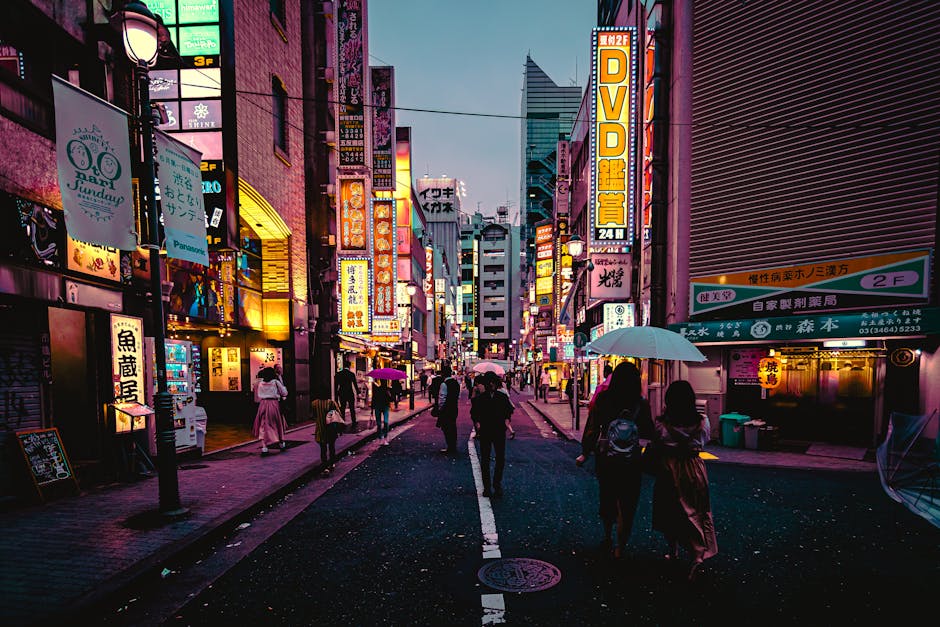
4. Experience Shibuya Crossing
n
Known as the “scramble crossing,” Shibuya Crossing is one of the busiest pedestrian intersections in the world. Up to 3,000 people cross at once during peak times, creating a mesmerizing flow of movement.
n
For the best view, head to the Shibuya Sky observation deck or the Starbucks on the second floor of the QFRONT building. Visit at night for the full neon-lit spectacle. Nearby, explore Shibuya’s shopping arcades, record stores, and themed cafes.
nn
5. Discover the Imperial Palace and East Gardens
n
The Imperial Palace, the primary residence of the Emperor of Japan, sits in the heart of Tokyo on the site of the former Edo Castle. While the inner grounds are generally closed to the public, the East Gardens are open and free to visit.
n
The gardens feature moats, stone walls, and seasonal blooms, offering a peaceful retreat. Guided tours of the inner palace grounds are available with advance reservations. The Nijubashi Bridge is a popular photo spot, especially during cherry blossom season.
nn
6. Shop and Eat in Tsukiji Outer Market
n
While the inner wholesale market has moved to Toyosu, the Tsukiji Outer Market remains a culinary hotspot. Here, you’ll find fresh seafood, sushi breakfasts, grilled skewers, and kitchenware shops.
n
Arrive hungry and early—many stalls open by 7 a.m. Try a tamagoyaki (sweet omelet) from a street vendor or a bowl of uni (sea urchin) donburi. The market is a sensory experience, with the aroma of grilled seafood and the chatter of vendors creating an authentic atmosphere.
nn
7. Wander Through Ueno Park
n
Ueno Park is Tokyo’s cultural hub, home to multiple museums, a zoo, and seasonal cherry blossoms. The Tokyo National Museum, the city’s oldest and largest museum, houses an extensive collection of Japanese art and artifacts.
n
The park is especially beautiful in spring when over 1,000 cherry trees bloom. In summer, open-air concerts and festivals take place. The Ueno Zoo, while smaller than some international counterparts, is notable for its giant pandas and historical significance.
nn
8. Ride the Yamanote Line for Neighborhood Hopping
n
The Yamanote Line is a loop train route that connects Tokyo’s major districts. Riding it gives you a quick overview of the city’s diversity. Start in Shinjuku for skyscrapers and nightlife, hop off in Akihabara for electronics and anime culture, and continue to Ikebukuro for shopping and entertainment.
n
Each stop offers distinct character: Roppongi for art galleries, Ebisu for trendy cafes, and Shinagawa for business districts. A Suica or Pasmo card makes transfers seamless.
nn
9. Visit teamLab Borderless or teamLab Planets
n
teamLab’s immersive digital art installations redefine interactive experiences. teamLab Planets in Toyosu features walk-through water exhibits, floating flowers, and mirrored rooms that respond to movement.
n
Tickets must be purchased in advance, and visitors are required to remove shoes and wade through shallow pools. The experience is both meditative and visually stunning, ideal for photography and reflection. Note that teamLab Borderless has relocated from Odaiba to a new location, so check current details before visiting.
nn
10. Explore Odaiba for Futuristic Fun
n
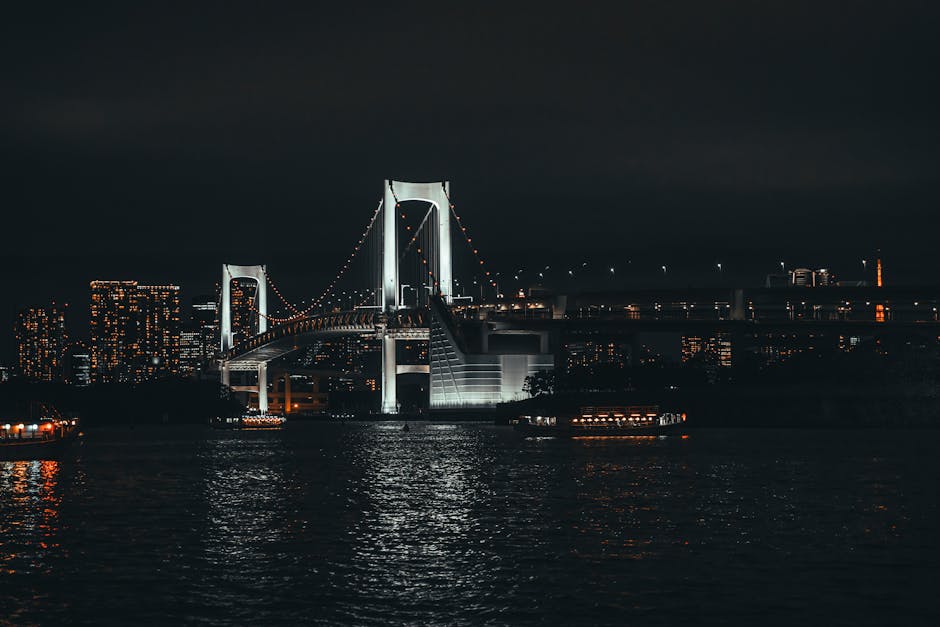
Odaiba is a man-made island in Tokyo Bay known for its futuristic architecture, shopping malls, and entertainment complexes. Highlights include the life-sized Unicorn Gundam statue, the DiverCity Tokyo Plaza, and the Odaiba Seaside Park with views of the Rainbow Bridge.
n
The area is also home to the Miraikan science museum and the Palette Town ferris wheel. At night, the illuminated Rainbow Bridge and city skyline create a romantic backdrop. Accessible via the Yurikamome Line, Odaiba is ideal for families and tech enthusiasts.
nn
Hidden Gems and Local Favorites
n
Beyond the well-known sites, Tokyo is full of lesser-known spots that offer authentic experiences away from the tourist trail.
nn
Yanaka: Tokyo’s Oldest Neighborhood
n
Yanaka retains the atmosphere of old Tokyo with its narrow alleys, wooden houses, and quiet temples. The Yanaka Ginza shopping street is a nostalgic strip with retro shops, sweet vendors, and old-fashioned cafes.
n
Visit the Nezu Shrine, known for its vibrant red torii gates and early spring azaleas. The area is also a haven for cat lovers—street cats are a common sight, and several cafes cater to feline enthusiasts.
nn
Shimokitazawa: Vintage Shops and Indie Vibes
n
Shimokitazawa is a bohemian district popular with students and creatives. Its maze of side streets is packed with vintage clothing stores, record shops, and cozy cafes.
n
The area has a laid-back, artsy vibe, with frequent live music performances and pop-up markets. It’s a great place to find unique fashion and enjoy a casual meal at a local izakaya.
nn
Kagurazaka: A French-Japanese Fusion
n
Kagurazaka blends traditional Japanese charm with French influence. Cobblestone streets, hidden shrines, and French bakeries create a unique atmosphere.
n
Explore the Akagi Shrine and enjoy a croissant at one of the many patisseries. The area is especially charming in the evening when lanterns light the alleys.
nn
Tokyo Food Guide: What and Where to Eat
n
Tokyo is a global culinary capital, offering everything from street food to Michelin-starred dining. Here’s how to eat well without overspending.
nn
Must-Try Dishes
n
- n
- Sushi: Try conveyor belt sushi (kaiten-zushi) for affordability and freshness. Popular chains include Sushiro and Genki Sushi.
- Ramen: Each district has its specialty. Ichiran offers customizable tonkotsu ramen, while Ippudo is known for rich broths.
- Tempura: Tenya offers quick, crispy tempura bowls at low prices. For a more refined experience, visit a tempura-ya in Ginza.
- Yakitori: Visit Omoide Yokocho (Memory Lane) in Shinjuku for grilled skewers in a retro setting.
- Matcha Desserts: Try soft serve or parfaits at Suzukien Asakusa or Nakamura Tokichi in Ginza.
n
n
n
n
n
nn
Budget-Friendly Dining Tips
n
- n
- Lunch sets (teishoku) are often half the price of dinner menus and equally delicious.
- Convenience stores (konbini) like 7-Eleven and Lawson offer surprisingly high-quality onigiri, sandwiches, and bento boxes.
- Standing bars (tachinomi) in Golden Gai or Nonbei Yokocho provide affordable drinks and snacks in a lively setting.
n
n
n
nn
Getting Around Tokyo: Transportation Tips
n
Tokyo’s public transportation system is efficient, punctual, and extensive. Here’s how to navigate it like a local.
nn
Using the Train and Subway
n
The JR Yamanote Line is the backbone of Tokyo travel, connecting major hubs. Subways operated by Tokyo Metro and Toei cover deeper into neighborhoods.
n
Purchase a rechargeable Suica or Pasmo card at any station. These cards work on trains, buses, and even at vending machines and convenience stores. Avoid rush hours (7:30–9:30 a.m. and 5–7 p.m.) if possible.
nn
Navigating Stations
n
Major stations like Shinjuku and Tokyo Station have multiple exits and complex layouts. Use station maps and digital signage. Staff are generally helpful, though English may be limited.
n
Download the Google Maps app, which provides accurate train routes, platform numbers, and walking directions. Offline maps are useful in areas with poor signal.
nn
Taxis and Ride-Sharing
n
Taxis are clean and safe but expensive. They are best used for short trips or late-night travel when trains have stopped. Ride-sharing apps like Uber are available but not as widespread as in other global cities.
nn
Seasonal Highlights and Best Times to Visit
n
Tokyo’s appeal changes with the seasons, each offering unique experiences.
nn
Spring (March–May)
n
Cherry blossom season (sakura) peaks in late March to early April. Popular viewing spots include Ueno Park, Chidorigafuchi, and Meguro River. Hanami (flower viewing) parties are common in parks.
n
Weather is mild, but accommodations fill up quickly. Book at least three months in advance.
nn
Summer (June–August)
n
Hot and humid, summer features festivals like Sumida River Fireworks and Tanabata. Indoor attractions like museums and shopping malls are ideal during peak heat.
n
Stay hydrated and wear light clothing. Midsummer (July–August) is also typhoon season—check weather forecasts.
nn
Autumn (September–November)
n
Cooler temperatures and vibrant fall foliage make autumn a favorite time to visit. Popular spots include Rikugien Garden and Mount Takao.
n
October and November are ideal for outdoor walks and temple visits. The autumn illumination displays in parks are a highlight.
nn
Winter (December–February)
n
Tokyo winters are mild but can be chilly. The city sparkles with holiday lights, especially in Ginza and Tokyo Midtown. New Year (Oshogatsu) is a major holiday—many businesses close, but temples hold special ceremonies.
n
Winter is also a great time for hot pot (shabu-shabu) and ramen. Snow is rare in central Tokyo but possible in surrounding areas.
nn
Accommodation Guide: Where to Stay in Tokyo
n
Choosing the right neighborhood depends on your interests and budget.
nn
| Neighborhood | Best For | Average Nightly Rate (USD) | Transport Access |
|---|---|---|---|
| Shinjuku | Nightlife, shopping, convenience | $120–$250 | Excellent (JR, subway, buses) |
| Shibuya | Youth culture, fashion, dining | $130–$270 | Excellent (JR, subway) |
| Ginza | Luxury, fine dining, shopping | $200–$500 | Very good (subway) |
| Asakusa | Traditional culture, budget stays | $80–$180 | Good (subway, buses) |
| Roppongi | Art, international vibe, nightlife | $140–$300 | Very good (subway) |
nn
Practical Tips for Travelers
n
- n
- Language: While English signage is common in tourist areas, learning basic Japanese phrases (e.g., “arigatou gozaimasu” for thank you) is appreciated.
- Etiquette: Bow slightly when greeting, remove shoes when entering homes or certain restaurants, and avoid eating while walking.
- Money: Japan is largely cash-based. Carry yen for small vendors and temples. ATMs at 7-Eleven (Seven Bank) accept foreign cards.
- Wi-Fi: Rent a pocket Wi-Fi device or purchase a SIM card at the airport for reliable internet access.
- Safety: Tokyo is one of the safest cities in the world. Still, keep an eye on belongings in crowded areas.
n
n
n
n
n
nn
Final Thoughts: Making the Most of Your Tokyo Trip
n
Tokyo rewards curiosity and flexibility. While it’s tempting to pack in as many sights as possible, allow time to wander, people-watch, and embrace the unexpected. Whether you’re sipping matcha in a quiet garden, marveling at neon-lit streets, or discovering a tiny ramen shop down an alley, the best things to do in Tokyo often unfold spontaneously. With thoughtful planning and an open mind, your visit can be both efficient and deeply memorable.
nn
FAQ
n
Q: How many days do I need to see Tokyo?
nA: A minimum of 4–5 days allows you to cover major attractions and neighborhoods. For a more relaxed pace or to include day trips (e.g., Nikko or Hakone), plan for

